
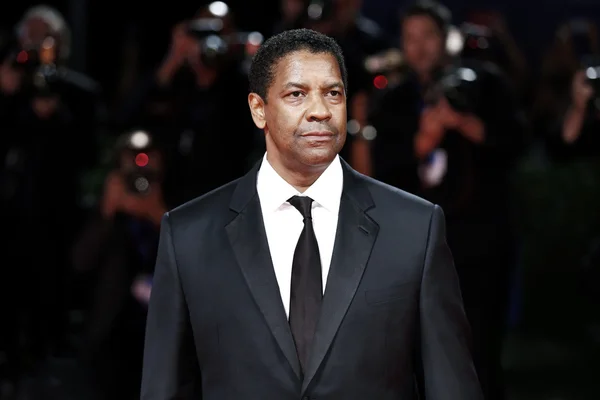
Fame often rewards reinvention, but for some Hollywood men, the steadier story is faith. Across interviews, speeches, films, and public appearances, a number of actors have described belief in God not as a background label, but as the force behind major decisions, private recovery, and public restraint. What makes these stories stand out is not simply that well-known actors identify as religious. It is that several have tied faith to moments of loss, addiction recovery, parenting, creative choices, and even the roles they are willing to refuse.
1. Denzel Washington keeps faith at the center of success
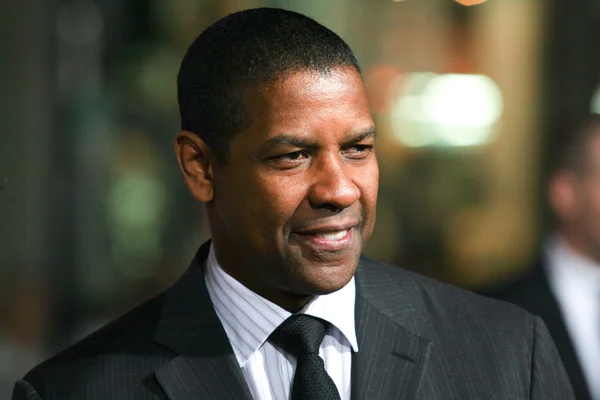
Denzel Washington has long spoken about Christian belief as the foundation beneath his career. His public image around faith became especially memorable through speeches urging people to put God first, a message that matched the spiritual background of his upbringing as the son of a Pentecostal minister. His story also stands out because it does not rely on one dramatic conversion narrative. Instead, the consistent theme is continuity: church roots, gratitude, and a habit of framing achievement as grace rather than self-creation. In an industry built on image, that kind of repeated language has become part of how audiences read his staying power.
2. Mark Wahlberg turned daily practice into a public identity
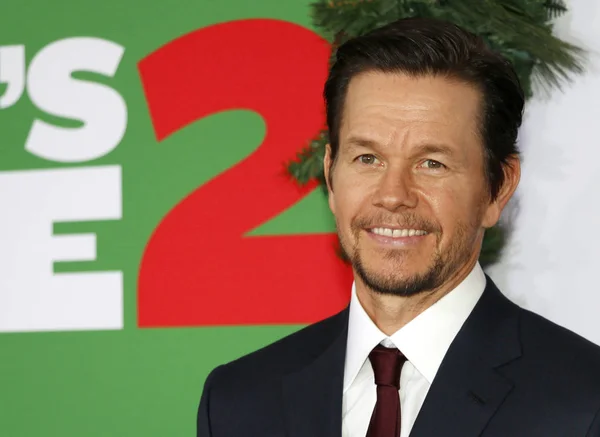
Mark Wahlberg’s faith is notable for how visible the routine has become. He has repeatedly identified himself as a devout Catholic, linked religion to his personal turnaround, and brought that emphasis into his work through projects centered on clergy and redemption. His public comments have also made clear that he does not treat faith as a private accessory. As quoted in one profile, “I can’t deny my faith. That’s an even bigger sin.” That directness helps explain why his religious life is often discussed alongside his family life, discipline, and the boundaries he says matter more than Hollywood approval.
3. Chris Pratt ties belief to fatherhood and a medical crisis
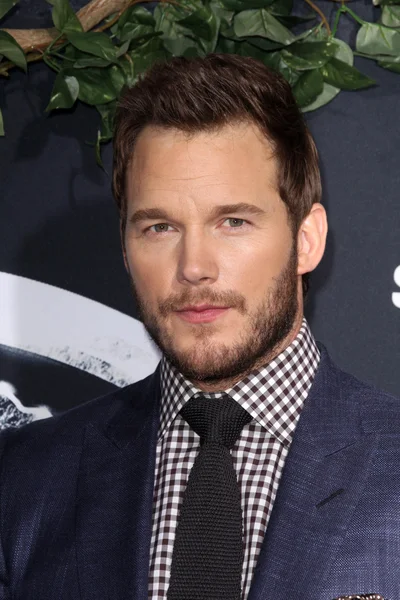
Chris Pratt has spoken about faith for years, but one part of his story drew unusual attention because it connected belief to a deeply personal family emergency. He said his outlook hardened during the period when his son was born premature at 3 pounds, 10 ounces, a moment he described as spiritually decisive. He later said, “I care enough about Jesus to take a stand, even if it costs me.” That statement, widely repeated in coverage of his recent interviews, helps define why he has become one of the more openly faith-forward leading men in blockbuster entertainment. He has also connected that openness to parenting, saying he wants his children to know their father was unashamed of belief and prayer.
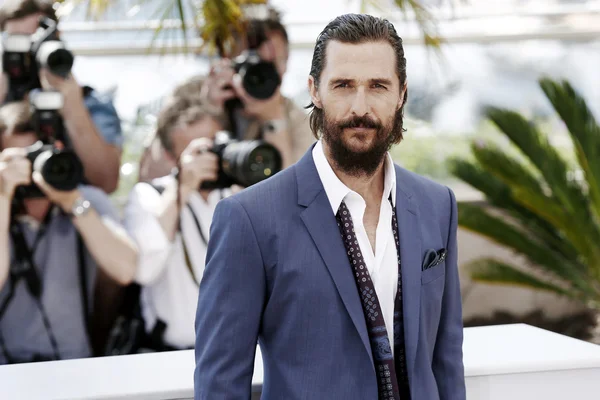
4. Matthew McConaughey frames gratitude as a spiritual practice
Matthew McConaughey’s public discussion of God has often arrived in moments of recognition rather than controversy. His Oscar speech remains the clearest example, when he opened by thanking God and describing divine help as the source of opportunities beyond human control. That language fits the broader pattern in how he speaks about life: gratitude, perspective, and spiritual grounding. Rather than present religion as spectacle, he tends to place it beside humility and discipline, which gives his faith story a quieter but durable presence in celebrity culture.
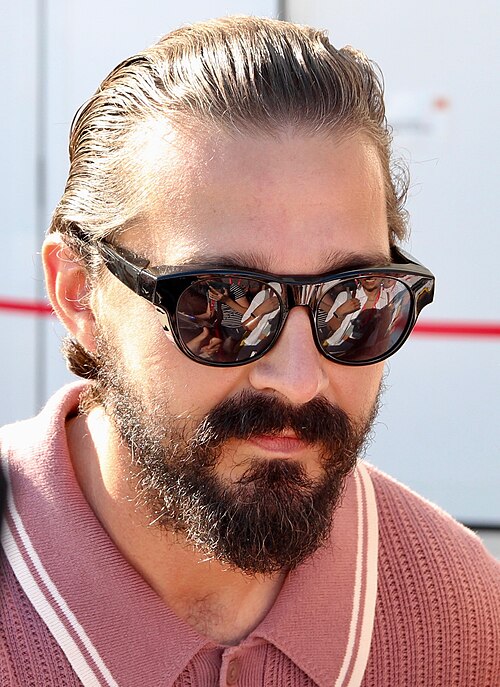
5. Shia LaBeouf linked Catholicism to structure during a dark period
Shia LaBeouf’s faith story drew attention because it followed a turbulent public stretch and was tied to preparation for playing Padre Pio. He has described immersion in Catholic practice, especially prayer and traditional worship, as something that brought order and steadiness when his life felt unstable. This made his story different from the actors who describe lifelong continuity. In his case, faith entered public conversation as a form of rescue and structure. That shift gave audiences a more personal lens on how religious tradition can function not just as belief, but as routine, discipline, and survival.
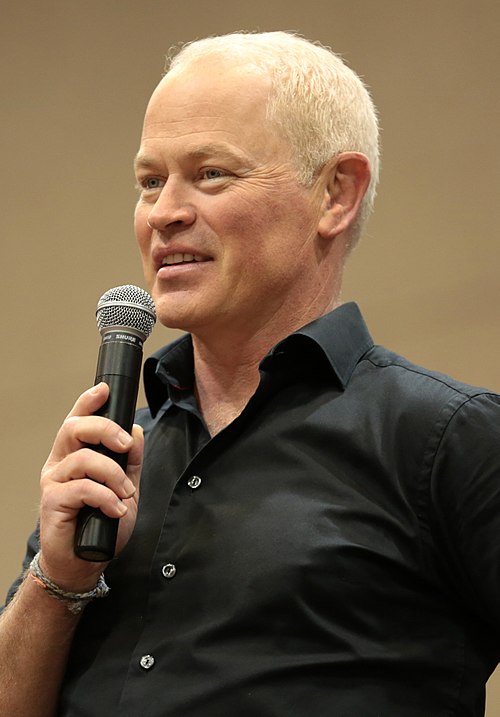
6. Neal McDonough made career limits part of his convictions
Neal McDonough has become one of the clearest examples of faith affecting on-screen boundaries. He has openly said he will not film love scenes, explaining that the stance is tied to his marriage and religious convictions. That choice matters because it turns belief into a professional filter rather than a personal talking point. By his own account, it has cost him work. Even so, his public position has made him a recurring example in conversations about whether actors can keep strict moral lines in an industry that often expects flexibility.
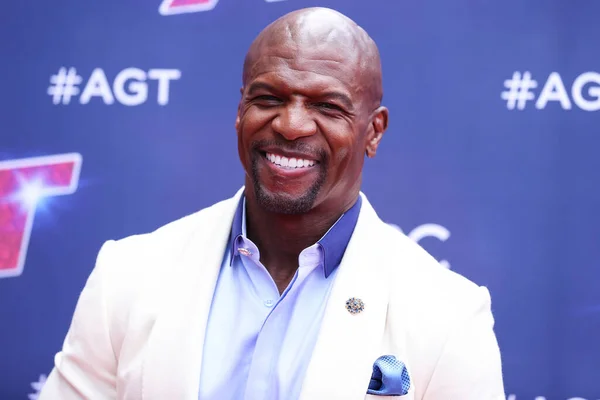
7. Terry Crews speaks about God through recovery and humility
Terry Crews has repeatedly connected his Christian faith with recovery from addiction and personal failure. His story resonates because it does not present strength as toughness alone. Instead, he has described humility, confession, and scripture as essential to rebuilding his marriage and family life. That framing gives his faith story a practical edge. For audiences, it is less about celebrity testimony in the abstract and more about a recognizable pattern: public success, private collapse, and the attempt to rebuild character through discipline and belief.
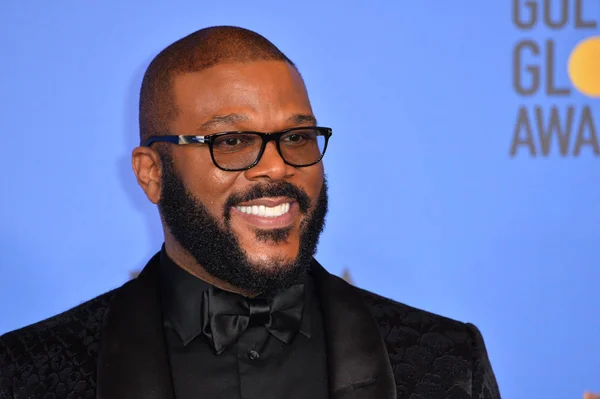
8. Tyler Perry built faith themes into the work itself
Tyler Perry stands apart because his religious worldview is visible not only in interviews but in the emotional architecture of his films and television projects. Forgiveness, prayer, endurance, and divine intervention appear again and again in his storytelling, making faith part of his creative brand rather than a side note. He has also linked Christianity to his own path through homelessness and rejection. As one interview quoted him saying, “I am a Christian. I am a believer, and I know had I not been a person of faith, I couldn’t be here in this place.” In celebrity culture, where belief is often mentioned briefly and then dropped, Perry’s work keeps returning to it.
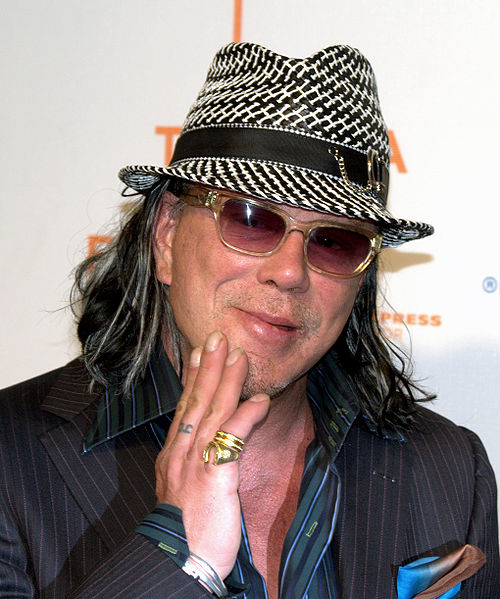
9. Mickey Rourke described faith as a reason he stayed alive
Mickey Rourke’s story is one of the starkest. He has credited his Catholic faith and guidance from a priest with helping stop him from suicide during a low point, turning religion into part of his language of redemption. That kind of testimony lands differently from awards-speech gratitude. It places faith in the category of crisis intervention, not image management. For that reason, his story often lingers with readers even among many celebrity accounts of religion, because the stakes attached to it were unmistakably personal.
Taken together, these stories show that Hollywood faith is not one thing. For some men, it looks like inherited ritual. For others, it appears after grief, addiction, career fallout, or a family emergency. The common thread is consequence. In each case, belief is presented not merely as a label, but as something that shapes speech, boundaries, family life, and the meaning attached to survival itself.

