
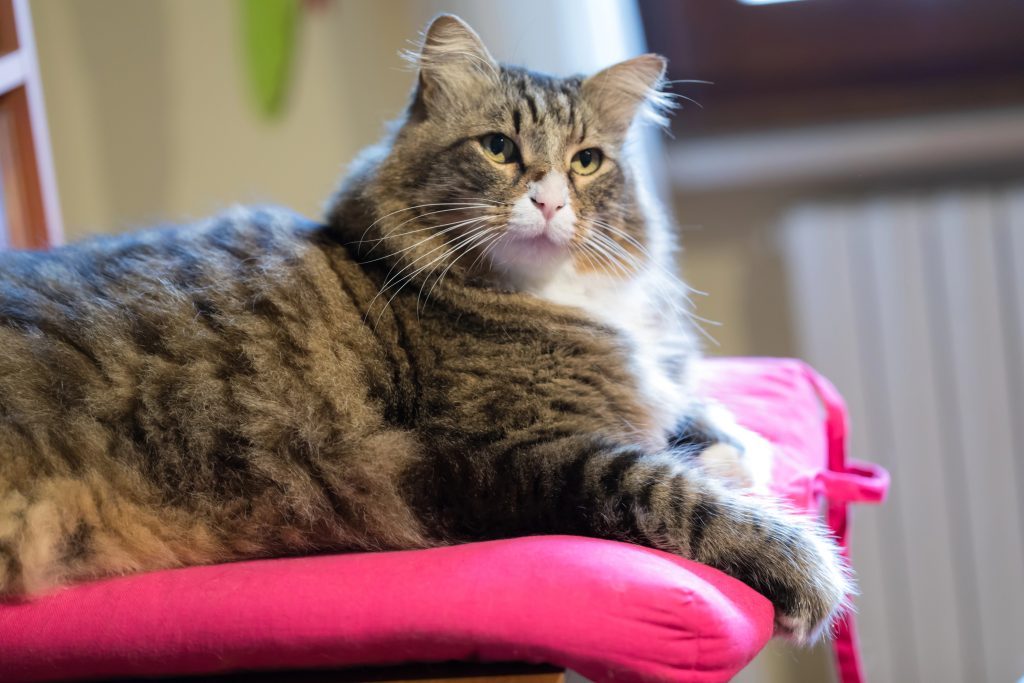
Ever notice how your indoor cat can transform from a loafing sunbather to a midnight parkour champion in the blink of an eye? That’s just one of the many quirks that make living with an indoor feline endlessly entertainingand sometimes, downright puzzling. For cat parents, whether you’re new to the game or a seasoned pro, there’s always something unexpected lurking behind those whiskers and wide eyes. House cats may appear to be low-maintenance companions, but there is an entire secret life of surreptitious needs, associations, and health revelations behind that unyielding exterior. Here’s what nobody tells you about indoor catsand what you’ll regret not knowing sooner.
1. The Spontaneity of Predictable Mayhem
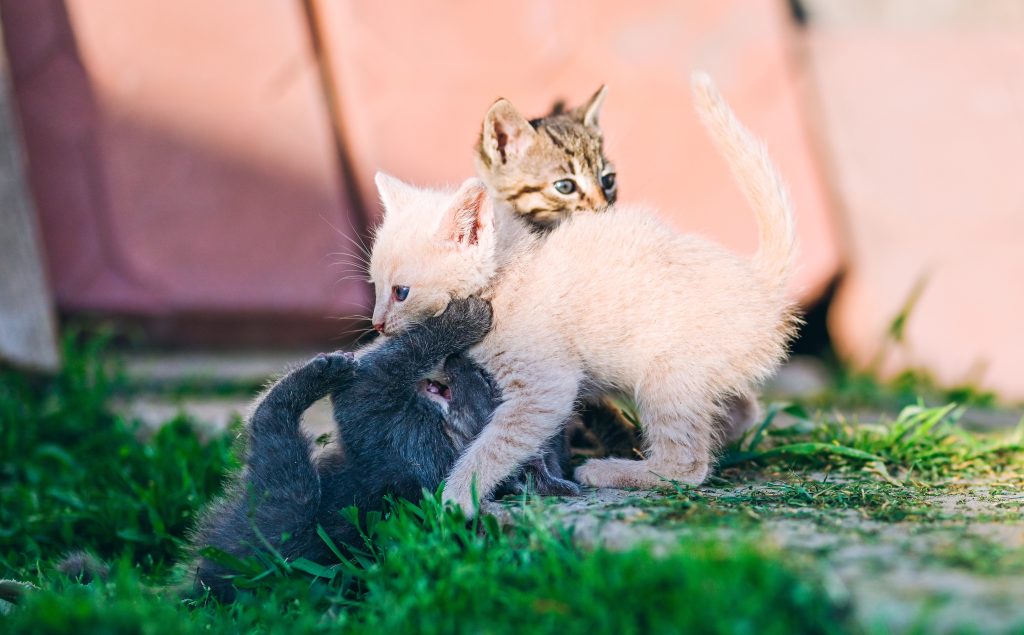
Indoor cats possess a unique ability to transform your living room into their own backyard obstacle course. They desire a combination of surprise and predictabilitythink of occasional book avalanche breaks or unexpected toy runs. These little cauldrons of disruption aren’t just humor; they mimic the random moments of the wilderness, invigorating your cat’s mind and preserving their curiosity. As The Spruce Pets points out, knocking things over is often a cat’s way of expressing boredom or attention-seeking (cats love knocking things over). So the next time your kitty knocks a pen off your desk, remember: it’s not naughty behavior, it’s mental stimulation. The catch? Offer interactive toys, puzzle feeders, or even a safe box to explore, and see their internal explorer spring to life.
2. Safe Exploration and Vertical Playgrounds
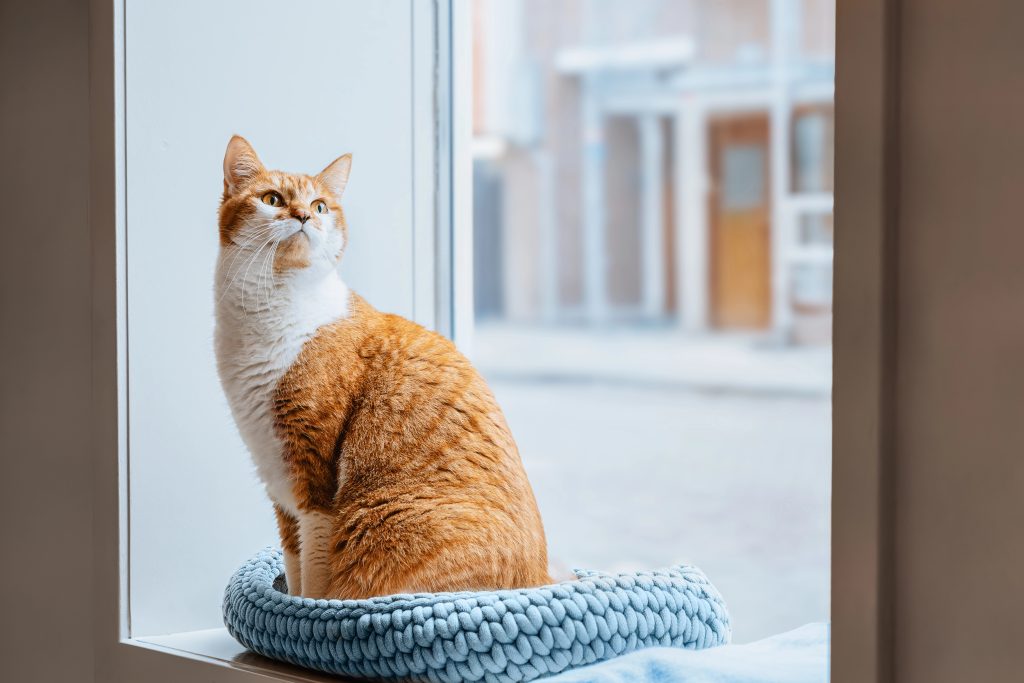
Cats are natural explorers, and even the most pampered indoor cat needs room to explore. Window perches, cat trees, and wall shelves are not only fashionablethey’re essential. As the Animal Humane Society states, vertical spaces provide cats with exercise, mental enrichment, and safety. Creating a “catio” or installing a plush window seat can make your apartment a cat nirvana. And don’t forget about DIY treat dispensers or hide-and-seek gamesthese activities tap into your cat’s natural hunting instincts and keep them engaged, even when you’re not home.
3. Sunbathing: More Than a Nap Spot
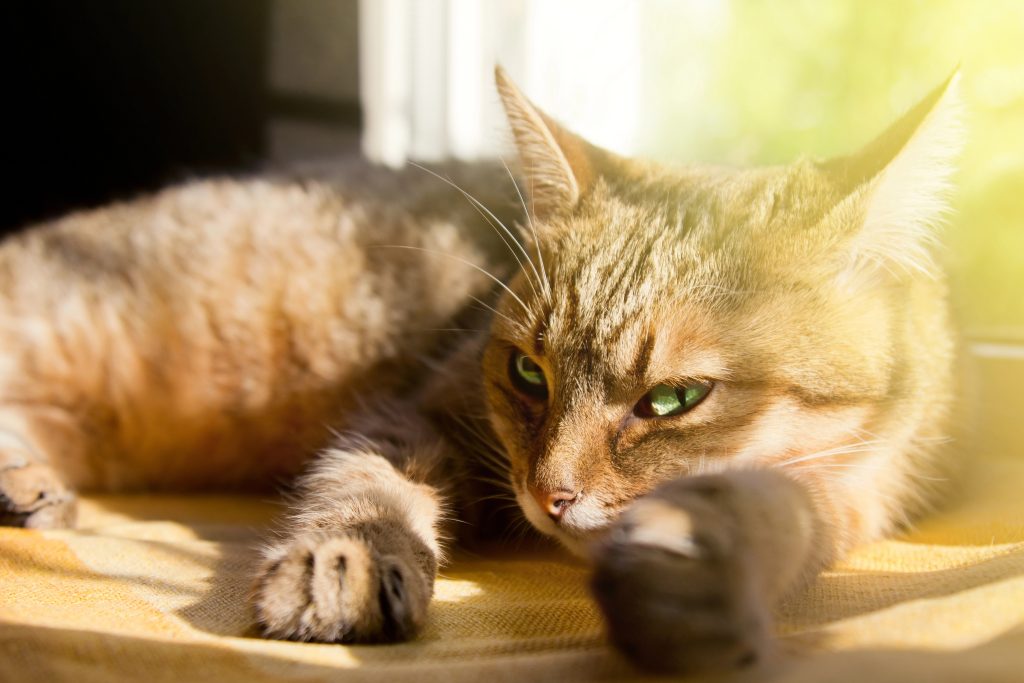
While cats do not take in Vitamin D through sunlight as humans do, a sunbeam window remains their joy spot. A sunbeam offers comfort and heat to control their sleep cycles and provide hours of enjoyable viewing as they watch the world go by. Beyond this, natural light has the ability to lift your cat’s mood and overall health. According to The Spruce Pets, cats will even climb onto hot laptops or radiators when the sun is not shining, demonstrating their adoration for anything warm (cats adore warmth). So, keep those blinds open and let your cat indulge in their favorite sun-drenched snooze.
4. The Midnight Zoomies Are Real
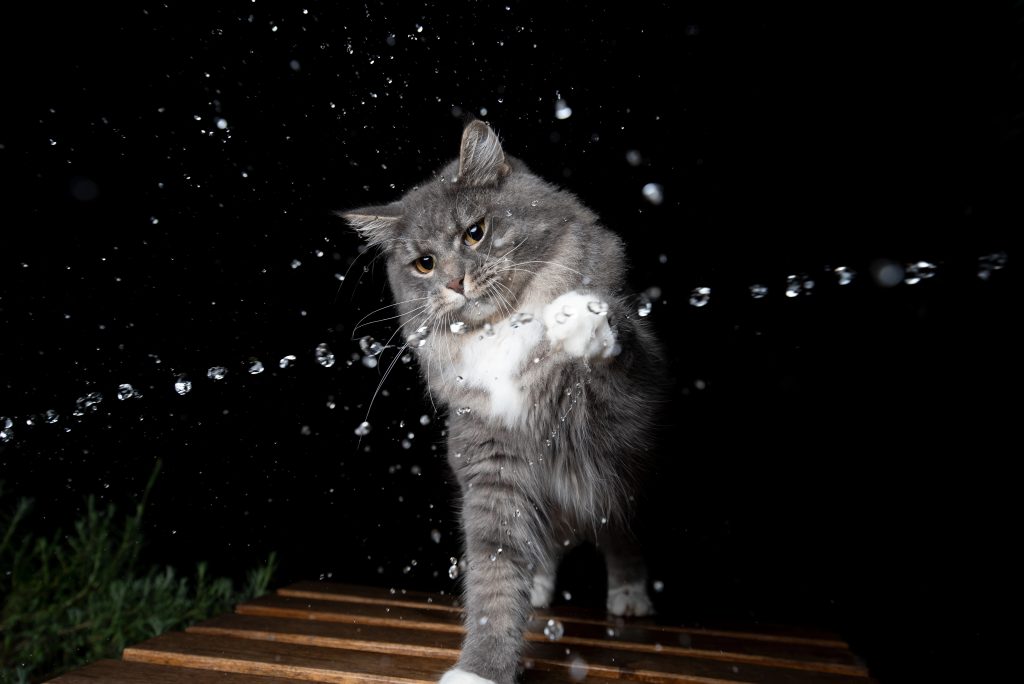
If you’ve ever been jolted awake by the sound of paws thundering down the hallway at 2 a.m., you’re not alone. The notorious “midnight crazies” are a reminder of your cat’s feral heritage, who foraged at dawn and dusk. From ASPCA Pet Insurance, nocturnal play is normal, but can be controlled with more play and stimulation during the day. Attempt to have interactive playtime before dusk and to rotate toys to keep play stimulating. A light meal before bedtime will also calm your cat in the evening.
5. Master Hiders: Finding Subtle Signs of Illness
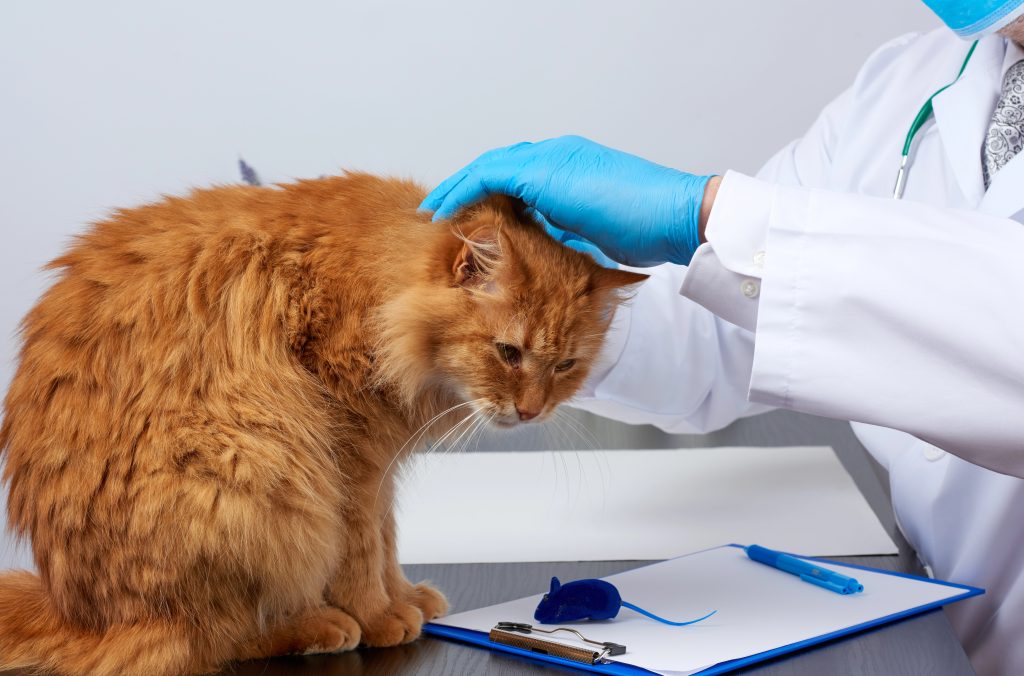
Indoor cats are expert hideaways, and therefore it may be hard to know that there is something amiss. Slight changeslike a change in appetite, grooming, or litter box usagecan be the first indicators that your cat is ill. As the ASPCA notes, cats are experts at concealing pain or sickness, so frequent vet visits are necessary (cats are experts at hiding pain). Catch it early: dental disease, obesity, urinary problems, and even chronic diseases like diabetes can creep up unsuspectingly . Don’t wait for obvious signsbe proactive with yearly wellness exams and monitor your cat’s day-to-day routine.
6. Interactive Play: The Key to a Contented Cat
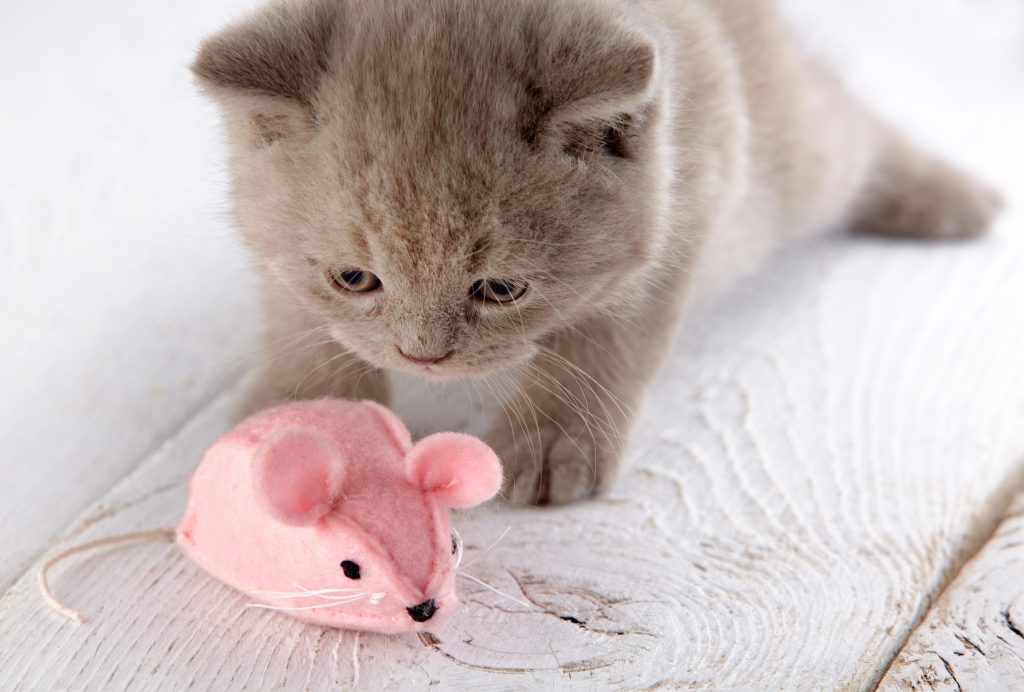
Play is not a privilegeit’s an essential for cats kept indoors. Feather wands, laser pointers, and rolling toys mimic prey and give your cat a healthy channel for their instinctual hunting urges. Interactive playtime each day improves physical health, reduces stress levels, and solidifies your bond. The Animal Humane Society advises playing with your cat in a variety of ways and introducing different toys and activities to keep them mentally and physically acutely tuned (plan interactive playtime on a regular basis). For extra fun, try DIY treat puzzles or hide-and-seek gamesyour cat will love the challenge, and you’ll love the extra snuggles.
7. Litter Box Lessons: Cleanliness Counts
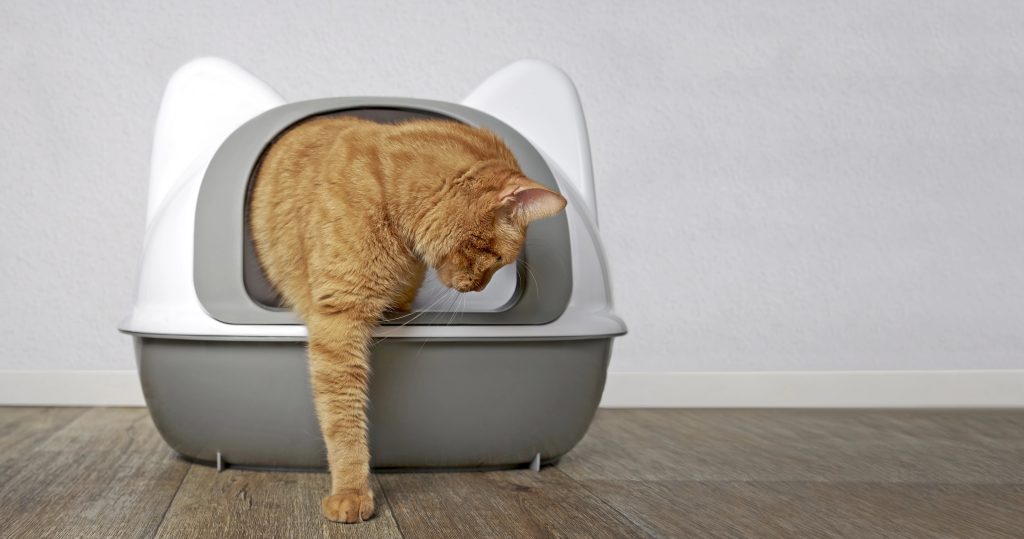
A shiny litter box isn’t all about controlling odorit’s important to your cat’s well-being and happiness. Unsanitary or inappropriately located boxes may result in stress, accidents, or even health problems. The ASPCA suggests daily scooping and weekly deep cleaning of one box per cat, plus one extra (adequate number of litter boxes), in quiet, convenient spots. If your cat starts to go out of the box, check for cleanliness first and foremost, and then see your vet to rule out health problems.
8. Window Watching: Cat TV at Its Best
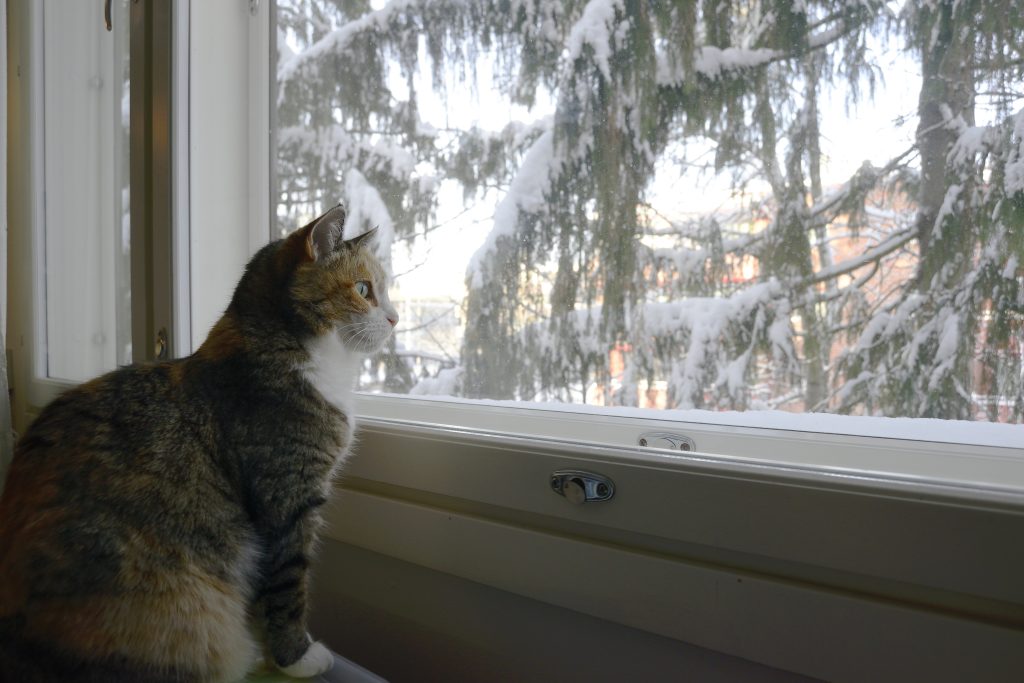
A window perch is not just a pretty viewit’s a daily span of mental stimulation. Observing birds, squirrels, and the outdoor world is a cure for cat curiosity and boredom. The Animal Humane Society recommends setting up comfy window seats to give your cat front-row access to nature’s show (give your cat the best window views). For extra enrichment, consider a bird feeder outside the window or cat-friendly videos when you’re away.
9. Strange Activities: Explained
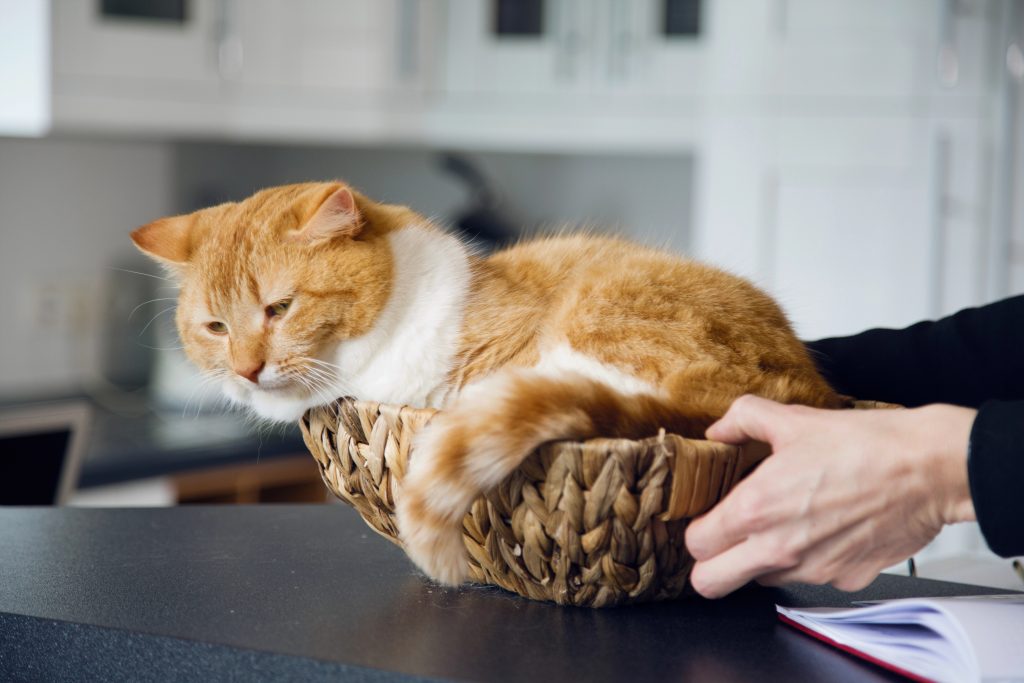
Kneading and headbutting to chattering at birds, indoor cats are riddled with strange antics. The Spruce Pets explains that kneading is a residual kitten behavior that marks bliss, and chattering is merely excitement at viewing prey (cat behavior explained). Chewing odd objects or sleeping in cramped spots can also be traced to wild instincts or kittenhood. Being aware of these quirks allows you to respond with empathyand maybe a little extra patience when your cat commandeers your laptop as their new mattress.
10. Health Dangers: What Indoor Cats Still Encounter
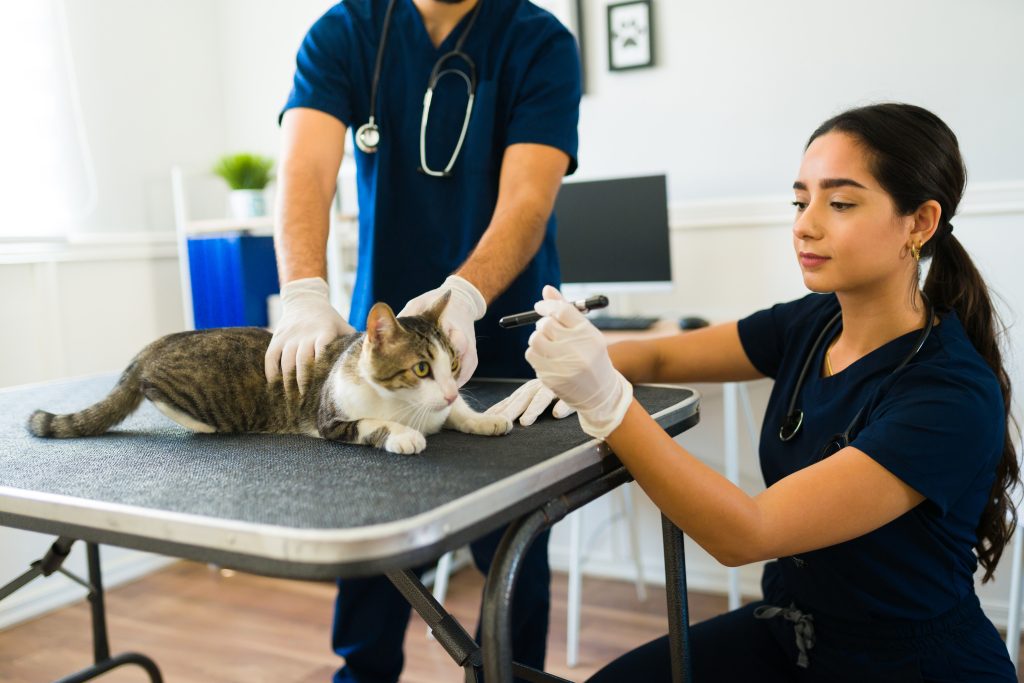
Are indoor cats immune to illness? Not exactly. While they are safer from outside dangers, they are still susceptible to conditions like dental disease, obesity, diabetes, and even infectious disease if they share space with other animals. The ASPCA warns that indoor cats can be plagued by chronic diseases that are too easily dismissed without regular check-ups (common cat diseases). Preventative care, proper diet, and parasite management are as important indoors as outdoors. Don’t skip those annual wellness examsyour cat’s overall wellbeing depends on it.
11. Enrichment: The Key to a Fulfilled Feline
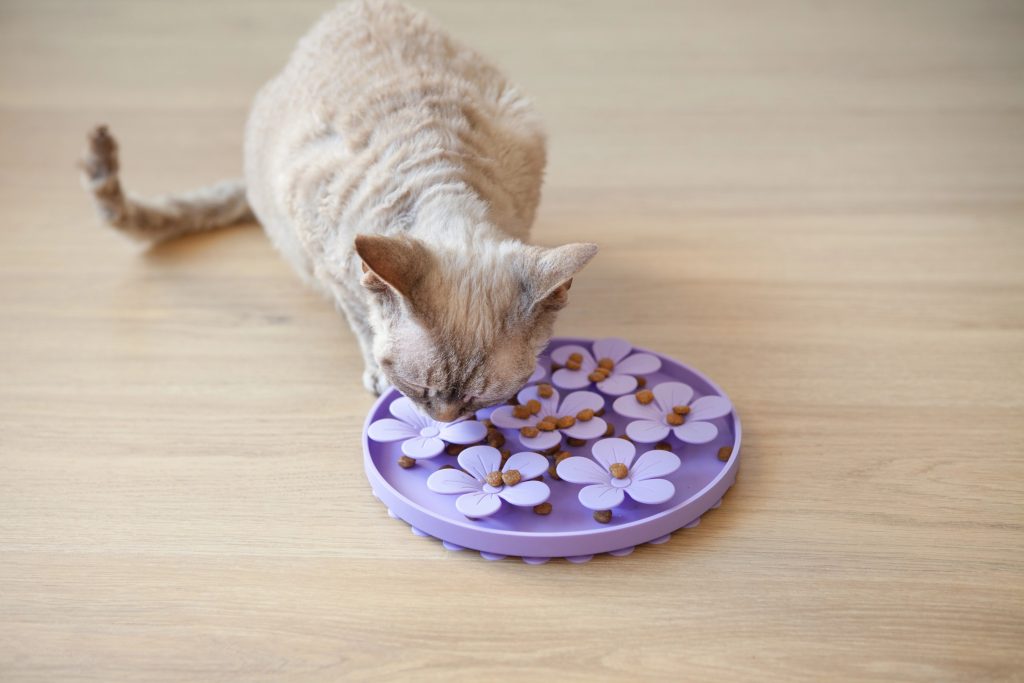
Boredom is the indoor cat’s nemesis. Without enough stimulation, they can develop unhealthy habits or even disease. The Animal Humane Society suggests rotating toys, adding new textures, and mixing up enrichment activities to keep them fresh. Try puzzle feeders, crinkly tunnels, or a homemade catio for supervised outdoor excursions. A dash of imagination is all it takes to a healthier, happier feline.
Indoor cats may be mysterious, but it’s through understanding and accommodating their own unique needs that the doors of joy and health swing wide. Through embracing their quirks, appreciating enrichment, and staying proactive with health, cat owners can create a home that optimizes the well-being and comfort of their beloved felines. And blissful cats, after all, mean a happier homeand plenty of purrs to go around.

