
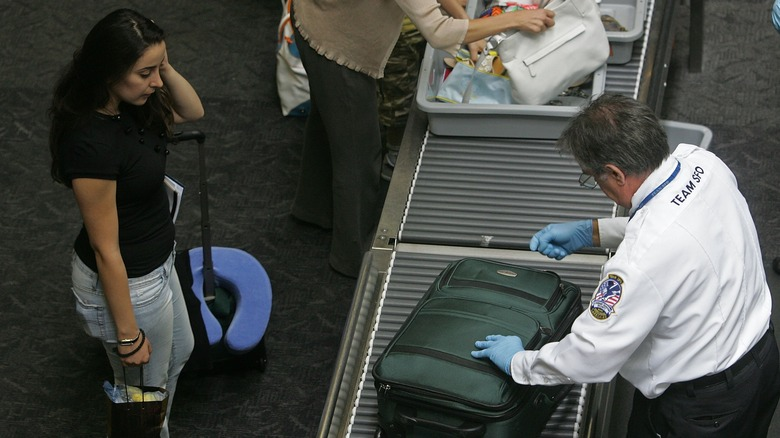
A carry-on does not need anything prohibited inside to end up on the inspection table. More often, extra screening starts when a scanner cannot separate shapes clearly, dense items blend together, or a routine object looks harder to identify than it should. That is why ordinary packing habits matter so much. With TSA screening about 3.3 million carry-on bags every day, even small delays add up quickly, and clutter is one of the easiest ways to invite a manual check.
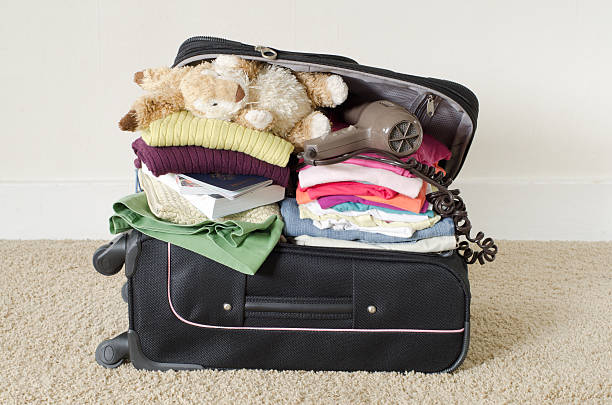
1. Overpacking until the bag reads like one solid mass
A tightly stuffed carry-on can turn harmless belongings into a single dense block on an X-ray image. Clothing, shoes, toiletries, and accessories pressed together make it harder for officers to distinguish one object from another, which often leads to a closer look. This is one of the quietest ways travelers slow themselves down. A bag can be perfectly legal and still appear unclear simply because everything is compressed into one crowded space.
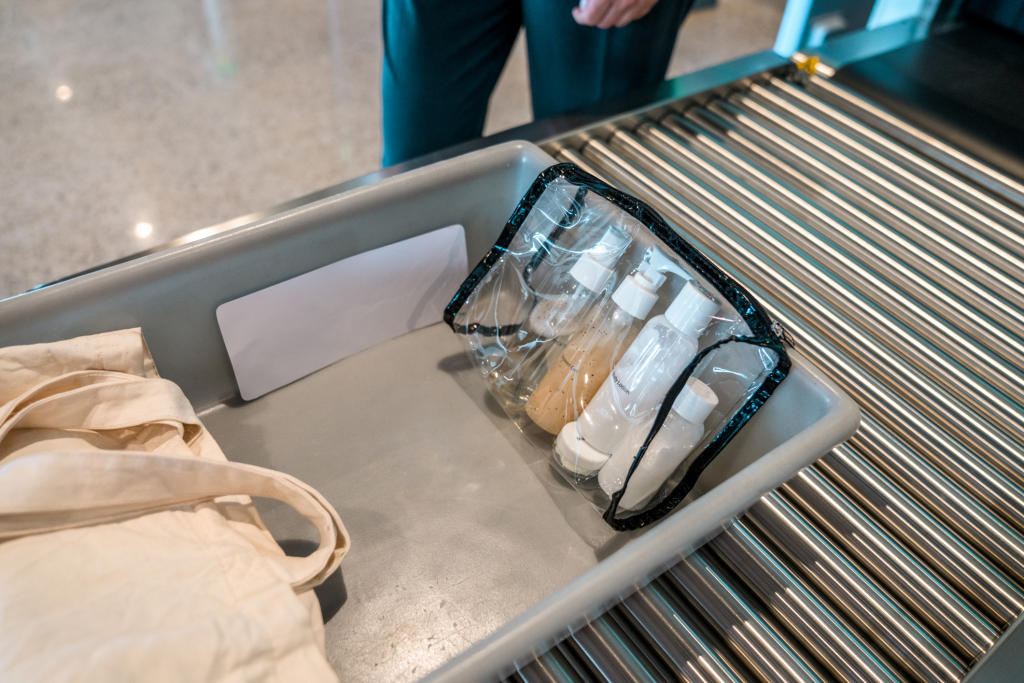
2. Burying liquids where they are hard to remove
Liquids remain one of the most common reasons bags are flagged. TSA allows a quart-sized bag of liquids, aerosols, gels, creams and pastes in carry-ons, with each container limited to 3.4 ounces or 100 milliliters. When that bag is hidden under sweaters, chargers, or snacks, the checkpoint slows down fast. Travelers start rummaging, bins pile up, and officers may pause the screening lane while the item is located and checked.
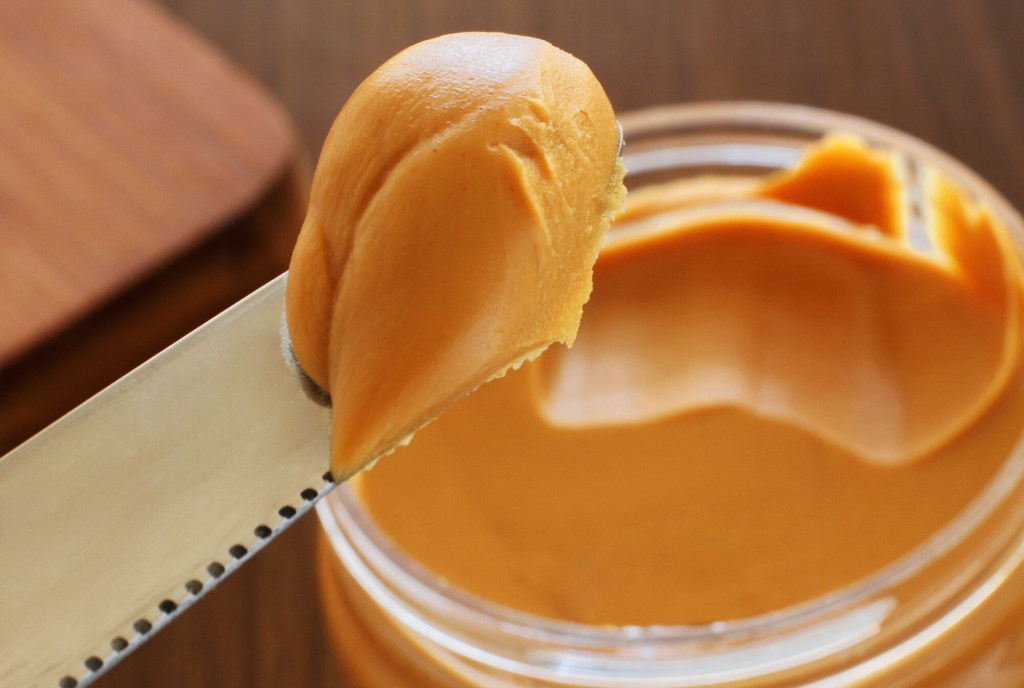
3. Forgetting that peanut butter, hummus, and yogurt count as liquids
Some of the biggest surprises at airport security are foods that do not feel like liquids at all. Spreadable and scoop able items such as peanut butter, salsa, jam, yogurt, soft cheese, and guacamole fall under the same size limits as other carry-on liquids. A large jar of snack food can trigger inspection just as easily as an oversized toiletry. On a scanner, dense organic material can look ambiguous enough to require a manual search, especially when it is packed with other food.
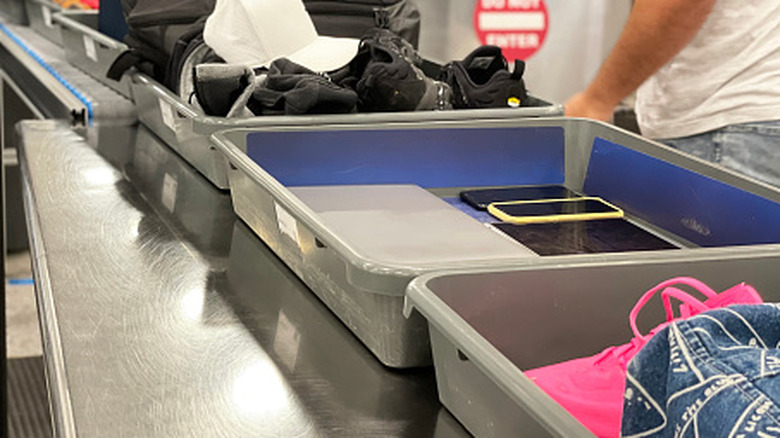
4. Packing laptops and tablets in the middle of everything
In standard lanes, electronics larger than a phone often need to come out for screening. Older and still widely used checkpoint systems can struggle when dense electronics sit under clothing or next to toiletries, which is why devices larger than a cell phone are commonly separated. When a laptop is buried deep in a carry-on, officers may need a traveler to unpack half the bag just to reach it. That turns a simple checkpoint moment into a full repacking exercise.
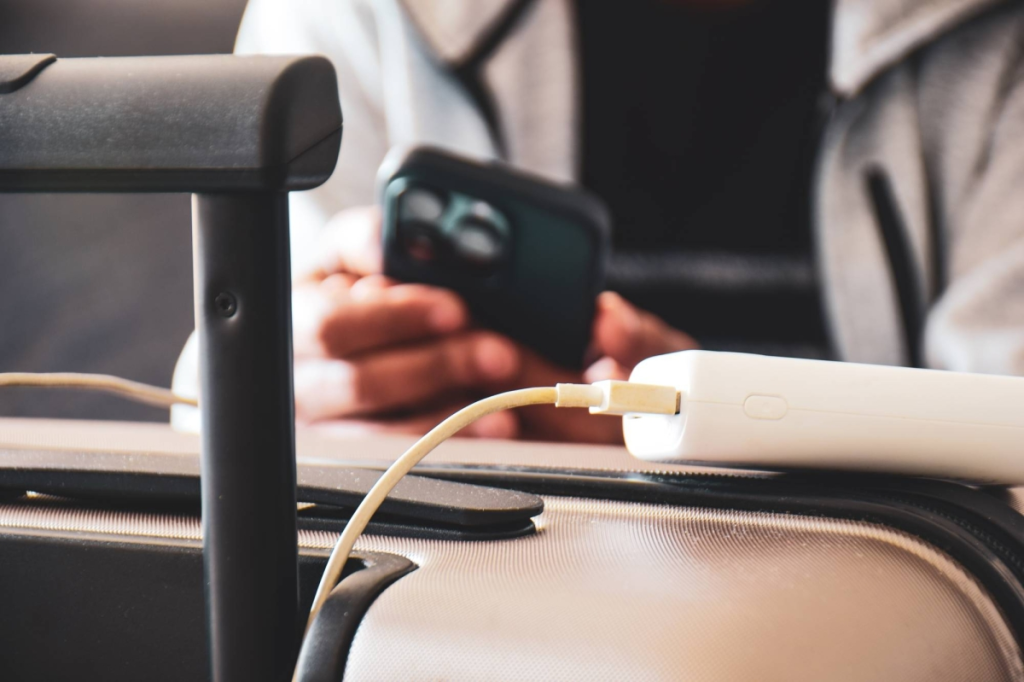
5. Tossing cords, adapters, and battery gear into one tangled pocket
A loose nest of cables can look far messier on a scanner than it does in real life. Chargers, power banks, earbuds, adapters, and backup batteries layered together may block a clear view of surrounding items and create exactly the kind of image that invites extra attention. Battery rules add another layer. TSA says portable chargers containing lithium-ion batteries must be packed in carry-on bags, not checked luggage, so keeping that gear organized matters even more.
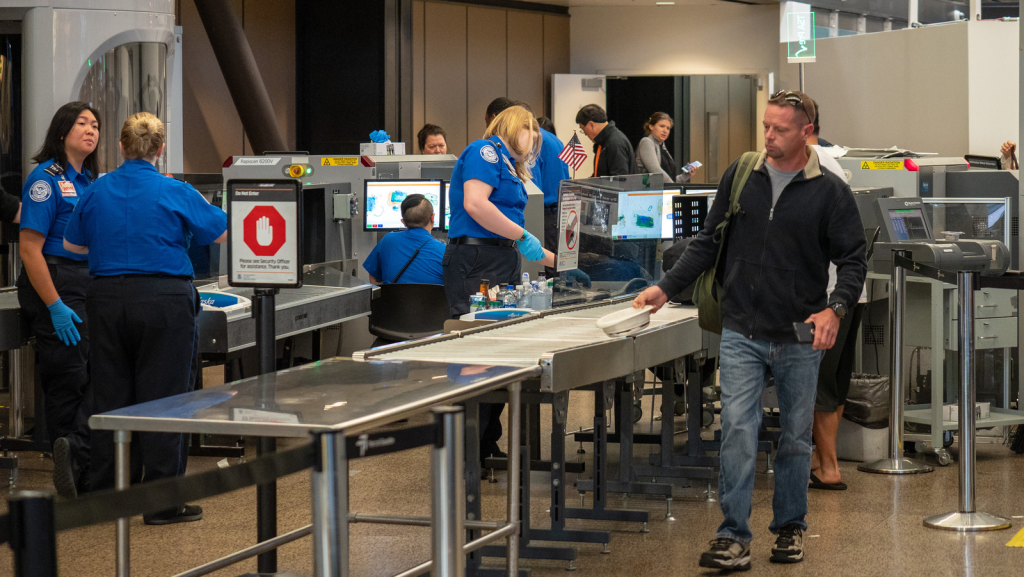
6. Carrying large amounts of powder without separating it
Protein powder, coffee, baby powder, spices, and similar products are not automatically banned, but quantity changes the checkpoint experience. Powders over 12 ounces are subject to additional screening, and when they are packed deep inside a carry-on, officers may need to search around them to figure out exactly what they are seeing. This category gets attention because powders can appear as dense, uniform masses. Separating them does not rewrite the rules, but it can make the screening process far less disruptive.
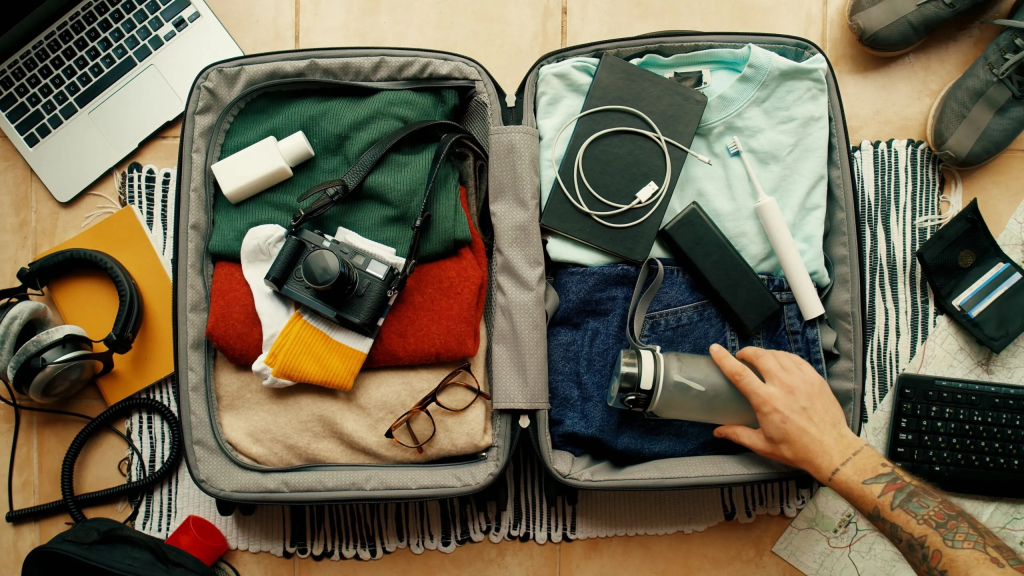
7. Grouping dense food, books, or bulky souvenirs together
Some permitted items consistently earn a second glance because of how they appear on a scanner. Thick stacks of books, blocks of cheese, wrapped candy, candles, chocolate, and souvenir pieces with unusual shapes can all read as dense clusters. The issue is not that these items are forbidden. The problem is visual ambiguity. When several dense objects sit together, the bag may be opened simply so officers can confirm what the image is showing.
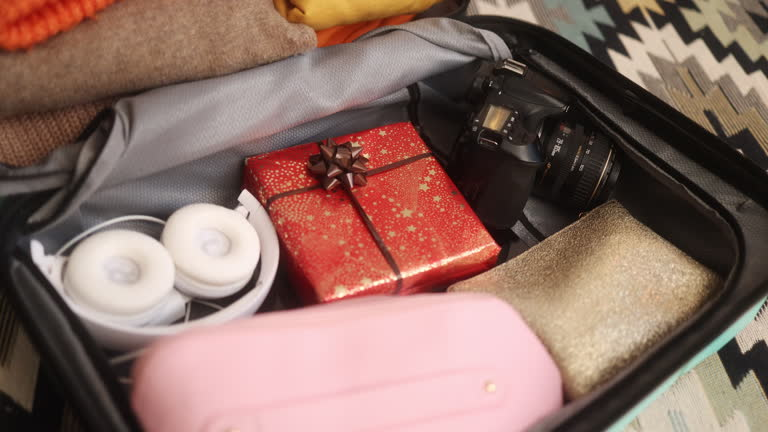
8. Wrapping gifts before arriving at the airport
Wrapped presents are neat for travel, but they are awkward for security. Decorative paper and tape can hide the exact form of an item, which means a scanner image may not be enough on its own. That can leave travelers opening a present at the checkpoint instead of at the destination. Gift bags or unwrapped items are easier to inspect and far easier to repack.
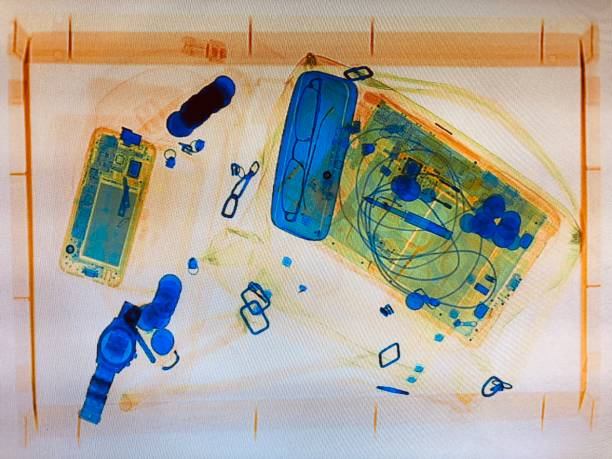
9. Letting small loose items scatter through every compartment
Coins, keys, lip balm, jewelry, memory cards, and other tiny essentials rarely cause trouble by themselves. Together, they create visual noise. Spread across pockets and corners, they clutter the image and make a bag look more complicated than it really is.
A pouch solves more than convenience. It keeps small belongings from disappearing into the bag, and it gives screeners a cleaner view of everything else. The pattern behind many bag checks is simple: clutter, density, and blocked visibility. Airport security is built to move quickly when items are easy to identify, and it slows down when ordinary belongings are packed in ways that make them harder to read.
A more organized carry-on does not guarantee a perfect checkpoint experience, but it usually lowers the odds of a bag pull. In many cases, the difference between breezing through and standing at the inspection table comes down to packing, not prohibited items.

