
Some TV exits are just plot turns. Others redraw the emotional map of an entire series. In these cases, an actor’s death did more than force a rewrite. It locked a character into television history, turning absence into part of the show’s identity long after episodes kept airing, replacements arrived, or revivals tried to move forward.

1. Finn Hudson, Glee
Finn Hudson was never just the high school quarterback who wandered into show choir. He was the emotional hinge of Glee, connecting the series’ underdog heart to its pop spectacle. After Cory Monteith died in 2013 at 31, the show paused and eventually centered its grief in the season five tribute episode “The Quarterback”.
The series chose not to explain how Finn died, which kept the episode focused on grief rather than mechanics. That decision gave the character an unusual permanence. Even when Glee kept moving, Finn remained the person the show seemed to be measuring itself against.
2. Mr. Hooper, Sesame Street
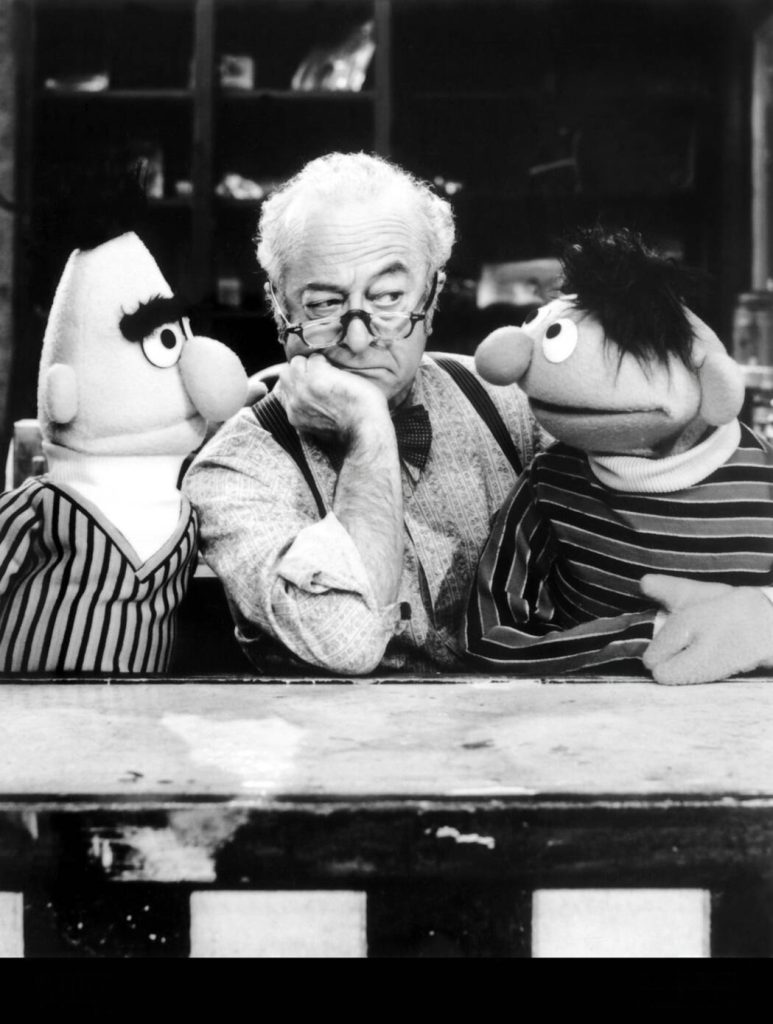
Mr. Hooper’s place in television history goes beyond warm memories of Hooper’s Store. After Will Lee died in 1982, Sesame Street refused the easier options of recasting or quietly sending the character away. Instead, the series built “Farewell, Mr. Hooper” into a direct lesson about loss for children.
That episode became one of the clearest examples of children’s television treating death with honesty and gentleness. The show did not hide the sadness, but it also did not overwhelm its audience. Mr. Hooper ended up defining not only early Sesame Street, but also its larger educational purpose.
3. Ernie “Coach” Pantusso, Cheers
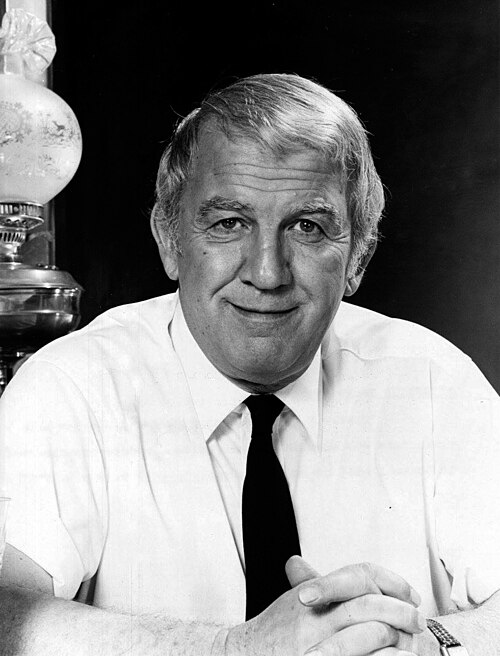
Before Woody Boyd walked into the bar, Coach gave Cheers much of its softness. Nicholas Colasanto’s bartender was forgetful, affectionate, and essential to the feeling that the series was more than a workplace sitcom. After Colasanto died in 1985, the show killed off Coach at the start of season four.
Woody Harrelson helped the series evolve, but Coach never stopped feeling foundational. His absence sharpened what the early years had been: a comedy built as much on comfort as on jokes. That warmth still clings to the show’s identity.
4. Livia Soprano, The Sopranos
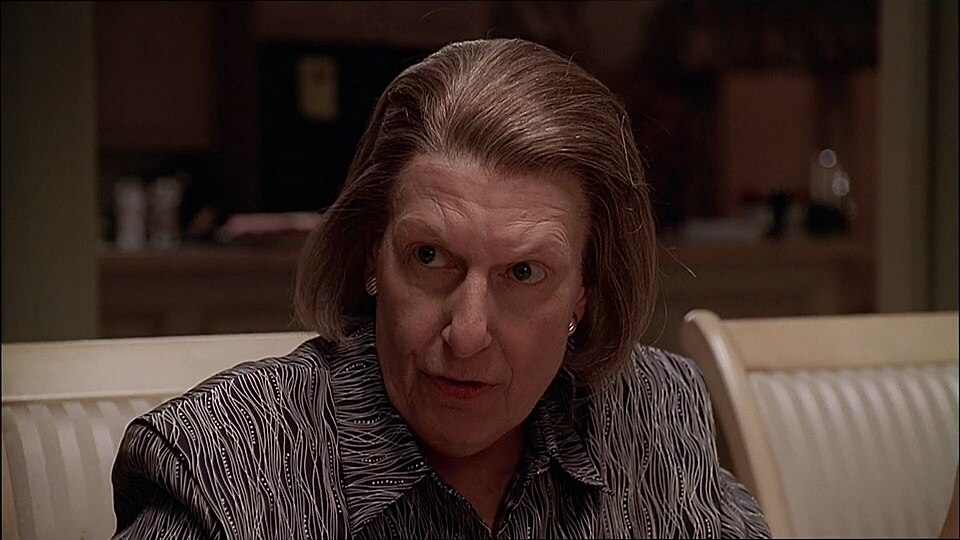
Livia Soprano had one of the most unsettling presences in TV drama, and Nancy Marchand made every scene feel dangerous even when the character barely moved. After Marchand died in 2000, the series abandoned an intended storyline and gave Livia one final appearance assembled from existing material and digital effects before killing the character off.
Her run was relatively brief, but the damage she inflicted on Tony Soprano lasted for the rest of the series. The guilt, resentment, and emotional paralysis that drove so much of the show all circled back to her. Few characters shaped a drama so completely while appearing in so little of it.
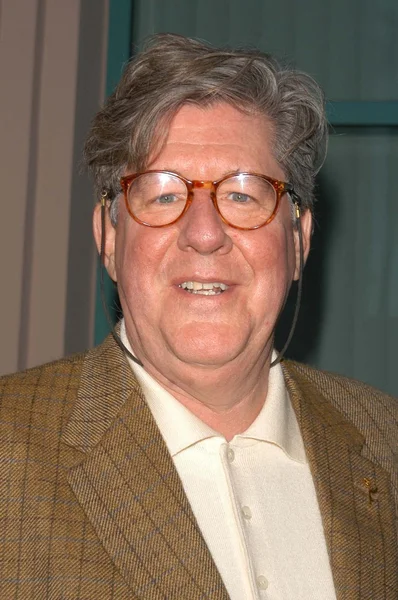
5. Richard Gilmore, Gilmore Girls
Edward Herrmann gave Richard Gilmore his authority, restraint, and dry humor, making him far more than the family patriarch seated at Friday night dinner. When Herrmann died in 2014, Gilmore Girls: A Year in the Life treated Richard’s death as a major turning point instead of background information.
That choice revealed how structurally important he had always been. Richard was one half of the force that shaped Lorelai and Rory’s world, and his absence changed the balance of the entire family. The revival’s emotional reset depended on the silence he left behind.
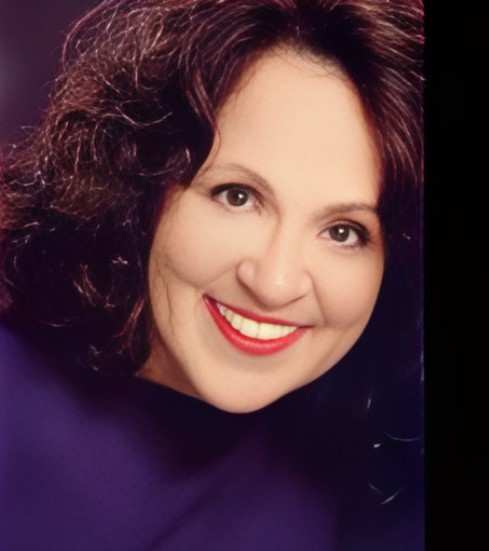
6. Debbie Wolowitz, The Big Bang Theory
Mrs. Wolowitz was rarely seen, yet Carol Ann Susi’s voice became one of the signature sounds of The Big Bang Theory. After Susi died in 2014, the show said the character had died in her sleep while visiting family in Florida.
It was a reminder that screen time is not the same thing as impact. Debbie’s off-camera shouting was part of Howard’s identity and part of the sitcom’s rhythm. Once that voice was gone, the series lost a comic texture that no new character could really replace.
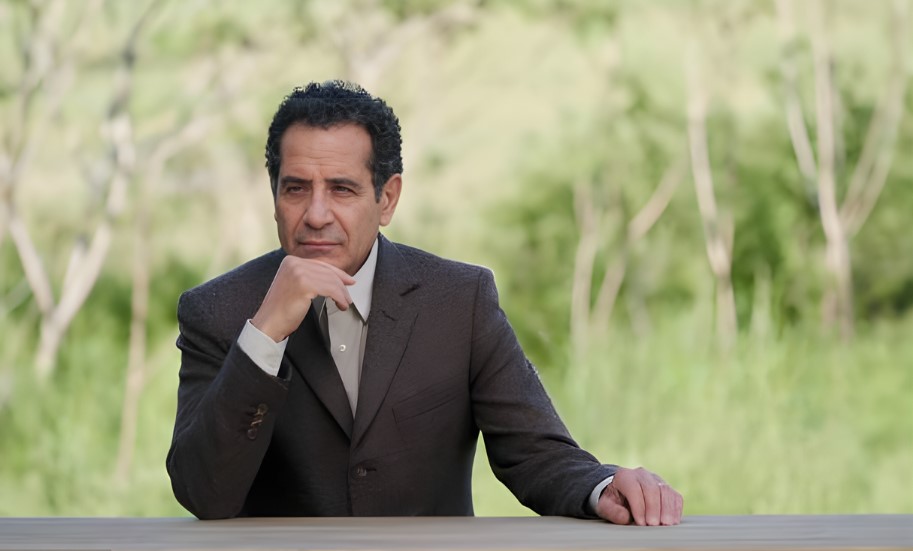
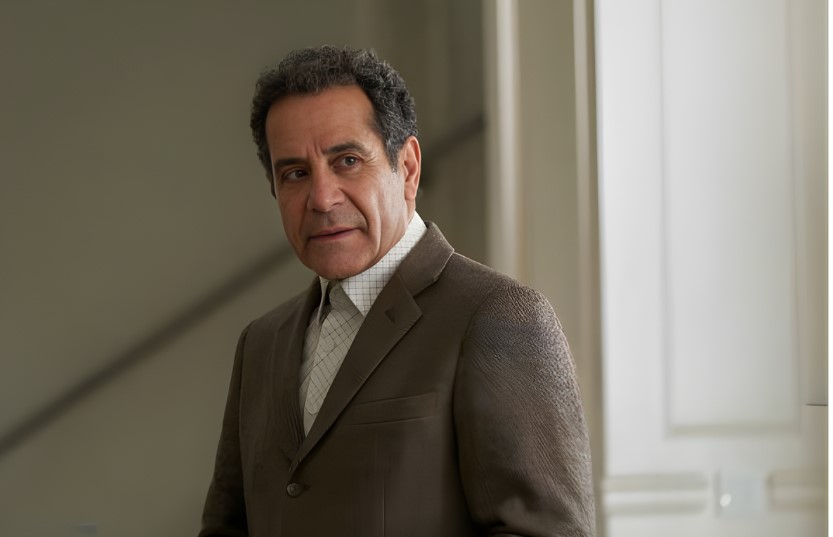
7. Dr. Charles Kroger, Monk
On a show built around Adrian Monk’s fears and compulsions, Dr. Charles Kroger provided calm. Stanley Kamel’s performance made the psychiatrist feel less like a supporting utility player and more like the emotional stabilizer of the series. After Kamel died in 2008, the character was also written as dying of a heart attack.
Monk introduced a new therapist, but the transition highlighted what Kroger had represented all along: patience, trust, and continuity. Without him, the detective story looked a little more fragile, which in turn revealed how much humanity he had quietly carried.
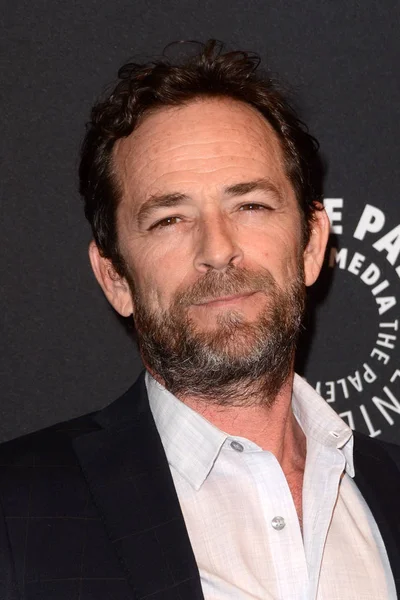
8. Fred Andrews, Riverdale
In a series known for going big, Fred Andrews grounded everything around him. Luke Perry played Archie’s father with a steadiness that cut through the show’s more heightened turns. After Perry died in 2019, the season four tribute revealed Fred had died while helping a stranded motorist.
The ending matched the character’s moral role in the series. Fred was decency without flash, and that made him stand out even more in Riverdale. The tribute worked because it preserved the exact quality viewers had attached to him from the start.
9. Mayor Adam West, Family Guy
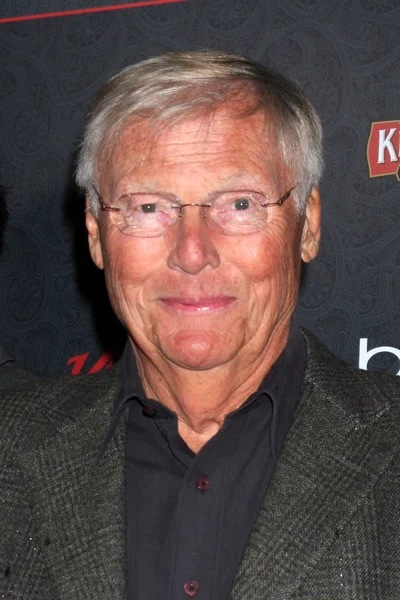
Mayor Adam West was one of television’s oddest recurring characters: a fictionalized version of Adam West voiced by Adam West himself and played at a pitch only Family Guy could sustain. After West died in 2017, the series briefly used recorded material before fully folding the loss into the show.
That character was more than a running gag. He embodied the series’ love of absurd detours and deadpan nonsense, which made him feel inseparable from its comic identity. In a crowded animated universe, Mayor West still felt impossible to duplicate.
10. Edna Krabappel, The Simpsons
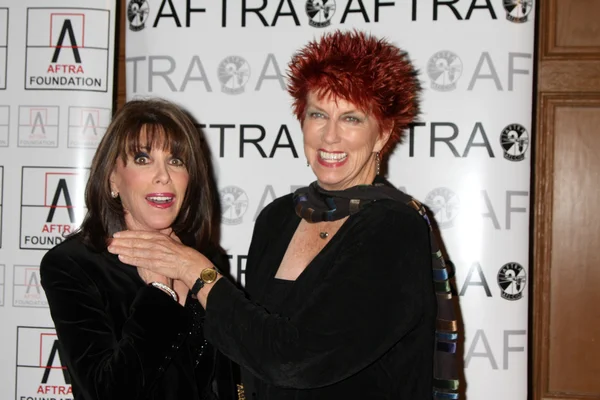
Edna Krabappel brought something The Simpsons always needed: adult exhaustion sharpened into comedy. Marcia Wallace’s performance gave Bart’s teacher wit, bitterness, and surprising tenderness. After Wallace died in 2013, the series gradually moved from retirement-style references to later memorial touches, including a 2021 tribute using archival audio.
The slow farewell fit the character. Edna was woven into Springfield’s fabric so thoroughly that removing her all at once would have felt unnatural. Her legacy stayed visible because she represented one of the show’s smartest adult perspectives.
Television has always found ways to continue. Characters get replaced, stories pivot, and writers invent reasons to keep a familiar world running. But some performances resist that kind of replacement. These characters did not simply leave their shows; they became part of how those shows are remembered, discussed, and revisited years later.

