

Science fiction has long done more than fill screens and bookshelves. It has supplied a working language for new machines, a testing ground for social anxieties, and a surprisingly durable set of images that engineers, teachers, and audiences keep returning to. Its influence is easiest to miss when it feels ordinary. A handheld communicator becomes a phone, an artificial person becomes an ethics debate, and an alien society becomes a mirror pointed back at familiar assumptions.
1. It gave inventors a visual target
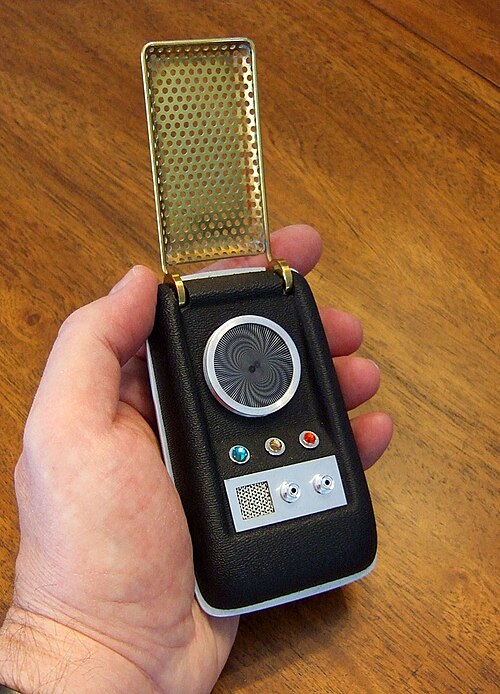
Some of the clearest links between fiction and real technology come from inventors who said so directly. Martin Cooper, who led development of the first mobile phone at Motorola, credited “Star Trek” as part of the inspiration, saying, “That was not fantasy to us, that was an objective.” The pattern appears again and again in the historical record, from submarine pioneer Simon Lake drawing motivation from Jules Verne to rocket scientist Robert H. Goddard tracing his fascination with spaceflight to H.G. Wells.
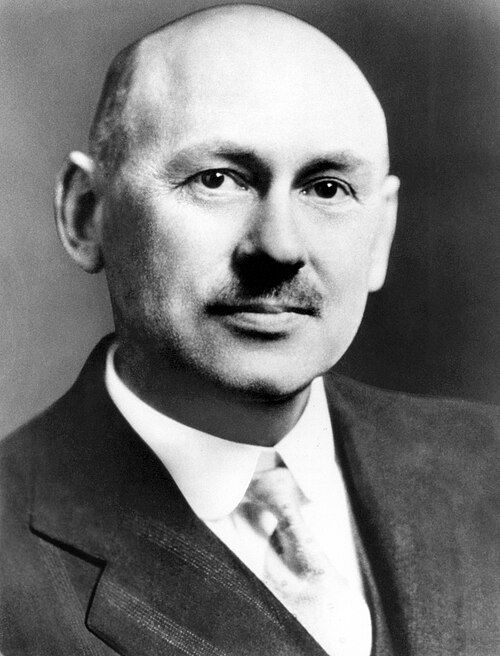
That matters because science fiction rarely hands over a blueprint in the engineering sense. It supplies a destination. A device on a page or screen can make a technical idea feel tangible enough for someone to chase for years, which helps explain why so many later inventions resemble objects audiences already recognized in fiction.

2. It helped normalize devices that once looked absurd
Many technologies now treated as routine were introduced to mass audiences as speculative props. Pocket communication, wearable screens, voice interfaces, video calling, and smart homes all appeared in fiction long before they became consumer habits.
A sprawling historical record of existing technologies predicted in science fiction shows how often fiction named or described tools that later entered everyday life. Once a culture has already imagined a machine, its arrival feels less alien. Science fiction softens the shock of adoption by letting people rehearse the future in advance.

3. It turned classrooms into laboratories for cultural self-examination
Science fiction is also used far beyond entertainment. At the University of Oregon, an anthropology course built around aliens and speculative worlds uses fiction to teach students how culture shapes behavior and belief. The course highlights how invented societies can sharpen ideas such as cultural relativism by making familiar norms look strange.
Professor Phil Scher explained the value of that approach in precise terms: “The alien culture is used to throw into stark relief how we are in the world, or what our beliefs are, or what our assumptions are about being human.” That is one reason anthropological science fiction remains so durable. It is less interested in gadgets than in what people mistake for universal truth.
4. It gave society a safe way to confront fear
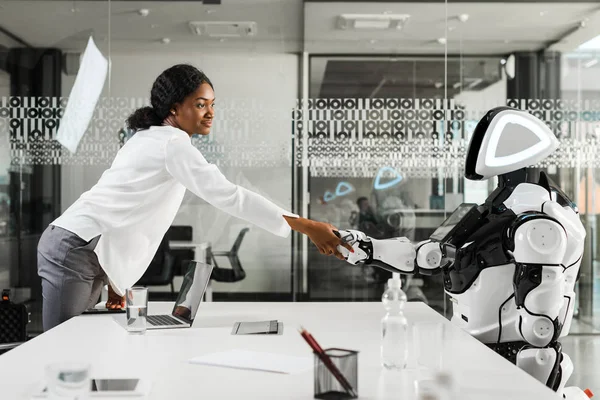
Dystopian and speculative stories often endure because they relocate present-day tensions into unfamiliar settings. Surveillance, ecological strain, corporate power, dehumanization, and social exclusion become easier to examine when they appear through futuristic governments, synthetic humans, or collapsing worlds. The distance is artificial, but the emotional effect is not.
This is where science fiction becomes unusually useful. It can take a difficult issue and remove just enough immediacy for audiences to think instead of flinch. That is why stories like “Nineteen Eighty-Four,” “The Handmaid’s Tale,” and “Blade Runner” continue to circulate in cultural debate long after their release.
5. It pushed the question of what counts as human
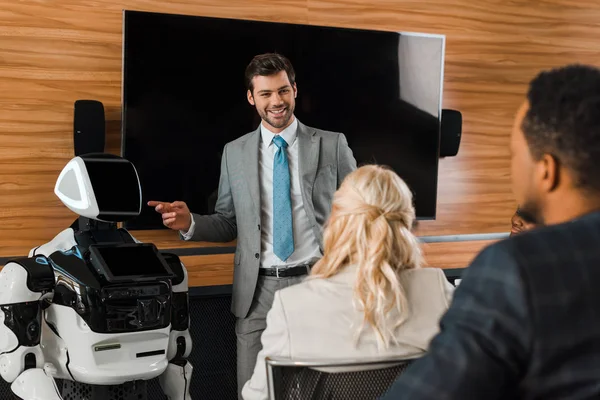
Few science-fiction ideas have proved more persistent than the artificial person. Replicants, androids, and sentient machines are not only dramatic characters; they are a way of testing assumptions about empathy, memory, agency, and moral worth. In “Blade Runner,” the unease comes from how thin the boundary appears once an engineered being can suffer, reflect, and resist.
Scher framed the issue with a line that reaches well beyond one film: “We often think there are bright lines between humans and robots or animals, like our capacity for agency, empathy, morality, memory, consciousness and self-reflection.” That question has only grown more relevant in an era shaped by AI systems, machine assistants, and expanding debates over automation.
6. It shaped the language of emerging design fields
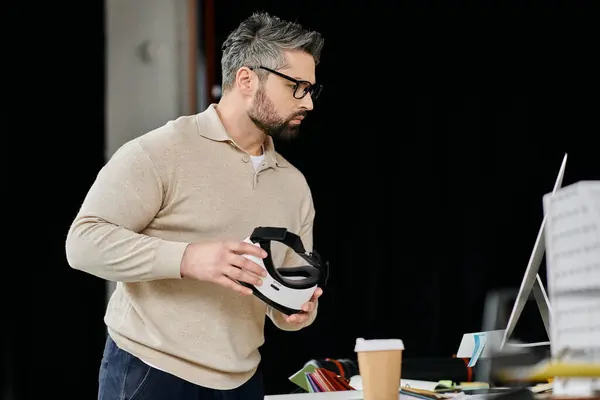
Science fiction now influences not just invention but also design strategy. Researchers have examined how speculative storytelling informs human-computer interaction design, especially in areas involving implantables, AI companionship, and digital identity. The point is not prediction for its own sake. It is scenario building.
When designers and researchers borrow from science fiction, they are often stress-testing how a tool might change behavior, privacy, trust, or grief before that tool fully arrives. The genre’s real contribution is not prophecy. It is rehearsal.

7. It widened who gets to imagine the future
Science fiction has never been one uniform style. Cyberpunk, space opera, post-apocalyptic fiction, steampunk, and Afrofuturism all frame the future through different assumptions about power, identity, and belonging. That variety matters because imagined futures are never neutral; they reflect who is centered, who is excluded, and whose history gets carried forward.
Afrofuturism in particular expanded the cultural work of the genre by linking imagination, technology, and liberation. Anthropological science fiction did something similar from another angle, asking readers to step into social arrangements that disrupt inherited ideas about gender, race, kinship, and authority. The future became less like a single destination and more like a contest over perspective.

Science fiction keeps its grip on culture because it works on two levels at once. It entertains with scale and strangeness, then slips into everyday life through design choices, classroom questions, and public arguments about technology. The result is not a world copied from fiction, but a world repeatedly nudged by it. Long before a device arrives or a social debate explodes, science fiction has often already given people the image, the warning, and the vocabulary.

