
The mythology of the American West favored clean outlines: a fast draw, a fixed stare, a duel at high noon. The people later cast into those roles were usually far messier than the stories that followed them.
Some were made famous by magazines, some by autobiographies, and some by later films that preferred dramatic silhouettes to documentary texture. In many cases, the real record shows debts, courtrooms, exaggeration, rumor, and lives that looked less like legend in the moment than like improvisation under pressure.
1. Wild Bill Hickok
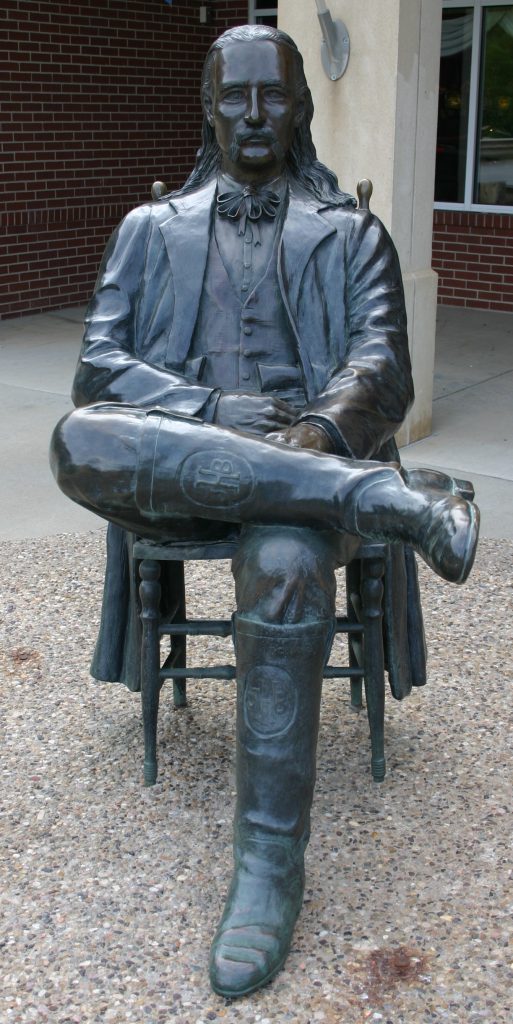
James Butler Hickok became one of the central templates for the frontier gunfighter, but the incident that most helped shape that image was not a roaming career of cinematic duels. It was the 1865 Springfield shootout with Davis Tutt, a quarrel rooted in gambling debt, wounded pride, and a gold watch. Later retellings made the encounter look like a prototype for every Western showdown that followed. The surviving context is less polished. Hickok and Tutt knew one another, drank and gambled in the same circles, and argued over the amount owed after card play. According to period reporting, Hickok warned, “Don’t you come across here with that watch.” The deadly exchange that followed turned him into a national figure after a Harper’s article amplified his image. Yet the historical record also shows arrest, a manslaughter charge, and a trial ending in acquittal. The legend began not in pure heroism, but in a public dispute that escalated beyond recovery.
2. John Wesley Hardin
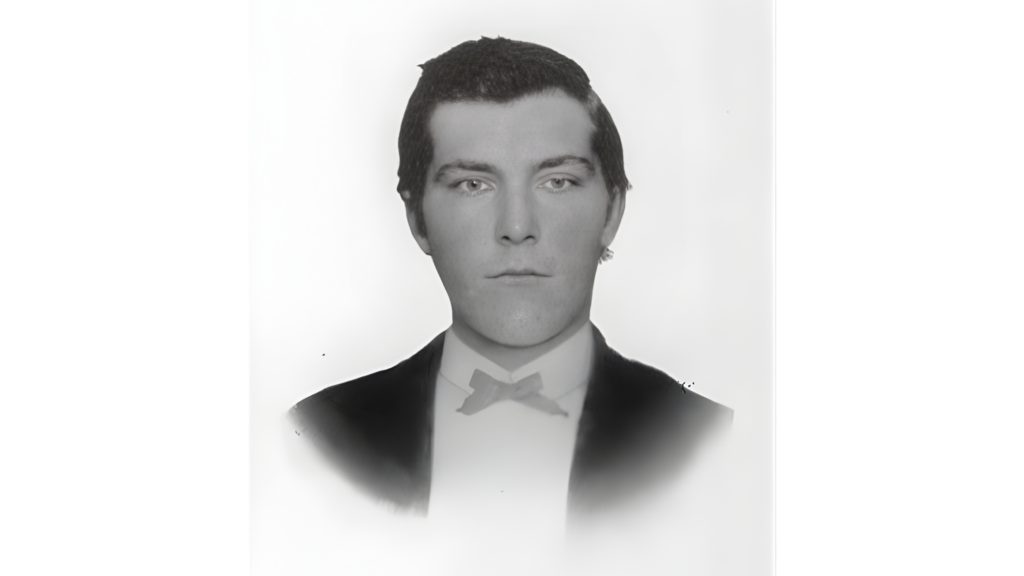
Few Western names arrived wrapped in more fear than John Wesley Hardin’s. He cultivated that reputation himself, and that is part of the problem for anyone trying to separate fact from performance. Hardin claimed astonishing body counts and spent years feeding his own notoriety through autobiography and retelling. Even modern summaries note that many of his stories cannot be corroborated. He was unquestionably violent, pursued by lawmen, imprisoned for murder, and later studied law behind bars. But the familiar version of Hardin as an almost superhuman quick-draw machine depends heavily on claims that historians have repeatedly treated with caution. Even his supposed confrontation with Wild Bill Hickok in Abilene remains disputed, with one western account noting that the scene rests largely on Hardin’s own late recollection. The result is a figure whose fame rests partly on his crimes and partly on his talent for self-invention.
3. Belle Starr
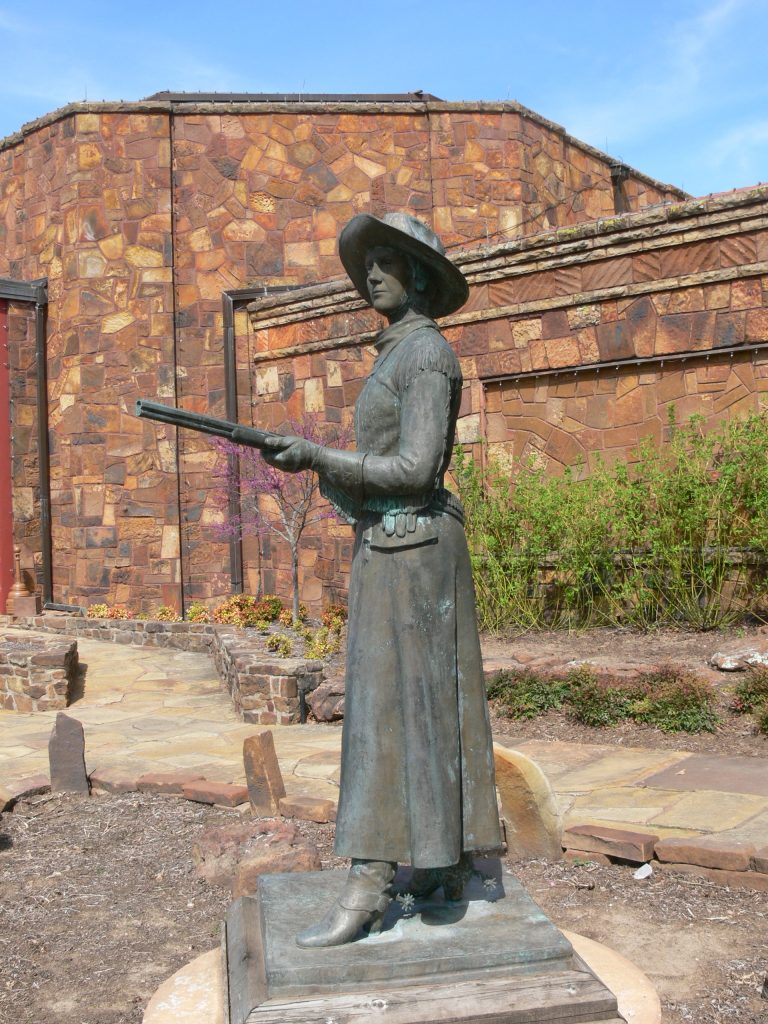
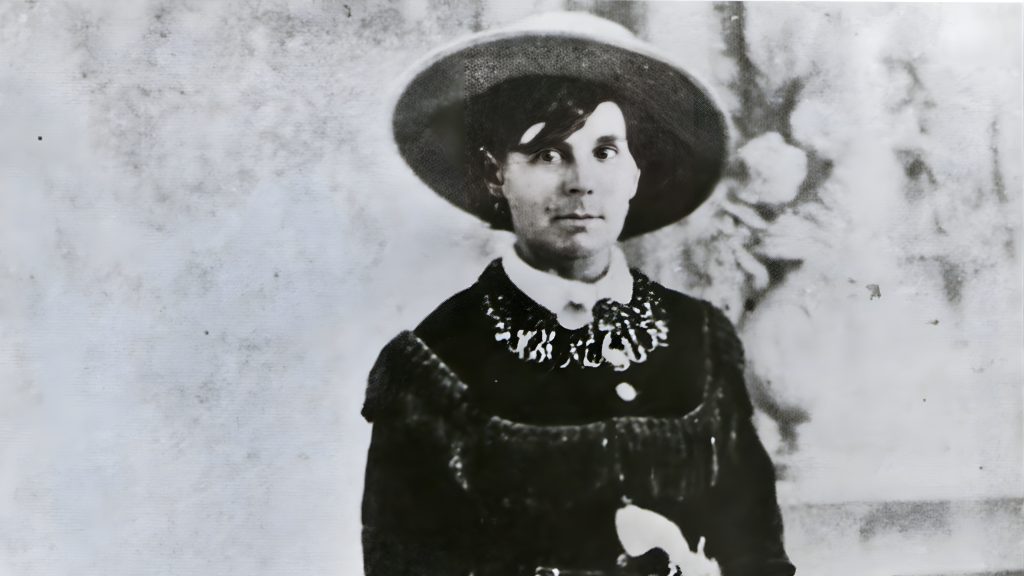
Belle Starr entered popular memory as the “Bandit Queen,” draped in outlaw glamour. Her real life was less a continuous spree than a long accumulation of association, scandal, and later embellishment. Born Myra Maybelle Shirley, she was educated at a female academy, moved through the upheaval of the Civil War era, and later married into circles connected with rustling and outlaw traffic. But the historical record is notably narrower than the legend. The Oklahoma Historical Society states that her only documented crime was horse theft in 1882. That contrast matters. After her violent death in 1889, publishers and popular fiction rapidly enlarged her into a frontier antiheroine, turning an already colorful life into something closer to folklore. Her afterlife in film and pulp culture did much of the work that history alone could not.
4. Davis Tutt
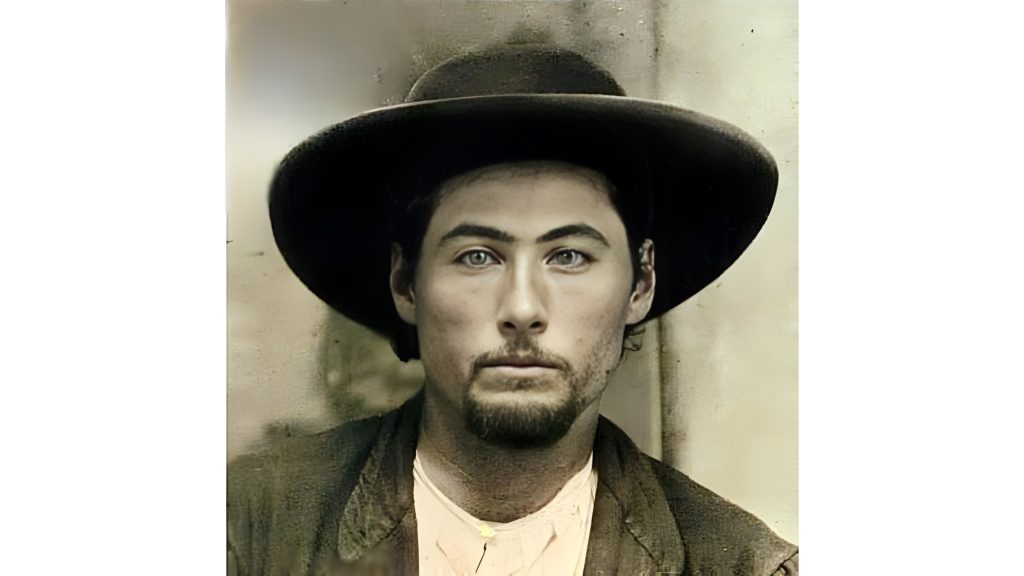
Davis Tutt is usually remembered as the man Wild Bill Hickok dispatched, which leaves him flattened into a supporting role in someone else’s legend. The record suggests a more revealing part: he was essential to the making of the myth itself. Tutt was a gambler, a Confederate veteran, and a man already dealing with legal and financial trouble in Springfield.
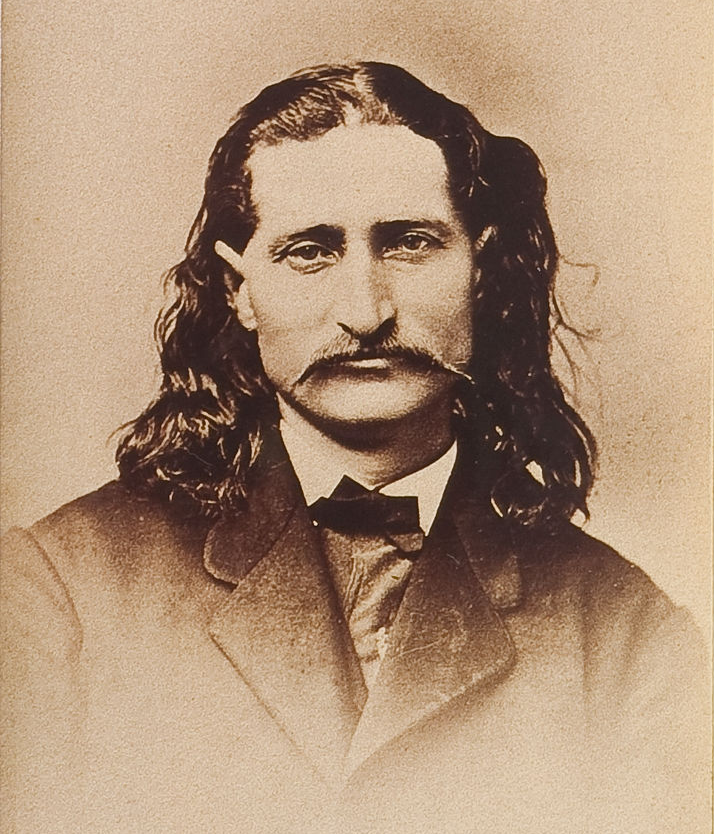
Research from the Springfield-Greene County Library District argues that the famous duel has long been distorted by retelling and that the conflict grew out of post-Civil War tension, gambling, and disputed debt more than frontier nobility. In that version, Tutt was not merely a doomed foil standing in the street for a perfect Western tableau. He was one half of a local quarrel between two armed men in a town still unsettled by war and instability. Without Tutt, Hickok’s legend may never have taken the shape it did.
5. Sam Starr
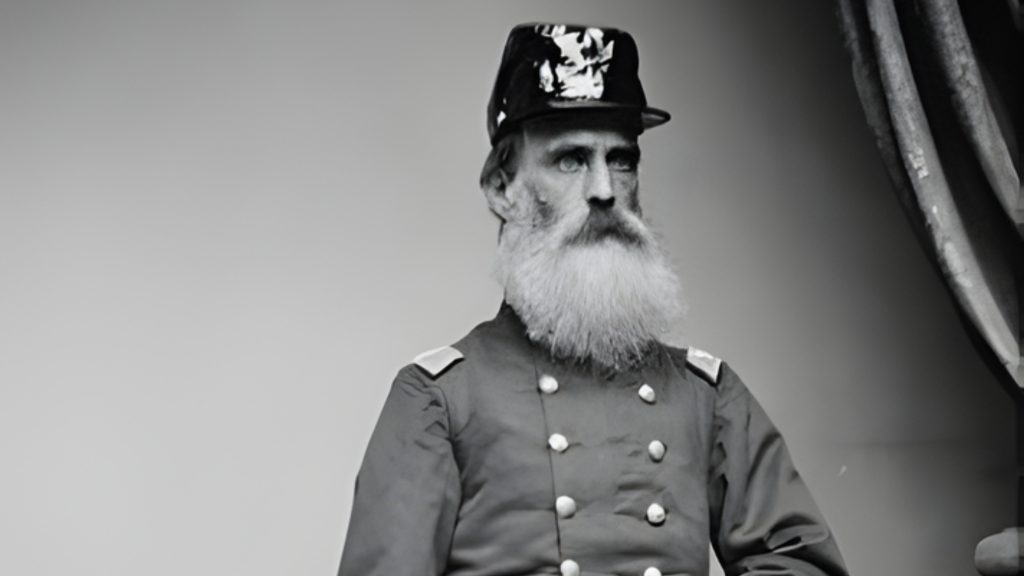
Sam Starr never achieved the same mythic afterlife as his wife Belle, but his life helps expose how outlaw fame was often built around households and networks rather than lone riders. A Cherokee man connected to the Starr family, he and Belle settled in Indian Territory, where their home became associated with people moving stolen stock and illicit goods.
That reality lacks the neatness of a solitary gunfighter tale. It points instead to an organized social world of kinship, shelter, bribery, and repeated contact with the law. Sam was charged with horse theft alongside Belle, and his death in a gunfight with a relative who was also a law officer collapsed the boundary that popular legend liked to keep clear. On the ground, the West often involved overlapping families, shifting loyalties, and violence inside familiar circles rather than anonymous duels between pure enemies.
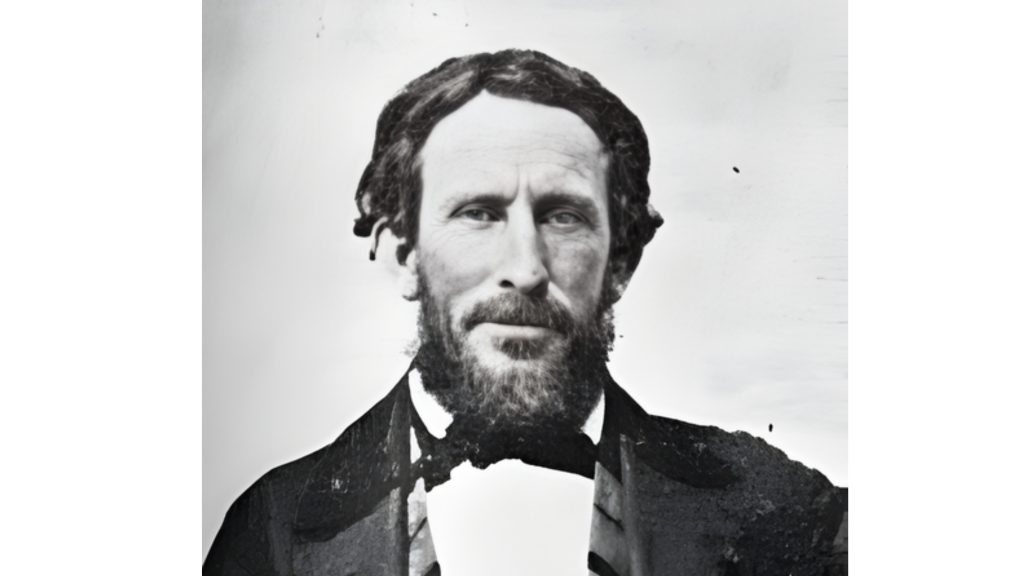
6. James Reed
James C. Reed survives in frontier memory mostly because Belle Starr married him, but his life reveals how quickly Western legend can compress a complicated biography into a single label. Reed farmed, drifted toward crime, moved his family repeatedly, and became entangled with robbery accusations and gang associations before his death in Texas. That trajectory was unstable rather than iconic. He was not remembered as a master gunfighter standing apart from ordinary life. He was a husband, father, fugitive, and failed settler whose choices pulled his family into increasingly dangerous company.
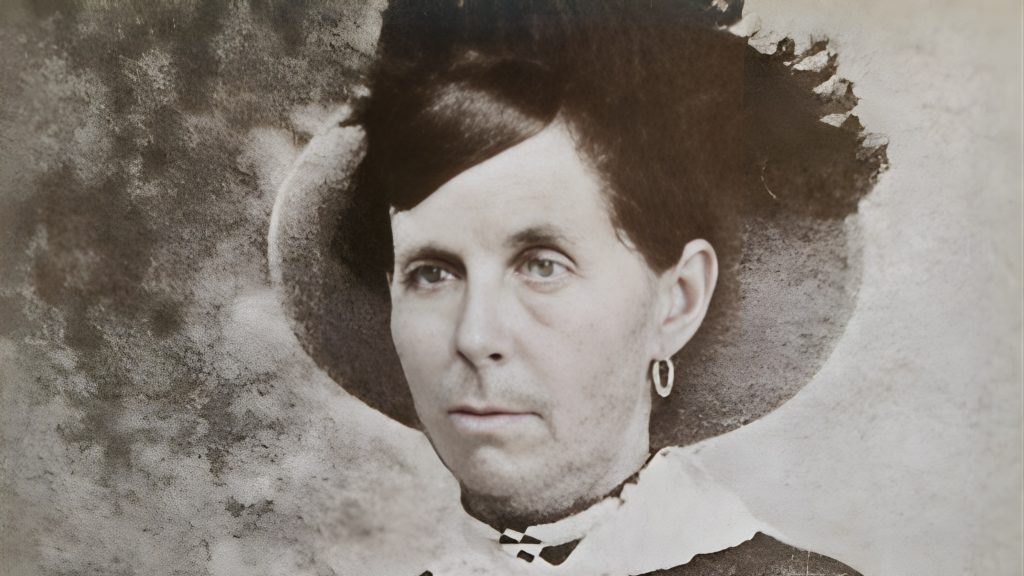
His story undercuts the idea that the West’s famous outlaws always began as larger-than-life figures. Some became memorable precisely because domestic life, criminality, and local reputation collapsed into one another. What survives from these lives is not a tidy correction so much as a different kind of fascination. The West’s famous gunfighters were often less singular, less certain, and less theatrical than the culture that inherited them. The legends lasted because they were easy to tell. The lives behind them were harder, stranger, and far more revealing.

