
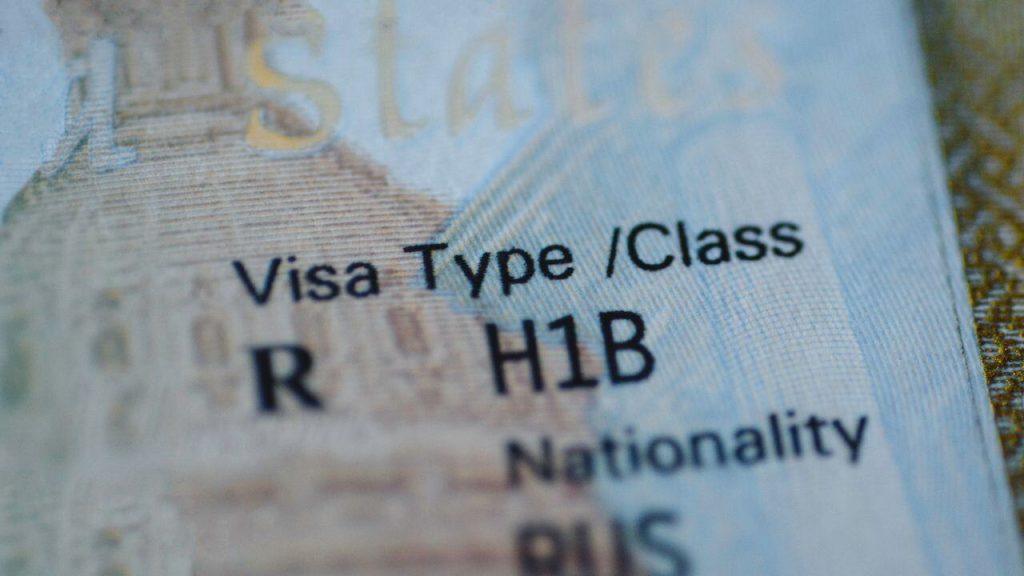
A six-figure filing cost has started to reshape how large employers handle one of the country’s best-known skilled-worker pipelines. Instead of treating H-1B hiring as a routine part of recruiting, some major companies are pausing, narrowing, or rethinking sponsorship altogether.
The shift matters beyond immigration paperwork. H-1B workers are concentrated in technical, research, engineering, and specialized business roles, so a sudden change in employer behavior affects hiring plans, internal mobility, and where high-skill work gets done.
1. Walmart has already paused some offers tied to new H-1B needs
Walmart, the country’s largest private-sector employer, told CNN that it is pausing job offers for foreign candidates who need H-1B visas. The move followed the new $100,000 fee on new H-1B petitions, which sharply changed the economics of bringing in overseas hires. The company’s statement was cautious rather than sweeping. “Walmart is committed to hiring and investing in the best talent to serve our customers, while remaining thoughtful about our H-1B hiring approach,” a Walmart spokesperson told CNN. That wording points to a narrower but still meaningful reality: companies do not need to abandon global recruiting entirely for the policy to have an immediate chilling effect.

2. Big tech can absorb more, but that does not mean business as usual
Large technology firms are among the biggest users of H-1B talent, and experts cited by Northeastern University said companies such as Amazon, Google, Microsoft, IBM, and Meta may be better positioned to absorb added costs than smaller peers. Even so, absorbing a fee is different from ignoring it. A six-figure charge on a new petition creates pressure to reserve sponsorship for only the most specialized roles. That changes internal calculations. Roles that once would have been filled through international recruiting may now be delayed, shifted to a different office, or redesigned around existing staff. The largest firms may remain active in H-1B hiring, but the bar for when sponsorship makes sense has plainly moved upward.

3. Mid-sized employers and startups face the hardest trade-offs
The sharpest disruption may land below the Fortune 500. Northeastern experts said startups and mid-sized firms would be hit hardest because they have less room to spread the added cost and fewer alternative staffing channels. That matters because younger companies often hire for narrow technical needs at moments when speed matters most. A startup building a machine learning team or a mid-sized manufacturer expanding software operations may not have the scale to carry an extra $100,000 per new overseas hire. In that environment, “freezing sponsorship” can take several forms: withdrawing offers, limiting sponsorship to senior roles, avoiding candidates abroad, or hiring outside the United States instead. The result is less about one headline decision and more about a broad retreat from routine sponsorship.

4. Many current H-1B workers are not the main target of the fee
The policy is broad in impact but narrower in mechanics than early reactions suggested. USCIS guidance clarified that the fee generally applies to employers bringing in workers from abroad on new H-1B petitions, not standard extensions or many in-country status changes. According to USCIS clarification on the fee’s scope, current H-1B workers extending status are not automatically caught by the new charge. That means some companies may keep existing employees while becoming far more reluctant to sponsor fresh overseas hires. The visible freeze, then, is strongest at the front door of recruiting rather than across every part of the H-1B system.

5. Employers now have a stronger incentive to move work elsewhere
When onsite hiring becomes much more expensive, companies start looking at location strategy, not just headcount. Forrester projected that the fee would push service providers and enterprise clients toward more offshore and nearshore delivery, especially for work that can be handled remotely. The firm said buyers should expect more offshore execution and higher delivery costs. That is one reason sponsorship freezes are not only a labor story. They also reflect a restructuring of where projects happen, which teams collaborate in person, and which jobs remain based in the United States.

6. The policy lands hardest in fields already dealing with STEM shortages
H-1B visas were created for specialty occupations that require highly specialized knowledge, and the pressure points remain concentrated in STEM. Northeastern researchers noted persistent shortages in technical roles, especially at the advanced-degree level, where foreign-born talent represents an outsized share of the workforce.
That context helps explain why a sponsorship freeze has consequences beyond recruiting inconvenience. In highly specialized fields, replacing one candidate is not always straightforward. A company may continue searching longer, shift deadlines, or narrow the scope of a project rather than filling the role quickly with a domestic alternative.

7. The hiring chill may outlast the first wave of announcements
Even where no formal public freeze has been announced, the policy creates enough uncertainty for employers to become more selective. Legal guidance published after the change showed that companies were trying to determine which petitions count as “new,” how travel and status changes interact with the fee, and where exemptions might apply. That uncertainty changes behavior on its own. Recruiters may lean toward candidates already authorized to work in the United States.

Hiring managers may avoid overseas searches unless the role is critical. In practical terms, a freeze does not always arrive as a press release. Sometimes it shows up as a quieter narrowing of who gets considered at all. The larger pattern is less about a single company decision than a new threshold for sponsorship. Large employers may keep some H-1B pathways open, but the routine use of new petitions has become much harder to justify. For workers, universities, and employers, the immediate signal is clear: the $100,000 fee has turned H-1B sponsorship from a standard talent tool into a far more selective bet.

