
For many fans, an autograph used to feel like the simplest celebrity souvenir: a signature, a quick smile, and a story to tell later. That exchange has changed. For some actors, refusing to sign is less about coldness and more about boundaries, privacy, or frustration with a resale market that turns a personal moment into inventory. A growing number of stars have made it clear that they still value fans, but not always the ritual of putting pen to paper.
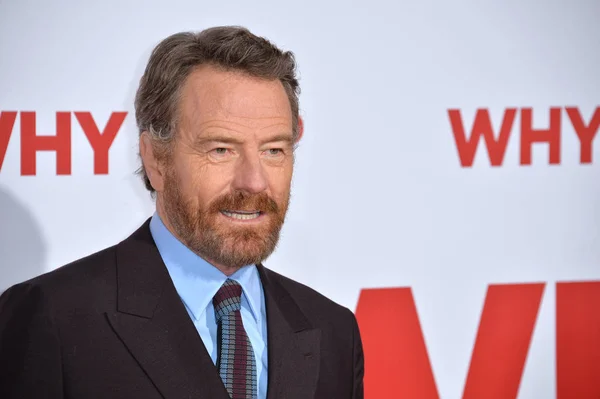
1. Bryan Cranston chose selfies over signatures
Bryan Cranston publicly drew a line in 2018 after years of signing memorabilia. He said he was “retiring” from autographs after being overwhelmed by the sheer volume of requests, while still leaving room for photos and in-person interactions. That distinction mattered because it showed a shift, not a complete shutdown. Instead of treating every request as identical, Cranston framed the problem as one of scale. The autograph had become a constant demand rather than a spontaneous gesture. His approach reflected a broader celebrity pattern: preserving fan contact, but in a form that feels faster, more personal, and harder to resell.
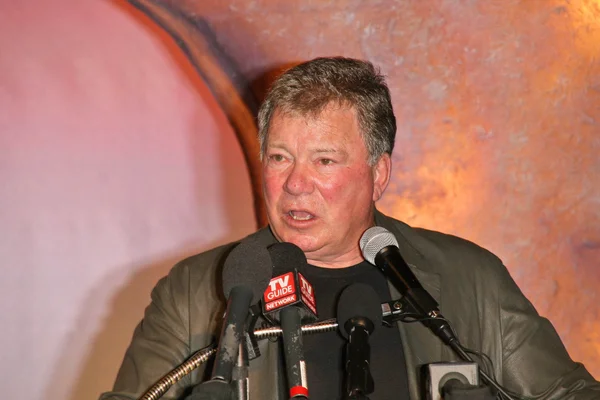
2. William Shatner only wants autographs in controlled settings
William Shatner has been unusually direct about where he will and will not sign. In public places like airports, he has argued that one signature quickly becomes a crowd, making private time effectively impossible. He has pointed fans toward conventions instead, where the interaction is organized and expected. His reasoning is also practical. In a widely discussed exchange, Shatner explained that if he says yes once, he risks creating a line he cannot reasonably manage, a point echoed in his 2018 explanation about public autograph requests. The message was blunt, but the underlying issue was crowd control as much as fan access.
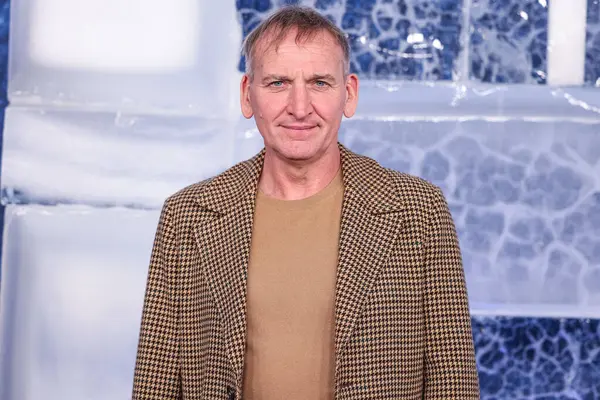
3. Christopher Eccleston rejects the autograph trade itself
Christopher Eccleston has separated fans from the business built around them. He has described the autograph industry in deeply negative terms and has made clear that what bothers him is not conversation with supporters, but the commercialization of that interaction. That stance helps explain why some performers are more comfortable offering a handshake or a brief chat than a signature. For Eccleston, the autograph is not always a keepsake; it can also be a product. Once that happens, the sincerity of the moment disappears.
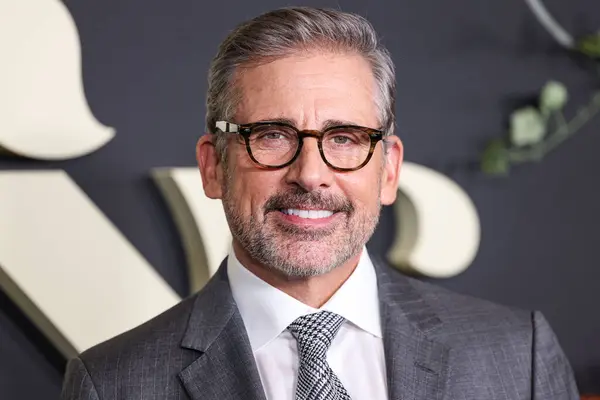
4. Steve Carell is wary of the reseller economy
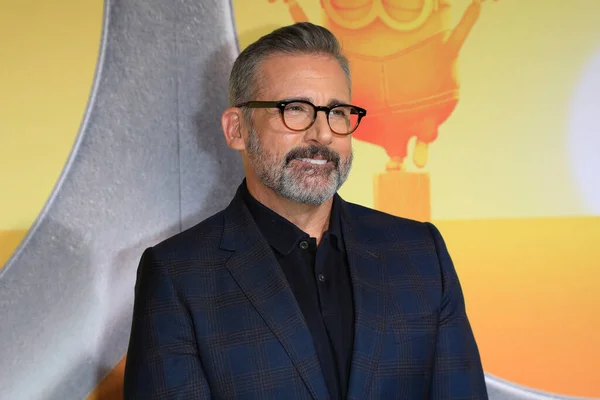
Steve Carell has been associated with the same concern: spotting the difference between a real fan and someone planning to flip a signed item online. That resale culture has become one of the biggest reasons celebrities pull back from autograph requests. Collectors can treat signatures like assets, and stars know it. Concerns over resale are part of why public figures have become more selective, especially as online marketplaces made forged and resold autographs easier to circulate. In that environment, refusing to sign can function as a form of self-protection.
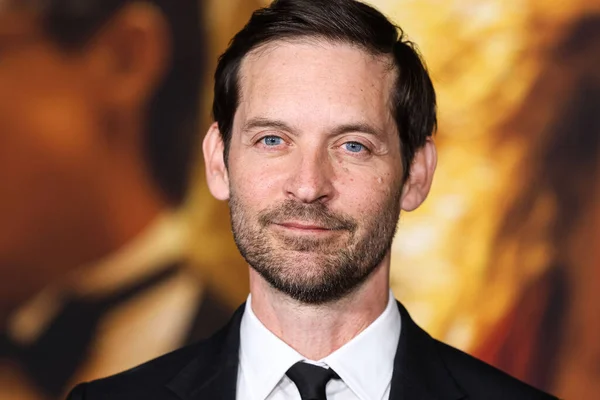
5. Tobey Maguire keeps fan contact separate from private life
Tobey Maguire’s reputation as a difficult autograph signer has followed him since the height of the first “Spider-Man” era. But his public comments suggest the issue is not simple hostility. He has drawn a distinction between work settings and personal time. When approached during everyday life, Maguire has said he is not interested in signing for people who appear to be collecting for profit. At events or in situations involving children and clear fans, he has been more open. That difference turned his autograph policy into a privacy rule rather than an absolute ban.
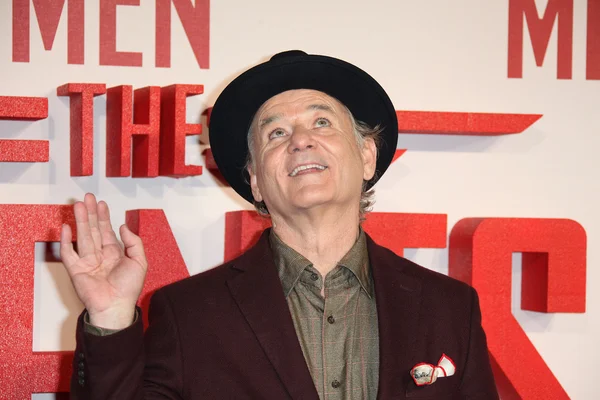
6. Bill Murray prefers the encounter, not the object
Bill Murray’s celebrity persona has always been difficult to reduce to a script, and his approach to autographs follows the same pattern. He is known less for signing and more for unpredictable, often funny interactions that become stories of their own. That approach replaces the keepsake with the memory. In Murray’s case, the refusal fits a larger style of public behavior: less formal, less transactional, and less interested in producing collectible proof that the meeting happened.
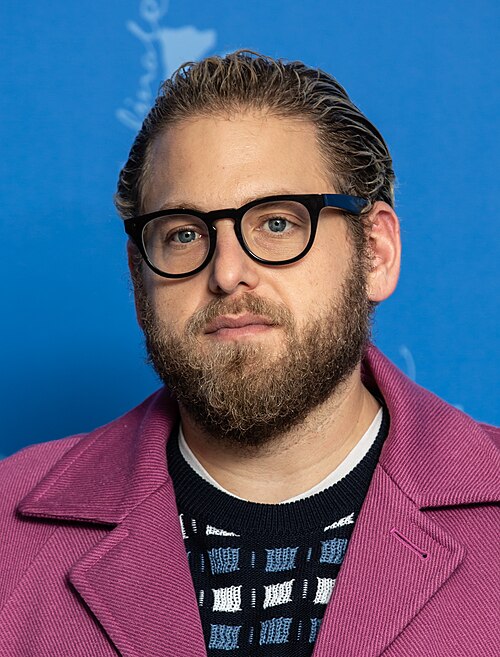
7. Jonah Hill turned refusal into a joke
Jonah Hill became known for handing out pre-printed cards instead of autographs. One version told recipients, “I just met Jonah Hill and it was a total letdown.” The card gave fans something tangible, but it also mocked the ritual. The move landed differently depending on the fan. Some found it dismissive, others thought it was funny. Either way, it captured a modern celebrity reality: many stars no longer see the autograph as the best or most meaningful way to acknowledge a supporter.
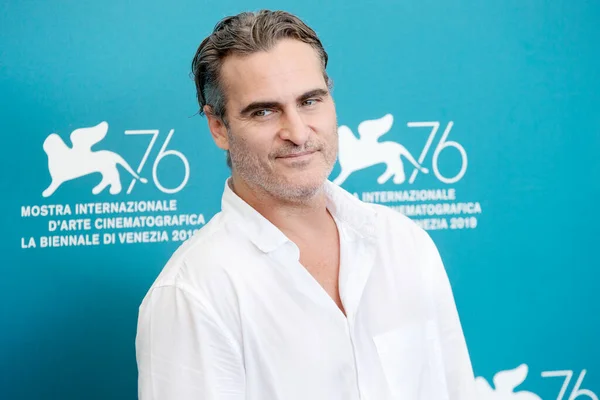
8. Joaquin Phoenix has called the exchange artificial
Joaquin Phoenix has spoken about autograph and photo requests as interactions that can make a person feel less human and more like a prop. That discomfort sits at the center of his reluctance. His preference has been for actual conversation over scripted fan rituals. That view lines up with a wider shift among public figures who no longer treat signatures as harmless tradition, but as a performance that can flatten a real encounter into something automatic.
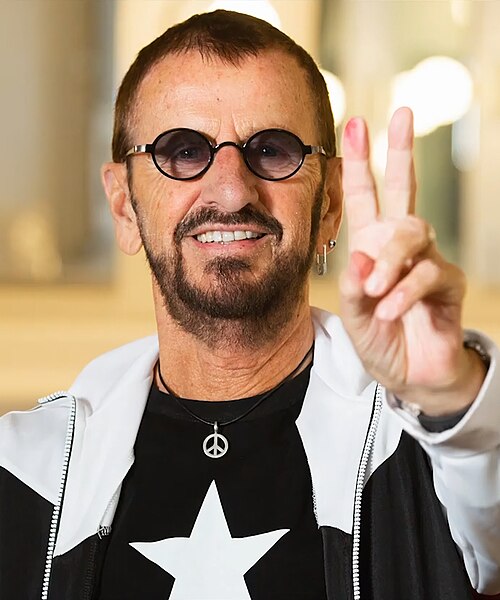
9. Ringo Starr made one of the clearest breakups with autographs
Ringo Starr did not leave much room for ambiguity when he announced in 2008 that he would stop signing and stop responding to mailed requests. He later tied that stance to discomfort with people profiting from his name rather than treasuring the interaction. He has maintained that boundary for years, including statements that he no longer signs fan mail after his 2008 announcement. Among celebrity autograph policies, Starr’s remains one of the most definitive.
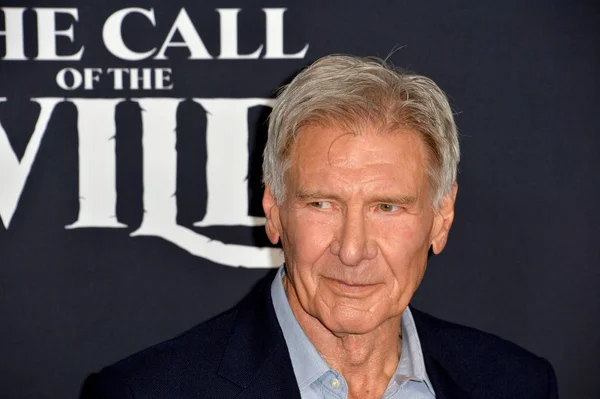
10. Harrison Ford stays selective and hard to reach
Harrison Ford has long been known as an elusive signature for collectors. In unofficial settings, he is widely associated with refusing autograph requests, especially in the kinds of crowded public spaces where dealers often wait.
What makes his case notable is selectivity rather than total refusal. Ford has participated in signings tied to charity or promotion, but not as an open-ended public habit. That distinction mirrors how many veteran stars now manage access: structured when necessary, closed off when it is not.
Taken together, these policies show that autograph refusal is rarely about one motive. Privacy, time, forgery concerns, online resale, and the desire for more genuine interaction all show up repeatedly. The old autograph culture depended on scarcity. The new one depends on boundaries.

