
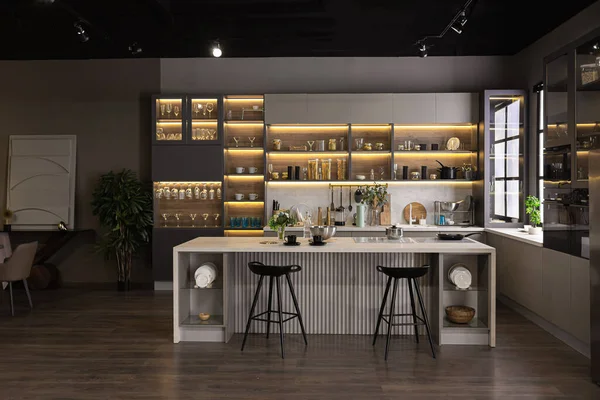
Kitchen style has moved away from photo ready perfection and toward rooms that feel warmer, calmer, and easier to live in. The shift is not just about aesthetics. It is also about maintenance, storage, lighting, and how a kitchen functions when it doubles as a gathering place.
Across recent designer forecasts, the patterns are clear: cold palettes, overly literal decor, and features that create visual clutter are losing ground. In their place are richer colors, integrated storage, natural texture, and layouts that support real daily use.
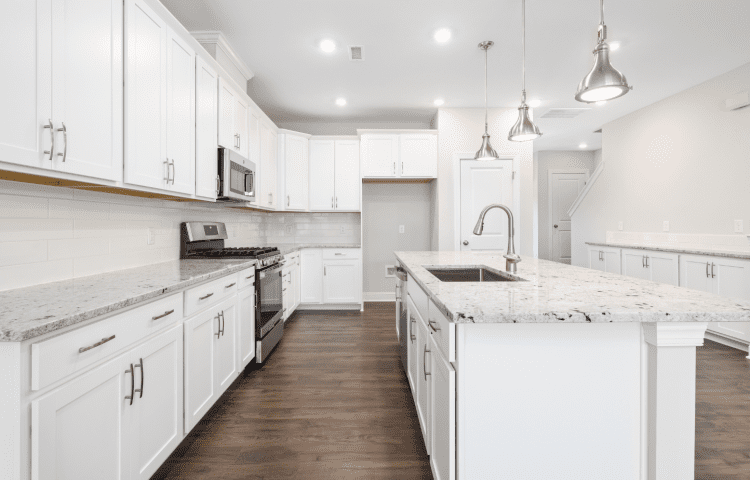
1. Stark all white kitchens
A kitchen wrapped in bright white cabinetry, counters, and walls no longer reads as automatically fresh. It often feels flat, clinical, and demanding to maintain, especially in homes where the room is used constantly. Designers are replacing that one-note look with warmer neutrals, wood tones, and layered finishes that bring more depth without making the room feel dark.
New cabinet forecasts point to mushroom and warm greige as go-to alternatives because they soften the space while still acting like neutrals. Darker greens, terracottas, and richer blues are also entering kitchens in a way that feels more grounded than trendy.
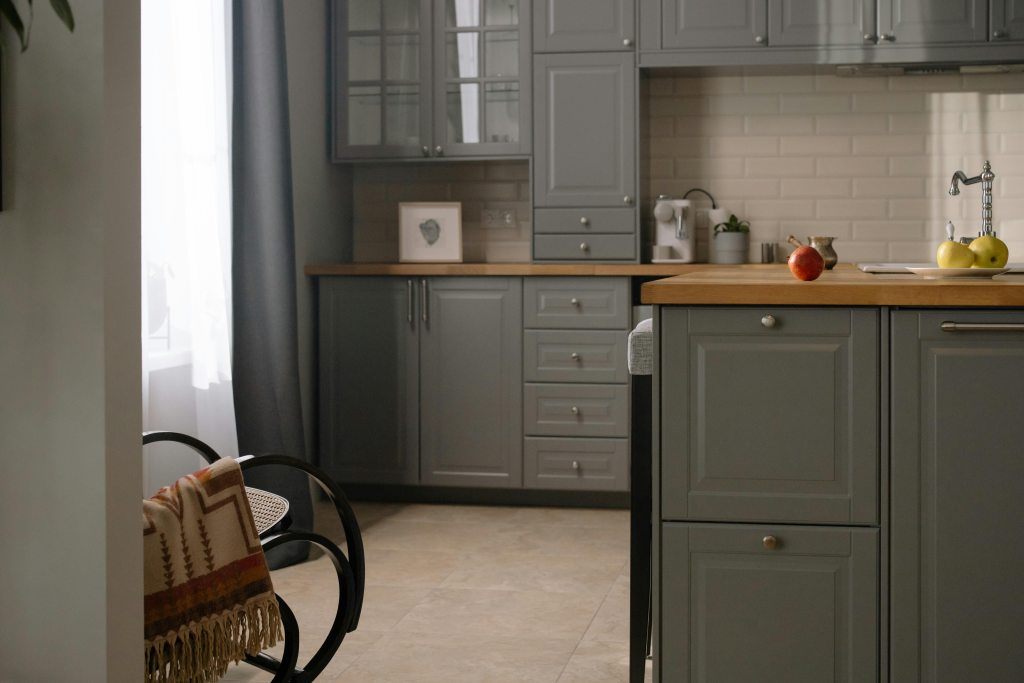
2. Cool gray cabinets and formulaic gray and white palettes
Cool gray had a long run, but the icy version now tends to drain warmth from a kitchen, particularly in rooms with limited natural light. The bigger issue is that gray and white combinations became so common that they started to feel less like a design decision and more like a default package. Designers are shifting toward walnut, darker oak, earthy greens, burgundy, and brown based neutrals. The result is a kitchen that feels more individual and less tied to a specific renovation era.
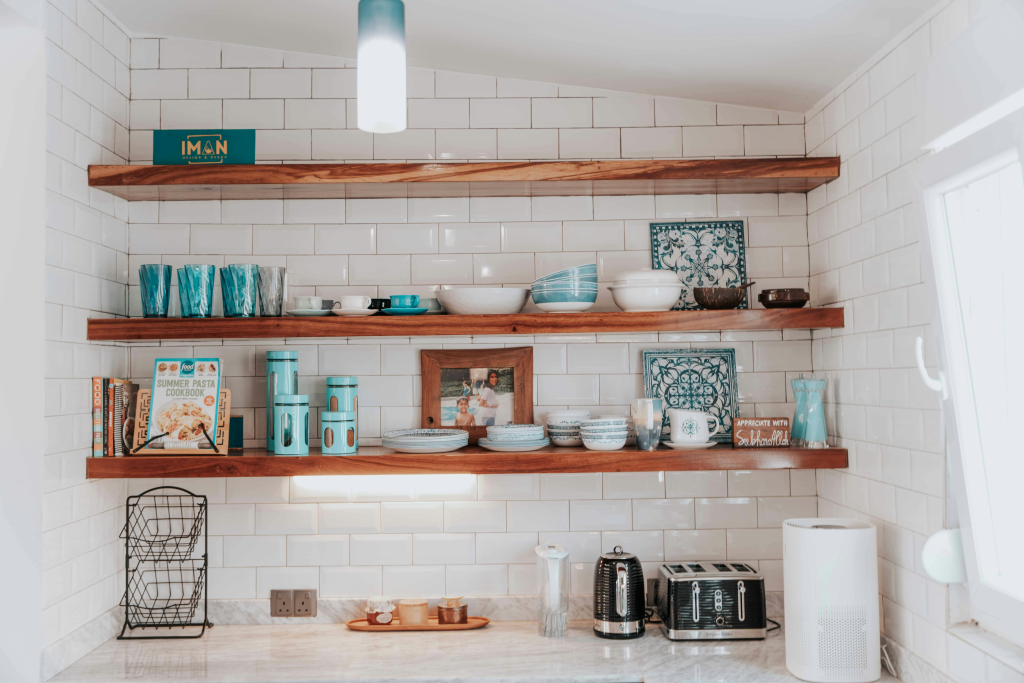
3. Open shelving used like a full cabinet replacement
One floating shelf can still work beautifully. Entire walls of exposed dishes, glassware, and pantry goods are another story. Dust buildup, styling pressure, and everyday visual clutter have made this one of the easiest trends to reconsider. Many designers now favor closed storage, glass-front cabinets, or a careful mix of both. That approach keeps sightlines lighter without asking the kitchen to look perfectly styled every day.
4. Farmhouse details that feel too literal
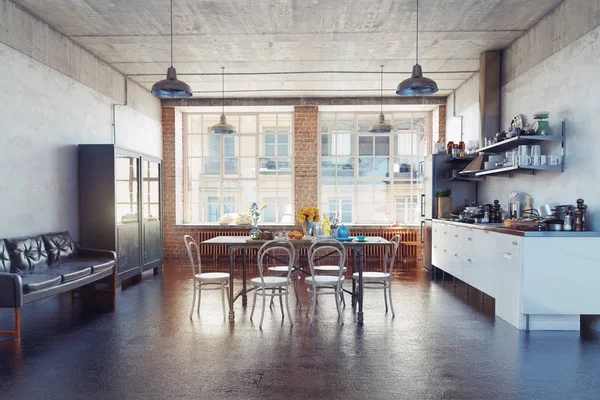
Farmhouse style has not disappeared, but it has changed. Barn doors, faux-distressed finishes, heavy rustic hardware, and slogan signs are what date the look fastest. They turn a kitchen theme into a costume. What is lasting better is a softer, more collected version with moodier colors, natural wood, handcrafted tile, and secondhand character. Even Pinterest data showed “dark rustic kitchen” searches are up 290% among younger users, but the appeal is tied to texture and warmth rather than old farmhouse clichés.
5. Busy backsplashes and heavily patterned surfaces
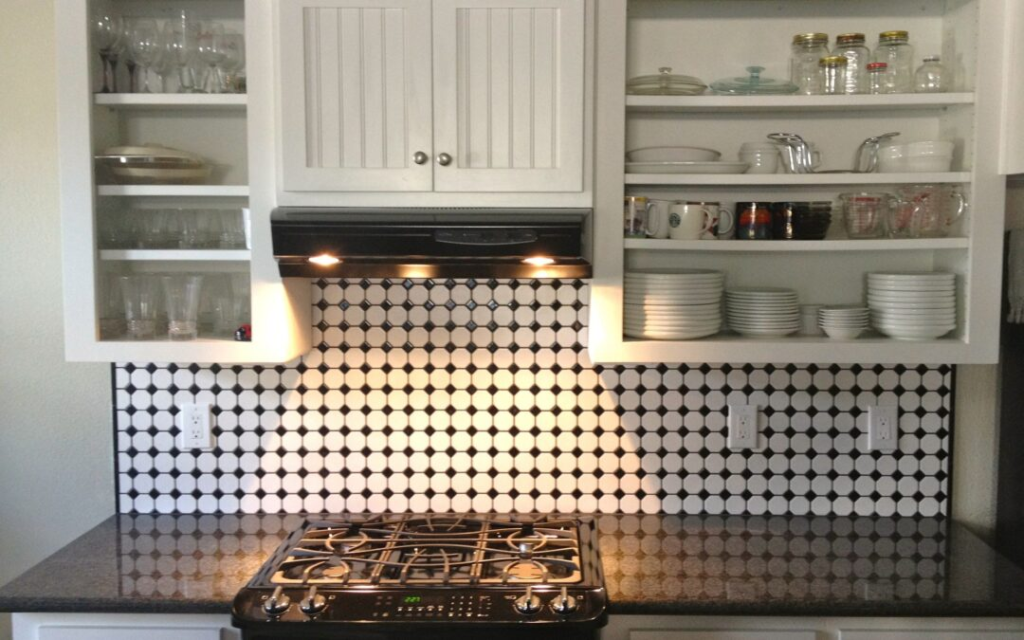
Small glass mosaics, linear bar tiles, and highly speckled granite can overwhelm a kitchen quickly. They break up the room visually and make it harder for cabinets, lighting, and hardware to work together. The same issue applies to faux-marble quartz with exaggerated, artificial-looking veins.
Designers increasingly prefer simpler surfaces that create a calmer backdrop. House Beautiful notes growing preference for slab backsplashes in marble, stone, or quartz, which read cleaner and are often easier to maintain.
6. Matte black fixtures everywhere
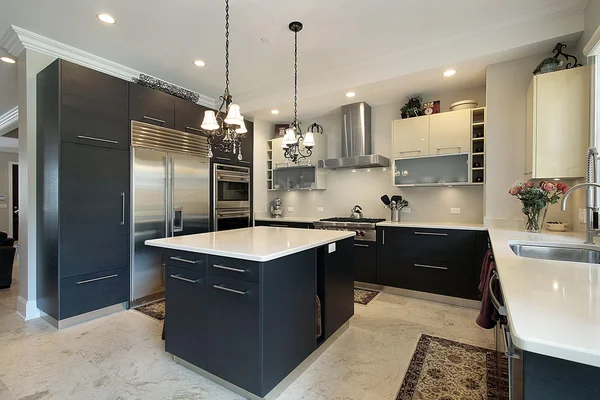
Black faucets and hardware brought strong contrast for years, but they can show water spots, mineral buildup, and wear more quickly than many homeowners expect. When used across every fixture, they can also push a kitchen back into a look associated with the late 2010s and early 2020s. Designers are mixing finishes more often now, choosing warmer metals and less rigid matching. That collected approach gives a kitchen more depth and avoids the showroom effect.
7. Oversized statement pieces that dominate the room
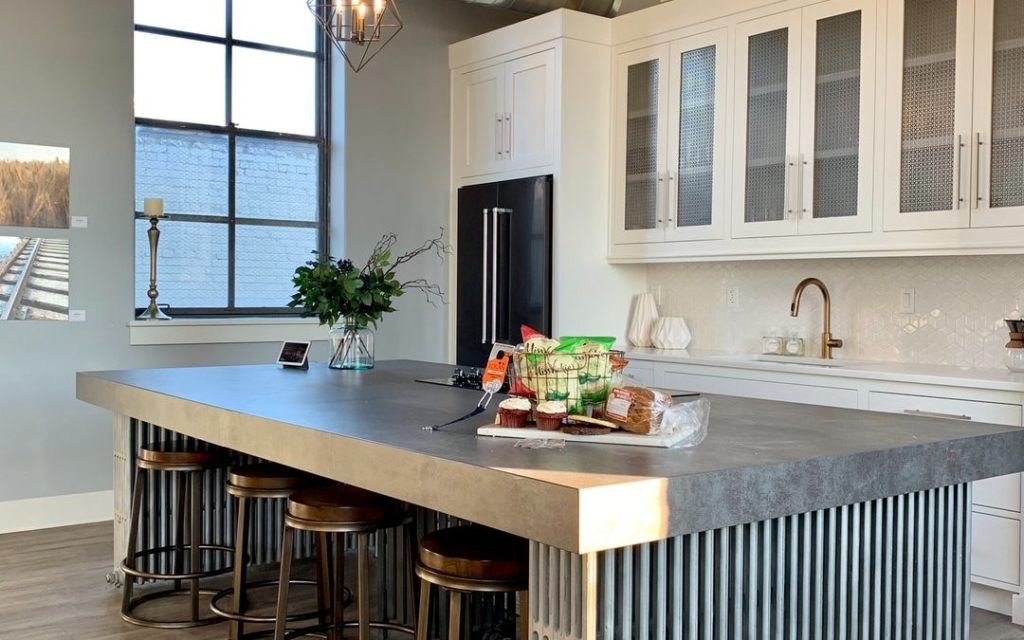
Huge pendant lights, bulky vent hoods, decorative corbels, and double-island layouts all share the same problem: they consume visual and physical space. In a room meant for movement and conversation, oversized features can obstruct views and interrupt flow. This is one area where the trend has become noticeably quieter. Streamlined hoods, smaller scale lighting, and better proportioned islands are replacing dramatic elements that once tried to do all the talking.
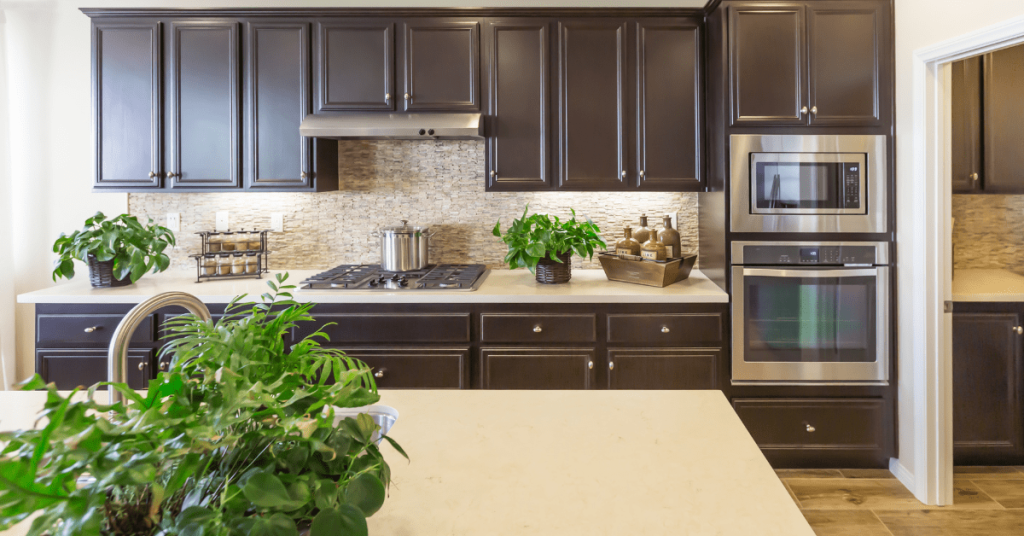
8. Visible microwaves and standalone appliances that interrupt the design
Microwave hood combos and exposed appliance banks can make even a custom kitchen feel less considered. The move now is toward integration, whether that means under counter microwaves, panel ready refrigeration, or storage that hides the harder working pieces of the room. At recent industry showcases, interest in appliances embedded in bespoke furniture reinforced how strongly kitchens are moving toward a more architectural, less utilitarian appearance.
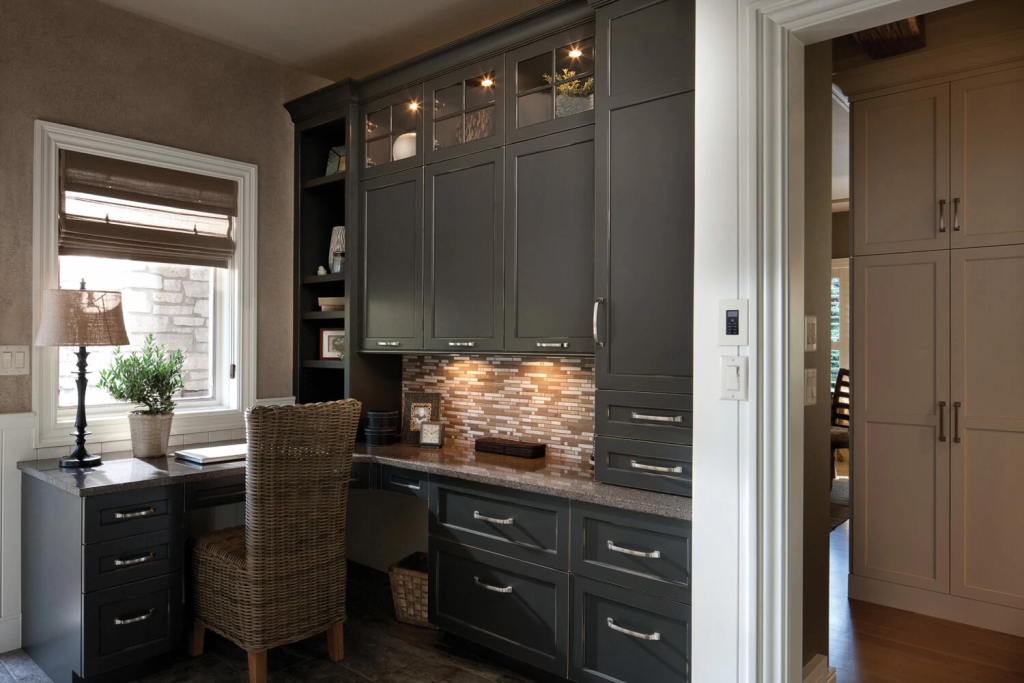
9. Built in desk nooks and kitchen office corners
The once-popular homework station or “homemaker’s desk” rarely functions as intended anymore. In many homes, it becomes a landing zone for mail, chargers, and random paperwork. That makes the kitchen feel busier without adding meaningful usefulness. Homeowners are reclaiming that square footage for pantry storage, beverage stations, or concealed appliance garages. It is a quieter upgrade, but it aligns far better with how kitchens are used now.
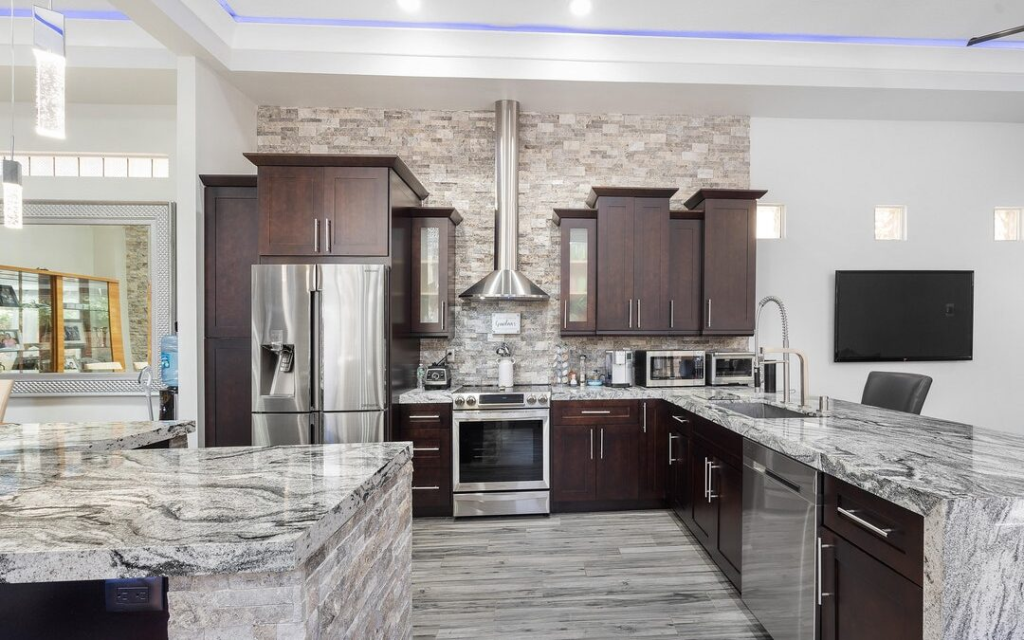
10. Layouts designed around rules instead of routines
The old kitchen triangle is no longer the only way to think about function. Larger kitchens, multiple cooks, specialized prep areas, and integrated entertaining spaces have changed the logic of the room. What matters more now is zoning: where prep happens, where cleanup happens, and how people move through the space without crossing paths constantly.
That same mindset is also reshaping the ultra-open kitchen. Designers have noted a move toward hidden storage and butler pantries so clutter stays out of view while the kitchen remains social and connected. The kitchens holding up best in 2026 are not the ones chasing every new finish or color. They are the ones that balance warmth, restraint, and practicality in a way that still feels personal.
That usually means fewer gimmicks, better storage, softer light, and materials that look authentic up close. A kitchen does not need to look plain to stay current. It just needs to feel like a place meant for living, not staging.

