
Hollywood has long treated women’s bodies like public property, turning weight, age, curves, thinness, pregnancy rumors, scars, and even natural aging into open commentary. What makes these stories endure is not just the cruelty behind the remarks, but the way many actresses answered back with clarity, boundaries, and a refusal to be reduced to a body type.
That broader conversation has only intensified as celebrity beauty standards have shifted toward rapid weight loss and more aggressive cosmetic procedures, creating a culture where appearance is discussed as if it were performance. These actresses pushed against that pressure in very different ways, but each made the same point: a career, a life, and a person are bigger than a comment section.
1. Kate Winslet
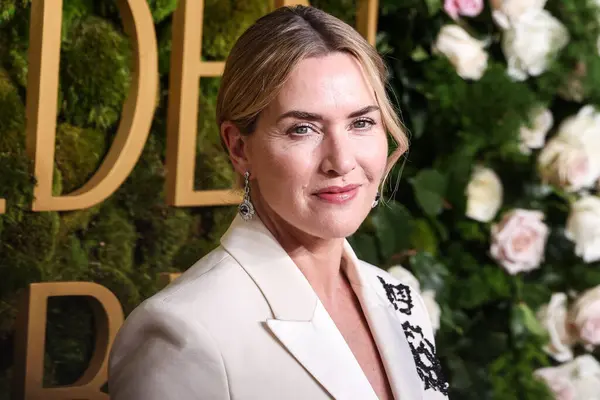
After Titanic, Kate Winslet became a tabloid target, with media coverage fixating on her weight instead of her work. She later shared that even before she was seriously considered for roles, questions about her size could surface through her representation. That kind of scrutiny exposed how deeply body policing was baked into casting culture. Winslet’s response was not built on spectacle. She became one of the clearest advocates for natural beauty, resisting retouching and refusing to treat her body as a flaw requiring correction.
2. Florence Pugh
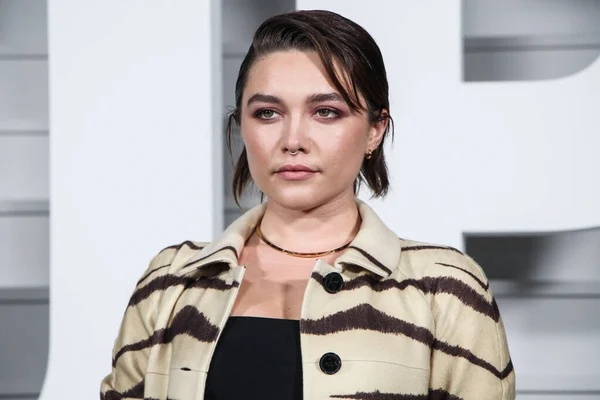
Florence Pugh drew a torrent of comments after wearing a sheer pink Valentino dress, with strangers focusing on her chest and body rather than the event itself. Her answer was direct and unsparing. She called out the vulgarity behind the reaction and made it clear that comfort in her own skin did not require outside approval. Her response mattered because it highlighted a familiar double standard: when women appear confident, criticism often rushes in disguised as commentary.
3. Jennifer Lawrence
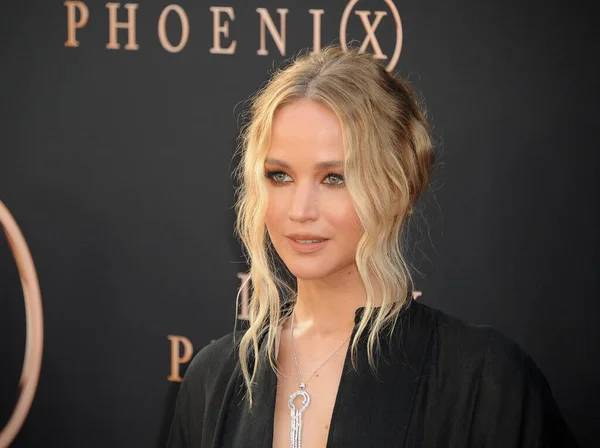
Early in her career, Jennifer Lawrence said she was told she was too heavy for certain roles and faced pressure to lose weight to stay employed. She resisted the demand to starve herself, especially as her profile grew during The Hunger Games era.
Lawrence framed the issue in practical terms. She did not want young girls watching her to absorb the lesson that success required deprivation. That made her stance less about celebrity rebellion and more about what on-screen role models quietly teach.
4. Melanie Lynskey
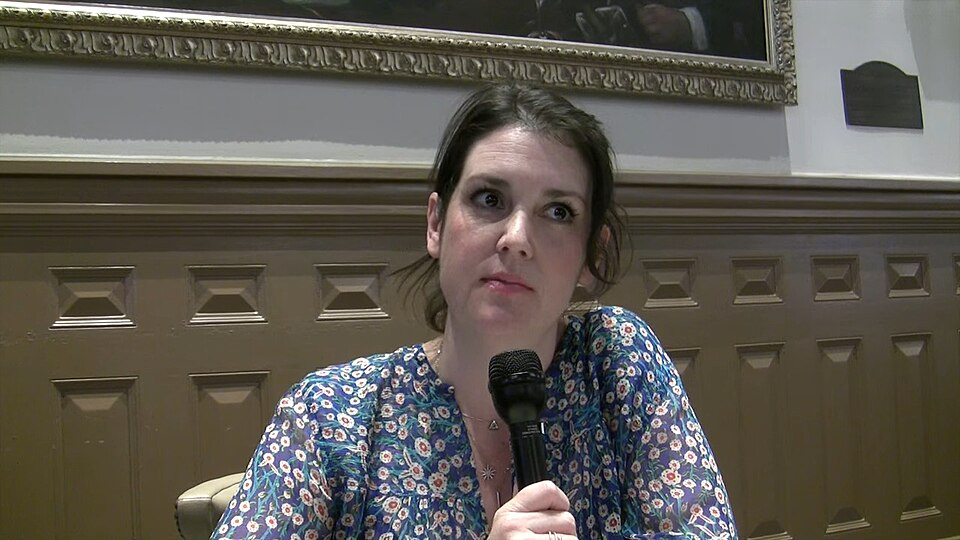
Melanie Lynskey’s experience showed how body shaming can come from inside the industry, not just from audiences. She said someone connected to Yellowjackets suggested she needed a trainer and a different physique for the job. In another public exchange, when a critic attacked her casting on social media, Lynskey replied, “I am supposed to be SMART, ma’am. I don’t need to be muscly. That’s what henchmen are for.” That comeback lasted because it rejected a narrow visual template for power. Intelligence, authority, and menace do not arrive in one approved body shape.
5. Melissa McCarthy
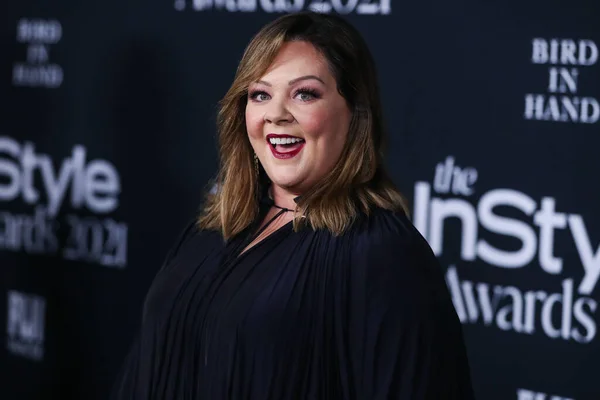
A review of Identity Thief crossed a line when it attacked Melissa McCarthy’s appearance instead of discussing her performance. The insult became a flashpoint because it showed how easily some criticism of female comedians turns personal when their bodies do not fit a preferred image.
McCarthy answered with restraint, saying she felt sorry for someone carrying that much hatred. Her career trajectory said the rest. She kept working, kept succeeding, and never allowed the insult to become the headline of her story.
6. Gabourey Sidibe
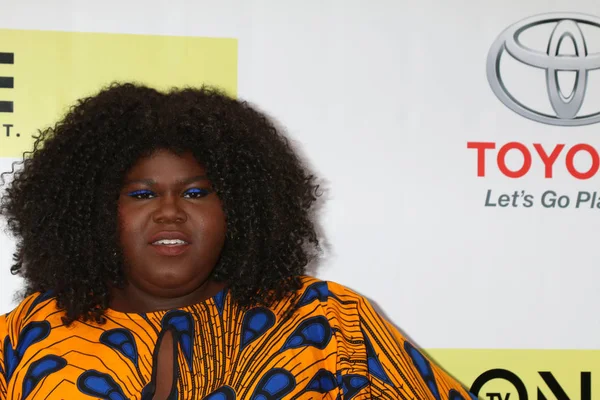
After her breakthrough in Precious, Gabourey Sidibe faced some of the harshest public body commentary of any rising actress of her generation. Rather than disappear from view, she leaned into humor and perspective. One of her best-known responses remains: “To people making mean comments about my GG pics, I mos def cried about it on that private jet on my way to my dream job last night.” That line worked because it punctured the idea that ridicule had the power to define her future. It did not.
7. Selena Gomez
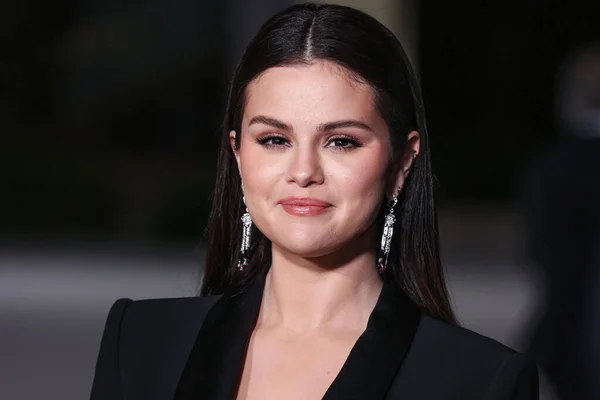
Selena Gomez has repeatedly explained that her weight fluctuates because of medication tied to lupus and other serious health issues. Even so, swimsuit photos and public appearances have been treated as invitations for strangers to evaluate her body.
Her comments have helped shift the discussion from appearance to reality. She has said health comes first, and in doing so she underscored a basic point often ignored online: bodies change for reasons outsiders do not know. Her openness also echoed a wider expert view that social messages strongly shape body image.
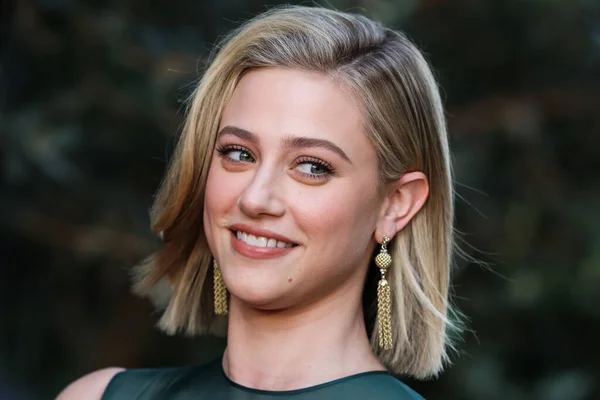
8. Lili Reinhart
When a photo of Lili Reinhart led to pregnancy rumors, she used the moment to confront the habit of reading ordinary body fluctuations as public clues. Her statement was concise and memorable: “My body is something that I will NEVER apologize for.”
It was a boundary, not a plea. She also reminded followers that bodies change constantly, which made the episode less about one rumor and more about the everyday harm of treating women’s stomachs as public evidence boards.
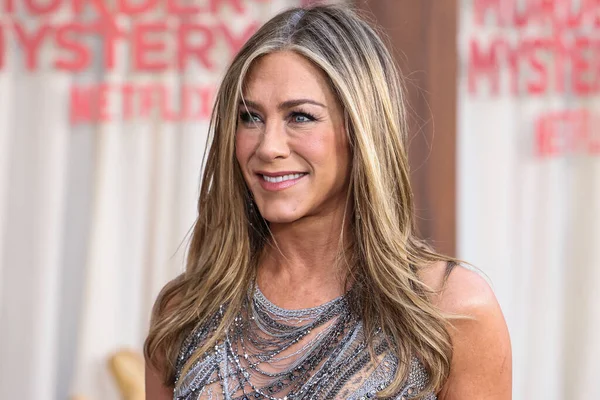
9. Jennifer Aniston
Jennifer Aniston spent years fielding speculation over whether she was pregnant whenever a photo showed the slightest shift in her figure. She eventually answered in an essay that cut through the gossip cycle with unusual bluntness: “For the record, I am not pregnant. What I am is fed up.”
Her larger argument was even more significant. Women do not owe the public a reproductive update, and they are not incomplete without a partner or child. In Aniston’s case, body scrutiny and life-scrutiny had become the same thing.
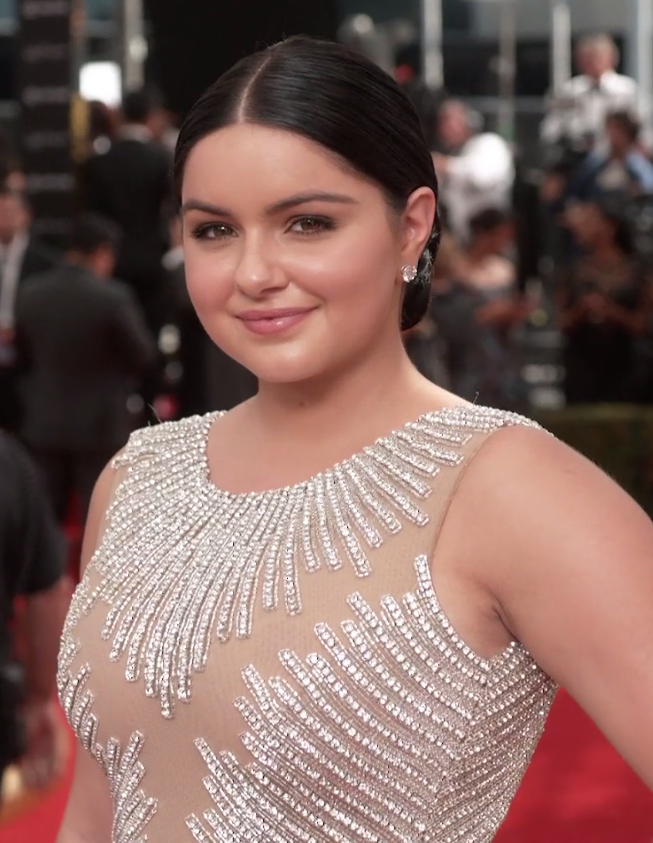
10. Ariel Winter
Ariel Winter grew up under a level of commentary that mixed body shaming with objectification. As she got older, she spoke openly about how that attention damaged her self-esteem and how stepping away from Los Angeles supported her healing. Her story shows that the aftereffects can linger long after the comments fade. She has made it clear that she wants attention redirected toward her work and her life, not a running audit of her appearance.
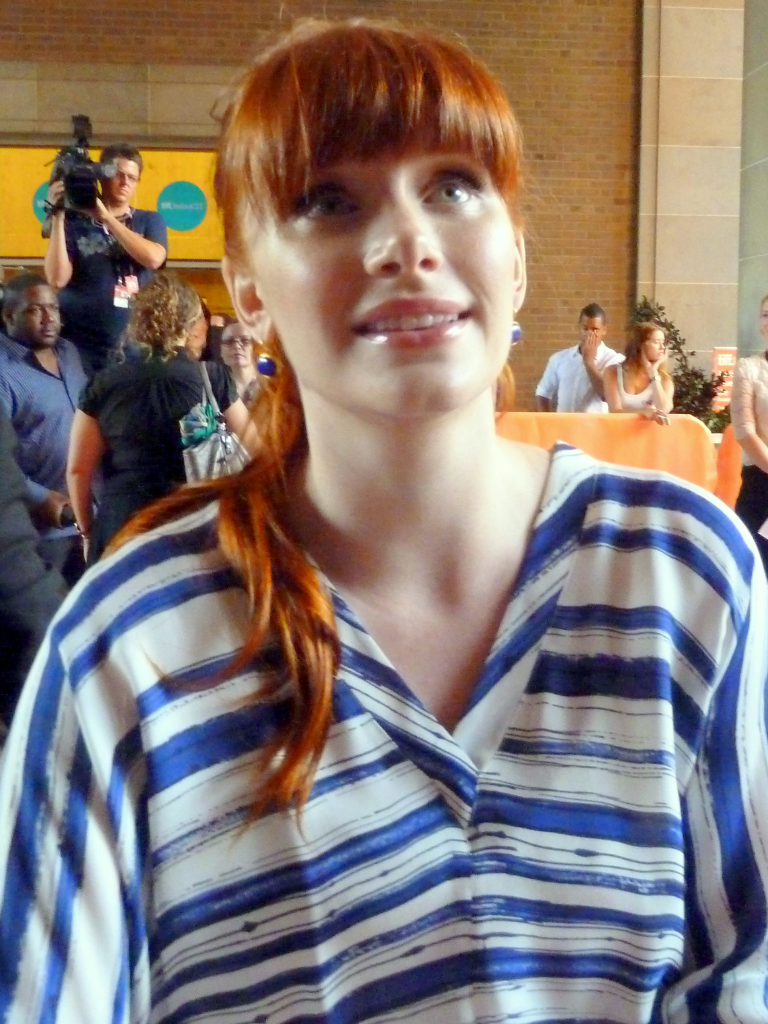
11. Bryce Dallas Howard
Bryce Dallas Howard has spoken about pressure to lose weight for roles, including before Jurassic World: Dominion. What made her account stand out was that the push came in a franchise built around action, where female capability is often still filtered through narrow beauty expectations. Howard’s stance was simple: real women do not all look the same, and action movies should reflect that. She performed stunts and emphasized function over thinness, pushing back against an old formula with visible proof.

12. Jamie Lee Curtis
Jamie Lee Curtis has become one of the most outspoken critics of the beauty machinery surrounding women in entertainment. She has talked about the freedom of no longer “sucking” her stomach in and has also criticized cosmetic pressure more broadly. In a recent interview, she said, “I’ve been very vocal about the genocide of a generation of women by the cosmeceutical industrial complex There’s a disfigurement of generations of predominantly women who are altering their appearances.”
Her comments connect individual body shaming to a larger system. In an industry increasingly defined by an uncanny sameness in faces and bodies, Curtis has argued for something more human: visible age, natural shape, and the freedom to look like a person instead of a project.
These stories span different decades, career stages, and body types, but they point to the same pattern. Women in entertainment are still judged for being too big, too thin, too muscular, too soft, too young-looking, too old looking, too objectified, or not objectified enough.
What changed the conversation was not the cruelty. It was the refusal. By setting boundaries, naming the damage, and redirecting attention to health, work, and dignity, these actresses turned public shaming into a public record of resistance.

