
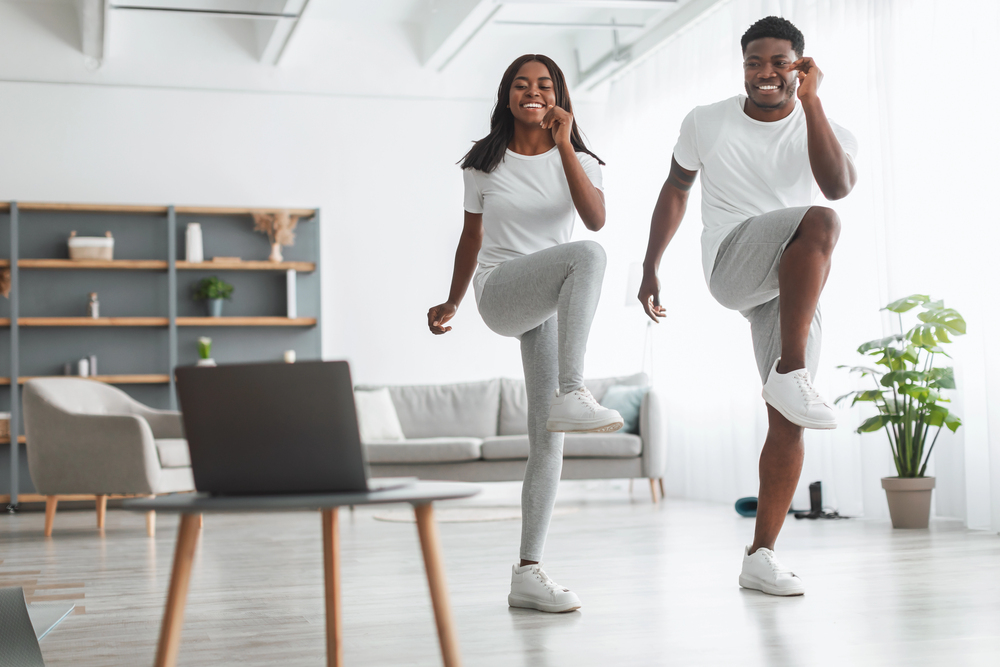
Ever thrill to another set of crunches or planks? There’s a new generation of core exercises that need not cost one single second on the floor, and they’re taking core training to a greater group and having a whole lot more enjoyment. Standing ab exercises are the new hot item, and they should be: they’re low-impact, equipment-free, and quietly effective at generating strength and stability, all in a busy schedule.
This is the ultimate standing ab exercise move and unilateral training with science-backed benefits. Look for new twists on old favorites, pro advice, and innovative tricks to mix up your core workout mat-free. Ready to shake things up? Give these seven must-do exercises and techniques a try and have your abs working overtime without ever placing a hand on a mat.
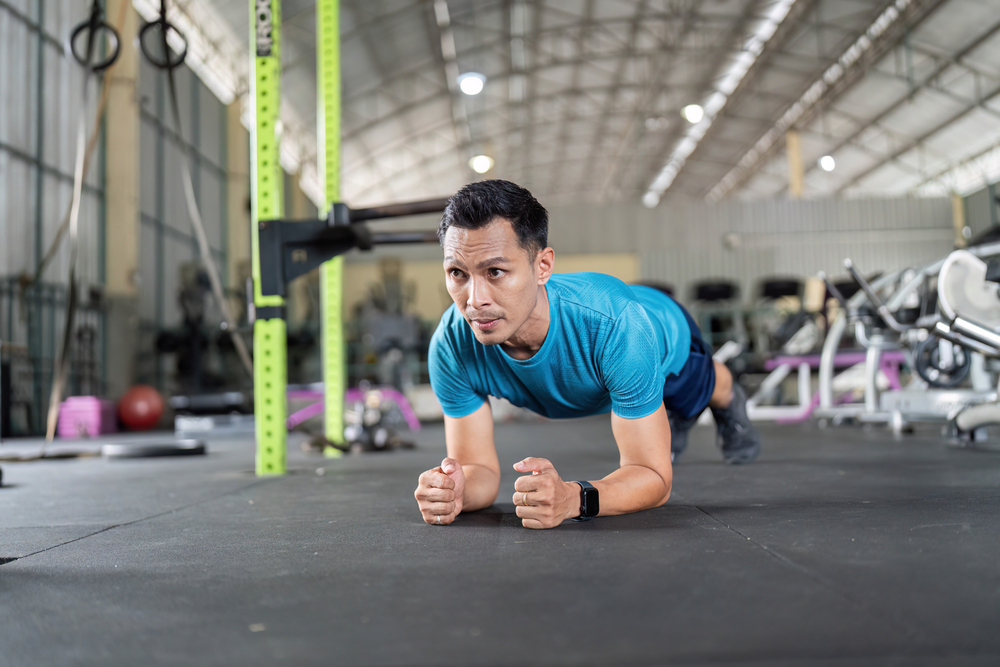
1. Unilateral Standing Core Moves: The Key to Balanced Strength
One-sided standing ab exercises that target one side at a time, such as knee drives, side bends, and single-leg reach, are more than just a clever variation. They’re an evidence-based means of developing a stronger, more stable core. As Les Mills puts it, “Unilateral exercises activate the muscles of the superficial core more effectively than bilateral exercises.” That is, your stabilizers and abs must double-duty in an effort to keep you straight and aligned. And these exercises correct muscle imbalances so both sides of your body are equal on both sides a postural bonus and a bonus for defense against injury. And here’s a bonus: studies demonstrate that working one side actually increases strength on the other, due to something called the “cross-education” effect.
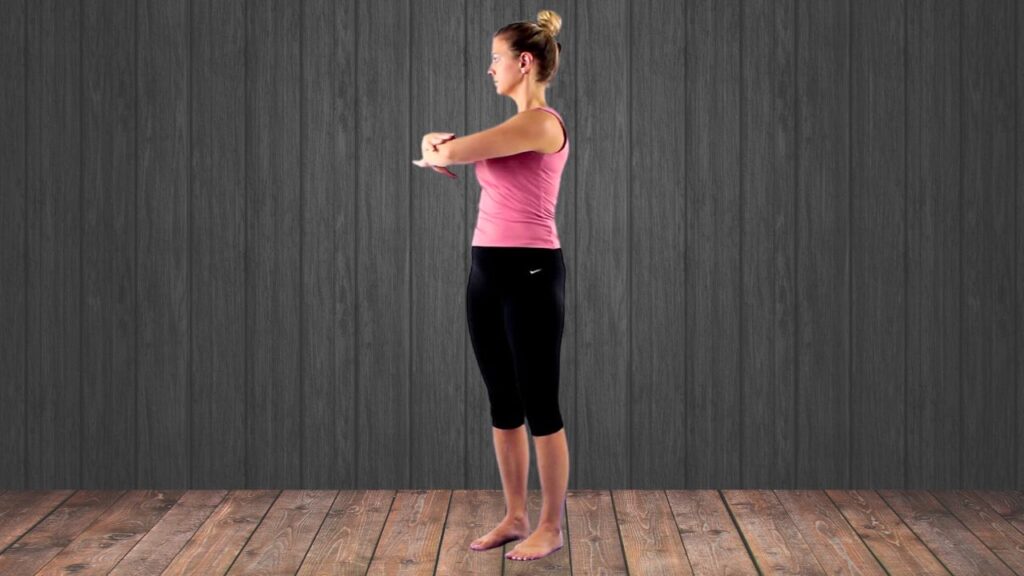
2. Standing Oblique Twists and Side Bends: Your Waistline’s Best Friends
If you’re after a sculpted waist and better spinal support, standing oblique twists and side bends are the moves to master. These exercises target the muscles running along your sides, your obliques, responsible for rotation, stability, and achieving that signature hourglass shape. Standing side crunches and overhead reaches not only target your core, Real Simple reports, but they also challenge your balance, making each rep count. To take it to the next level, add a resistance band or light dumbbell to add tension and muscle recruitment.
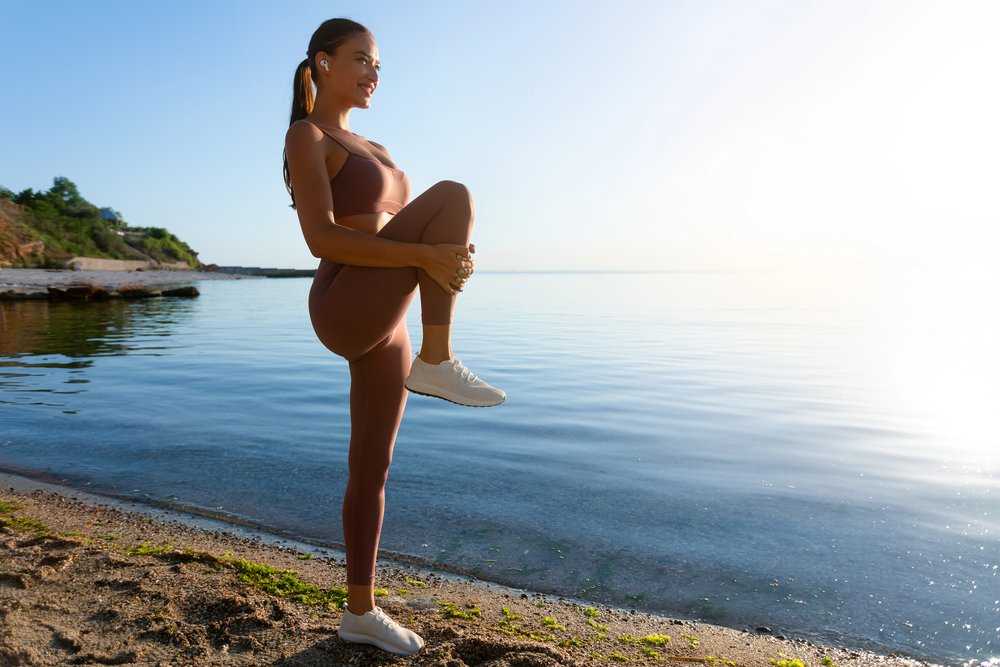
3. High Marches and Knee Drives: Cardio and Core
Marching in place with high knees or knee-to-chest isn’t limited to warm-ups; it’s a core-builder dynamo. These exercises hit your lower abs, prep your hips, and get your heart rate going, all simultaneously. As Fit&Well correctly points out, even a march can “mimic natural daily movements, which helps beginners feel more confident and capable while improving functional strength.” To vary it up, incorporate an upper-body element or hold a light weight to enhance the intensity and coordination challenge.
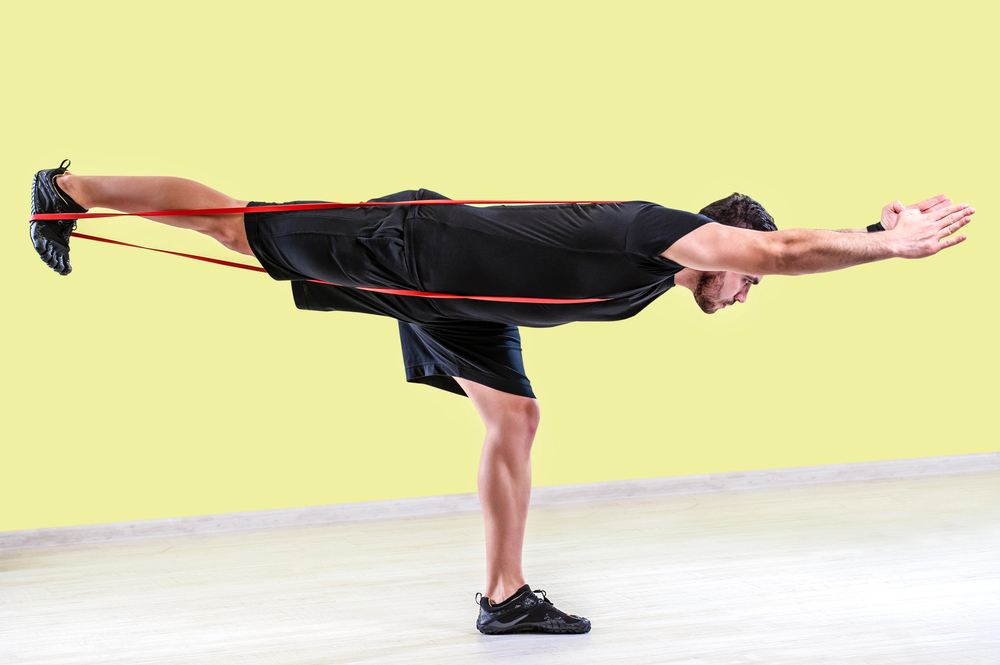
4. Resistance Band Power: Pallof Presses and Standing Twists
Resistance bands aren’t only for rehab, they’re a standing ab workout game-changer. The Pallof press, in particular, is a favorite among trainers because it has the ability to wake up the deep core muscles and condition your body to fight against unwanted rotation. As Tom’s Guide so aptly puts it, “The standing ab exercises above respond well to resistance bands, and it won’t take long to feel the burn in the working muscles.” Include Pallof presses in seated band twists and side bends for a full, joint-friendly, core-crunching circuit that’s easy on joints but challenging for your abs. And bands are light, easily transported, ideal for home, office, or travel workouts.
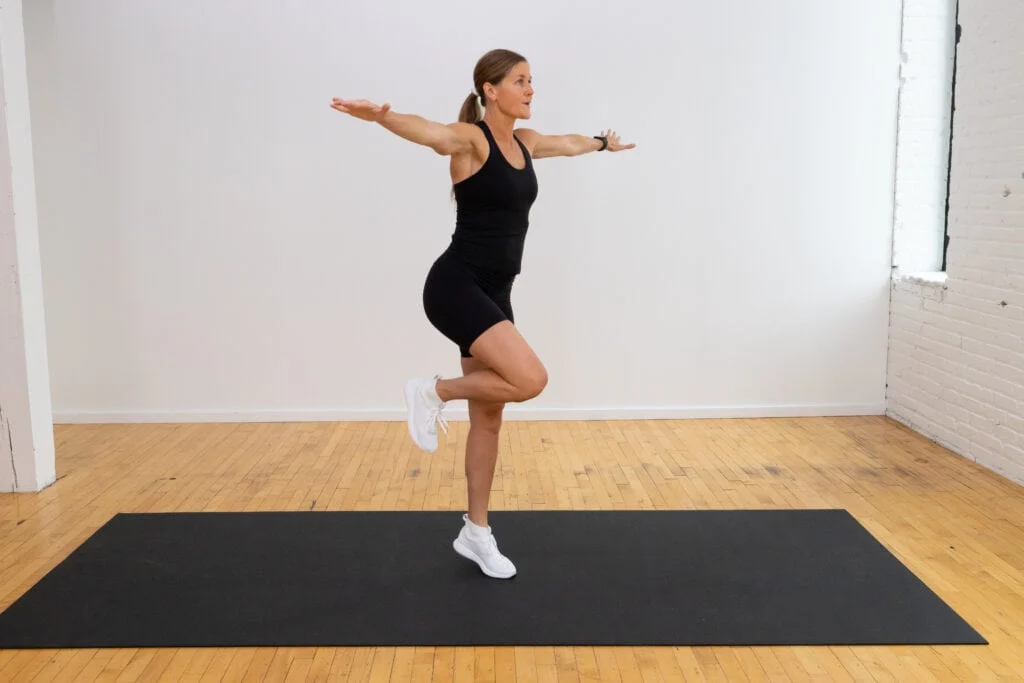
5. Standing Pilates-Inspired Crunches: Deep Core Activation Without a Mat
Pilates is slow, controlled work on the mat. Standing Pilates-inspired exercises such as knee-to-elbow crunches and single-leg balance turns activate the deep transverse abdominals and pelvic floor, developing functional strength and stability. Nourish Move Love describes, “Pilates workouts zero in on small, precise movements and controlled breathing.” You to better isolate and activate your core muscles. These exercises work for nearly every fitness level, even pregnancy and postpartum, and deliver. A nice break from the standard crunches. Try incorporating some into your workout for a focused, muscle-burning boost.
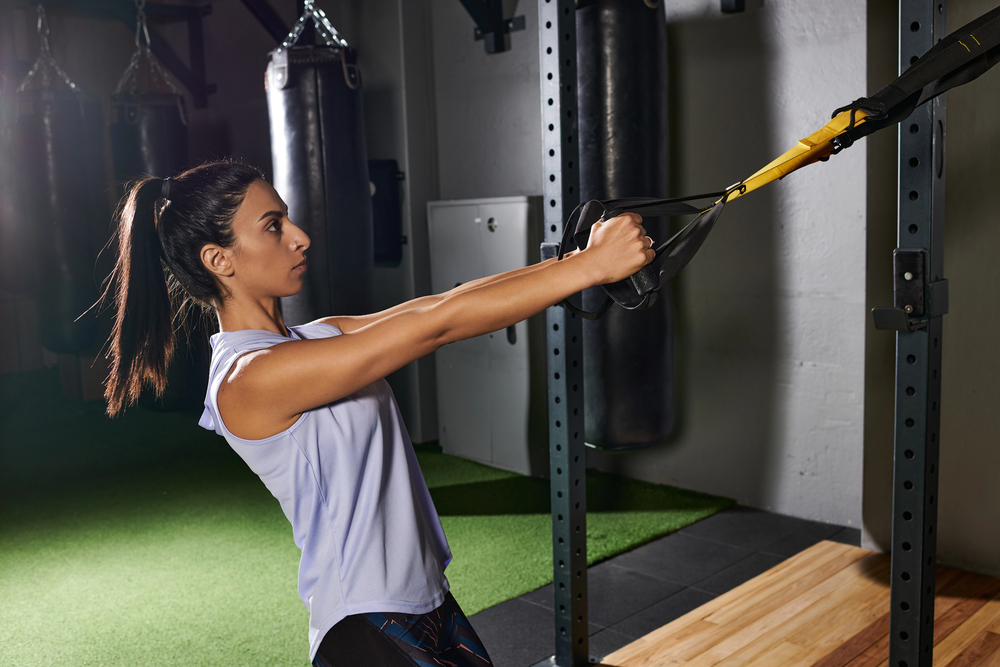
6. Functional Chops and Woodchops: Functional, Everyday Strength
Chop-style motions, where you sweep your arms down and across your body, lift your arms up diagonally, are as functional as they come. They replicate life movements (hello: bending to grab groceries or swinging a tennis racquet) and work your abs, obliques, shoulders, and even legs. Woodchops are “a full-body exercise with an ab focus, helping you build power and balance,” Healthline says. Do them with just your body weight, then add a dumbbell or band for additional resistance as you become stronger.
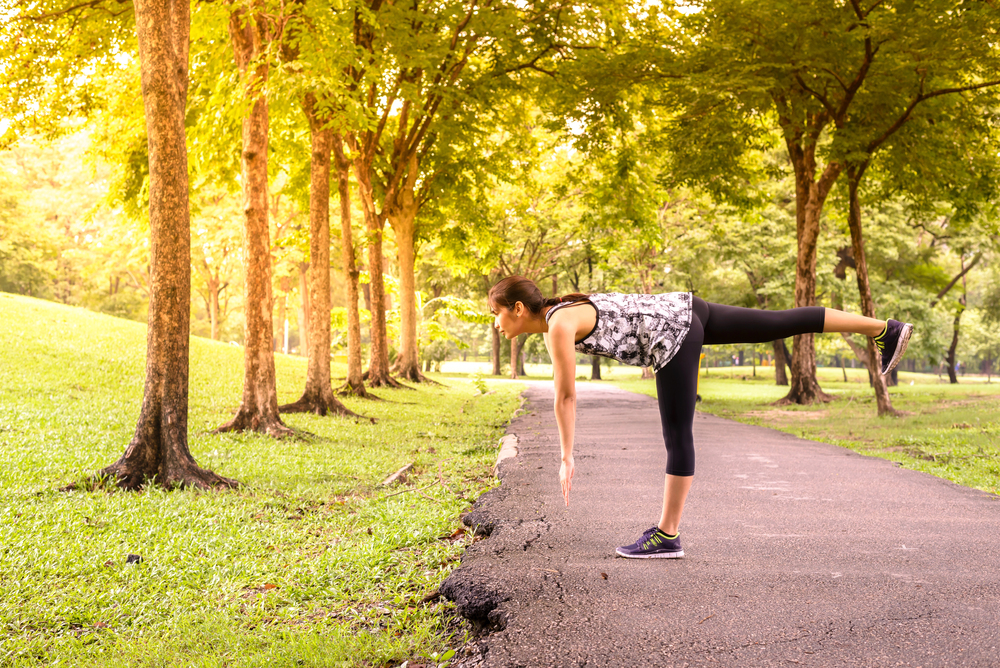
7. The Balance Bonus: Single-Leg Deadlifts and Bird Dogs
Balance-based standing exercises like single-leg deadlifts and standing bird dogs are sneaky core crushers. They get your abs, glutes, and back muscles to team up to stabilize you, building coordination and core strength. Peloton experts comment that “good balance and stability are key elements of healthy aging and becoming an effective mover.” And the exercises can be done at any level, starting with bodyweight, and adding light weights or bands as balance improves.
Standing ab workouts are more than just a trend; they’re a smarter, more functional way to train your core for real life. By mixing up your routine with unilateral moves, resistance bands, and Pilates-inspired exercises, you’ll not only build a stronger midsection but also improve your balance, posture, and overall athleticism. So next time you’re tempted to skip core day, remember: all it takes is ten minutes on your feet to feel the burn and see the results.

