
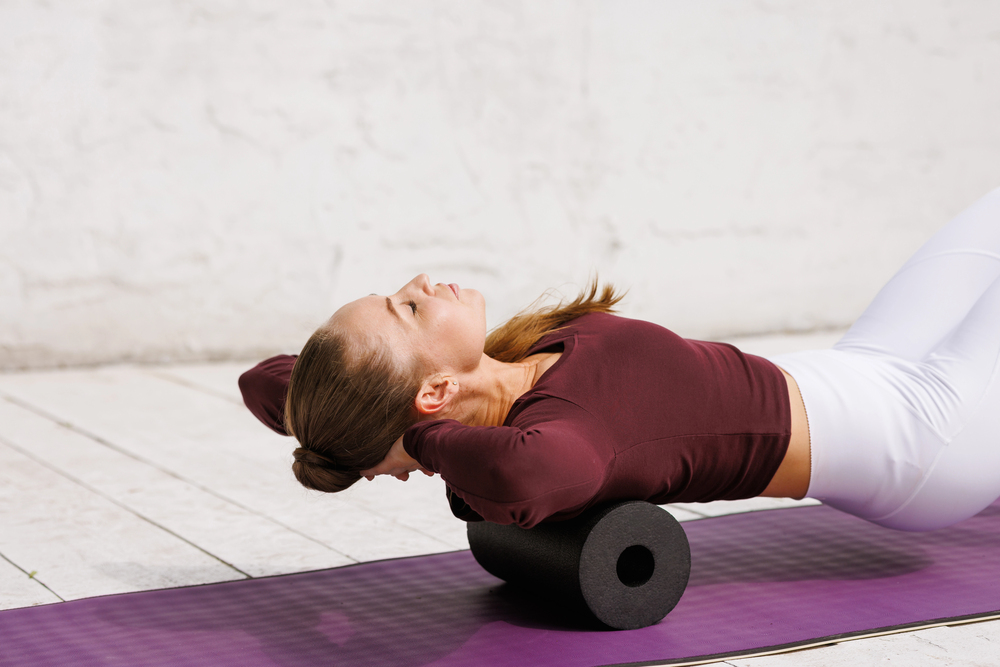
Ever heard that your core is literally just your abs? Spoiler: it’s so much more than a six-pack. For Pilates beginners and fitness aficionados, the magic occurs when you activate those deep, too-often-overlooked muscles that work behind the scenes to stabilize your body, keep it balanced, and pain-free. The best part? You don’t need fancy gear or time at the gym just a mat, some focus, and a willingness to try exercises that work from the inside out. Pilates isn’t just about being tight.
It’s about building an engine that powers all that you do from navigating the aisles of the grocery store to mastering a new yoga pose. Are you curious to learn which exercises actually work your deep core? Here are seven moves and why they’re worth your time.
1. Half Rollback: The Secret to a Mobile, Strong Spine
The half rollback is a Pilates classic that does double duty: it increases upper back mobility and hones both your rectus abdominis and transverse abdominis. Sitting tall with knees bent, you’ll roll halfway back, tucking your pelvis and letting your spine gently curve. This little motion illuminates your deep core, instructing your body to stabilize while moving. Pilates By Bryony states that this exercise also promotes healthy spinal movement, something that is essential to anyone who spends extended periods of time at a desk. It is a gentle way of getting to know core exercises that makes more complex movements possible. And, it’s a winner at building awareness of how your core and breath interact a Pilates secret to success.
2. Toe Taps: Your Low-Impact Ticket to Deep Core Activation
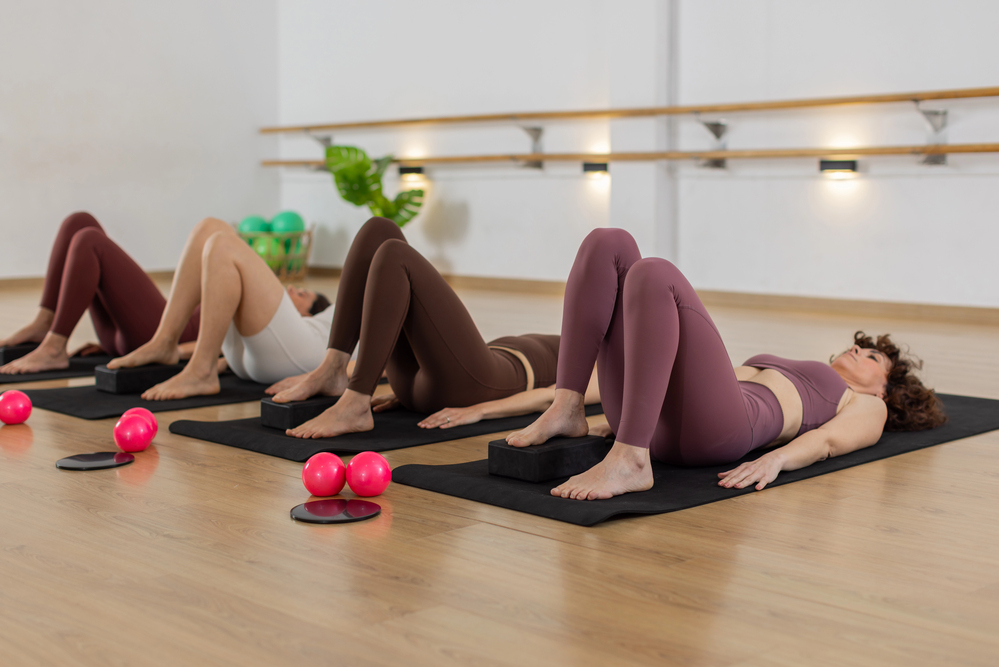
Toe taps seem innocently easy, but they’re a dynamic force for engaging your deep abdominals and stabilizing your lower back. In back with legs in tabletop, you alternate tapping each toe down toward the floor with your pelvis held firm. The key is to go slowly and maintain your abs drawn in towards your core, thereby safeguarding your spine and conditioning the usually forgotten transverse abdominis. According to Healthline, toe taps are ideal for beginners since they provide instruction on how to activate the core without overengaging your hip flexors or lower back. For extra challenge, squeeze your knees together or put a mini ball between your thighs to engage your inner thighs and pelvic floor.
3. Deadbugs: Coordination Meets Core Strength
Deadbugs aren’t just a name that cracks you up yeah, they’re a Pilates staple for a reason. This move challenges your coordination as you raise one arm and the opposing leg while your back remains rooted to the mat. It’s an entire-core exercise that activates the obliques, deep abs, and builds pelvic stability. SELF experts identify deadbugs as allowing you to develop control and balance, which directly translate to better posture and less back pain in daily life. Deadbugs also teach technique in Pilates beginners, specifically moving limbs independently without allowing your core to sag a skill that pays dividends in everything from yoga to running.
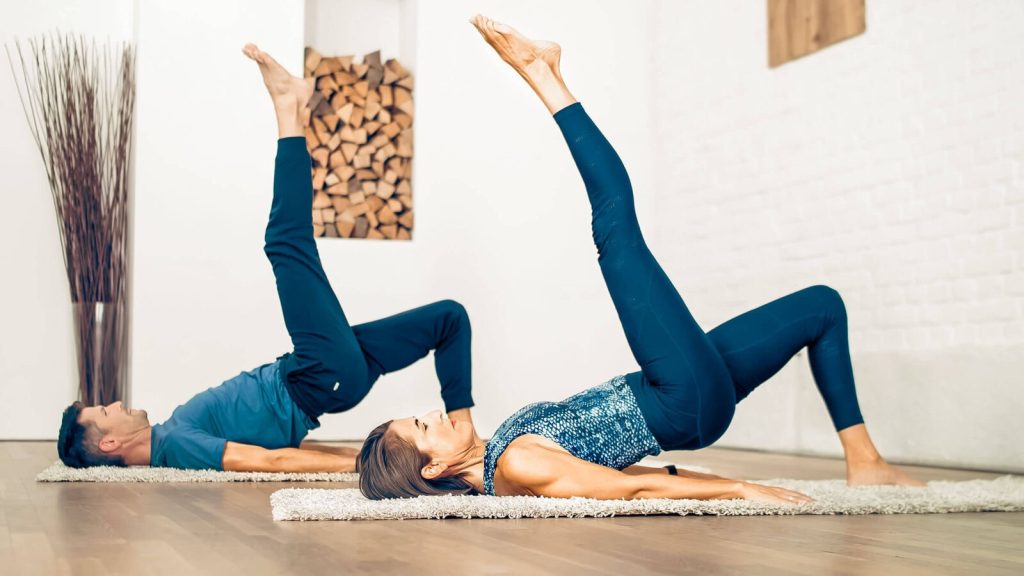
4. Shoulder Bridge: The Glute-and-Core Connection
The shoulder bridge is a complete game changer for bridging your glutes, hamstrings, and deep core. Lie on the ground with your feet anchored into the floor, and you lift your hips up into a straight line from your shoulders to knees. This exercise not only bridges your posterior chain but also fires your pelvic floor and inner thighs. According to Healthline, tucking a pillow or mini ball between your knees will also activate your adductors and pelvic floor. Repeating the shoulder bridge has been shown to increase both mobility and stability so that easy everyday movements are simpler and safer.
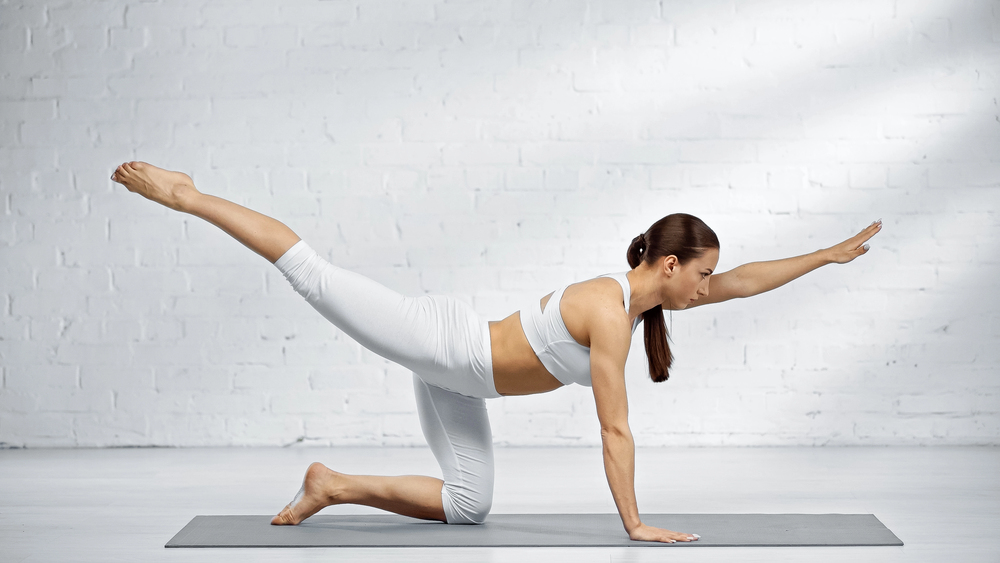
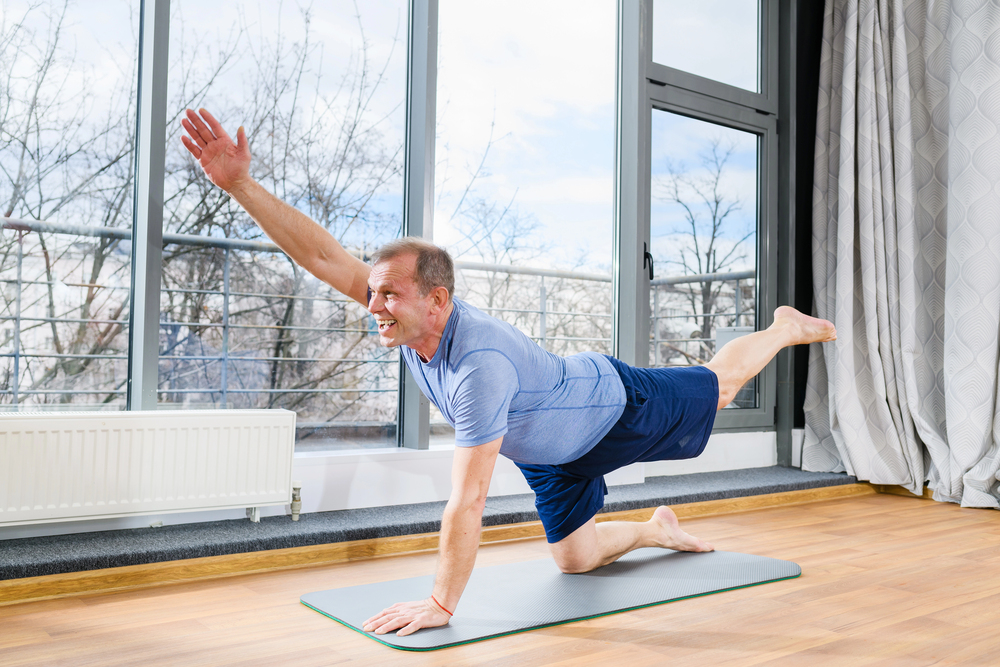
5. Bird-Dog: Stability, Balance, and a Strong Back
The bird-dog is a Pilates original for firing up the multifidus and transverse abdominis two deep stabilizing muscles of the spine. Starting in all fours, you stretch out one arm in front and the other leg behind, holding for a few seconds before switching sides. As Right as Rain quotes, “Standard core exercises like plank and bird-dog do a good job engaging and strengthening the deep core,” says Dr. Joseph Ihm. This exercise is especially helpful to people who want to prevent or cure back pain because it trains your body to stabilize when in motion. This is also a low-impact exercise to improve balance and coordination without putting your joints at risk.
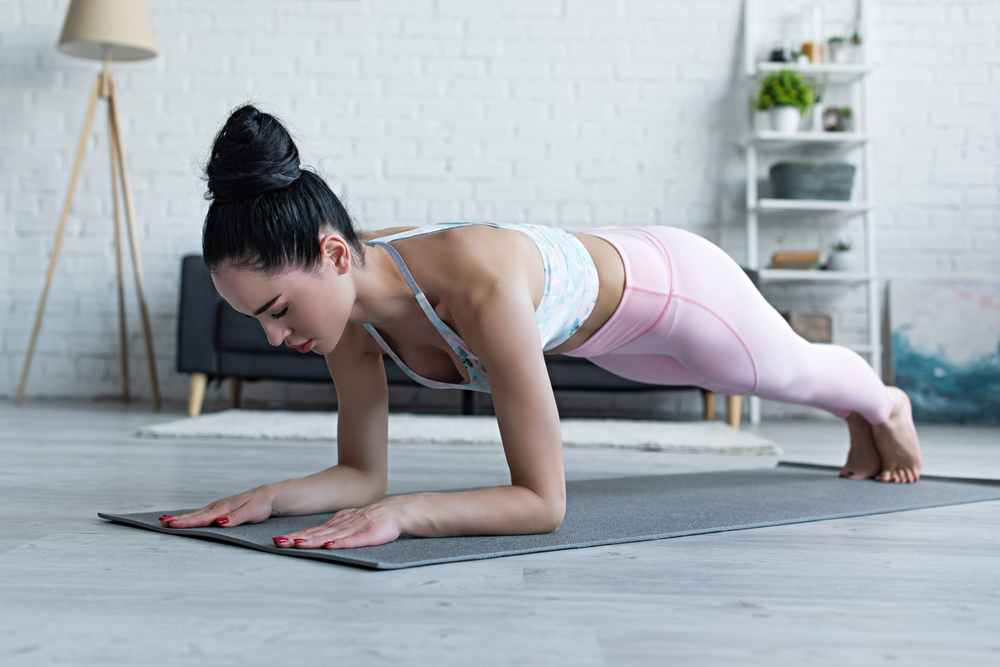
6. Plank: The Underappreciated Deep Core Hero
Planks aren’t just for gym selfies planks are among the top exercises for building deep core strength. Forearms, hands no matter how you do a plank, holding the position activates your transverse abdominis, obliques, and even diaphragm. Dr. Ihm assures that you don’t have to specifically work on engaging your deep core muscles along with your normal movements; simple exercises like planks will work for the majority of healthy, fit people. The secret is maintaining a long, straight line from head to heels and drawing your belly button into your spine. With repetition, planks level out posture, balance, and overall stability, so they’re a must in any Pilates-inspired regimen.
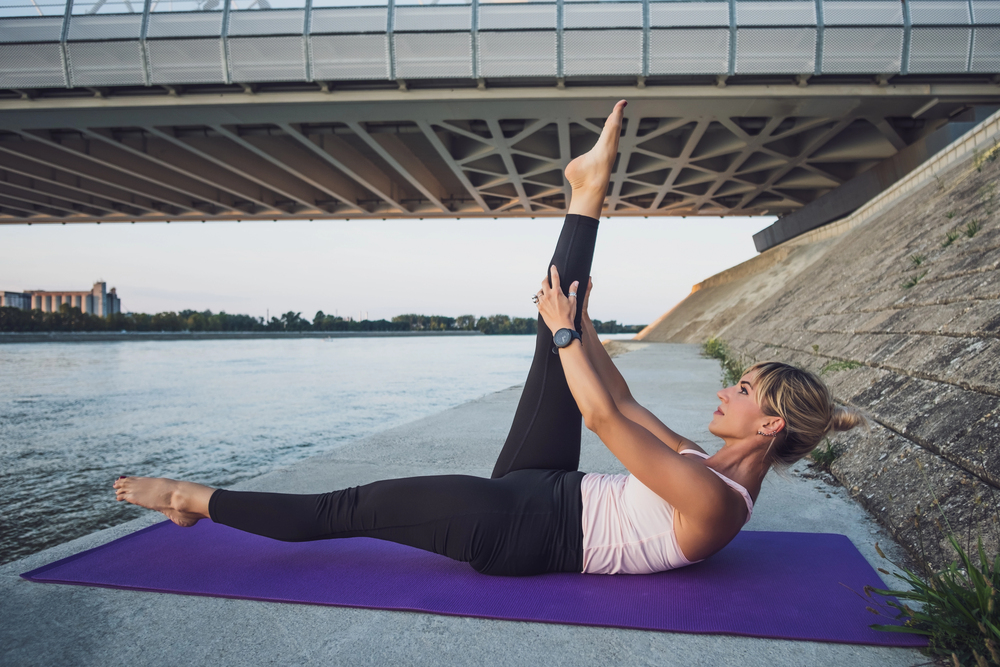
7. Single-Leg Stretch: Core, Coordination, and Flexibility All in One
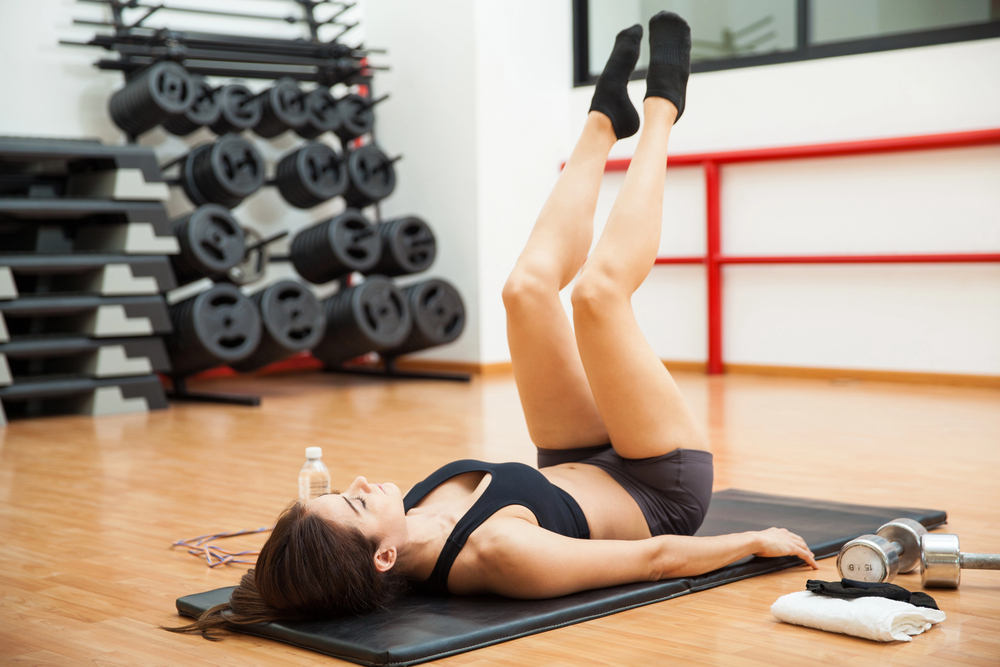
This Pilates staple is all about accomplishing several things at the same time engaging your abs, opening up your hips, and lengthening your hamstrings. Lie on your back, bring one knee into your chest and straighten the other leg, and then switch. As you’re moving, hold your head and shoulders up and keep your abs tight. Healthline points out that the single-leg stretch isn’t just working your deep abdominals, but it also demands synchronization of breath with movement, a Pilates signature move. It’s deceptively simple to do, with tremendous returns for core strength and flexibility. A strong, stable core is not about performing a million crunches or trying for a visible six-pack.
It’s about building a base that lets you slide every which way, from the mat to the world beyond. Pilates offers a science-backed, achievable path to deep core strength no equipment required, no experience necessary. By concentrating on these exercises, you’re not only exercising; you’re investing in improved posture, less pain, and a body that looks as good as it feels. So unfold your mat and let your powerhouse shine.

