
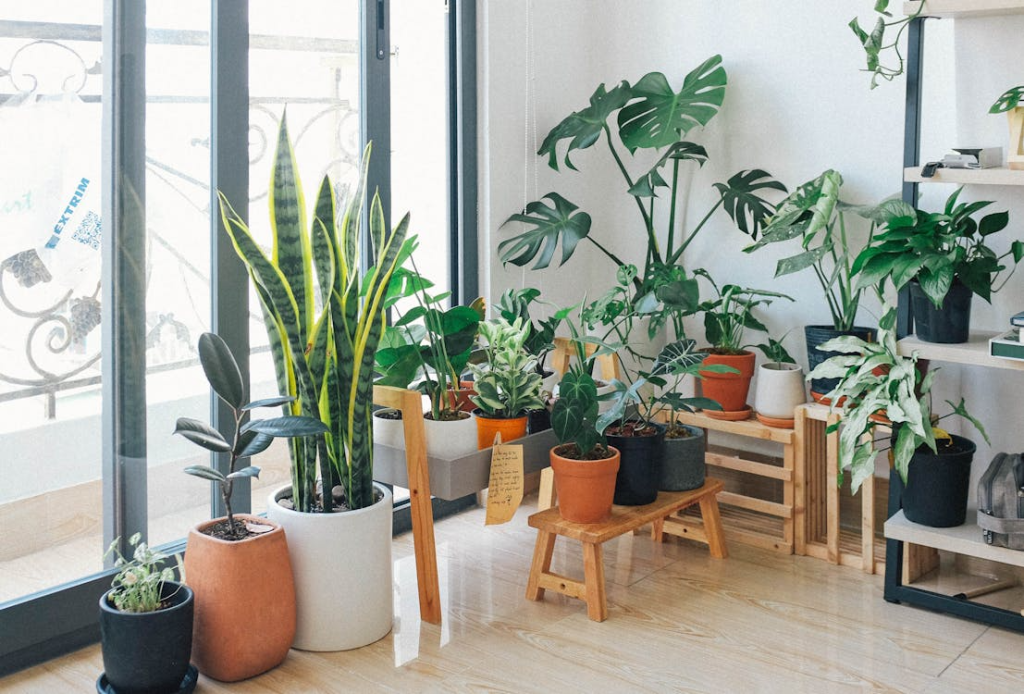
Ever had that sense that a space with one little leafy green is a nicer space? Well, it seems there’s more at play than might be immediately apparent houseplants aren’t just nice add-ons, but little green mood boosters with some seriously big good luck value. For plant lovers who love to scatter good energy, the right greenery can be life-changing.
From the shiny Chinese money plant leaves to the classic peace lily, there are certain houseplants that are meant to bring fortune, harmony, and even a little extra get-up-and-go in your step. But is the magic real? Science finally has the proof that old traditions already discovered: adding greenery to your life can improve your mood, calm your nerves, and cause you to flourish. Here’s a look at the luckiest, happiest houseplants and the science-supported ways they help you thrive.
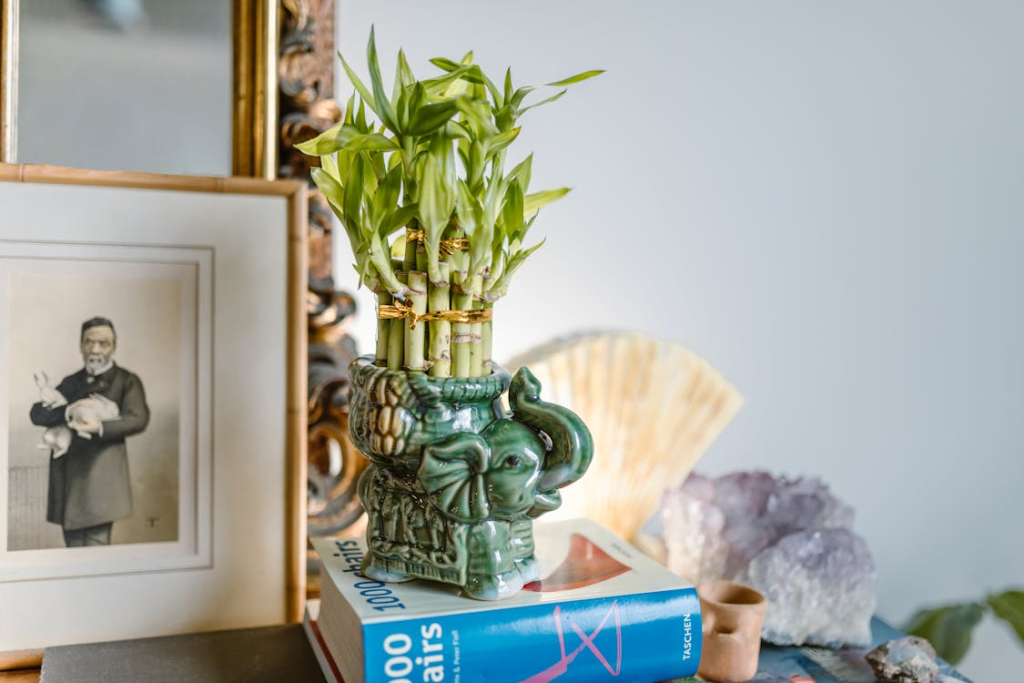
1. Lucky Bamboo: Simple Fortune and Positivity
Lucky bamboo is not actually bamboo, but the mythology of this dracaena bringing good fortune is well established. It’s ubiquitous in feng shui, where its tall stems are believed to bring positive energy and wealth. Lucky bamboo is almost impossible to get wrong simply place it in bright to medium, indirect light and change the water weekly if growing hydroponically.
Besides tradition, a plant like lucky bamboo in your home can also help create peace. Systematic reviews state that even one potted plant can decrease stress and blood pressure, turning your home into an oasis of calm. The best part? Lucky bamboo’s sculptural shape is great in modern or minimalist decor, so good luck and good design in one move.
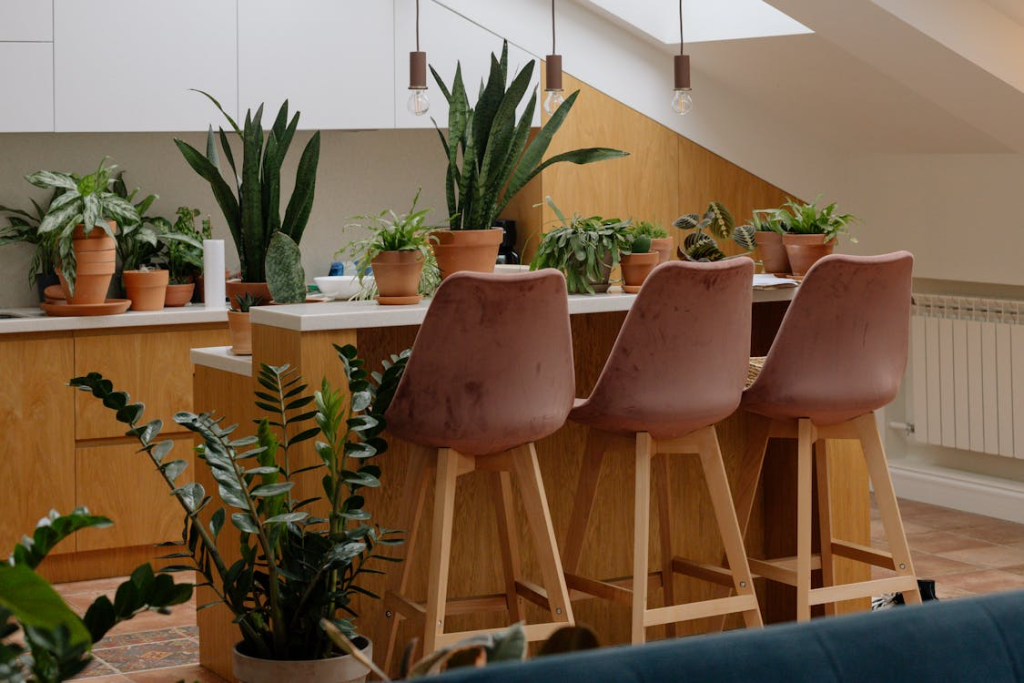
2. Snake Plant: The Low-Maintenance HealthBoosting Champion
With its sharp, upright leaves and ‘mother-in-law’s tongue’ reputation, the snake plant is not as intimidating as it seems. It is a health, creativity, and prosperity draw but also tolerates neglect with ease. Snake plants can survive low light, only need to be watered from time to time, and are famously difficult to kill perfect for absent-minded or busy plant parents.
But there’s more: in a recent study, snake plants were rated among the most beneficial for well-being and air quality. As researchers found, plants with lush green leaves and dense canopies like the snake plant are perceived to boost mood and create a sense of calm. Plus, their air-purifying reputation means you’re not just feeling better, you’re breathing easier too.
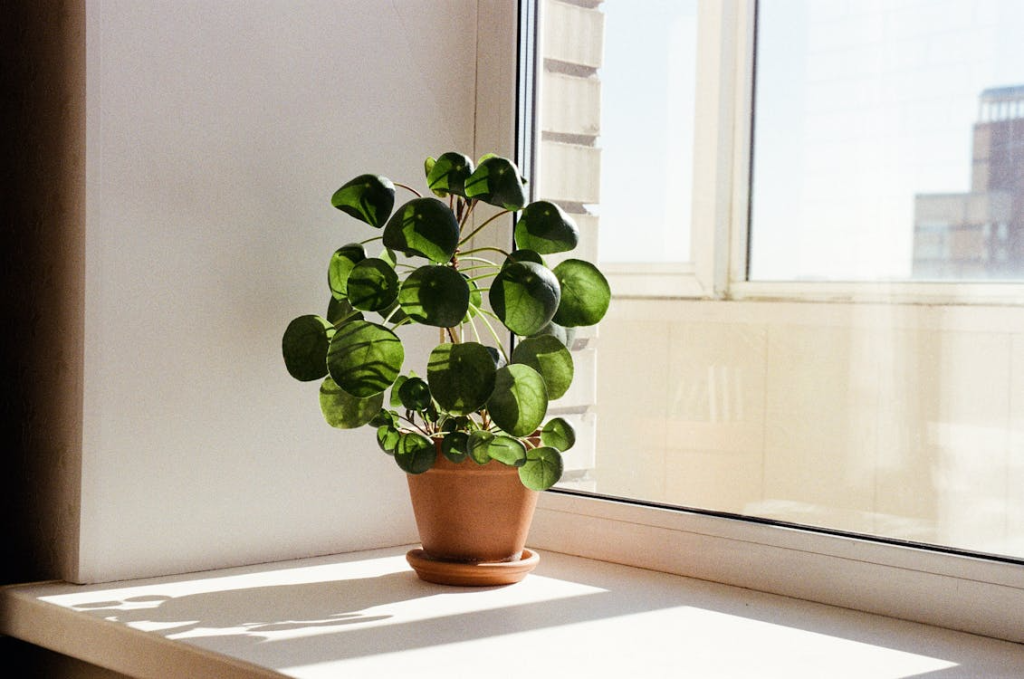
3. Pilea (Chinese Money Plant): Wealth, Giving, and a Feel-Good Factor
The pilea, which has circular, coin-like leaves, is literally the plant world’s version of a lucky penny. It has been a symbol of good fortune for centuries, and because it’s so easy to propagate, it’s also a generous plant literally. Giving pilea cuttings to friends has been said to double your own good luck, making it the must-have plant for aficionados.
Science verifies the mood-boosting power of leafy, attractive plants. Pilea and other spherical-leafed species were deemed most lovely and soothing in a large-scale survey, where volunteers rated the plants. Caring for and sharing plants can also generate a sense of pride and closeness. As Melinda Knuth, a North Carolina University assistant professor of horticultural sciences, described to Time Magazine, “We see a clear connection with the fact that being around plants improves cortisol levels in our body.”
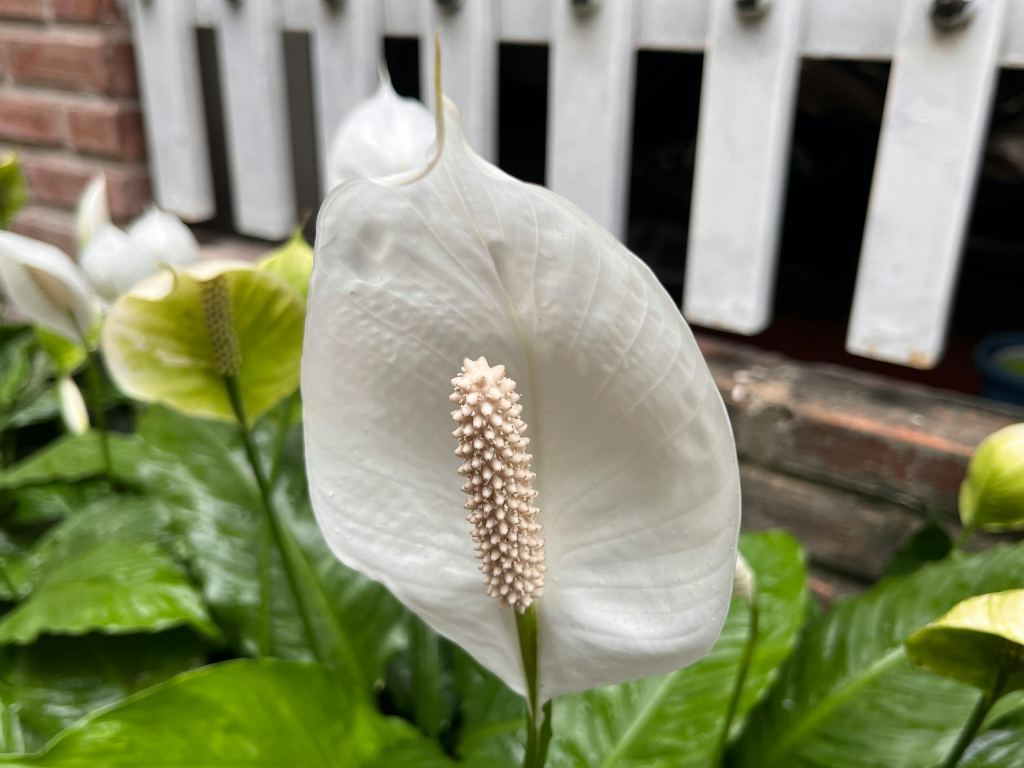
4. Peace Lily: Harmony, Purity, and Sleep Support
The gorgeous white blooms and gleaming leaves of the peace lily not only look good apparently, they can also bring a sense of peace and harmony to a room. In feng shui, peace lilies symbolize purity and peace, and are perfect for bedrooms or meditation rooms. Simply provide them with bright, indirect light and water when the soil feels dry.
But the best part: peace lilies are among the most effective plants to improve indoor air quality, and studies show that cleaner air will allow you to sleep more soundly and feel more invigorated. Studies also link exposure to houseplants with reduced diastolic blood pressure and a less stressed nervous system ideal for relaxing after a long day.

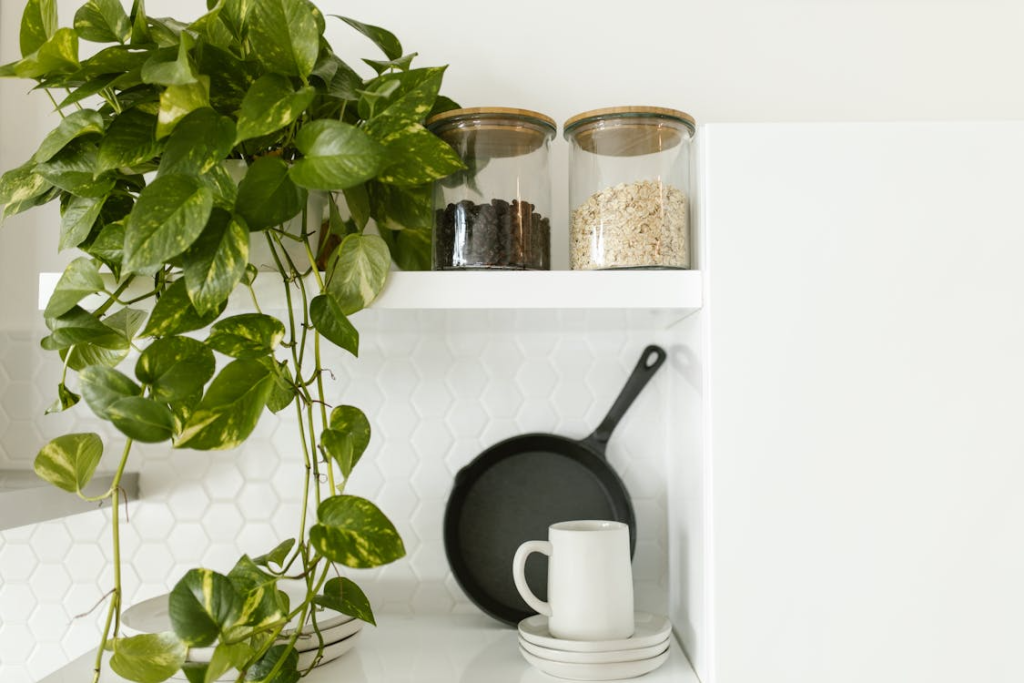
5. Neon Pothos: Mood-Boosting and Practically Unkillable
If you’re looking for a plant that thrives on a little neglect and still looks stunning, neon pothos is your new best friend. Its trailing vines and vibrant green leaves are not only eye-catching, but also top-rated for boosting well-being. In a University of Reading study, pothos was one of the three plants most strongly associated with positive feelings and perceived health benefits.
Pothos is especially forgiving if you ever happen to forget to water or get less-than-ideal light. And due to its luscious, trailing growth, it brings a soft, calming energy into any room. As the study found, “plants with rounded leaves like pothos were perceived by participants to be more beautiful and relaxing.”

6. The Power of Greenery: Science-Backed Stress Relief
Putting any green houseplant in your own home can make a measurable impact on your mood. There are a number of systematic reviews that confirm that indoor houseplants lower blood pressure, heart rate, and even cortisol, the stress hormone. In one study, employees who worked with indoor houseplants had a healthier heart rate and felt more relaxed than individuals doing computer work.
It’s less about the plants and more about nurturing them. Care routine gives those who want responsibility but do not want pet commitment a sense of fulfillment and purpose. A single well-chosen plant can give the boost and create the calming sanctuary.

7. Curved Leaves and Lush Canopies: The Psychology of Plant Shapes
It also happens that the form of your plant is just as vital as its type. Studies have shown that humans are subconsciously drawn to plants with spherical leaves and thick, curved canopies. These shapes are more readily processed by the brain and are associated with the emotional state of positive feelings and tranquility.
Foliage plants like the weeping fig, palm, and pothos top the list for prettiness and imagined wellness advantages. Their opposites, however, are prickly or sparse ones like cacti or dragon trees, less popular for inducing calmness. To receive the highest stimulus, choose plants with soft, thick foliage and keep them in prime health miserable plants can even have an opposite effect on your mood.

8. Less Is More: Quality Over Quantity for Maximum Impact
With houseplants, it isn’t necessary to have one in each corner to enjoy the benefits. Research shows that even a single, healthy plant can brighten up a room and your mood. Too many plants, however, become a distraction if you’re trying to focus, so choose and position wisely where you’ll derive the greatest benefit from them.
Grouping a few plants of different shapes and colors can be a stylish accent, and one show-stopping plant can turn an ordinary corner into a showstopper. The secret is to select varieties that thrive in your climate and are low-maintenance bonuses for all that spread joy with you.
9. Houseplants and Cognitive Benefits: Greater Concentration and More Success
Other than the positive aura, houseplants can even help you become a better performer. Meta-analyses have proven that houseplants can significantly enhance academic performance and even reactivate creativity and response time. Findings in a study showed participants under plant conditions were achieving higher grades and completing tasks in lesser time than in the absence of plants.
So, if you’re a home worker, a student, or just need to maintain your wits, having one or two plants on your workspace or desk may place that little bit extra on your side. As the research has it, “participants exposed to indoor plants had significantly higher academic achievement than their counterparts.”
Bringing good luck plants into your life is not just about tradition or decor it’s a smart, science-backed approach to boosting your mood, health, and even your performance. From rich pothos to snake plants as hard as rocks, the right plant will transform your space into a good luck haven. The best part? You don’t need a green thumb or a whole jungle’s worth of plants just a sprinkling of leafy luck is all you require.

