
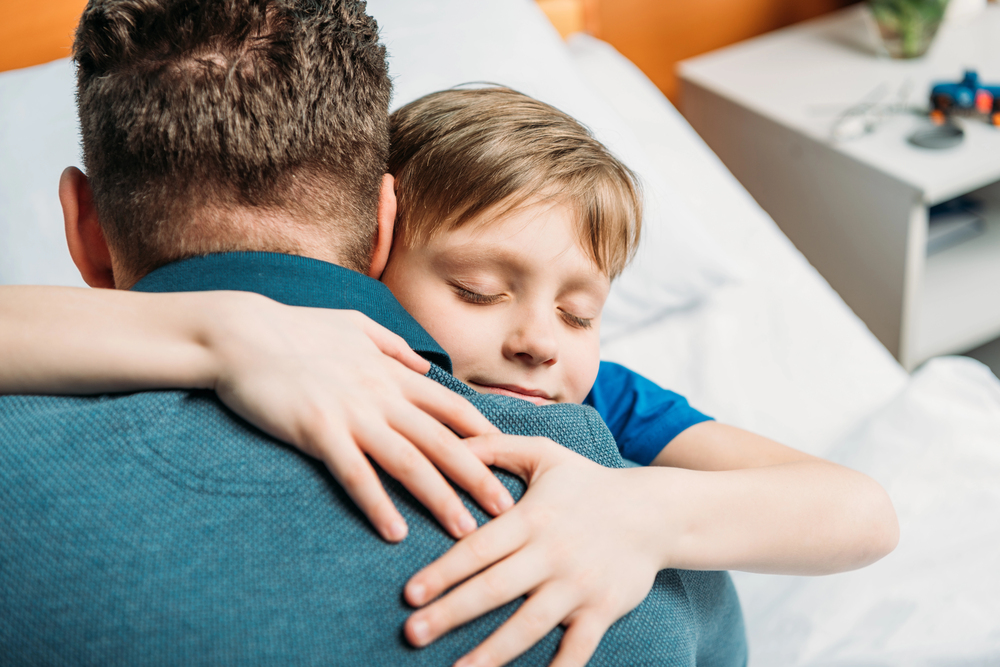
Imagine this: a world where masculinity is a hug, not a trap. For so many, that sounds like something out of a utopian novel, particularly in a culture twisted by toxic masculinity and the ceaseless echo chamber of the manosphere-friendly online “manosphere.” And yet, it’s not imaginary. Trans men are the living embodiment of the possibility that masculinity can be reimagined, reclaimed, and transformed into something radically inclusive.
1. The Manosphere’s Shadow: Why Traditional Masculinity Hurts
The so-called manosphere has proliferated throughout social media, disseminating messages that identify manhood with dominance, stoicism, and anti-femininity. Research indicates these online communities don’t simply target women they actually police and demean men who don’t conform to a narrow description. One study discovered that individuals are criticized for their seeming masculine shortcomings, i.e., young faces, receding chins or absence of musculature, with a few even being exhorted to injure themselves in the event they are not good enough in these “ideals.” Lookmaxxing demoralizes and does damage to the health of men and boys.
The effect? Men express more anger, aggression, alcohol and drug use, and risk-taking than women, which are unrecognized male-specific symptoms of depression because adherence to North American masculine ideals demands the rejection of femininity and weakness. It’s no wonder that so many men are isolated, angry, and unfulfilled.
2. The Cost to Emotional Wellbeing
Mental health professionals are raising an alarm: depression and suicide are listed as a top cause of death in men, and men kill themselves at four times the rate of women depression and suicide are listed as a top cause of death in men. Stigma around help-seeking is particularly intense in those steeped in toxic masculinity. As one scholar writes, “American men are subject to a culture in which the ideals of masculinity are literally killing them.” The insistent message? “Toughen up. Suck it up. Don’t ask for help.” The outcome is a pattern of emotional repression, shame, and dangerous behaviors.

3. Inclusive Masculinity: A New Theory, A New Hope
But masculinity is not a monolith. Scholarly theories such as Inclusive Masculinity are picking up steam, demonstrating that masculinity may be about emotional closeness, being inclusive, and resisting harmful norm theories theories of hybrid and inclusive masculinity propose these forms of masculinities have a number of advantages for both men and society at large. This isn’t theory it’s living reality for a lot of trans men, who, through their individual experiences, are shaping what it means to be a man without the poison.
4. Trans Men: Redefining and Reclaiming Brotherhood
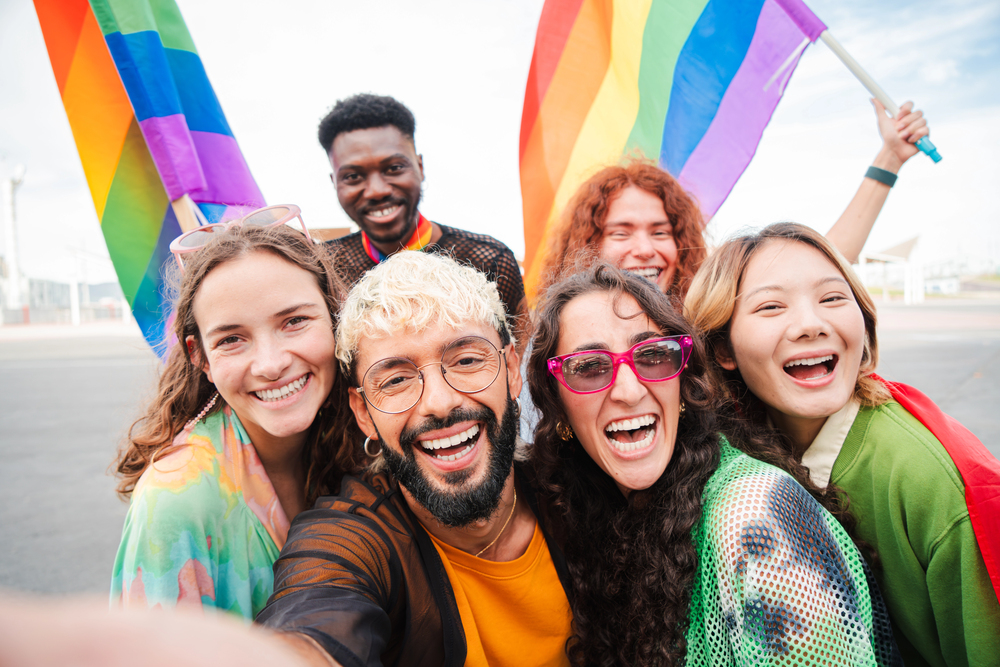
Trans men typically begin life socialized as girls, coerced into rejecting their masculine desires. When they transition, it’s not about bodies it’s about reclaiming brotherhood and belonging. As one trans activist explained, “When men are not wholesome in their masculinity, they are missing out on so many emotions and care and love.” For Shaman, a social entrepreneur and trans rights campaigner, the best thing about masculinity is that it’s “non-threatening and wholesome in many ways.” He says that he gets more warmth from other people, particularly women, and feels that this openness is something that cis men tend to lack “When I’m in a group, even with people who don’t know that I’m trans, I feel that I receive more warmth from everyone, especially from women.”
5. Combining Femininity: The Strength of Fluidity
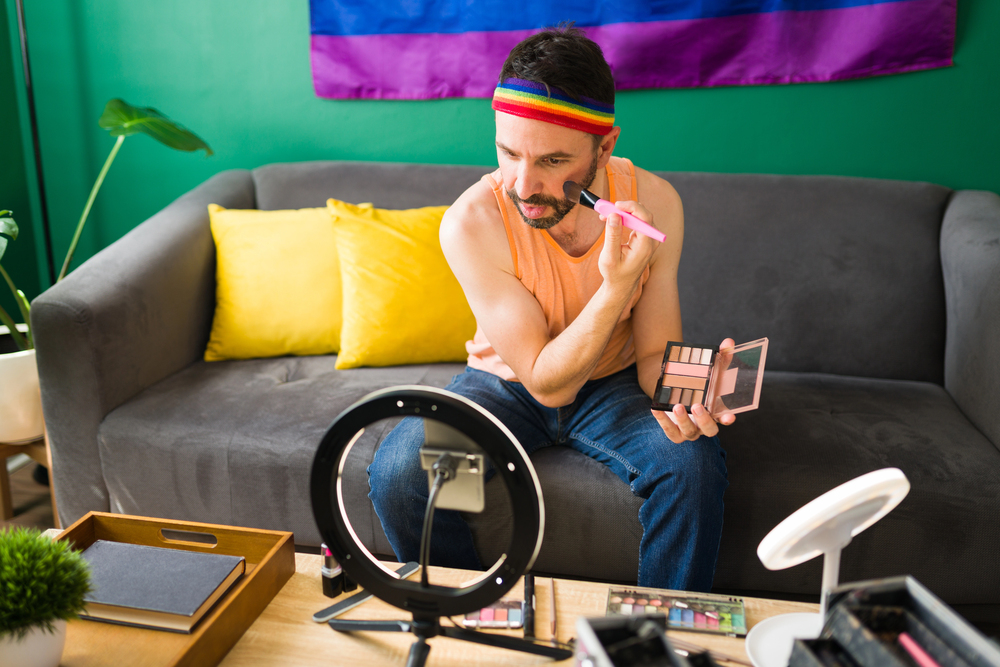
In contrast to the manosphere’s strict code, most trans men freely incorporate elements of femininity into themselves. One trans man talks about contentedly holding on to various parts of his femininity, even as he becomes an out public activist. This mixing of qualities is not understood as a flaw, but as a weakness and authenticity. As one author pointed out, “A real man is someone who respects and cares for others.” The moral? Masculinity doesn’t have to be anti-feminine to be strong.
6. Disrupting Traditional Male Spaces: Sports, Activism, and the Military
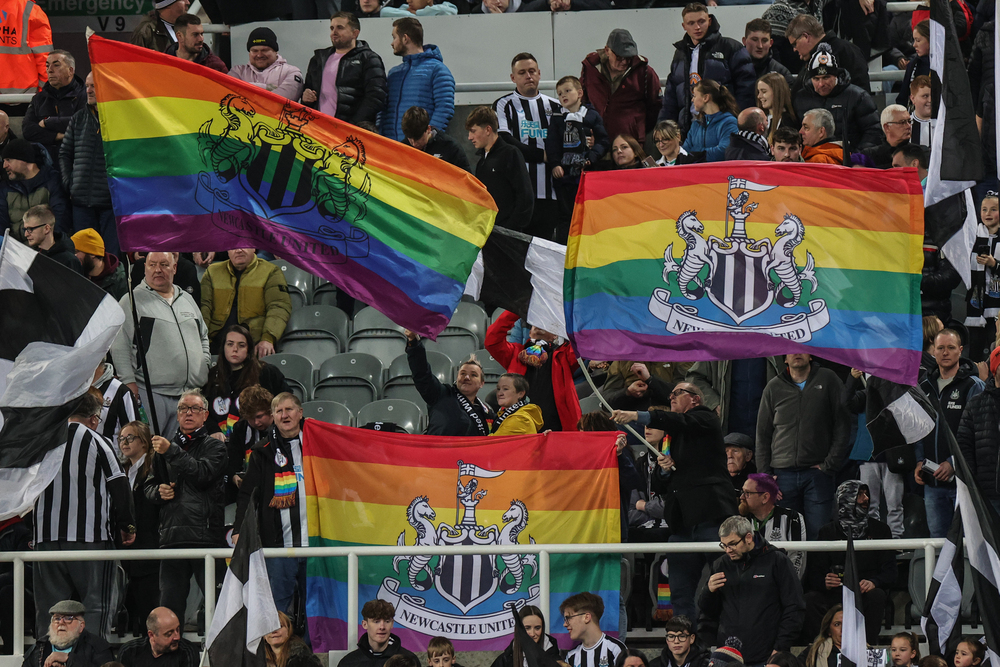
Trans men aren’t just theorizing new masculinities they’re acting on them out. In sports, for instance, trans male athletes present special challenges, ranging from policy navigations to stigma-busting. In spite of obstacles, they’re succeeding and creating opportunities for others. Even the military has experienced trans men enlist to claim their manhood, bracing themselves against issues and opportunities. These everyday examples demonstrate that trans men aren’t merely taking the predictable paths trans men aren’t merely taking the predictable paths they’re redefining male spaces, and in doing so, they’re creating new avenues for the generations to come of trans and cis men.
7. The Ripple Effect: Why This Matters for Everyone
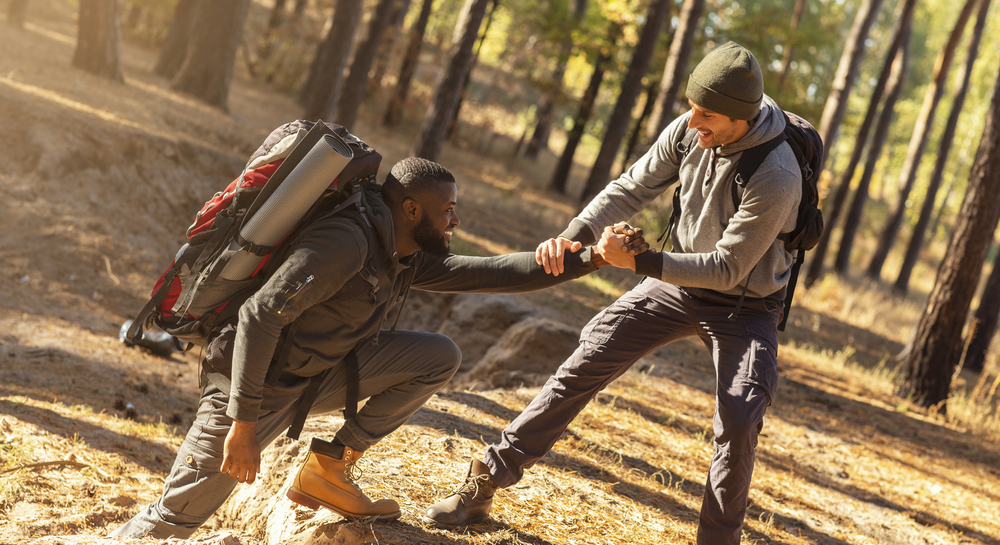
The emergence of inclusive masculinity is not only good for trans men but also throws a lifeline to all men and boys wanting more genuine ways of being themselves. Psychological studies reveal that open and inclusive masculinities are associated with improved mental health outcomes, increased help-seeking, and healthier relationships accept help, and help others. Nobody is impressed with your exhaustion and stoic struggle. The more society accepts emotional expression, empathy, and support for each other, the less control toxic masculinity will have.

Trans men’s experiences show that masculinity can be a site of joy, connection, and freedom not only for trans men, but for anyone willing to adopt a more expansive, humane version of manhood. As the culture continues to transform, this book provides hope and an actual guide for all who want to see masculinity as a force for healing, not harm.


