
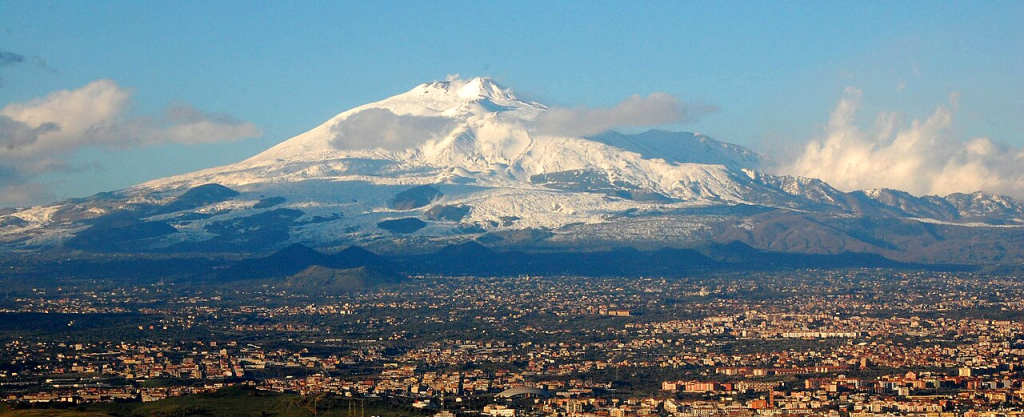
It doesn’t happen very frequently when scientists find out how to listen for a volcano’s “heartbeat” months before it erupts but that is exactly what’s happening at Mount Etna. Researchers have unlocked a new window of eruption forecasts by tracking changes in the b value, an earthquake indicator that indicates whether or not stress is building up or releasing far beneath the volcano. This technique not only enhances the accuracy of predictions for Europe’s biggest active volcano it might revolutionize volcanic monitoring worldwide.
1. Interpretation of the b Value
The b value measures the ratio of little to large earthquakes in an area. In volcanology, it is not just a number it is a measure of crustal stress. “Changes in the b value over time tell us whether stress in the volcano is increasing or decreasing,” explained Marco Firetto Carlino, a geophysicist with INGV’s Etna Observatory. As magma rises, it changes stress in surrounding rock, tilting the scale between small and large quakes.
2. Etna’s Intricate Magma Pathways
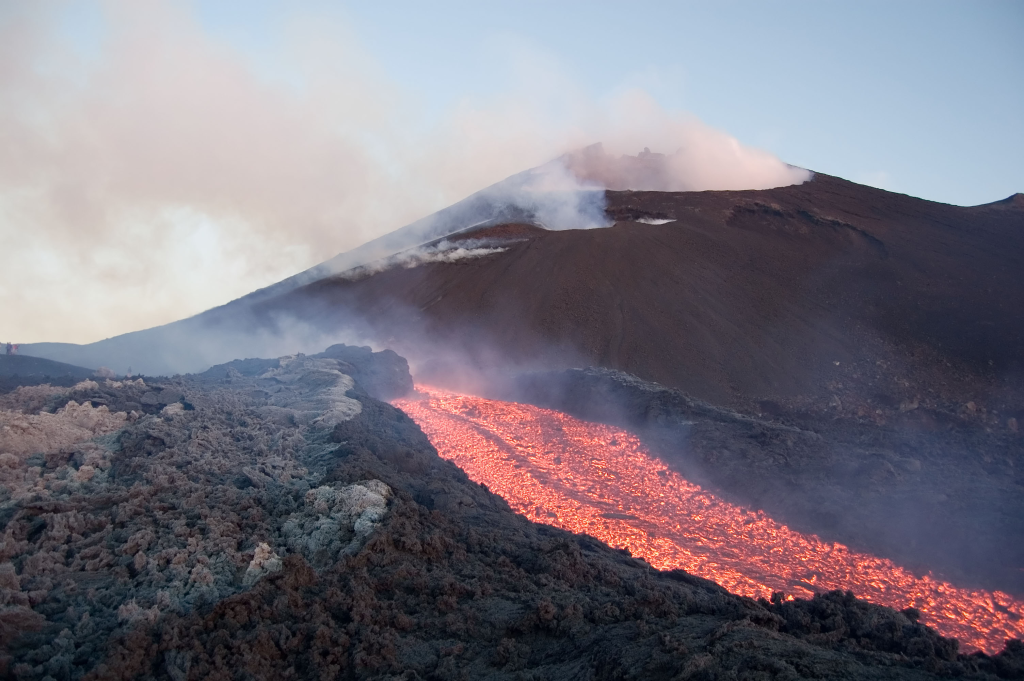
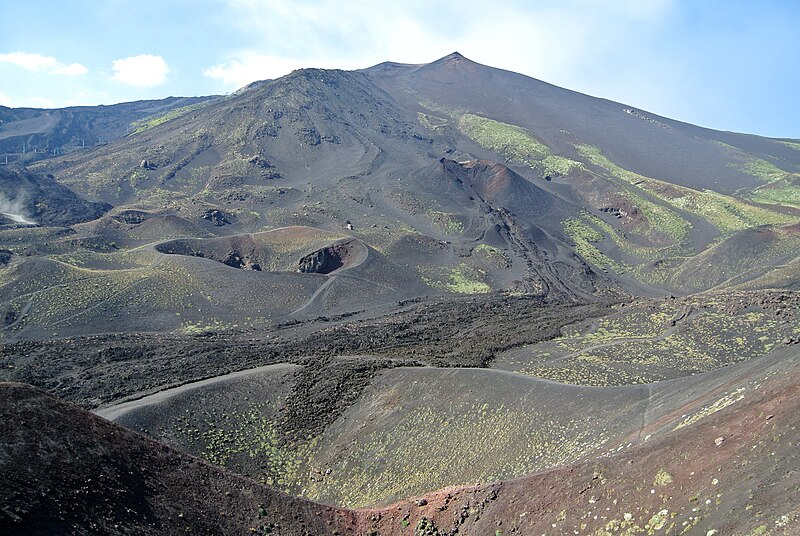
Etna’s plumbing system is not a single giant magma chamber it’s a web-like network of storage areas in multiple different depths. The lowest is 7–12 km below the sea, feeding an intermediate system at 3–7 km, which feeds a shallow one above sea level. Magma rises up through fractures and faults, and each zone yields a different seismic fingerprint.
3. How Seismic Monitoring Has Evolved
Owing to decades of seismic network upgrades, the researchers now receive more information than ever. Networks like INGV’s 30+ broadband stations detect even minor earthquakes, allowing researchers to calculate b values accurately. This is mirroring action at other volcanoes, such as Chile’s Copahue, where precise seismic catalogs have accounted for how magma interacts with fault systems.
4. Deep, Intermediate, and Shallow Signals
By partitioning Etna’s seismological data into three zones of depth, scientists noted different patterns. The deep zone has an average b value of about 1.00 comparable to tectonic environments while for the intermediate zone it is greater at 1.70, pointing to fractured, fluid-filled rock. The shallow zone is 1.31, implying a relatively constant conduit. Changes and drops in these values over time align with magma recharge, volatile buildup, and eventual ascent.
5. Case Study: The 2018 Unrest
In mid-September 2018, b values in the intermediate zone reached their maximum, signaling high volatile pressure. Two months later, Etna had its primary unrest phase, which was marked by high seismicity, ground deformation, and gas releases. Later b value reduction reflected stress increase due to dyke propagation before there was a short fissure eruption.
6. Why This Matters for Prediction
Because seismic waves travel instantaneously in comparison to gas or deformation signals, b value changes might take place months before other indications of an eruption. This puts scientists ahead teasing to provide timely warnings. “Monitoring the b value gives a good way to track magma movement in the crust and check the status of the volcano as it changes before eruptions,” Firetto Carlino said.
7. Global Potential
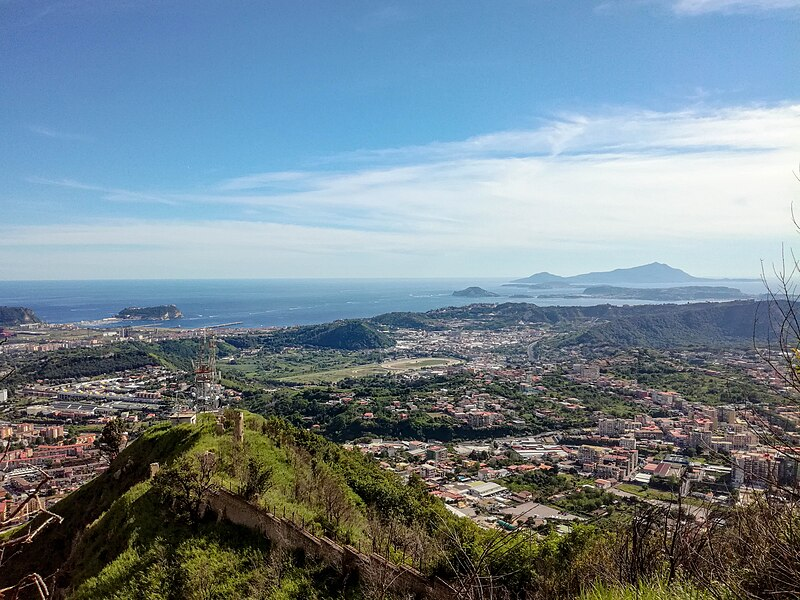
The method is not limited to Etna. With a comprehensive seismic record and well-mapped crustal provinces for a volcano, b value monitoring can detect magma migration elsewhere. At Campi Flegrei, the same has been employed to separate shallow hydrothermal activity from deep magmatic activity, enabling scientists to make sense of unrest periods without relying on surface data only.
8. Future Directions in Volcano Monitoring
Researchers envision b value analysis being included in multiparametric monitoring systems, alongside gas measurement, ground deformation, and thermal imaging. Advances in the future, like AI-calculated quake detection, could make real-time monitoring of b values even more accurate, lowering the magnitude threshold and even identifying tiny stress changes.
This method alters the methodology of scientists “reading” what happens inside a volcano, giving an intermediate- to long-term view of magma processes. For Etna, it’s reaching nearer to precise eruption forecasting. For volcanologists globally, it’s a blueprint to translate seismic noise to life-saving signals.

