
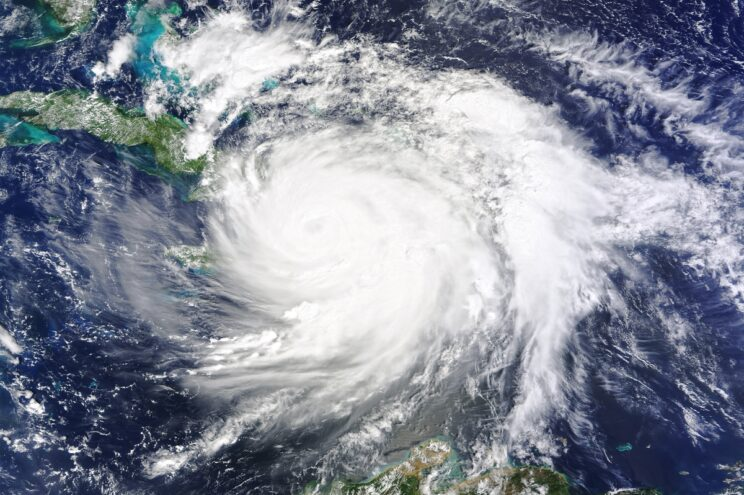
In the words of Jamaica’s Minister of Local Government, Desmond McKenzie, “This is one of the worst experiences that we have ever encountered.” As Hurricane Melissa barrels through the Caribbean, those words carry the weight of a nation bracing for a once‑in‑history blow.
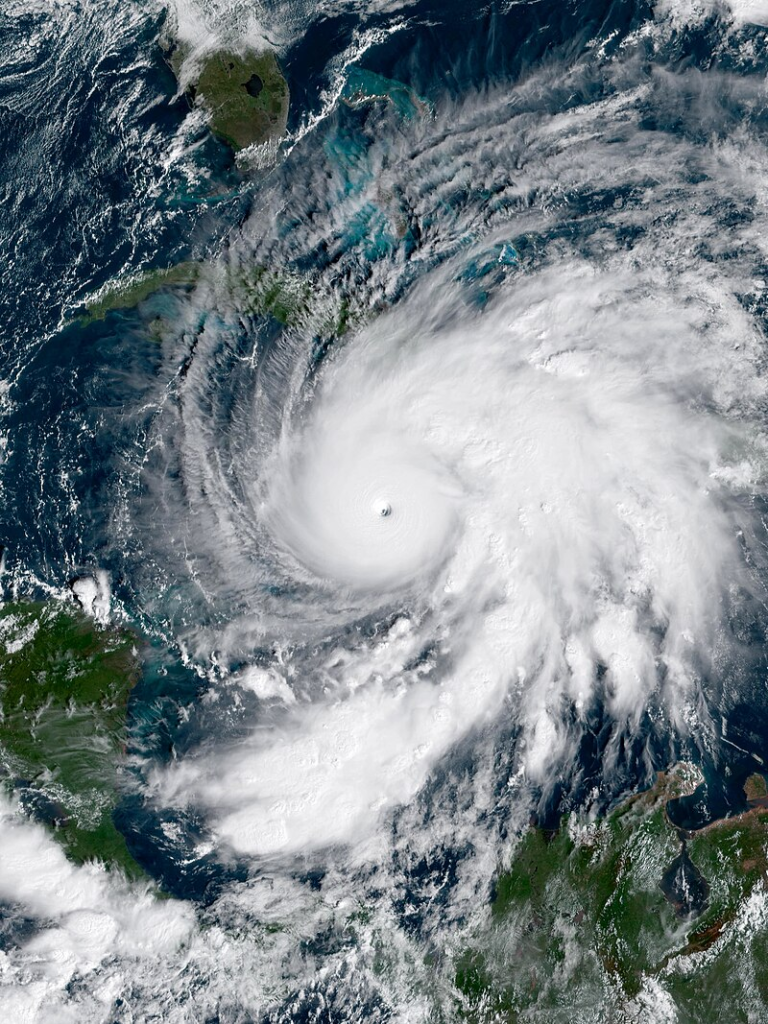
1. A Category 5 Monster Takes Aim
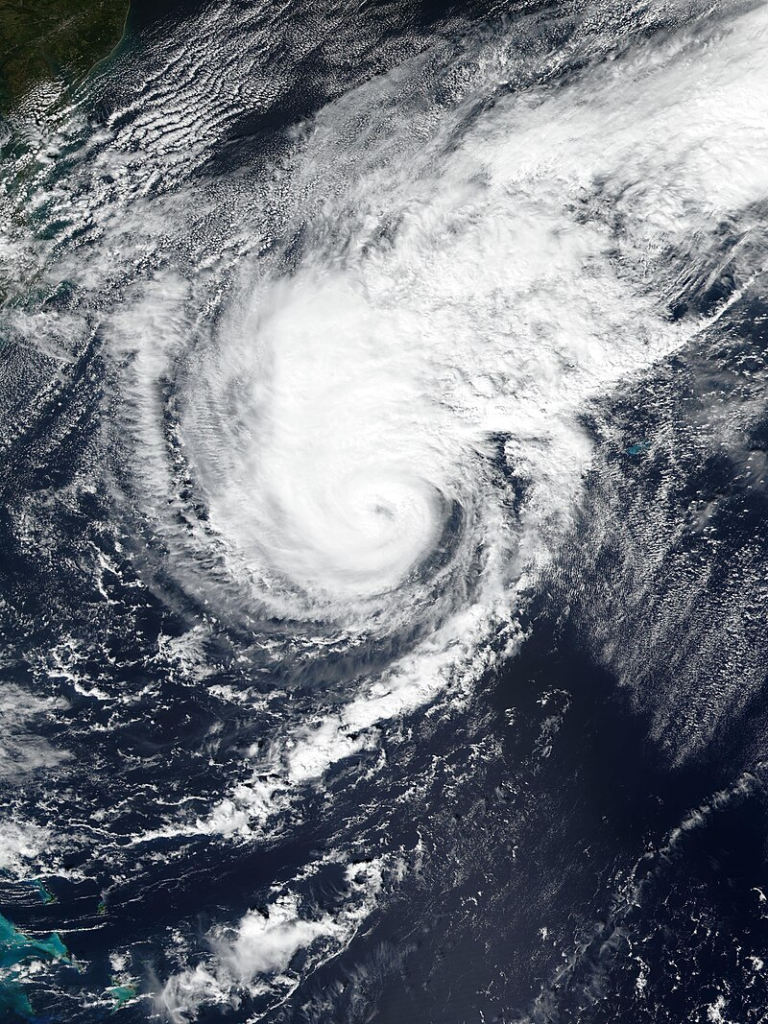
Melissa roared into Jamaica as a Category 5 hurricane, with 185‑mph winds, the strongest storm on record ever to make landfall on the island since records began in 1851. The National Hurricane Centre warned of catastrophic and life‑threatening conditions with storm surge projected at 9 to 13 feet along the southern coast. Winds in the eyewall can bring total structural failure, especially over higher elevations, where gusty winds can be even stronger than the surface winds.
2. Rapid Intensification Fueled by Hot Seas
Meteorologists call Melissa’s explosive growth – from 70 mph to 140 mph in just 24 hours – a textbook case of rapid intensification. Ocean waters in its path were about 2.5°F warmer than average, a condition up to 800 times more likely because of human‑driven climate change. Climate scientists warn that such rapid strengthening near coastlines poses greater risks to lives and infrastructure, giving communities little time to prepare.
3. Jamaica’s Emergency Response in Motion
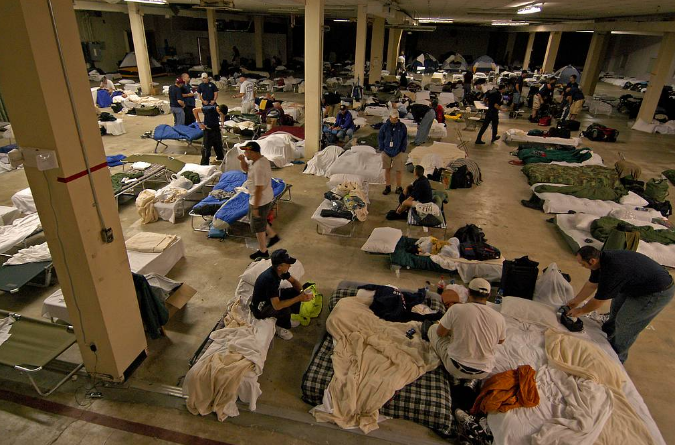
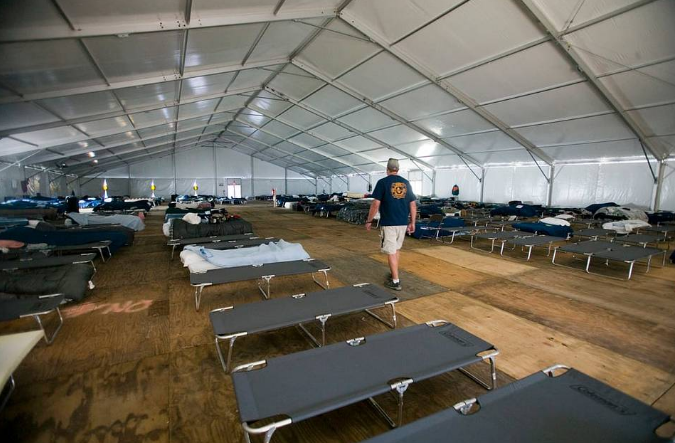
Authorities opened over 800 shelters and moved thousands out of flood‑prone areas. Airports were shut down, cruise ships rerouted, and emergency crews positioned relief supplies at the ready. “Get to the sturdiest building that you can find,” said NHC Director Michael Brennan. The Jamaica Red Cross mobilized volunteers with shelter kits, hygiene supplies, and water, targeting vulnerable communities across eight parishes.
4. Communities Under Siege
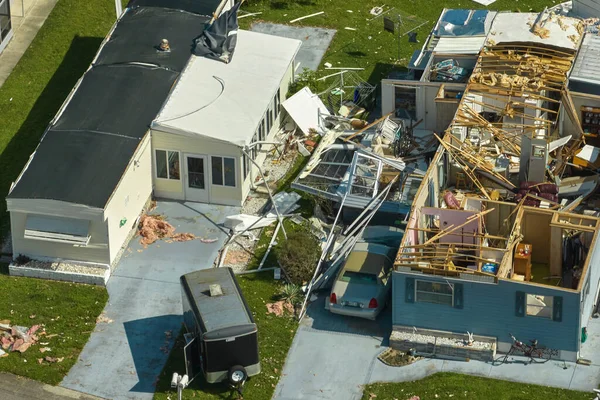
The country’s “breadbasket,” St. Elizabeth Parish, is underwater. Hospitals such as Black River and Cornwall Regional sustained roof damage and flooding. A fire station was among the buildings inundated in Clarendon. More than 530,000 Jamaicans – 77% of the grid’s customers – lost power. Telecommunications companies have reported a number of fibre breaks and downed lines, most especially in western Jamaica.
5. Human Stories of Resilience
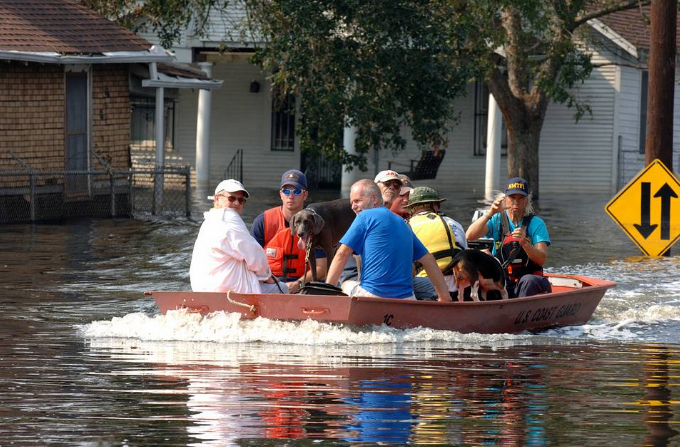
From Kingston to Montego Bay, residents are hunkering down. Winston Warren of east Kingston described the sound as “a constant roar of water” and said, “We’ve seen a lot of roofs blown off.” American honeymooners Adam and Jordan Simmons are sheltering in the restaurant of a resort, reassured by staff but concerned for the wider island. In Mandeville, Tamisha Lee of the Jamaica Network of Rural Women Producers said, “The fear is real, but our preparation is helping us manage that fear.”
6. The Science Behind the Surge
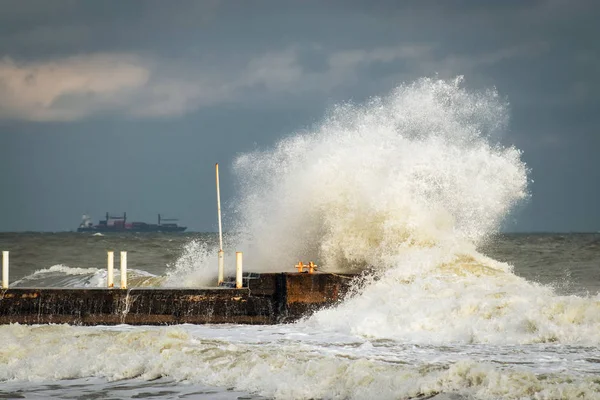
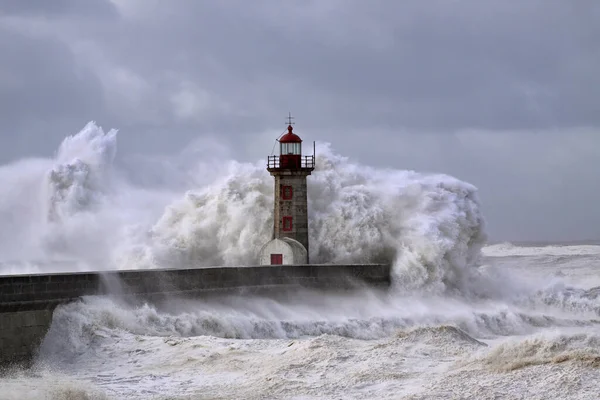
Melissa’s slow motion-at times just 2 mph-means prolonged battering. Warmer air can hold more moisture, so rainfall totals could reach 30 to 40 inches in Jamaica’s mountains, triggering landslides and flash floods. Rising seas from climate change amplify the impacts from storm surge, pushing water farther inland. For every degree Fahrenheit the atmosphere warms, it can hold 3-4% more moisture, leading to more intense rainfall events.
7. Regional Impact and Next Targets
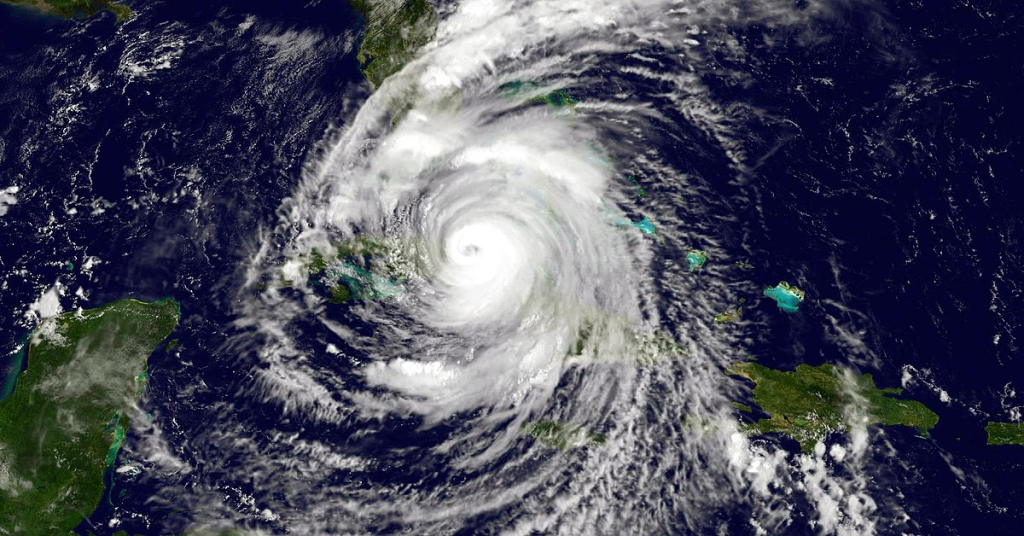
Forecasters said Melissa is heading for a major hurricane strike on Cuba, bringing up to 25 inches of rain and a storm surge reaching 12 feet along coastal towns from Santiago de Cuba to Guantánamo. The Bahamas and Turks and Caicos remain under hurricane watches, with surges as high as 6 feet possible. Already, Haiti and the Dominican Republic reported fatalities and widespread flooding.
8. Global Climate Context
Melissa is the third Category 5 hurricane of the 2025 Atlantic season, an occurrence rivalled only once by 2005. According to climate experts such as Bernadette Woods Placky of Climate Central, “in our warmer world, it will continue to increase the likelihood of storms going through rapid and super‑rapid intensification.” In the face of coastal erosion and strained infrastructure, small island states are calling for urgent global action to limit warming to 1.5°C.
9. Staying Safe amidst the challenges
Officials encourage residents to stay in shelters until the all‑clear is given. The NHC recommends putting “as many walls as possible between you and the outside” and using interior rooms without windows. And in areas prone to flooding, there’s even a warning about displaced crocodiles seeking dry ground. Relief groups such as World Central Kitchen are standing by to serve meals once conditions allow, aiming to help with immediate survival and longer‑term recovery.
The road to recovery has just started for Melissa, but the collective response from local volunteers to international aid reflects deep resilience. Prime Minister Andrew Holness encapsulated it best when he said, “Believe that we will get through it and we will get through it together. No one is alone.”

