
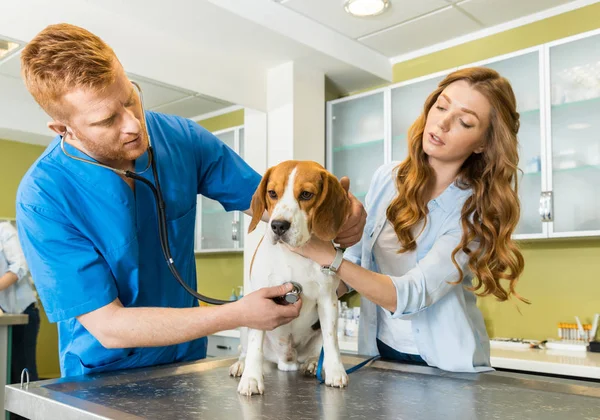
It usually starts with something small a meal skipped, a weird cough, or a sudden change in energy. But to dedicated dog owners, these minor changes can be the earliest signals that something much more serious is brewing. Dogs cannot tell us in words when they are hurting, so it’s up to their owners to recognize the signs that could be the difference between a quick recovery and a life-threatening emergency.
Veterinarians insist that though most canine quirks are innocuous, some changes in your pet’s behavior require immediate attention. “Most of the time, something common is going on,” says Dr. Jo Myers of Vetster, “but there are situations that warrant more urgent attention.” From breathing troubles to unexplained lumps, these are the warning signs experts say should never be brushed off.
Here’s a vet-backed guide to the health red flags that call for immediate attention, because the earlier the problem, the better the chances of your dog living a happy, healthy life and staying by your side for years to come.
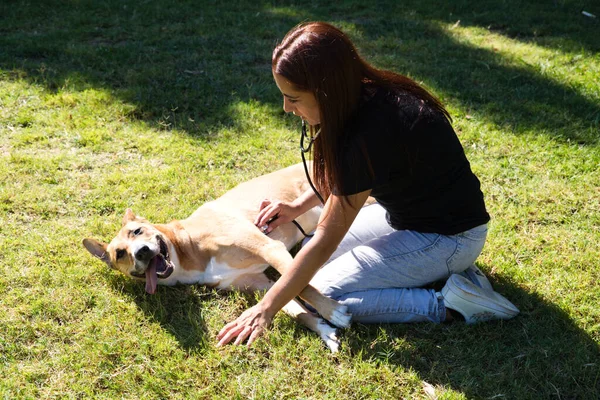
1. A cough that lingers beyond two weeks.
A lingering cough is often more than just an annoyance it may even be the first sign of heart disease. Generally, mild infections of the respiratory system get resolved on their own. But if the coughing persists for more than two weeks or doesn’t seem to respond to conventional therapy, its cause should be investigated. Persistent coughing can point to mitral valve disease or dilated cardiomyopathy, both of which are usually the precursors to congestive heart failure. Heart failure in dogs states that a wet, phlegmy cough accompanied by labored breathing is usually brought on by fluid buildup in the lungs due to a weakened heart. Early diagnosis means more treatment options and a better quality of life.

2. Unexplained Weight Loss
When pounds fall off without a change in diet or activity, it’s a red flag. Significant weight loss while still eating normally will raise suspicions of cancer, unusual infections, or metabolic disorders. Veterinary oncologists say cancer cachexia is common muscle and fat loss even though the patient is eating enough to gain weight. Even gradual slimming can be serious, so a vet visit is crucial for running diagnostics, such as bloodwork and imaging, to reveal the cause.
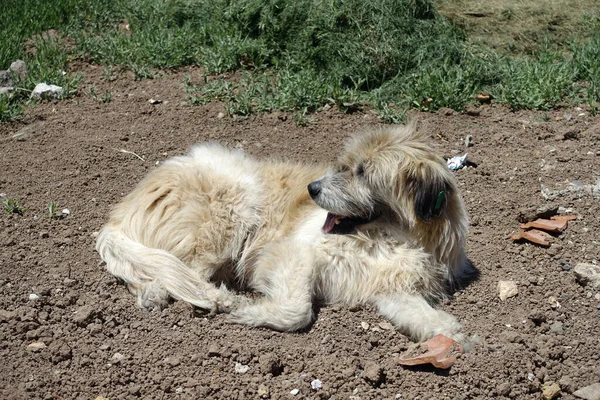
3. Labored or Rapid Breathing while at Rest
If your dog’s chest is working overtime while they’re lying still, that’s cause for concern. An elevated respiratory rate and effort may indicate pneumonia, congestive heart failure, or airway obstruction. Dr. Carly Fox says breathing trouble “requires emergency care because oxygen deprivation can quickly worsen.” Counting breaths while your dog is at rest can help you catch changes early- normal rates are under 30 breaths per minute.
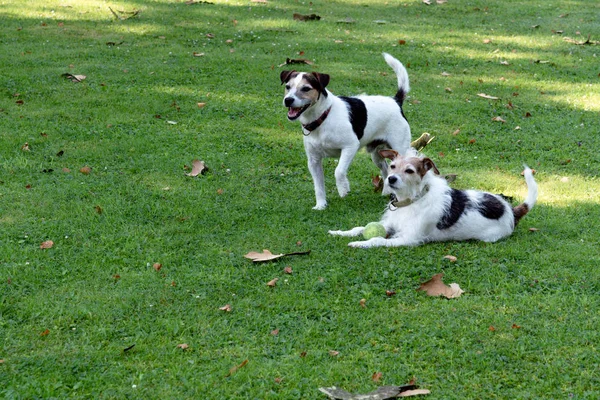
4. Sudden Resource Guarding
If a dog stiffens, growls, or lunges when approached near food, toys, or even a favorite person, this may be resource guarding. While the behavior is often based on a history of scarcity, it can also indicate pain or anxiety. Trainers suggest slow desensitization through actions such as tossing treats from a safe distance and seeking professional help to avoid escalation, since, as experts note, punishment exacerbates guarding and erodes trust.

5. Swelling of Eyes, Shutting or Murkiness
Eye problems can become serious, even to the point of blindness, in a very short period. Conditions such as corneal ulcers, glaucoma, or foreign bodies are extremely painful and, if left untreated, might result in blindness. A sore, swollen, or tightly shut eye requires immediate veterinary attention. Fluorescein staining can highlight ulcers, and intervention treatment-sometimes surgery-can salvage the eye.
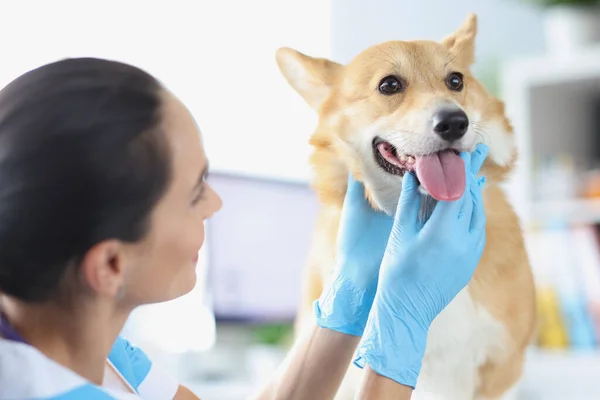
6. Bad Breath Beyond ‘Doggy’ Smell
A bad smell coming from your dog’s mouth isn’t just unpleasant-it could be a sign of dental disease, oral tumors, or even kidney failure. Research proves 80% of dogs over the age of three have some degree of dental disease, in which bacteria can spread to the heart, liver, and kidneys. Regular dental exams, daily brushing, and vet-approved chews can help prevent serious complications.

7. Loss of Appetite or Excessive Thirst
Not eating for periods longer than a day or two-especially in dogs that normally wolf their food down-can indicate pain, dental disease, or systemic illness. Conversely, increased water consumption and urination could be a symptom of diabetes, kidney disease, or other hormonal disorders such as Cushing’s disease. Veterinarians emphasize that both conditions warrant quick attention, since timely intervention can prevent damage to organs.

8. Noticeable Lethargy or Reluctance to Move
A dog that’s suddenly less active or hesitant to climb stairs might be dealing with pain from osteoarthritis, injury, or illness. Indeed, studies have found that nearly 40% of dogs experience some form of arthritis pain, with some cases beginning as early as nine months of age. Early recognition of signs, such as lagging on walks or limping after play, permits interventions like weight management, joint supplements, and pain relief.

9. Persistent vomiting or diarrhea
Occasional stomach upset isn’t unusual, but repeated bouts over weeks or months can indicate pancreatitis, food intolerance, or organ disease. The presence of blood in vomit or stool is considered most urgent because it may indicate infection, poisoning, or internal gastrointestinal bleeding. Persistent symptoms carry the risk of dehydration and require studies like bloodwork and abdominal imaging to diagnose the cause.

10. Lumps, swelling, or enlarged lymph nodes
New or growing swellings should always be investigated, because they can be either benign or malignant. Enlarged lymph nodes-those that can be felt under the jaw, in the armpits, knees, or groin-indicate lymphoma, one of the most common canine cancers. Early detection via physical examination and biopsy, if necessary, can make all the difference in effective treatment.
Dogs depend on their humans to recognize when something’s not right. Not every cough or missed meal is cause for alarm, but the following signs are those veterinarians all agree should never be ignored. Taking action quickly not only can protect your dog’s health, but it can also prolong life and the quality of that life. When in doubt, call your vet. Your attentiveness is one of the most powerful tools in your dog’s care.

