
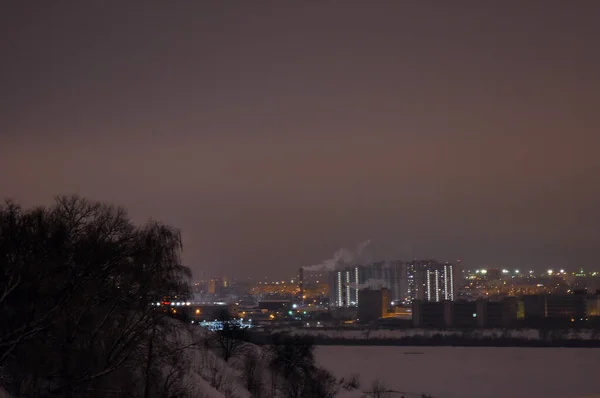
A cold snap can turn a tranquil evening into a frantic rush to save what is most precious. As freezing temperatures invade the Coastal Empire and Lowcountry, the National Weather Service says it is crucial to protect the “four P’s”-people, pets, pipes, and plants-before the mercury drops.
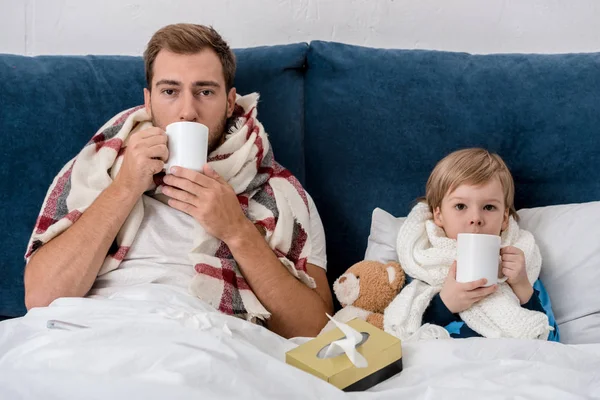
1. Keep people warm and safe
If the temperature is expected to drop below freezing, limit your time outdoors. One of the best protections against cold illness is to dress in layers. Experts say wear a base layer that will wick moisture, add an insulating middle layer of fleece or wool, and finish with a windproof and waterproof outer shell. In the event of a power outage, have blankets, extra layers of clothing, and an emergency kit handy. That kit should include flashlights, extra batteries, bottled water, and nonperishable foods, along with a battery-powered phone charger.
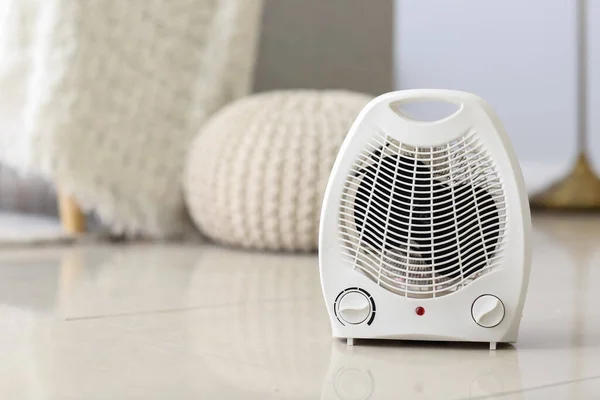
2. Use Portable Space Heaters Wisely
Portable heaters can be lifesavers in drafty rooms but hold serious risks. According to the U.S. Consumer Product Safety Commission, portable heaters are involved in an average of 1,600 fires annually and result in approximately 70 deaths. Always put your heaters at least three feet away from anything that can catch fire, plug them straight into a wall outlet, and never use extension cords or power strips. Look for safety certification labels, such as UL or ETL, and opt for models that offer an automatic shut-off feature should the appliance overheat or tip over. Never leave a heater on while you sleep.
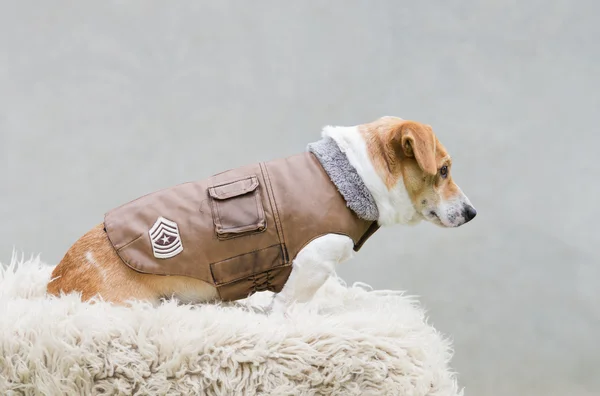
3. Prepare Pets for the Cold
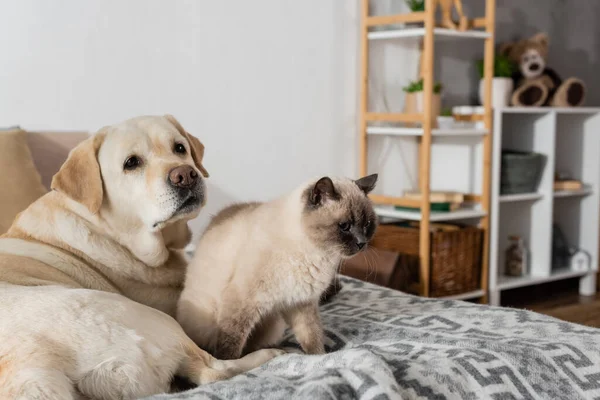
The ASPCA warns that pets left outdoors can freeze, become disoriented, or worse. Bring animals indoors during any severe weather. If outdoor shelter is unavoidable, provide a dry, draft-free enclosure raised off the ground, with bedding like cedar shavings or straw, and a doorway shielded from wind. For dogs, longer walks should be scheduled before nightfall, and early morning outings should include protective gear to be worn like sweaters or pup jackets. Wipe paws after walks to remove ice, salt, and chemicals, and check for frostbite on ears and toes.
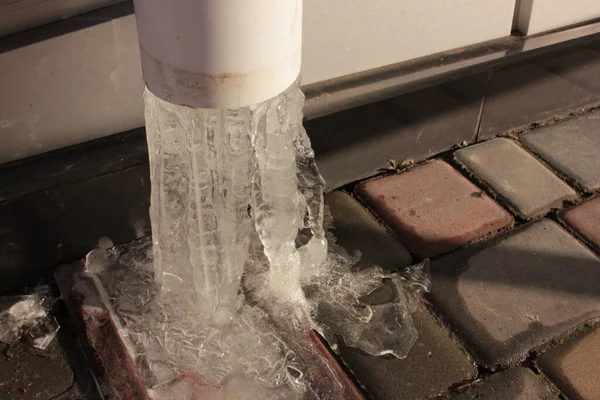
4. Prevent Pipes from Freezing
Burst pipes rank among the most common and costly winter damages. The Insurance Institute for Business and Home Safety reports that a single frozen pipe can cause thousands of dollars in repairs. Pay particular attention to pipes in unheated areas basements, attics, and garages, along with those that run along exterior walls. Insulate exposed pipes, open cabinet doors to circulate air, and let faucets drip overnight to keep water moving. If a pipe does freeze, apply heat with an electric heating pad, hair dryer, or hot towels never with an open flame.
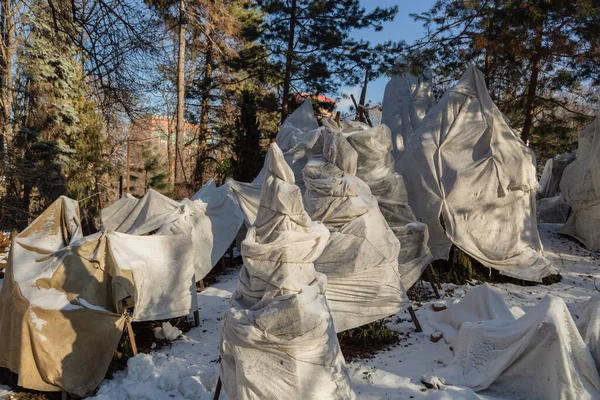
5. Protect Plants from Frost
The most susceptible include tender annuals, tropical plants, and newly transplanted greenery. Cover plants before sunset using frost blankets, sheets, or towels, and weigh down the edges to trap soil heat. To avoid possible damage from covers coming into direct contact with foliage, use stakes or supports. For container plants, take them into a house or garage. Watering soils before a freeze will help to retain heat around the root zone but do not do this for succulents.
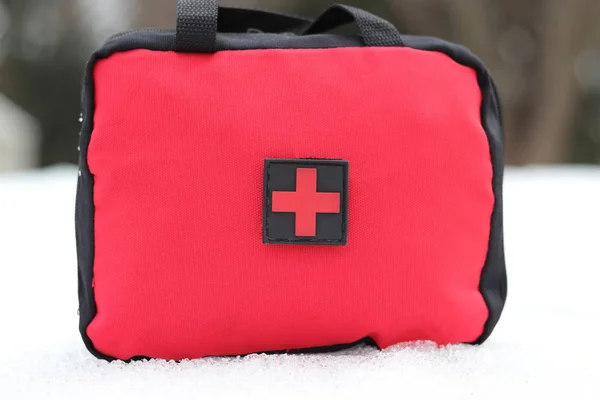
6. Assemble an Emergency Winter Kit
An emergency kit might be your lifeline during unexpected outages. Stock it with a supply of bottled water, shelf-stable food, flashlights, and extra batteries, along with a first-aid kit and medications you may need. Add in hand warmers, a battery-powered radio, and extra blankets. If you have pets, store extra food and water for them, too, and any necessary medication.

7. Dress Smart for Extreme Cold
Proper layering isn’t just for outdoor adventures it’s important on short trips outside during a freeze. Start with a snug, moisture-wicking base add a warm, insulating layer and finish with a wind-resistant outer shell. Don’t forget insulated gloves, thermal socks, and a hat that covers the ears.

8. Be Alert and Informed
Monitor local forecasts and weather alerts. In most cases, frost advisories are issued well in advance of a freezing night, allowing time for action. Keep smoke and carbon monoxide alarms functional with fresh batteries or sealed 10-year units to guard against heating-related hazards.
By taking such steps early covering plants well before dusk, insulating pipes, bringing pets indoors, and preparing a warm, safe indoor space residents can face the freezing night with confidence and security.

