
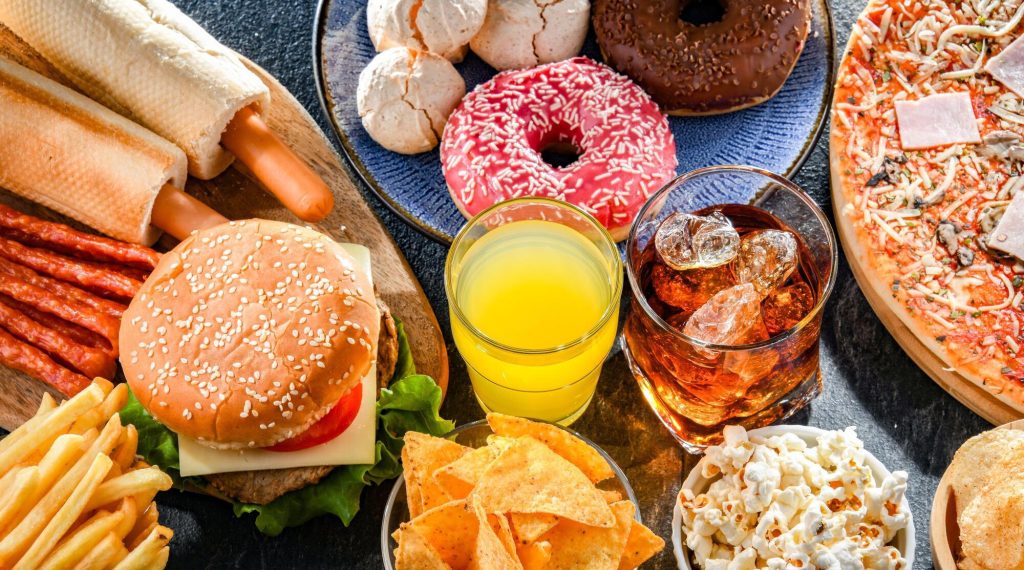
Could the foods ruling supermarket shelves be quietly damaging every organ in the human body? Yes, according to the world’s biggest scientific review-the evidence is impossible to ignore. Ultra-processed foods have been linked to the harming of every major organ system of the human body and are drastically changing diets, fueling a “chronic disease pandemic,” the results reveal, using the input of 43 leading scientists and drawing on 104 long-term studies.

1. Magnitude of the Health Hazard
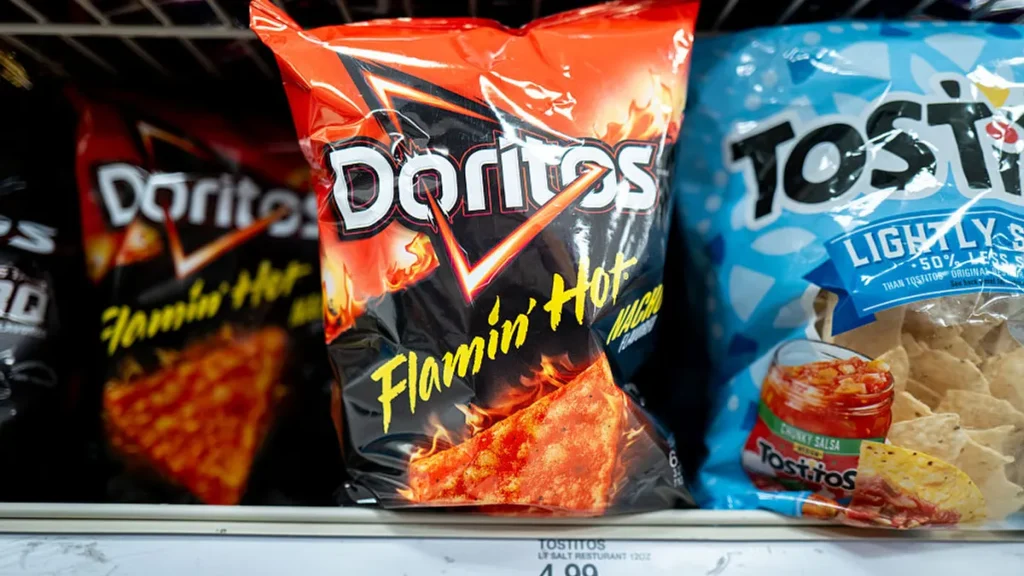
UPFs are industrially manufactured products typically laden with artificial flavours, emulsifiers and colours. They now comprise over half of the average diet in both the UK and the US. In disadvantaged communities that figure reaches 80%. According to The Lancet Series, 92 out of 104 studies found greater risks of chronic diseases including obesity, type 2 diabetes, cardiovascular disease, depression and early death. As Prof Carlos Monteiro of the University of São Paulo warns, “The evidence strongly suggests that humans are not biologically adapted to consume them.”
2. Understanding the Nova Classification
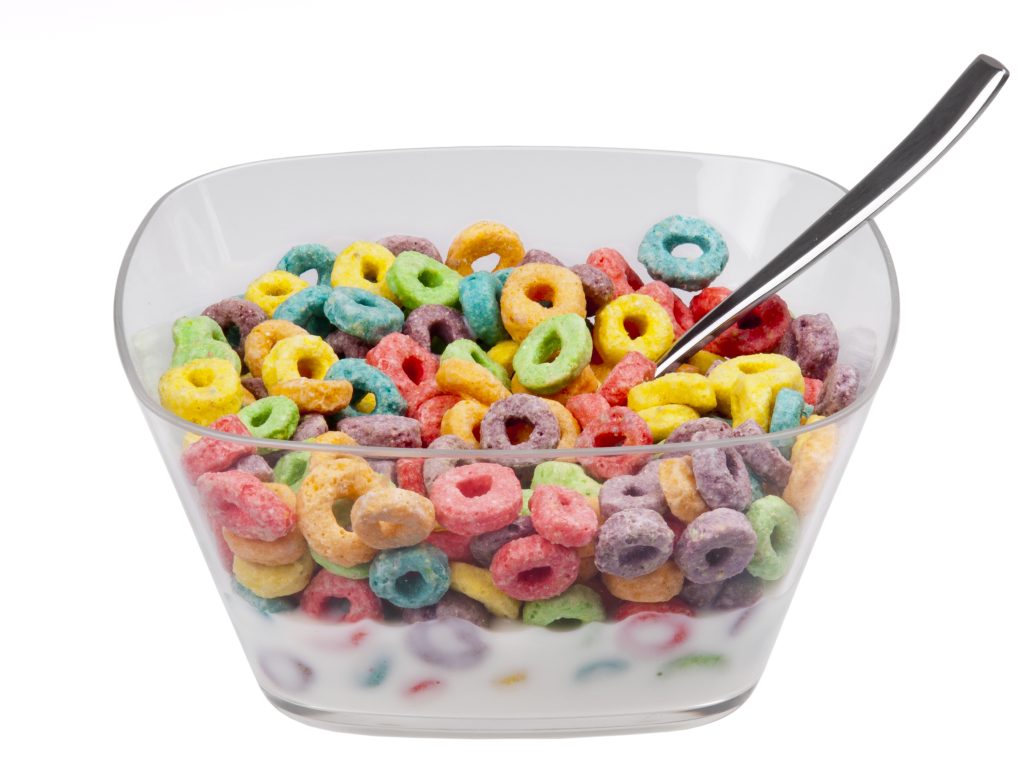
Monteiro’s group created the Nova food classification system. It organizes foodstuffs according to their level of processing: from unprocessed, Group 1, through ultra‑processed, Group 4. UPFs are formulations of inexpensive industrial ingredients, among them hydrogenated oils and protein isolates, to which cosmetic additives are added to enhance taste and extend shelf life. Dietary guidelines worldwide have picked up on the system, although some critics suggest it is an oversimplification of nutritional value.
3. Corporate Power Behind the UPF Boom
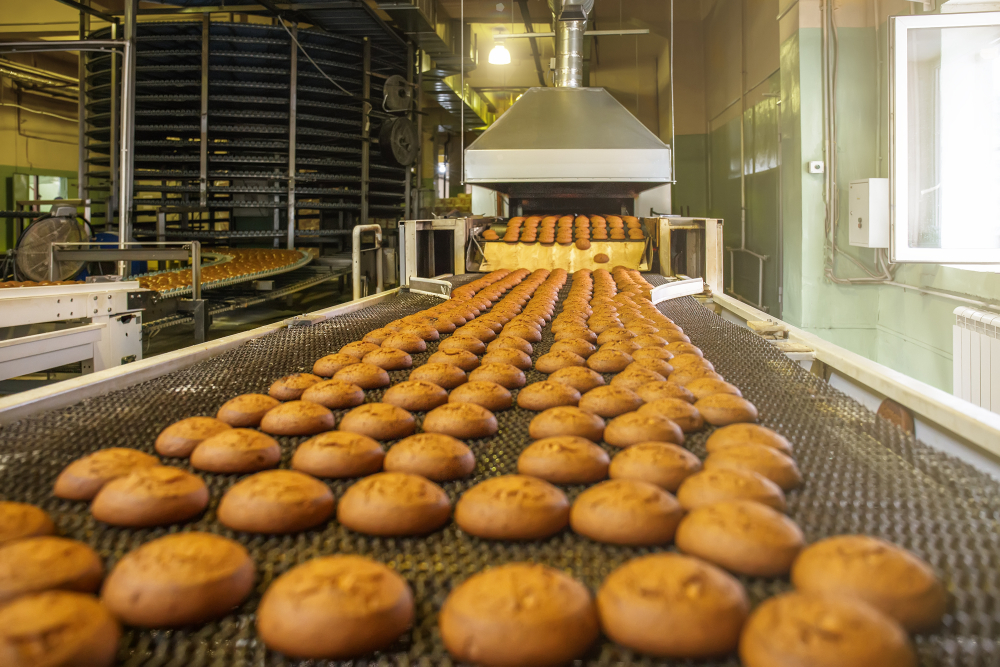
The rise of UPFs is not a matter of consumer choice. The Series outlines how global corporations like Nestlé, PepsiCo, Unilever, and Coca‑Cola drive consumption through aggressive marketing, strategic lobbying, and coordinated political activities. They fund front groups to sponsor research designed to sow doubt and to block regulation. With annual UPF sales at $1.9 trillion, their market dominance enables them to reshape food systems in ways that serve profit over public health.
4. Global Dietary Shifts
According to national surveys, UPF intake has tripled in Spain and China over 30 years, and doubled over 40 years in Mexico and Brazil. Even the diets of infants and preschoolers have as much as 25% of total energy intake composed of UPFs. This “nutrition transition” displaces traditional meals and fresh produce, which can erode cultural food practices and diet quality.
5. Policy Solutions on the Table
The Lancet Series further calls for a suite of mutually reinforcing policies including adding UPF markers such as artificial colours and sweeteners to nutrient profiling models; mandatory front-of-pack warning labels; strict marketing restrictions, in particular to children; bans in public institutions; and taxes on UPFs to fund subsidies for fresh foods. As Prof Barry Popkin points out, “We call for the inclusion of ingredients that are markers of UPFs on front-of-package labels…to enable more effective regulation.”

6. Lessons from National Success Stories
Brazil’s national school feeding program has banned almost all UPFs, and from 2026 will require that 90% of food is fresh or minimally processed. Chile’s comprehensive approach including nutrient profile models linked to an octagonal warning label, school bans, and marketing restriction has seen a 24% reduction in sugary drink purchases with widespread product reformulation. The combined taxes on sugar-sweetened beverages and non-essential high-energy foods in Mexico have seen the largest reductions in purchases among low-income households, therefore providing progressive health gains.
7. Why Equity Matters
Because UPF consumption is highest among the economically disadvantaged, equity needs to be at the core of policy design. The Series warns that reductions in UPFs must not result in exacerbated food insecurity or gender inequities in cooking responsibilities. Redirection of agricultural subsidies to diverse local producers and funding of cash transfers for whole foods could ensure the capacity for low‑income households to access healthy, affordable options.

8. Urgency for a Global Response
Confronting the intensity of UPF regulation, experts liken it to the nascent but full-of-potential era of tobacco control several decades ago. It requires framing UPFs as a priority health issue, building advocacy coalitions, and safeguarding policy-making against corporate interference in order to mobilize a coordinated global response.

“Just as we took on the tobacco industry decades ago, what we need now is a bold, coordinated global response to rein in the disproportionate power of UPF corporations,” says Prof Karen Hoffman. The evidence is clear: ultra-processed foods are more than a dietary concern-a true systemic threat to health, equity, and sustainability. Bringing them under control requires no less than the transformation of the global food system-before the damage becomes irreversible.

