
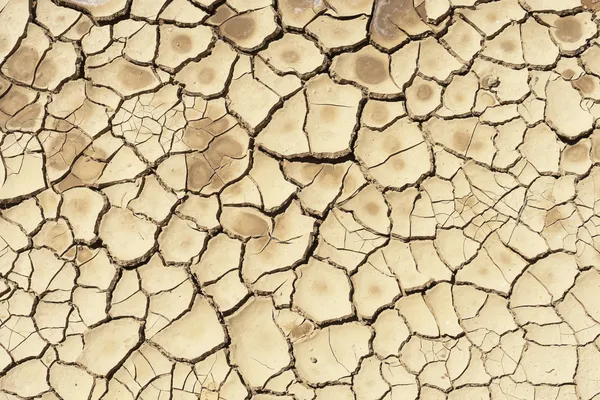
You could easily joke that Texans will run out of patience before running out of water, but the numbers aren’t on that side. A booming population coupled with thirsty industries and shrinking rivers and aquifers have combined into a challenge so large that lawmakers have termed it a “generational” test. The stakes are clear: without new sources and stronger infrastructure, millions face serious shortages in a matter of decades.
1. A Statewide Shortage with Local Consequences
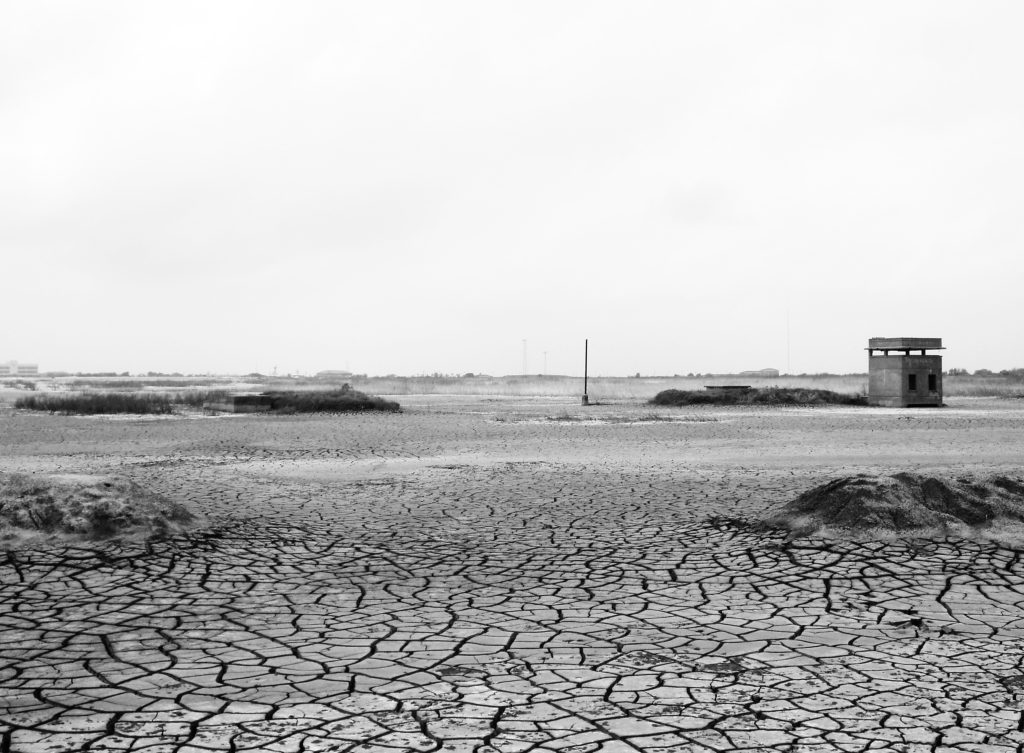
The 2022 State Water Plan predicts Texas will experience at least a 7 million acre-feet shortage by 2070. That’s enough water to cover 7 million acres a foot deep about 2.3 trillion gallons. Drought has already crippled the Rio Grande Valley’s $300 million citrus industry. Shortages could hit the Corpus Christi petrochemical complex as soon as next year. Agricultural and oil production are draining West Texas aquifers. And Houston’s leaky pipes spill more than 30 billion gallons a year, enough to supply Fort Worth for a year.
2. Why Infrastructure Fell Behind
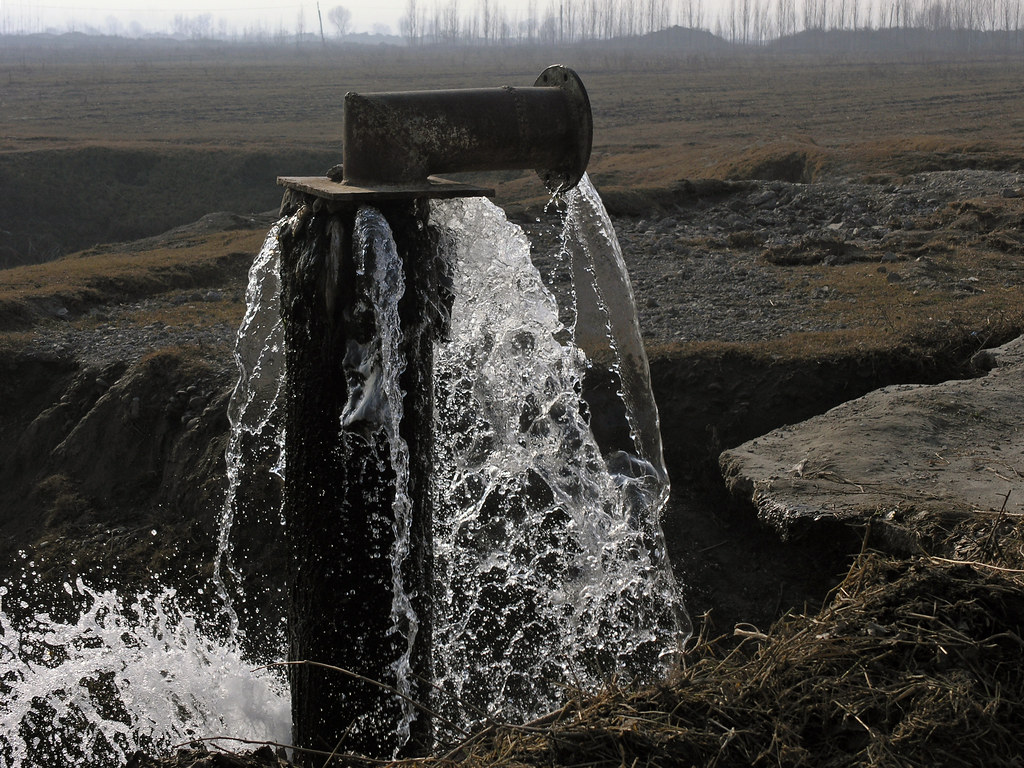
In Texas, serious water planning didn’t begin until after the drought of record in the 1950s, but since then, population growth has significantly outpaced investment in infrastructure. In 2070, Texas’ water supply will decrease by 18%, while demand will increase 9%. Much of this municipal growth occurs in those very regions already stressed by climate variability and recurring drought cycles. According to Robert Greer at Texas A&M, “We have more people demanding more water, and we have seen several significant drought events that have kept supply low.”
3. Climate’s Double Whammy: Drought and Flood
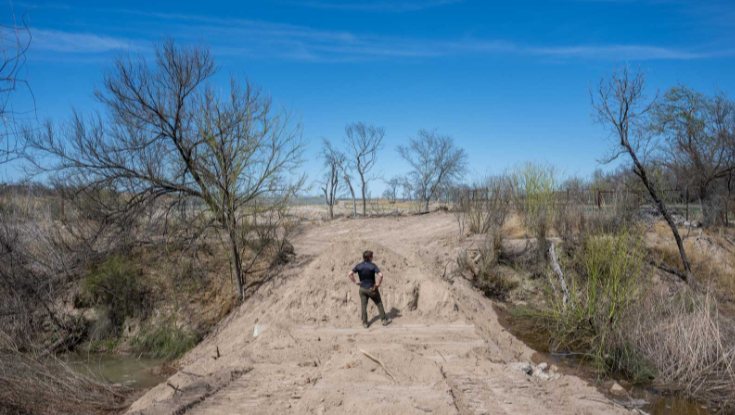
Climate change is making Texas a state of extremes: fewer but heavier storms and hotter average temperatures. Record rainfall in July 2025 briefly knocked drought coverage from 58 percent down to 21 percent, but aquifers saw little recharge. Hydrologists warn the violent storms of recent years don’t solve drought: They overwhelm soils, preventing slow infiltration. This “two-headed beast” of drought and flood is pushing regions like the I‑35 corridor toward the arid conditions long familiar in El Paso.
4. Historic Funding But Not Enough
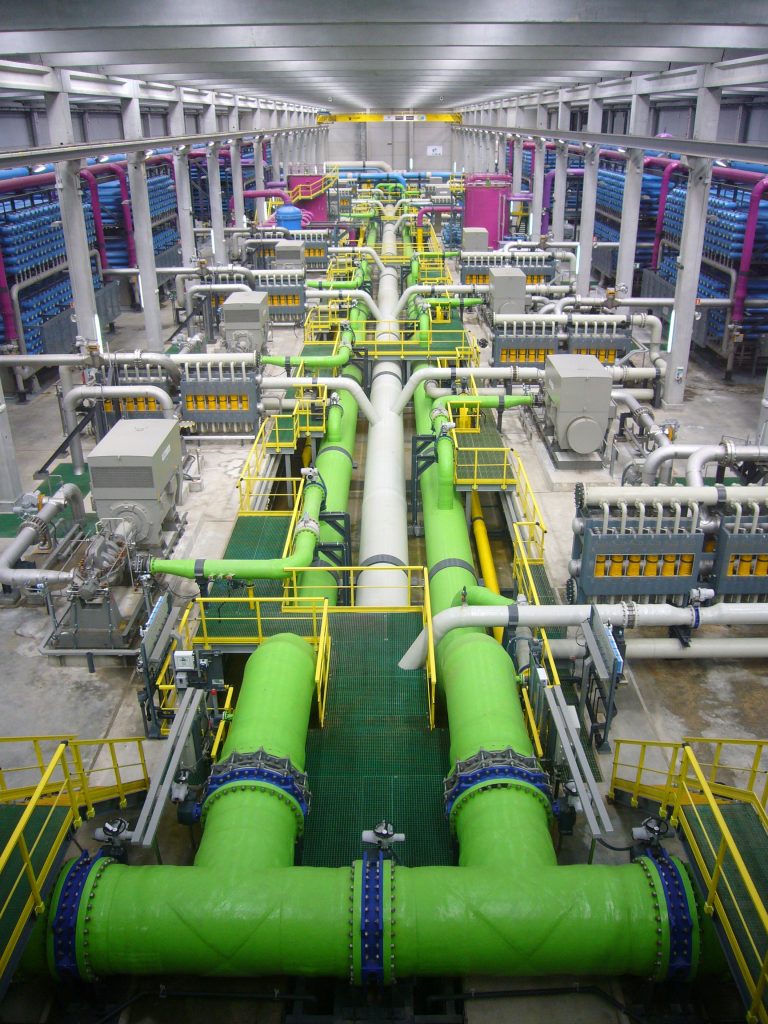
In November, voters approved Proposition 4, which dedicates $1 billion annually from state sales tax revenue-after collections top $46.5 billion-to the Texas Water Fund beginning in 2027. That’s $20 billion over 20 years divided between “new water” projects, such as desalination and pipelines, and repairs to aging systems. But Texas 2036 estimates $154 billion will be needed over 50 years. “Dedicated funding is the most important tool available to address the looming water challenges,” said Stacey Allison Steinbach of the Texas Water Association.
5. Desalination: Promise and Pushback
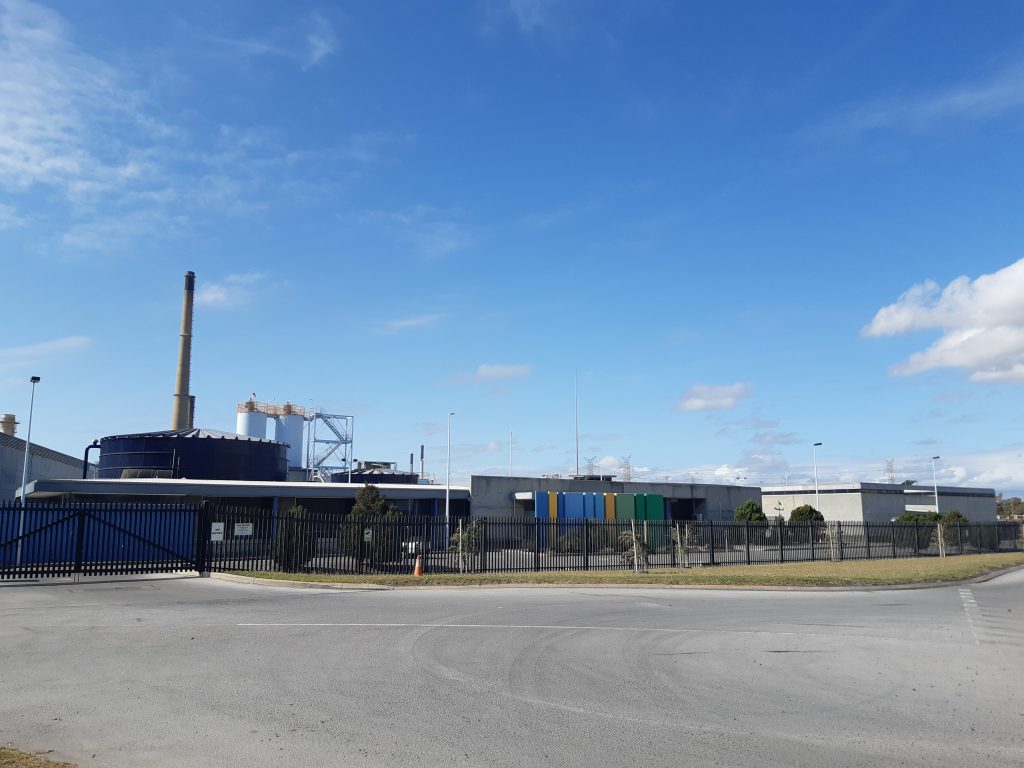
Seawater desalination plants will account for 4.4 percent of Texas’ water by 2030, according to the state water plan, but the projects are often met with local opposition. Corpus Christi’s city council put the brakes on a long-planned plant over cost and environmental concerns. A private proposal would serve Harris and Galveston counties from Texas City. In the Coastal Bend, residents have fought plans to discharge the concentrated saltwater – brine – that is a byproduct of desalination into threatened sensitive ecosystems such as Baffin Bay, whose brackish waters nurture redfish and trout. “It’s up to all of the stewards of the bay systems to stay vigilant,” said Sally Black, a fishing guide.
6. Groundwater Rights Controversies
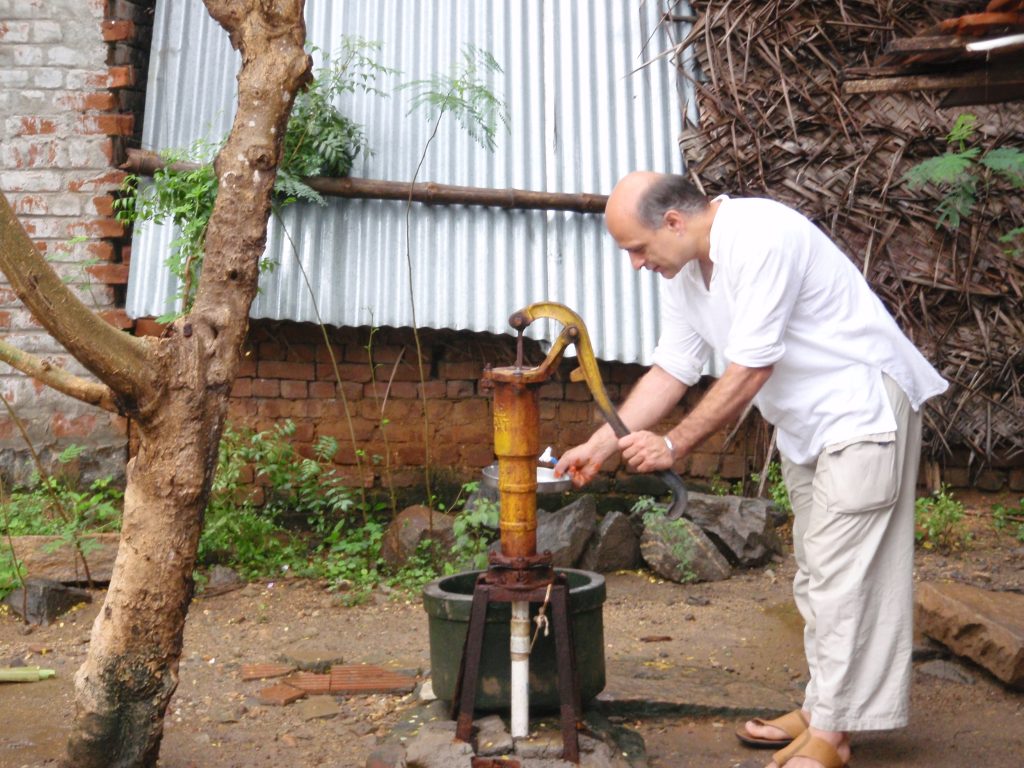
Until recently, regulation of groundwater has been spotty: the “rule of capture” gives landowners wide latitude to pump beneath their property, even if neighbors’ wells run dry. Efforts to rewrite that 120‑year‑old doctrine flopped in 2025, but will very likely be back in 2027. Most districts have no idea about sustainable pumping limits without localized data. Conflicts – like Georgetown’s recent attempt to pipe water from the Carrizo Wilcox aquifer, which College Station and Bryan opposed – illustrate how intercity disputes are heating up.
7. Regional Disparities and Water Gaps
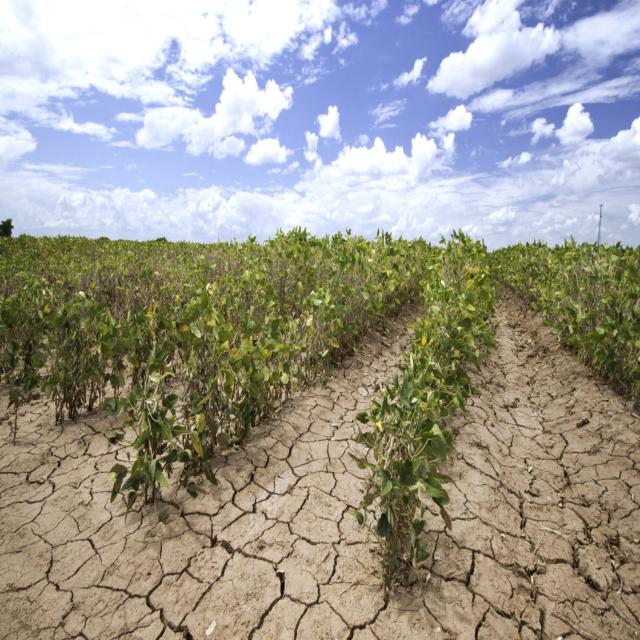
These gaps between supply and demand under the climate scenarios increase as follows: RCP4.5 and RCP8.5. For example, eastern counties such as Harris and Fort Bend could see an increase in water gaps of over 500% by 2070. Again, in western areas, especially the High Plains and Trans‑Pecos, agriculture could feel an acute shortage with a groundwater scarcity of over 100%. Municipal demand is concentrated, as revealed by the Gini coefficient of 0.73, with 15% of the counties using 80% of the municipal water.
8. Conservation and Innovation
While the state water plan predicts that over half of future needs could be met by conservation, experts are quick to caution that efficiency will not be enough. Innovations like direct potable reuse-treating wastewater to drinking water-are on the horizon, as El Paso builds a plant and Austin considers studying the feasibility. Other strategies under consideration include aquifer storage, cloud seeding, and atmospheric water harvesting. But it all begins at home, says UT‑Austin’s Stuart Reichler: native landscaping, rain barrels, and sticking to a watering schedule can actually cut demand.

9. The Political Dimension
Water policy in Texas remains deeply tied to property rights and local control, making statewide regulation difficult. Some bills to empower groundwater districts or incentivize conservation have been vetoed. As Robert Mace of Texas State University said, “Statewide, the answer is no. And a pretty emphatic no” when asked whether current resources could sustain projected growth without major changes.
How fast Texas closes its funding gap, manages environmental concerns with industrial demand, and adjusts to the climate rewriting the rules for supply will define its water future. For residents, understanding such pressures is the first step in making sure the taps keep running in the decades ahead.

