

“There is no safe level of lead exposure,” the U.S. Food and Drug Administration warns-and that includes what might be hiding in the kitchen. For health‑conscious households, especially those with children, the latest FDA alert is more than just another recall notice it is a stark reminder that everyday cookware can become a silent source of toxic contamination.
In late November 2025, the FDA expanded its list of imported pots and pans that can leach lead into food, adding nine more products to a roster now totaling 19 items. Most are made from aluminum, brass, or aluminum alloys, and many were manufactured in India or Pakistan. These materials, when poorly processed, can release lead during cooking-particularly with acidic dishes or prolonged heating.
The following listicle separates the most relevant facts based on FDA findings, expert opinions, and real-life safety tips: from identifying what type of cookware is risky to understanding how lead exposure affects both children and adults, each of these sections will address a specific key concern.
1. The Expanded FDA List Now Covers 19 Products
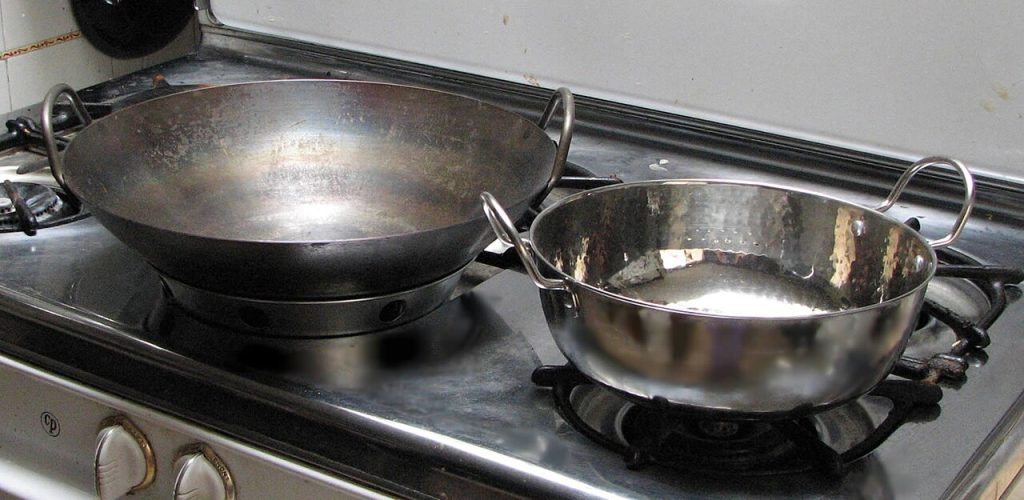
The FDA update on November 24, 2025, added nine new cookware items to its existing alert, bringing the total to 19. Added items include aluminum saucepans, brass pots and South Asian cooking vessels, including kadais, degdas and topes. Many were sold in smaller grocery and community stores in states including California, Illinois, Maryland, New Jersey, New York, and Washington, D.C.
According to the FDA, testing showed that these products could leach lead under normal cooking conditions. Some were recalled by distributors, while others may still be on the shelves. The agency cautions that other products could be added as surveillance continues.

2. Why Lead in Cookware Is So Dangerous
Lead is a cumulative poison. According to the Centers for Disease Control and Prevention, even low‑level exposure can cause serious health effects: abdominal pain, nausea, memory loss, and nerve tingling in adults, while greater risks for children include brain and nervous system damage, reduced growth, and impaired learning.
FDA highlights the fact that no level of lead is considered safe, and long-term exposure even at low levels can result in elevated blood lead levels that may cause permanent damage.
3. How Cooking Draws Lead Out of Metal
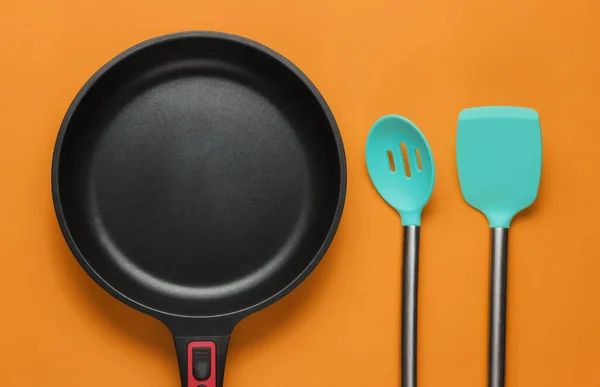
Experts say that when hazardous cookware is heated, lead migrates into food. Dr Maida P. Galvez at Mount Sinai said acidic dishes-like tomato‑based curries or citrus‑marinated meats-speed up that process. Lara Adler, an environmental health educator, says, “The longer you cook it, the more lead comes out.”
This means that in unsafe pots, slow-cooked stews or long-simmered sauces can give higher doses of contamination than quick-cooked meals.

4. Children Face the Highest Risk
According to Adler, children absorb 40-50% of ingested lead, compared with just 3-10% in adults. Their developing brains and bodies put them at greater risk from long-term damage. Possible effects listed by the Mayo Clinic include reduced attention span, hyperactivity, low IQ, and learning disabilities.
Even without visible symptoms, development is impaired by low-level exposures. Higher exposure causes vomiting, seizures, or coma and necessitates immediate treatment.

5. Pregnant and lactating women are also at risk.
The metal crosses the placenta and enters the breast milk, thus posing a risk to infants. According to Dr. Galvez, this may even result in miscarriage, preterm birth, and low birth weight upon exposure during pregnancy. In the case of new mothers, contaminated cookware could be a hidden source of lead in their diet and, by extension, their child’s.
FDA recommends exercising special caution with cookware whose origin is not known, especially for women of childbearing age.
6. Country of Origin Matters
Most were manufactured in either India or Pakistan commonly, the alloys of which they were made bore the brand name Hindalium/Hindolium or Indalium/Indolium. Adler says cookware from well‑known brands or large retailers is less likely to be hazardous as these companies face greater liability and stricter quality controls. Pots bought from small shops or ordered directly without labeling are more suspect. If their source is doubtful, the safest decision is to throw such pots away.

7. Identifying Risky Cookware at Home
Consumers should check their pans and pots for any maker’s marks, packaging labels, or other indications they are FDA‑listed items. The agency states unequivocally: “Do not donate or refurbish this cookware.” A piece fitting the descriptions on the list without clear manufacturing information should be discarded. This goes for food storage, too, since lead can leach over time even without heat.

8. Safer Options for Daily Cooking
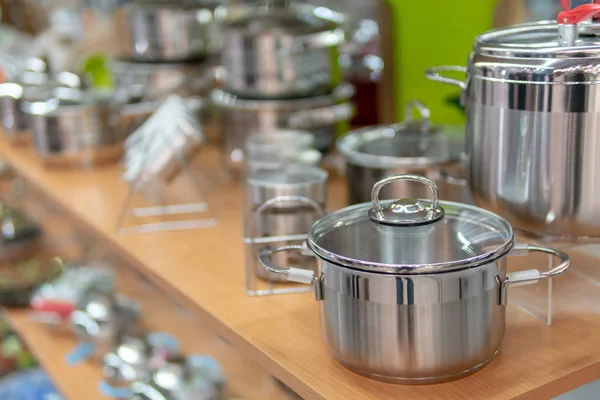
When in doubt, choose cookware made from stainless steel, carbon steel, cast iron, glass or certified ceramic. Adler recommends avoiding hand‑painted ceramics unless they specifically state that they are lead‑free. These metals and materials do not raise the same concern of lead contamination if the source is a reputable brand. Replacing suspect cookware with safer options can prevent chronic exposure and protect household health.

9. What to Do if Exposure is Suspected
Anyone who suspects they have used lead‑leaching cookware should seek a healthcare provider. Blood tests can detect the levels of exposure. The sooner detection happens, the less long-lasting harm there will be. The FDA recommendation is straightforward: get rid of unsafe cookware and take measures that will help you make future purchases that are safe.
The latest alert from the FDA underlines a critical truth: product safety starts at home. To parents, home cooks, and anyone conscious of health, vigilance in the kitchen can prevent silent hazards from becoming serious threats. By knowing which cookware to avoid, understanding how lead exposure occurs, and choosing safer alternatives, households can safeguard their meals-and their well‑being-for years to come.

