

Assuming that rural life is cheaper is, quite simply, a myth. The reality for millennials leaving dense cities in search of affordability, nature, and community can be far more nuanced. Lower property taxes might be offset by four times higher heating bills, more expensive groceries, and long drives for essentials. And yet, many make the trade-offs worth it despite the unexpected costs.
Since the pandemic, a wave of younger adults has fueled growth in small towns, attracted by flexibility around remote work, the beauty of the outdoors, and the slower pace of life. But trading in urban convenience for rural rhythms involves adjustments in everything from the way one socializes to their wardrobe choices. A former New Yorker’s decision to relocate to a hamlet in the Catskills exposes both the charms and the hurdles of trading in skyscrapers for mountains.
This listicle distills her experience into ten key takeaways for anyone contemplating a similar leap, offering a candid look at the rewards, compromises, and lessons learned.
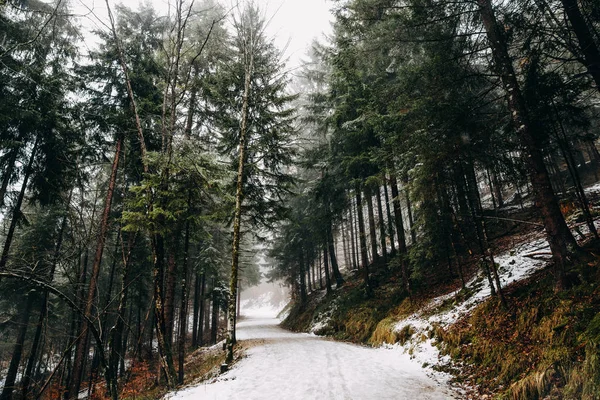
1. Traffic Vanishes But Weather and Wildlife Take Its Place
On Long Island, traffic was a daily source of frustration, with every trip needing to include a buffer of at least 30 minutes. In the Catskills, travel times equal Google Maps estimates-a novelty for former city dwellers. Yet the dearth of congestion is swapped for other perils: heavy snow, fog curling around mountain roads, and even unexpected encounters with deer or even bears. Snowplows mobilize in a rush, but winter driving requires caution and preparation.

2. Shorter Wait Times Mean More Personal Service
In the city, mailing a package or seeing a doctor meant an hour-long wait. In a town of 1,600, errands are swift, service is warm. Medical care seems far more attentive; appointments begin on time, and doctors spend unhurried minutes discussing concerns. Even childbirth unfolded in a calm environment with multiple staff available to attend, thanks to the low volume of patients-a far cry from the hustle and bustle that characterizes urban hospitals.

3. Friendships come easier in smaller communities.
Demographically attractive though the suburb was, making friends was tough. The repetition of coincidences on the trail, at farmers’ markets, and over coffee in the Catskills makes the establishment of connections pretty quick. Low transience ensures that residents invest in relationships here, and with many, instant common ground is established through shared experiences, such as long winters. Many have lived there for generations, deepening the sense of belonging.

4. Greeting is a Norm, Not an Exception
In fact, small-town friendliness exists: strangers say hello in the street; casual greetings often give way to friendships. The visitors are easily spotted: they’re the ones who avoid eye contact. For someone once partial to the anonymity of city life, this openness proved a source of joy, tucking daily doses of kindness into routine errands.
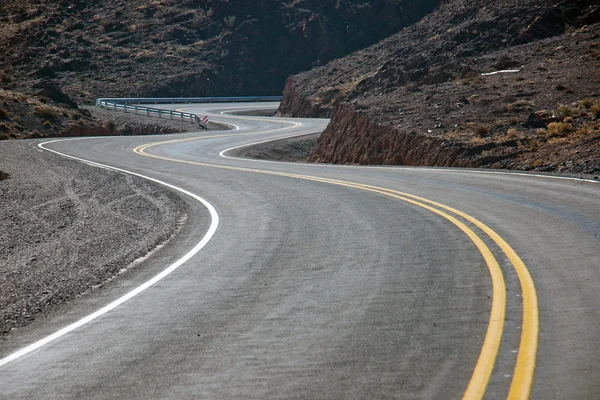
5. Convenience disappears, but planning becomes a lifestyle.
Urban living means 24/7 food, transit, and entertainment. In the Catskills, public transportation is minimal, supermarkets are 30 minutes away, and big-box stores require an hour’s drive. Errands become day trips, complete with nice views. A dearth of convenience encourages meal planning discipline, less alcohol use because of driving and more time for audiobooks.

6. The Costs Aren’t Always Lower
While property taxes dropped to about a fifth of what Long Islanders paid, other costs soared: Fuel and car maintenance mounted with long driving distances; groceries were higher due to limited supply networks; heating bills quadrupled. Many services often have travel surcharges, and snow-plowing driveways is a seasonal added cost. As more urbanites arrive, property prices rise and contribute to a local housing squeeze.
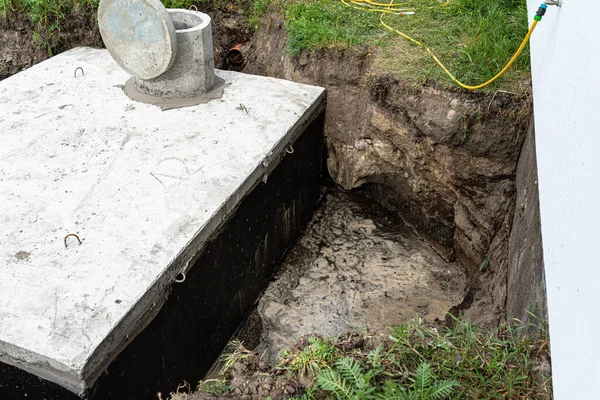
7. Fewer public services require self-reliance.
Lower taxes also means trade-offs: there is no municipal trash pickup, for example. Residents haul garbage to waste stations themselves, paying per bag. There is free recycling. Many homes are dependent on well water, septic systems, or satellite internet, all of which also require upkeep. Proximity to the town center can mean better infrastructure; mostly, though, people learn to live with upkeep of utilities themselves.
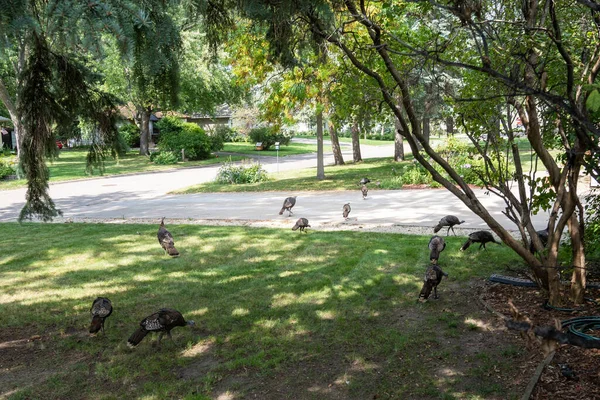
8. Wildlife Becomes Part of Daily Life
The encounters are frequent with porcupines, wild turkeys, skunks, and snakes, but there is also the sight of the hummers and groundhogs. The watching of local animal dramas, from a single groundhog having two families, becomes a show in itself, one that replaces streaming binges with real-life nature stories.
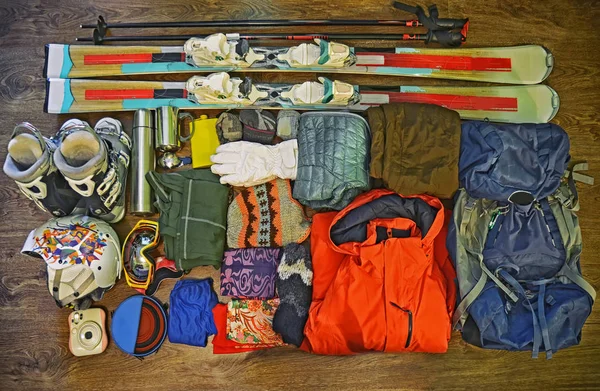
9. Wardrobe Shifts to Practical Gear
City-appropriate coats and shoes give way to microspikes and snowshoes, and layered outerwear for subzero winters. Summer brings dusty trails and sturdy footwear. Style remains, but practicality rules; events are casual, and clothing choices prioritize safety and comfort over fashion trends.
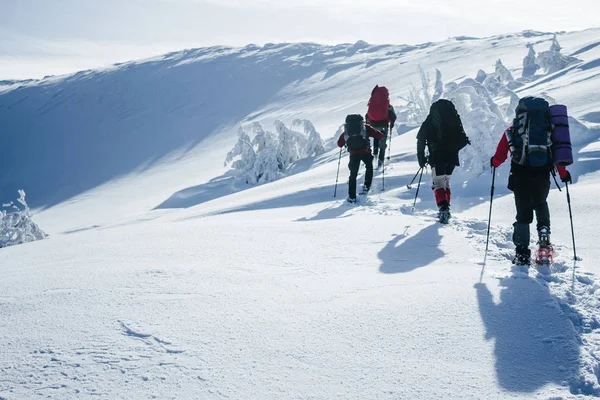
10. Nature Redefines the Seasons
In the city, seasons blurred into extremes of heat or cold. Living in the mountains brings a vibrancy to transitions: weeks of fiery autumn foliage, deep winters with towering icicles, and mild summers free of subway swelter. Each season offers distinct outdoor experiences, reinforcing the connection to the landscape. For urban millennials considering the switch to small-town life, the Catskill experience emphasizes that rural living is neither a budget cure-all nor some sort of fantasized getaway.
It’s a trade-off: lower taxes but higher heating bills, fewer conveniences but richer community ties, less anonymity but more kindness. The rewards come in embracing the slower pace, the closeness to nature, and the deeper human connections often obscured in city living.


