
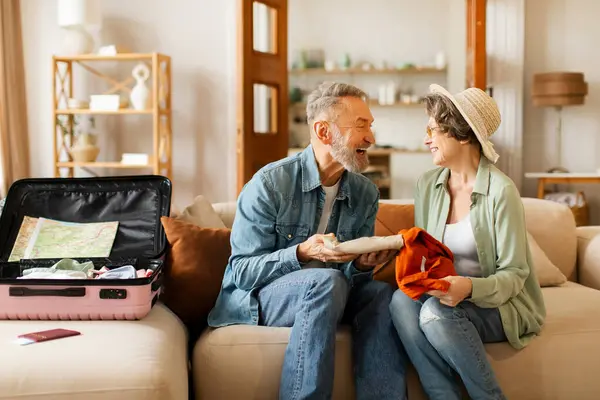
What if the dream retirement in the U.S. has quietly become out of reach? For many Americans, rising housing costs, unpredictable healthcare bills, and the relentless pace of work have turned the golden years into a source of stress rather than freedom. This is pushing a growing number of retirees to look beyond US borders for a better life.
Sandra and Jeff Mayernik were among them. When they turned 60, the Oregon couple sold nearly everything they owned and set off for Europe. Their travels have taken them through a dozen countries, but Albania has emerged as their current home base. Their story combined with research on the realities of expat retirement paints a nuanced picture the rewards can be huge, but so can the challenges.
From lower healthcare bills to the sting of missing family, here are nine truths about retiring abroad that every American considering making the leap needs to know.

1. The Emotional Cost of Leaving Loved Ones
Even for people who already live away from children, an overseas move can make the separation feel more profound. Sandra misses kayak fishing trips with her sisters. Jeff reports a loss of “face-to-face connection” and of involvement in the everyday lives of friends and family. As one study from the Netherlands Interdisciplinary Demographic Institute documented, expat retirees suffer greater social loneliness than their peers who stay home, particularly if they fail to establish a new social network. Regular calls, visits, and shared activities can mitigate that feeling. But it’s real.

2. Eating Healthier Without Trying
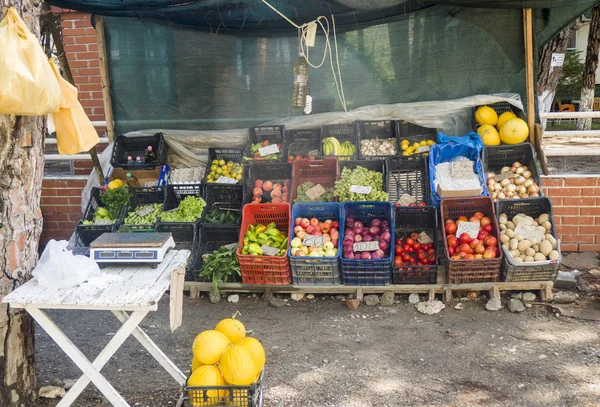
One of the biggest surprises for the Mayerniks in Albania was how much their diet improved. The local produce is fresh and seasonal, and mostly free from excess sugar, dyes, and preservatives. Even store-bought prepared foods contain less sodium than those in the U.S. These changes have them feeling healthier without any ‘dieting’. In Mediterranean countries like Albania, better nutrition is almost a byproduct of relocation due to the availability of fresh vegetables, olive oil, and fish.

3. Affordable Care That Doesn’t Break the Bank
Healthcare costs become a determining factor for retirees on fixed incomes. In Albania, Jeff’s prescriptions cost less than his U.S. copays, and the process was straightforward. Private clinics in larger cities like Tirana offer quality care at a fraction of U.S. prices, with an average cost for a regular doctor visit at €30. Specialized services might be accessible by traveling to the nearest neighboring countries, but the savings and access provide a peace of mind compared to the unpredictable bills back home.

4. Housing Costs That Free Up Your Budget
Back in Oregon, the couple had paid $1,200 a month for a 300-square-foot studio. In Pogradec they were able to rent a spacious apartment, complete with three balconies overlooking Lake Ohrid, for roughly $1,100, utility bills and high-speed internet included. Meanwhile, one-bedroom rentals in many Albanian cities go for upwards of $200–$400 a month, freeing up dollars for travel, nights on the town, or a nest egg.

5. The Language and Currency Learning Curve
The unfamiliar labels and prices turn everyday errands into mini-projects. Jeff once remembered making the mistake in the grocery store of taking some kind of unknown meat for ham. Language barriers make simple tasks feel extra workload, with the mental gymnastics of mastering the new currency. Most experts believe that structured classes, language apps, and immersion among locals can speed up a person’s learning and lower frustration.

6. Freedom and a Slower Pace of Life
In Albania, the Mayerniks traded office deadlines for mornings on the beach and walks along the lake. Says Jeff, the slower pace means that “people are just less hurried and harried.” Indeed, studies on European retirees confirm that this can lead to a boost in wellbeing when coupled with meaningful activities and social interaction. To many, the biggest gain is the mental space to decide how each day unfolds.
7. Culture Shock and Adaptation
Even in welcoming countries, cultural differences can be a source of frustration and regret in the early months unfamiliar ways can be exhausting, from shopping routines to humor. Psychologists note that embracing the host culture through research, participation in traditions, and local friendships will help shorten an adjustment period. Over time, these differences often become part of the charm that drew retirees abroad in the first place.

8. Creating a New Social Network
Forming friendships is already difficult at an older age, and more so in a foreign language. Yet social integration is the most important factor for reducing loneliness joining expat groups, volunteering, or simply inviting a new acquaintance for coffee can create the feeling of belonging. Personality traits help-extroverts may adjust faster-but curiosity and proactivity are the real driving forces behind making a supporting circle of friends.

9. Balancing Guilt and Independence
Leaving aging parents or close family may stir up feelings of guilt, especially if they openly disapprove. A complication that comes up for some expats is how to support loved ones from afar while honoring their own needs. Experts agree it makes it easier to establish reliable communication routines, plan visits, and find resourceful ways to remain involved. Recognizing that such decisions are deeply personal-and may evolve over time-can ease the internal conflict.
It can be a transformative move, offering lower costs, better health, and a lifestyle in tune with personal values. But it also calls for resilience, adaptability, and honest self-reflection on relationships and priorities. For Americans weighing the leap, understanding rewards and realities alike is the first step toward making the dream a sustainable reality.


