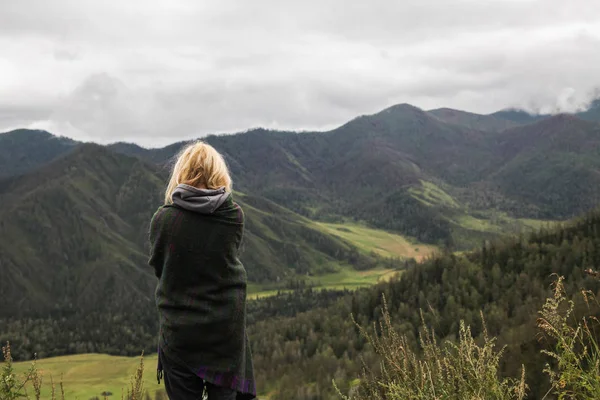
“The mountains are calling and I must go,” John Muir once said but he didn’t mention the heating bills. For many urban millennials, the allure of trading subway noise for birdsong feels irresistible. The pandemic only amplified that pull, sending thousands from bustling city blocks to towns where the tallest buildings are trees.
Yet, the reality of rural living isn’t just Instagram sunsets and farmers’ markets. It’s a mix of breathtaking rewards and unexpected challenges from the joy of zero traffic to the sting of a $500 winter heating bill. And while some who fled cities during COVID-19 have quietly returned, others have found the trade-offs more than worth it.
This is a candid look at what really changes when you swap skyscrapers for summits, drawn from lived experience and grounded in what’s happening in small towns across America.
1. Traffic Disappears But Nature Sets the Pace
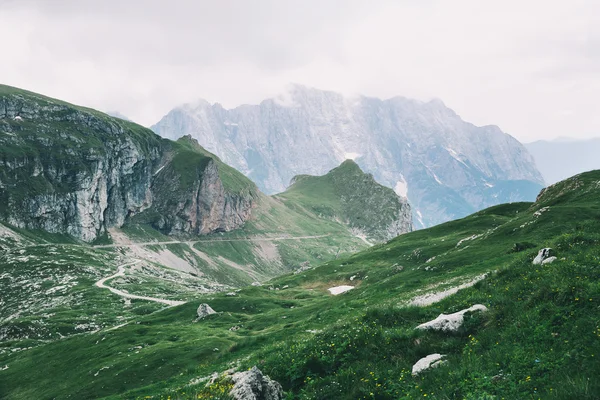
In dense urban areas, gridlock is a daily tax on time. In the Catskills, the commute clock is suddenly honest Google Maps says 15 minutes, and it’s 15 minutes. The only delays come from fog curling around mountain roads or a deer deciding to cross. Winter driving demands skill, as snow and ice can turn a quick errand into a cautious crawl. For those used to weaving through yellow cabs, learning to slow down becomes part of the lifestyle shift.
2. Everyday Errands Become Lightning-Fast
Gone are the hour-long waits at the post office or doctor’s office. With fewer people, services move quickly and often with a personal touch. Medical appointments start on time, and practitioners spend more than a hurried minute listening. This contrasts sharply with urban healthcare systems, where overwhelming patient loads can erode the quality of interactions. For many, this slower, more attentive pace feels like a luxury.
3. Making Friends Is Easier Than Expected
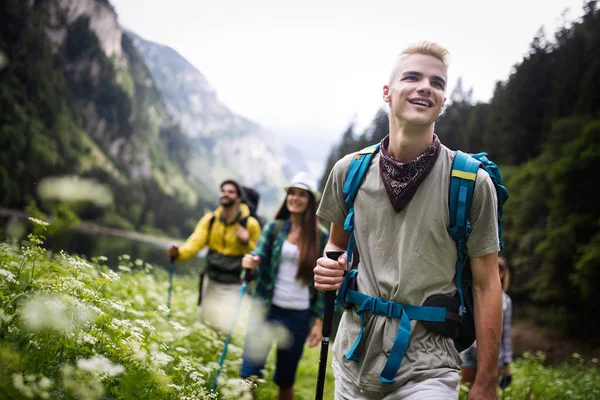
In transient cities, friendships can be fleeting. In small towns, familiar faces appear at the coffee shop, trailhead, and market. The social web is tighter, with introductions often leading to overlapping circles. Long-term residents and intentional newcomers tend to invest in community life, creating bonds that feel rooted. Shared challenges like enduring long winters add to that sense of connection.

4. A Culture of Greeting Changes Social Norms
In some cities, avoiding eye contact is a survival skill. In many rural towns, saying hello to strangers is standard. This shift can surprise former city dwellers who once prized anonymity. Over time, these small exchanges build a sense of belonging, even for those who once found such openness intrusive.
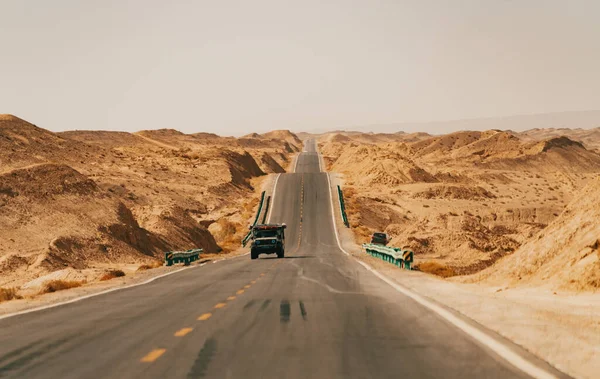
5. Convenience Vanishes and That’s Not All Bad
Late-night takeout, 24-hour bodegas, and rideshares fade into memory. The nearest supermarket might be 30 minutes away, and public transit options minimal. But this scarcity can foster better planning, healthier habits, and a deeper appreciation for the scenery along the way. Some even find joy in turning errands into mini road trips, complete with audiobook chapters and mountain views.
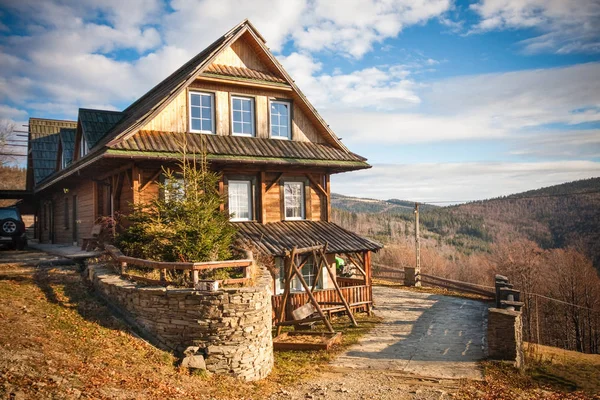
6. The Cost of Living Isn’t Always Lower
Lower property taxes can be offset by higher costs elsewhere. In mountain towns, heating bills may quadruple compared to suburban rates, and fuel expenses climb with longer drives. Groceries can cost more due to limited supply chains, and tradespeople often charge extra for travel. As seen in Rocky Mountain communities, remoteness also inflates service and labor costs, especially in areas with housing shortages for workers.

7. Some Services Simply Don’t Exist
Lower taxes often mean fewer municipal services. Trash pickup might be DIY at a local waste station, and recycling may require a separate trip. Internet and water access vary widely, with some residents relying on satellite connections or well water. These gaps demand more self-sufficiency and sometimes more cash than city living.
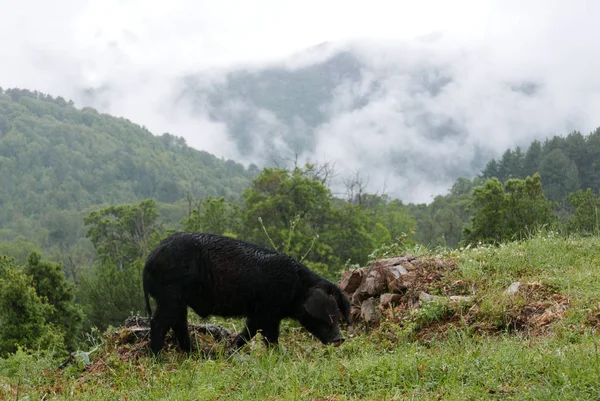
8. Wildlife Is a Daily Reality
Encounters with porcupines, wild turkeys, or even bears become part of the backdrop. For some, this is a thrill; for others, a hazard to manage. The proximity to wildlife underscores the shift from human-dominated environments to ecosystems where humans are just one of many residents.
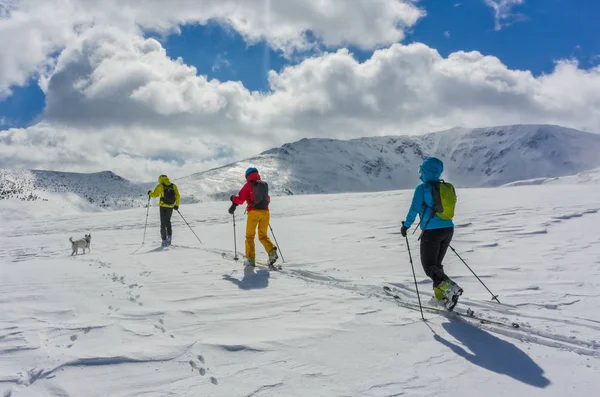
9. Wardrobes Shift From Style to Survival
Fashion priorities change when ice spikes and snowshoes are essential gear. Winters can bring temperatures well below freezing, requiring layered outerwear. Summers, though warm, are more about dust-proof boots than pristine sneakers. While style still exists, practicality rules and social events tend to reflect that relaxed standard.
10. Seasons Become a Full-Sensory Experience
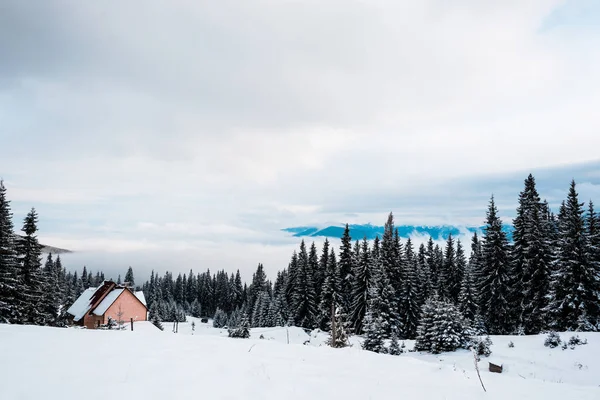
In cities, seasonal changes can blur into weather inconveniences. In the mountains, each season is distinct and immersive fiery autumns, deep winters with towering icicles, gentle summers, and vibrant springs. The natural calendar becomes part of daily life, shaping activities, moods, and even diets.
For urban transplants, the move to a mountain town is less an escape than a trade swapping convenience for connection, density for depth, and predictability for the rhythms of nature. The surprises, both good and challenging, reveal that rural life isn’t a romanticized postcard but a living, evolving reality. For those who embrace its demands, the rewards can be as vast as the night sky overhead.