
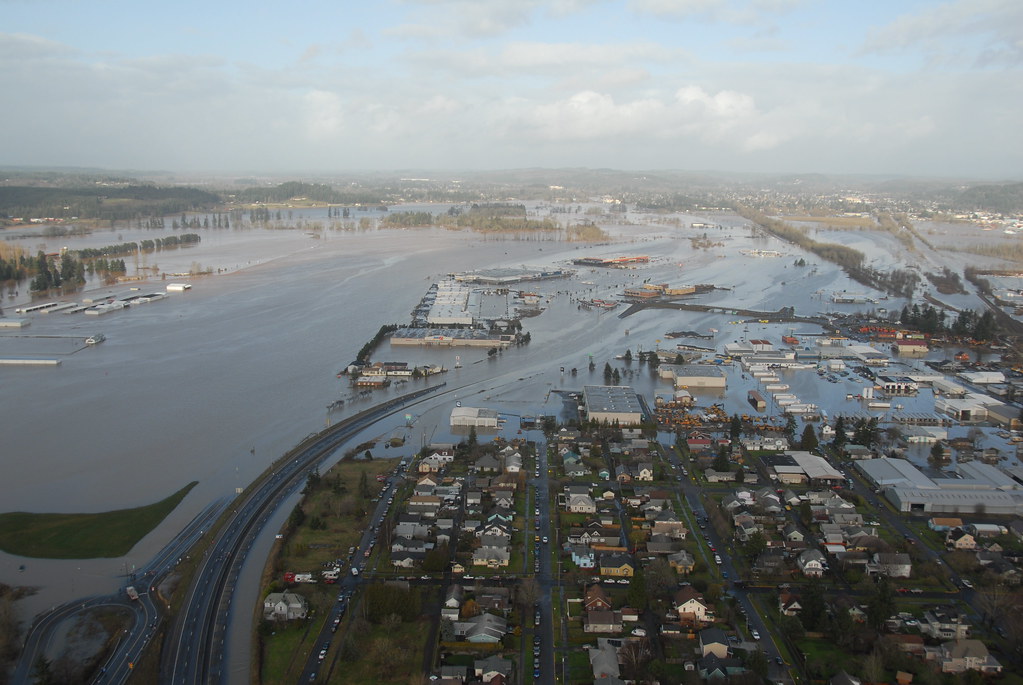
Just how rapidly can a familiar river become a dramatically different life-redefining force? In western Washington, it took but hours. A never-ending atmospheric river, labeled as a “jet stream of moisture” by meteorologists, began causing rivers to crest at historic levels, putting everyone from tens of thousands of people out of their homes with warnings of “catastrophic flooding” in various counties.
1. Statewide Emergency and Mass Evacuations
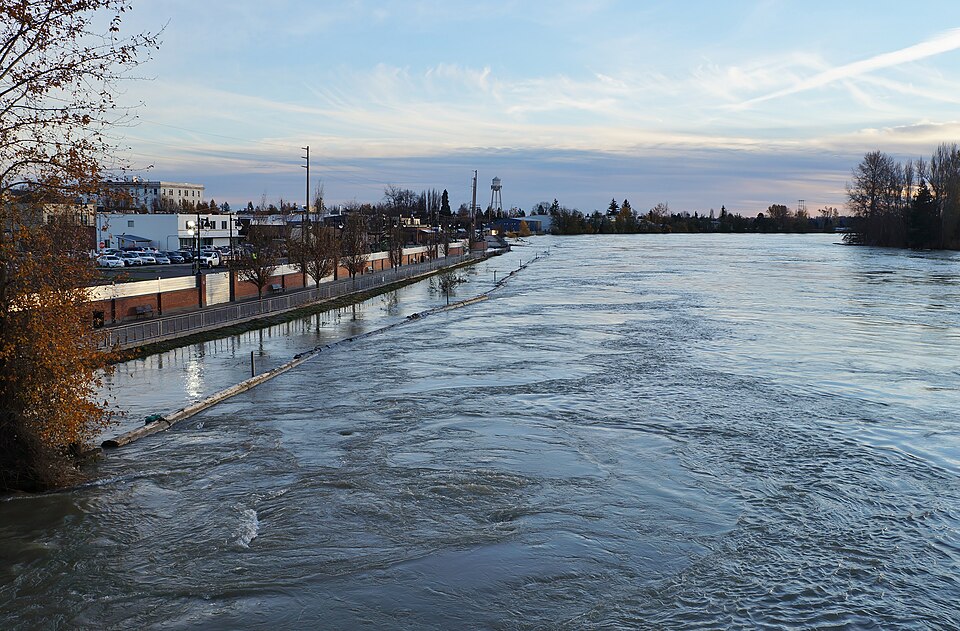
A statewide emergency has been issued by Governor Bob Ferguson, who said, “Lives will be at stake in the coming days.” The number of people who might be ordered to evacuate could be as high as 100,000, according to Governor Ferguson. The Skagit County flood warning includes “GO NOW” notices for the entire 100-year floodplain, which includes Burlington, La Conner, Lyman, Hamilton, and Mount Vernon as well as Sedro-Woolley. The National Weather Service predicts 18 major floods and 15 moderate floods.
2. Record River Crests and Levee Concerns
The Skagit River is predicted to crest at about 47 feet at Concrete and 41 feet at Mount Vernon – historic numbers that have never been seen before. Older river levees might burst from the pressure. “There’s a concern about that kind of pressure against the levy and dike system,” Mount Vernon Downtown Association’s Ellen Gamson said. The Snohomish River broke its 1990 record at 33.99 feet, overflowing river valleys and topping levees.
3. Infrastructure Disruptions and Isolated Communities
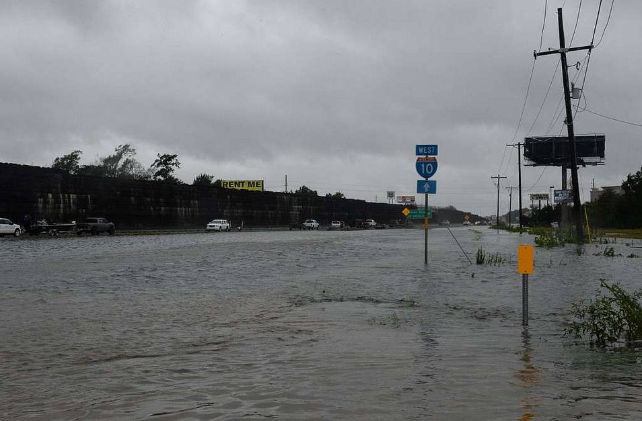
Floodwaters and landslides have inundated major roads, such as Interstate 90, U.S. 2, and Highway 18. Also, access in Duvall has been rendered unreachable due to floodwaters, with an emergency declared by the mayor there. As one resident put it: ‘We’re an island.’ A large number of people in Chelan County and Leavenworth have been without power, and also services on the train line connecting Seattle and Vancouver have been halted.

4. National Guard and Rescue Operations
Members of Washington’s National Guard have been sent out in numbers to help with sandbagging efforts, evacuees, and flood control. Fast-water rescue teams have extracted dozens of people trapped in homes, cars, and RV parks in the counties of Pierce, Snohomish, and King. Also in Monroe, rescuers employing canoes took people and their pets from floodwaters. “Most people know what’s coming they just didn’t know it would be like this,” said Ryan Lundquist of Snohomish County Fire and Rescue.
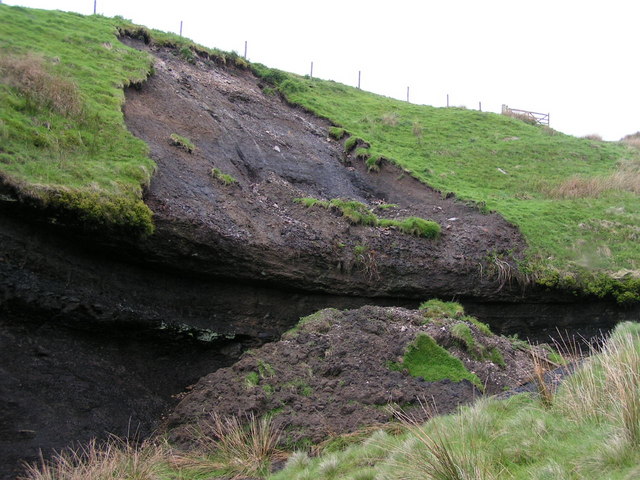
5. Landslide and Secondary Hazards
Aside from flood, the danger posed by landslides should also be considered, especially if the area is topped by steep land. Warning signals include leaning trees, recent crack appearances on the ground, movement of foundations, and unusual sounds. Once these signals are noticed, authorities call for immediate evacuation. The NWS advises that once it stops raining, soaked soils will remain susceptible for several days.

6. Climate Factors Contributing to Deluge
According to meteorologists, it is among the strongest and most prolonged atmospheric rivers seen since 1959. The warm ocean temperatures, as high as 2 degrees Fahrenheit above normal north of Hawaiʻi, and an air mass that is warmer than average, have fueled heavy rainfall. It has been shown that a warmer atmosphere can hold 4 percent more water per degree Fahrenheit, leading to more intense storms. Atmospheric rivers occur normally in the Pacific Northwest region as winter precipitation. However, global warming will make them broader, more prolonged, and wet.

7. Resilience During Disaster Situations
While the effects on flood-risk communities are quite destructive, they also have serious mental impacts. According to suggestions, there should be limited interactions with flood news and contact with neighbors, and people should concentrate on taking steps regarding flood safety. Regarding centers, shelters set up by American Red Cross services are giving people shelter and food, as well as facilities for kids to play and flood-affected people to store pets, all with an intention to maintain stability.

8. Preparing for What Comes Next
Despite that system weakening, forecasters predict that yet another storm will make an appearance by Sunday. As a result, river levels will remain high and soils will remain so saturated that additional landslides are possible. Emergency management officials stress that people should not delay evacuations but instead follow orders and refuse travel or walking through floodwaters, which may be deceptively fast and deep.
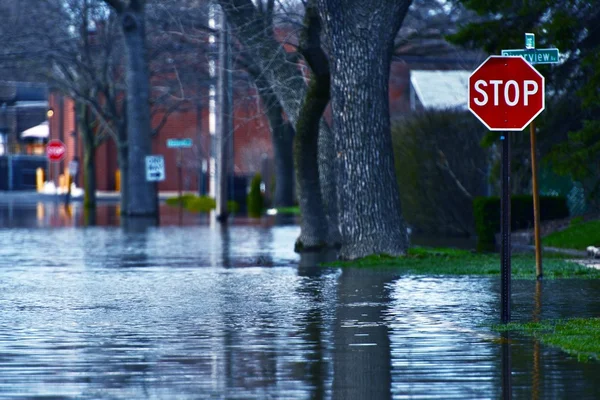
Although it appears that the rain will let up soon, its effects will be remembered for years to come. “We are working hard to prepare for a flood event that will be remembered for generations,” tweeted Susan DeMarois, chairwoman of Skagit County.

