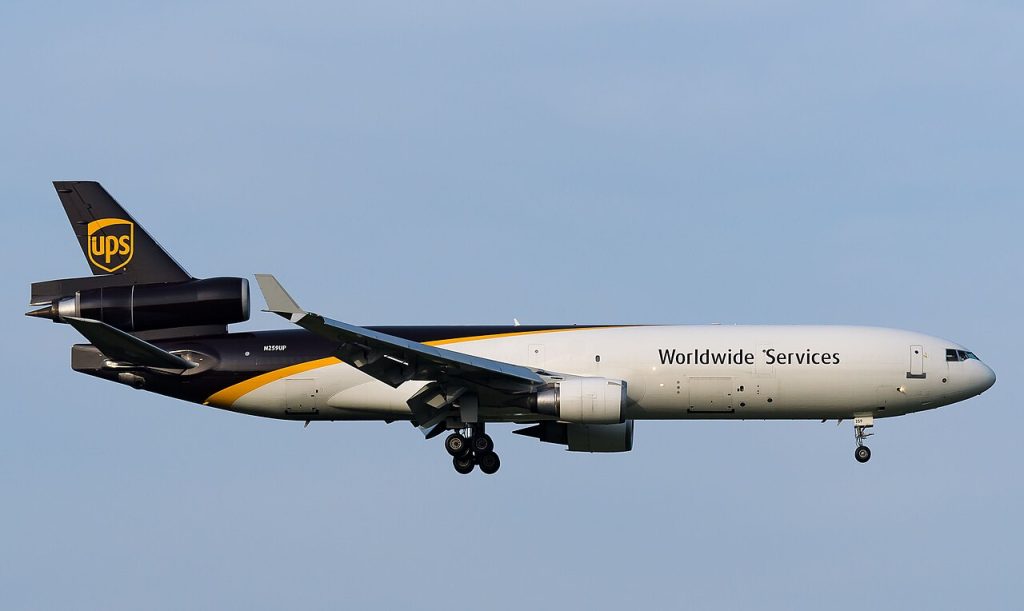
During the first minutes following the crash involving UPS Flight 2976 in the city of Louisville, the area was gripped with confusion, fear, and requests for aid. Recently made public are the first ten minutes of the calls made to the 911 operators for this incident. Witnesses reported seeing a “fireball explosion with black smoke spewing from the area along with entrapped persons near the burning structures.” This incident resulted in the loss of fourteen persons with a further twenty-three injured. The initial findings for the National Transportation Safety Board have identified “a loss of the left engine and pylon during takeoff.”

1. The First Calls for Help
These tape recordings reveal how quickly the panic spread. A listener called in and said: “Hi, we just saw a plane go down here by the UPS. It went up in flames and crashed right by the railroad tracks.” Another caller who was stuck near Grade Lane begged to get out: “How are we gonna get out, though? I mean, where? Where to go to?” The emergency operators struggled to provide information and comfort the callers while realizing the extent of the disaster.
2. Witness Testimonies of Impact
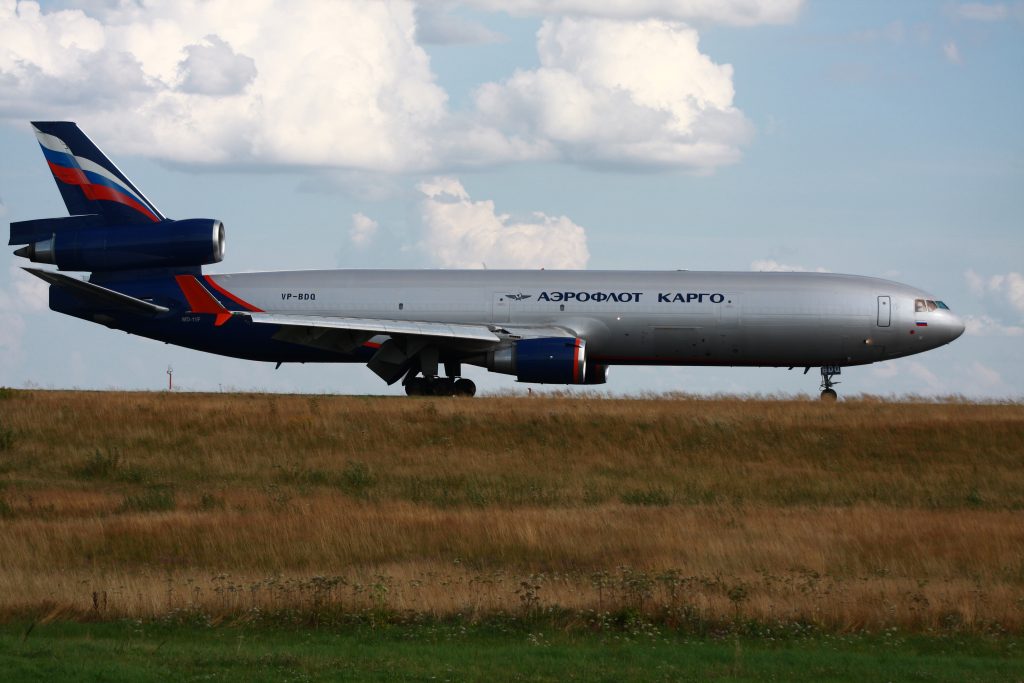
One of those who lived was Mary Ballenger, who was visiting her husband where he worked when the MD-11F aircraft came towards them. “I mean, I can feel my body shaking,” she explained. Mary and her granddaughter were hurt in the crash, and even now, her family is trying to cope with what occurred. “It should have never even gotten up off the ground,” Mary said when she examined NTSB photos of the isolated engine and pylon.
3. Preliminary Findings by the NTSB
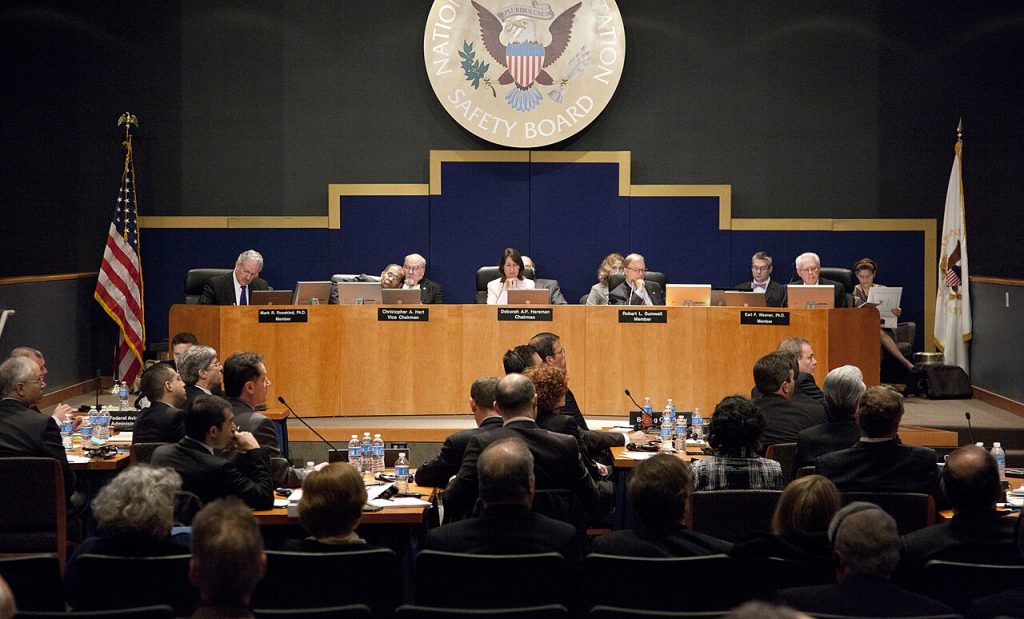
According to the early findings of the NTSB, the No. 1 engine and pylon separated from the left wing of the aircraft seconds after rotation from Runway 17R. Video taken by airport cameras recorded the ignition of the engine as it arced across the fuselage before impacting the ground. Flight data recorded that the aircraft only ascended to an altitude of 30 feet above ground level. There were fatigue cracks in the lugs of the aft pylon mount and a failed spherical bearing.
4. Historical Parallel with American Airlines Flight 191
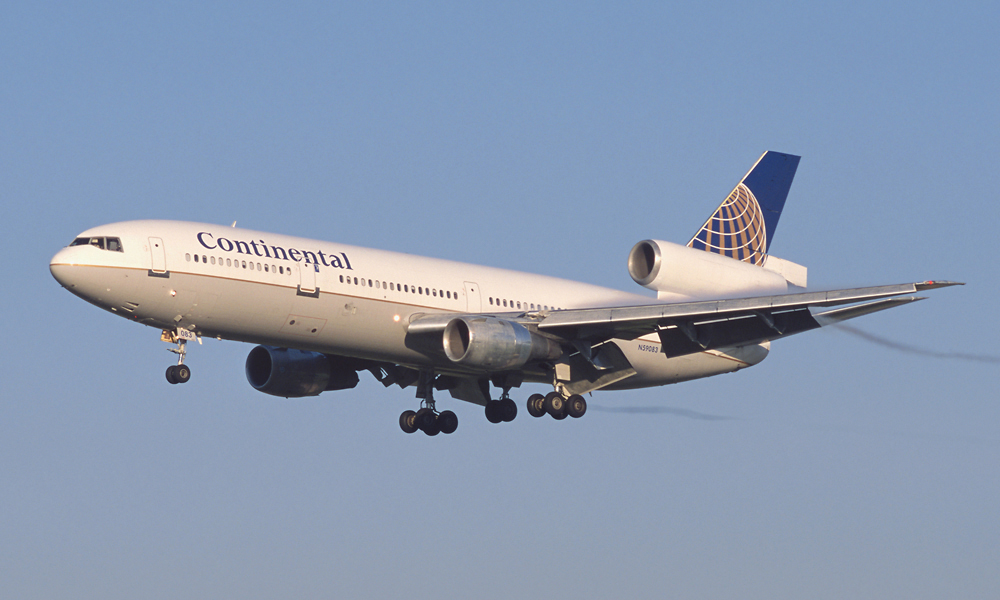
The NTSB also drew parallels with the American Airlines Flight 191 incident in 1979, when the DC-10 lost its left engine and pylon during take-off. In this incident, the common lineage of the DC-10 and the MD-11 meant the crash was even more traumatic as it hit the same planes decades later. The FAA immediately issued an emergency directive to ground the planes until the inspection is carried out.
5. Aviation Safety Background
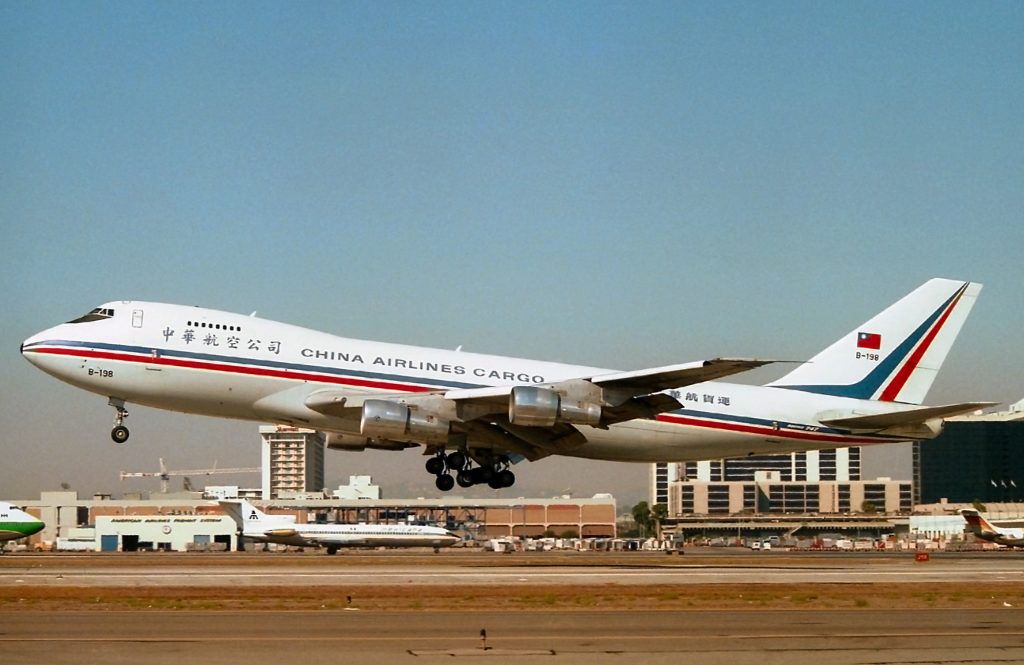
Although current aircraft design allows them to sustain engine loss if the critical aircraft components remain functional, it has been claimed that there has been a loss of aircraft when this did not happen in the past, based on examples involving China Airlines 358 and El Al 1862. The recent loss of UPS 2976 has brought about concern regarding aircraft maintenance and its associated hardware.

6. Community Impact of Emotion
Experts on mental health report that trauma from incidents like this might emerge several days or weeks later, taking the form of anxiety, flashbacks, or sleep deprivation. “We are still seeing calls from people who are experiencing what we would say are common responses to a very unusual experience,” reported Geneva Robinson of Seven Counties Services. Counselors were present at reunification centers, with heightened activity at the 988 Suicide and Crisis Lifeline.

7. Coping Methods for Traumatic News
Experts recommend minimizing exposure to disaster pictures, keeping to routines, and having an open conversation with trusted friends or relatives. Activities for personal care, including sleep, eating healthful food, and exercise, are important to help the body regulate stress. Support groups or professionals are advised for those having the problem. The National Disaster Distress Helpline provides crisis counseling services 24/7.
8. Recovery in Economy and Businesses
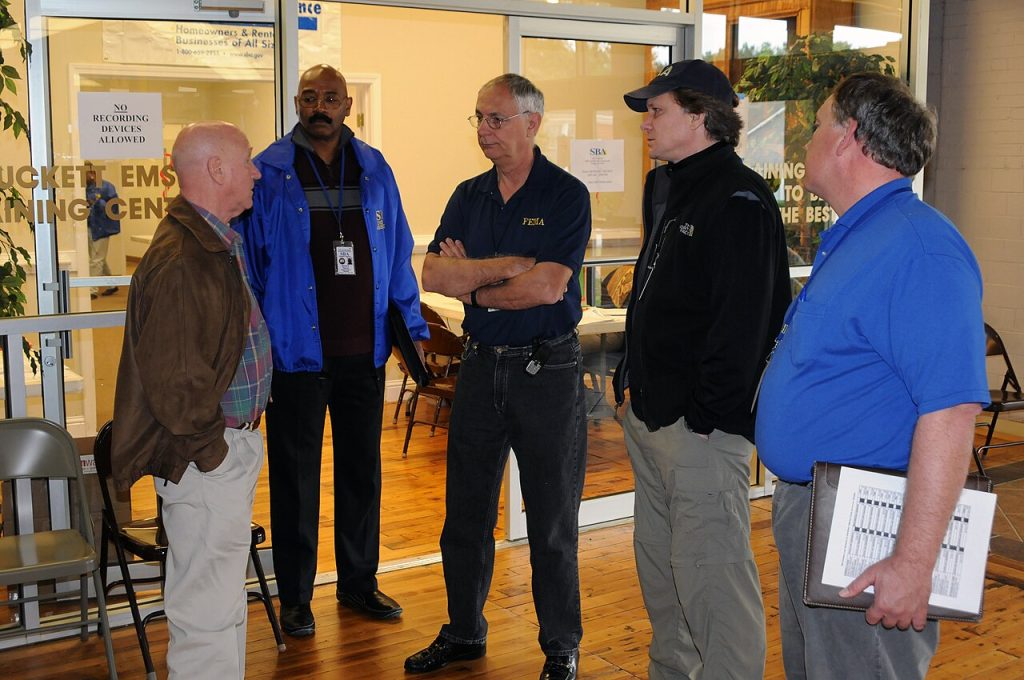
Approximately 90 businesses have been impacted, ranging from limited access to forced closure. The Community Resource Center at the Airport Office Park offers individualized assistance by matching owners with SBA loan specialists. Loans up to $2 million can be granted for property damage or economic injury. “We urge you to come into this center. We have people on the ground who will take you through the process step by step,” stated Donika Farnham of SBA Disaster Assistance.

9. Flight Crew Resource Management
Flight Crew Resource Management FC There are aviation case studies that show the importance of adhering to the “aviate, navigate, communicate, manage” rule in the event of an engine separation. Delegation of duties, maintaining control of the situation, and no distractions can help increase the chances of survival. Crew resource management is the factor that helps tap all the available expertise.
While Louisville is still in the process of healing, the revelation of the audio tape from the 911 call highlights the real people involved in this technical process. It will take at least six months for the NTSB to complete its investigation, but already, there are support structures in place in the Louisville region in response to the UPS Flight 2976 emergency.