
‘We are what we eat’ could be considered a clichéd proverb, but in the second half of our lives, it becomes a maxim to which we owe a great attention. Our metabolism starts slowing down, our system of absorbing food changes, and some food items which are not harmful to us in the previous decades start eroding our health silently. What we have on our plate affects our heart performance, our intelligence, and our rate of biological aging.
Nutritional experts, as well as extensive research, identify certain culprits that work towards accelerating inflammation, increasing the possibilities of chronic diseases, as well as draining energy, particularly during the latter stage of one’s life. These foods that accelerate inflammation, increase the chances of chronic diseases, apart from draining energy, include foods that are largely favored by people all over the world.
Below are nine foods and beverages that you should limit or avoid after turning 50 years old. This is in addition to substituting those with healthier foods that will assist in maintaining vitality and longevity.

1. Fried Foods
While it’s true that fries and onion rings are quite satisfying when crispy and golden brown, their unhealthy amount of saturated fat and calories can be taxing on the heart and the waistline. This is because, as nutrition experts advise, they tend to increase the level of LDL cholesterol and induce inflammation in the body, leading to heart problems.
The American Heart Association suggests that saturated fats should be limited to 5 to 6% of your daily calorie intake. Baking, steaming, and even air frying seasoned with a dash of olive oil can yield your desired texture. Even vegetables such as broccoli, green beans, and potatoes can become crisper and crunchier when cooked that way.

2. Processed and Ultra-Processed Foods
Over 70% of the American food industry consists of ultra-processed foods. These are frozen pizzas, breaded meats, convenience snacks, as well as prepared meals. These contain long lists of ingredients such as preservatives, emulsifiers, and coloring agents, which provide very little nutritional value to the body.
A study that included almost 10 million people showed that a diet filled with ultra-processed foods correlates to an increased risk of heart disease, diabetes, cognitive decline, and even death. Minimally processed foods, such as bagged spinach, frozen vegetables, and canned beans that are salt-free, give people the convenience without the consequences.

3. Refining Sugars and Flours
White bread, pasta, and refined rice are deficient in fiber. They contribute significantly to high spikes in sucrose levels. This ongoing process results in the stress imposed on the pancreas. This affects the risk of type 2 diabetes.
After a period of 30 years, researchers found that a diet that includes whole grains, fruits, and legumes contributes to healthy aging. On the contrary, poor-quality carbohydrates work against healthy aging. They recommend substituting whole grain foods and the addition of beans and/or lentils to meals to ensure healthy living.

4. Industrial Pastries and Sugary Sodas
“Processed cakes, donuts, and sugar-filled beverages contain empty calories, unhealthy fats, and a whole lot of sugar.” These foods can cause weight problems in many people. However, consuming too many sweets can accelerate skin aging because it breaks down collagen and elastin in the skin, according to Dr. Andrew Nish of UnityPoint Health.”
Added sugars also pose risks in terms of metabolism. In a study conducted by the University of South Carolina, women who drank at least one sugary drink every day had a 78% increased risk of liver cancer compared with women who drank sugary drinks sparingly. Drinking herbal tea, sparkling water with fruits, or eating yogurt with berries can help ease cravings for sugary drinks.

5. Processed Meats
Hot dogs, sausages, and deli meats are known to be high in salt, saturated fat, and preservatives such as nitrates, which increase the risk for cardiovascular disease and some cancers. These foods also promote systemic inflammation, a cause for most age-related diseases.
It can be prevented by opting for lean poultry meat, fish, and other protein sources like lentils and tofu. In the event that meat is being considered as part of the meal, one can choose less processed meat and cook it using healthy methods.

6. Alcoholic Beverages
Metabolism of alcohol shifts with age, and the body becomes even more vulnerable to the negative impacts of alcohol. Even in moderation, alcohol consumption can lead to a higher risk of liver troubles, cardiac issues, and mentally declining health. Researchers from the University of Pennsylvania found the association of “only a few drinks a week” with alterations in the brain.
The government recommends that women consume one drink per day, while men can consume two, but most doctors advise cutting back after age 50. Some fun alternatives to alcohol include mocktails, flavored sparkling water, or low-sugar kombucha.

7. Too Much Salt
A large proportion? Three-quarters? Of sodium intake comes from processed foods, not the salt shaker. Excessive sodium consumption increases blood pressure, worsening kidney problems, especially for seniors. A landmark clinical trial, published in The Lancet, showed that restricting sodium consumption reduced symptoms such as swelling and fatigue.
Try to limit your intake to 1,500 to 2,300 mg per day. Season your food with herbs, spices, or vinegar rather than salt. Cooking at home using fresh vegetables will allow you to set the limits on salt intake.
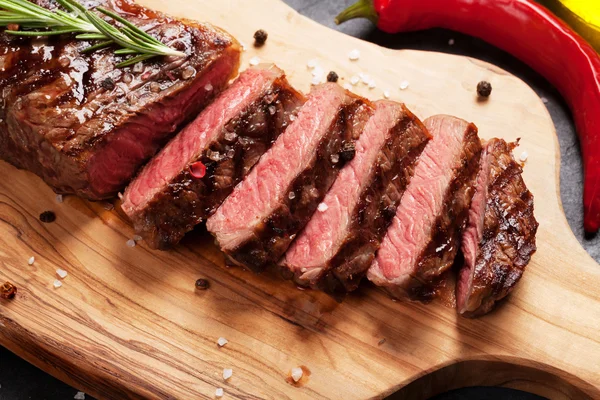
8. Red Meats
Red meat contains a high proportion of protein and iron. It also contains a high quantity of saturated fats that increase the cholesterol levels. It has been found to be a reason for heart-related disorders and some cancers.
Red meat can be consumed in moderation, and it is always better to opt for lean cuts, fish, or plant protein sources. The Mediterranean diet, centered around fish, beans, and nuts, has been known to combat inflammation and promote longevity.
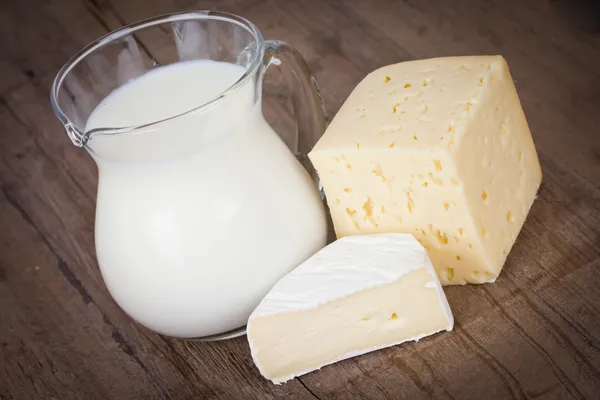
9. Full-Fat Dairy Products
Cheese, whole milk, and cream are nutrition-dense in saturated fats. This tends to induce obesity and problems with the metabolism of the nutrients. The food is also unsafe for lactose intolerance. Changing to low-fat or plant-based milks, such as almond or oat milk, may offer a similar satisfaction level without the same health hazards. Adding calcium and vitamin D, which are very important for people over 50 for maintaining healthy bones, could also be obtained through fortified plant-based milks.
A change of diet over the age of 50 doesn’t mean restrictive eating but rather creating space in the diet to include foods which work to protect the heart, the brain, and the bones, working to eliminate foods which catalyze the aging process. One can easily maintain their vitality by replacing foods such as fries, processed foods, and sugary foods with foods rich in nutrients and anti-inflammatory in nature.