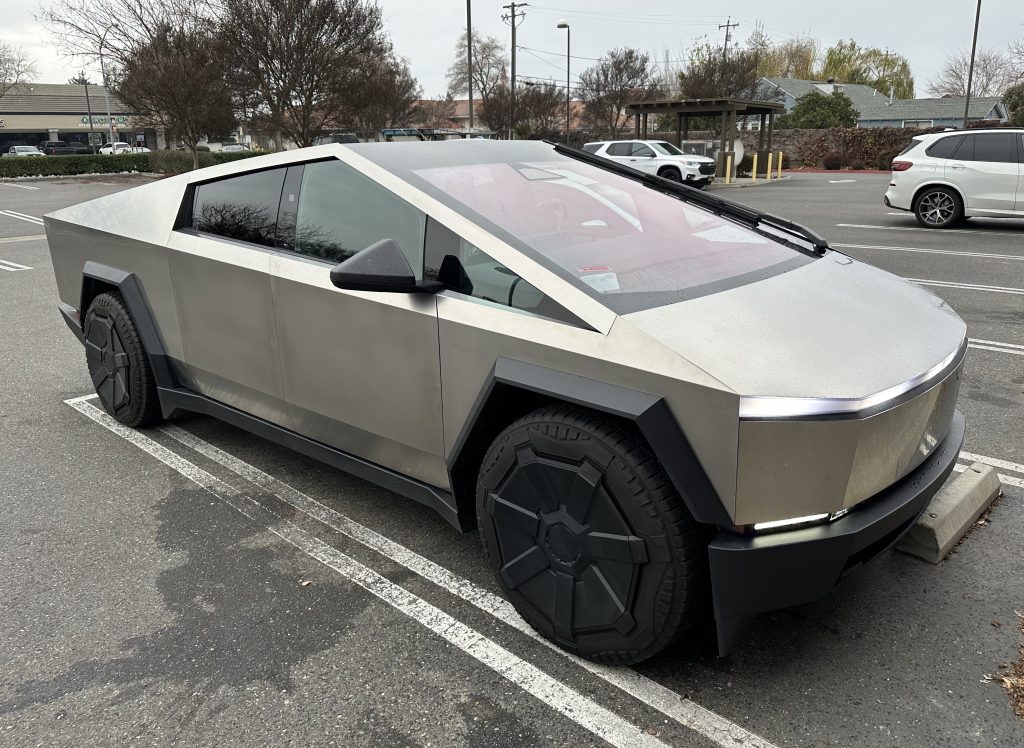
“What is the cruel irony that an ‘apocalypse-proof’ vehicle can become an escape proof in the very moment when escape is most crucial? The Cybertruck’s sleek features stainless steel exoskeleton and armor glass, as well as the flush electronic release handles have been widely praised for their robustness. Ironically, in numerous burning crashes, these same qualities may turn what could be survivable collisions into fatal encasing.

1. Piedmont Crash That Triggered an Alarm
In the early hours of November 2024, a Cybertruck, packed with four young occupants, collided with a tree and a retaining wall in the Piedmont neighborhood of California. This was a severe collision but not one that would prove immediately deadly to all of its occupants. A blaze erupted, fueled by the lithium-ion battery pack present in the cybertruck. Matthew Riordan, driving a different vehicle behind the others, arrived at the crash scene but found the high-tech doors immune to operation by electricity or manual force. “Just did not work,” Riordan testified in a deposition testimony. The armor glass defied multiple hammer blows until a tree limb broke it open at last. However, three of the occupants would never survive the smoke inhalation and burns sustained during the rescue efforts of the cybertruck’s poorly designed door mechanisms, heavy armor glass, and high-strength steel necessary for its construction as a tank.
2. A Pattern of Entrapment
The incident at Piedmont is not an isolated one. The Washington Post reported that at least a dozen cases had been discovered since the end of 2019 where Tesla passengers or rescue teams were not able to open the vehicle doors after a collision. Bloomberg’s investigation showed that at least 15 deaths had been caused in a dozen cases over the past ten years, where passengers had survived the initial crash only to die from burning inside the Tesla vehicle, which caught fire after the accident. Over half these cases are since the end of 2024. Federal safety authorities are conducting an investigation into the Tesla vehicle door handles that are flush-mounted and dependent on power.
3. The Design Philosophy and the Results
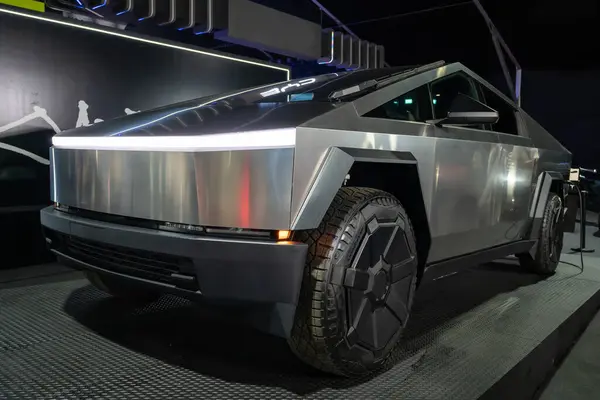
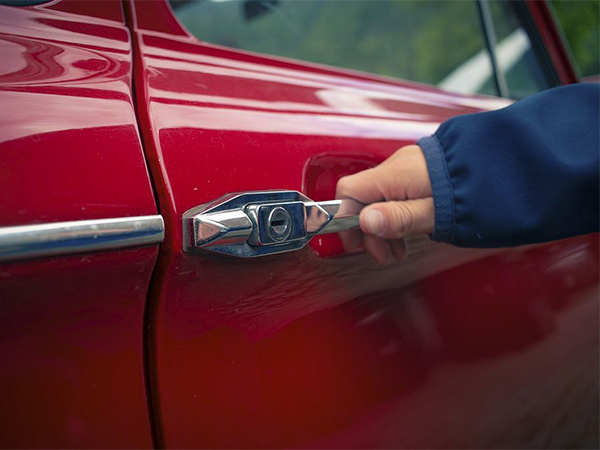
Tesla’s flush handles that can be opened electronically have long been a feature of their aerodynamic designs. The Cybertruck takes this to an extreme level through its “expertly engineered” panels made of extremely hard 30X cold-rolled stainless steel, its “armored glass” windows, and its hidden emergency releases. While all of these add to the safety of the vehicle – Tesla boasts that its truck can even resist gunfire – safety analysts say they make it very hard to get out of in an emergency. Phil Koopman, a long-time safety analyst on automobiles, told *Wired*, “If you can’t get out of or into a wrecked Cybertruck, it’s _disastrous.’” U.S. law mandates trunk releases that are lighted, but not ones in back seats.
4. Hidden Manual Overrides
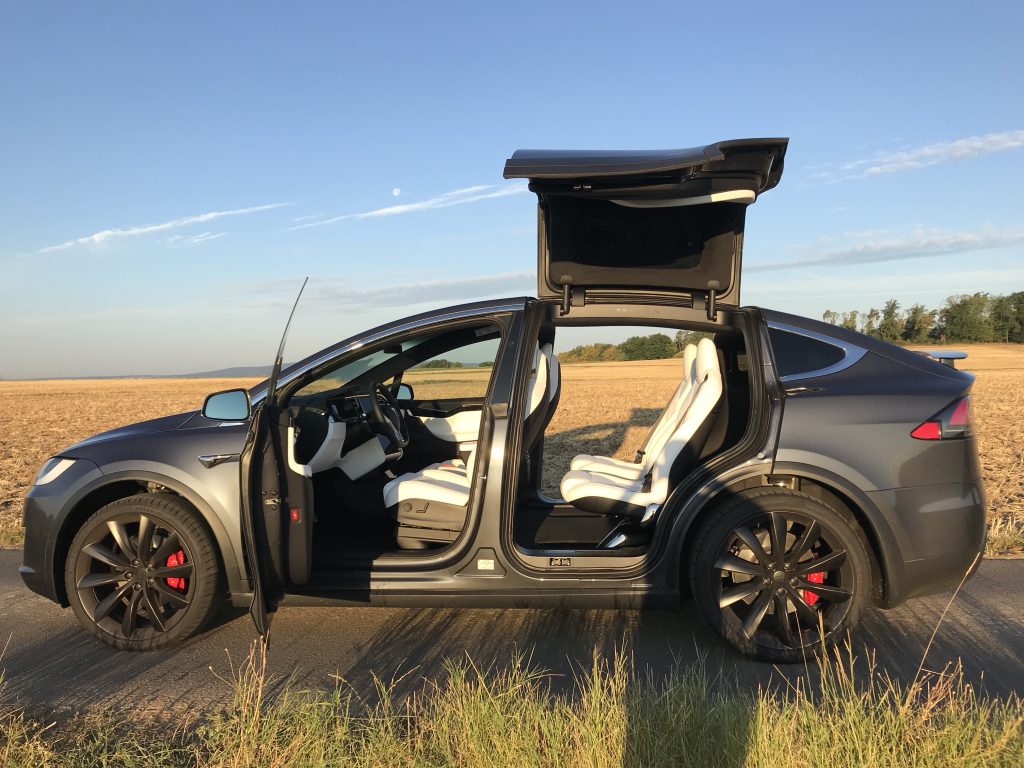
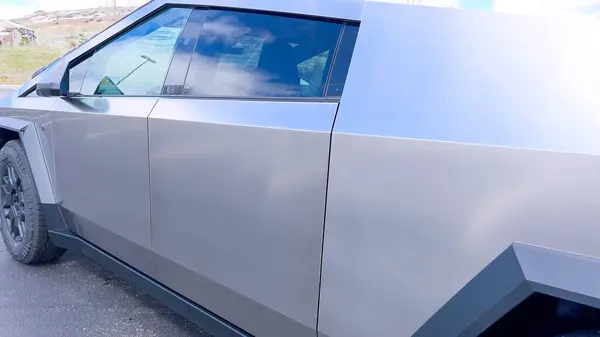
Manual door releases exist on Tesla cars, though they may not be plainly marked. In some rear seats of the Cybertruck, one must lift a trim inside a storage compartment to reveal a pull cable. Otherwise, a passenger could never happen upon it, especially during an emergency. Some newer models made in the Shanghai plant contain warning pictograms, though this is not true for most Cybertrucks delivered to the USA. In the Wisconsin crash that resulted in five deaths involving a Model S from Wisconsin, “passengers had to lift carpeting to gain access to a metal tab.”
5. Risks of Fire from Lithium
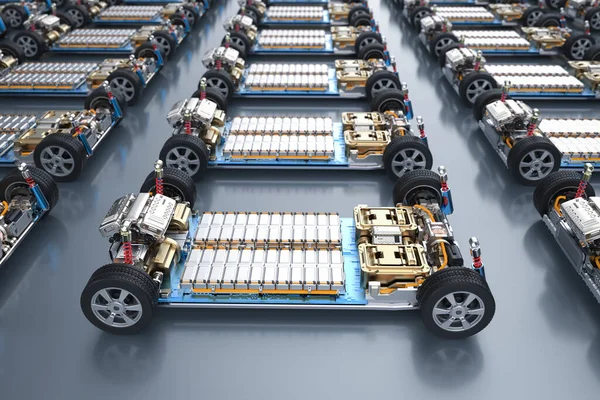
Apart from this, electric car fires involve unique challenges. The National Transportation Safety Board recently found that a damaged set of lithium ion batteries could trigger a “thermal runaway” reaction, which could cause a chain reaction fire capable of self-restarting after it had been extinguished. The temperature of the Piedmont Cybertruck fire was sufficient for a victim, in another case, to cause a “thermal fracture” in bones, which proved fatal in the state of Texas.
6. First Response Challenges
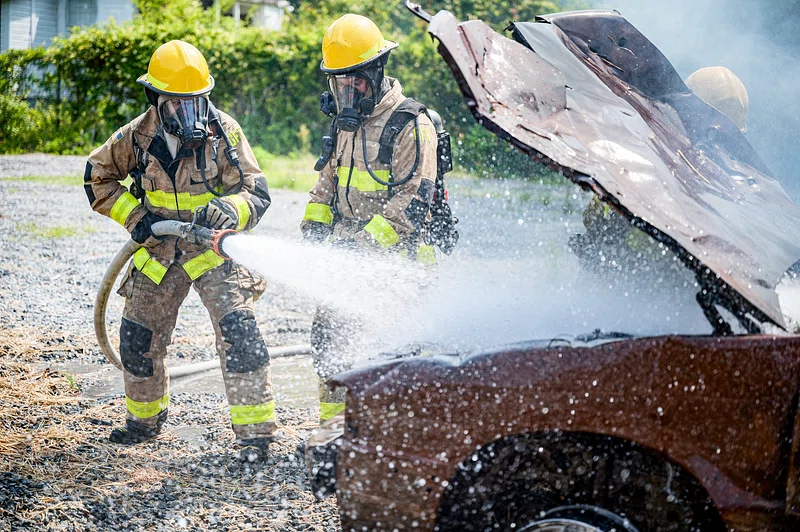
Pry marks on the doors of the Cybertruck in Piedmont made by firefighters retreated as they realized rescue was no longer possible. Steel sheets are difficult to break in, while armored glass can withstand dozens of attacks. Battery fire could be too hot to approach the vehicle to break the windows. Screams could be heard from inside the Teslas by people who could not open the doors in several instances where vehicles were on fire.

7. Regulatory and Industry Response
It has come to be expected that the National Highway Traffic Safety Administration has asked for information from Tesla about door handle and latch designs. There has been no compliance expected as fines have been as much as $27,874 per violation per day. Recommendations for China’s Ministry of Industry and Information Technology have included accessible handles for emergencies through clearly defined handles. Even car makers like Volkswagen have said no to electronic handles.
8. Position and Planned Changes in Tesla
The company has denied responsibility in cases involving wrongful death claims, dismissing allegations by arguing that it complies with safety requirements and that booklet warnings are sufficient. Franz von Holzhausen, design director, has acknowledged that they have developed an improvement design merging electric and manual release functions into a single mechanism. The company has recently revealed that in serious collisions, car doors would immediately unlock to allow easier emergency vehicle access.
9. The Broader Safety Debate
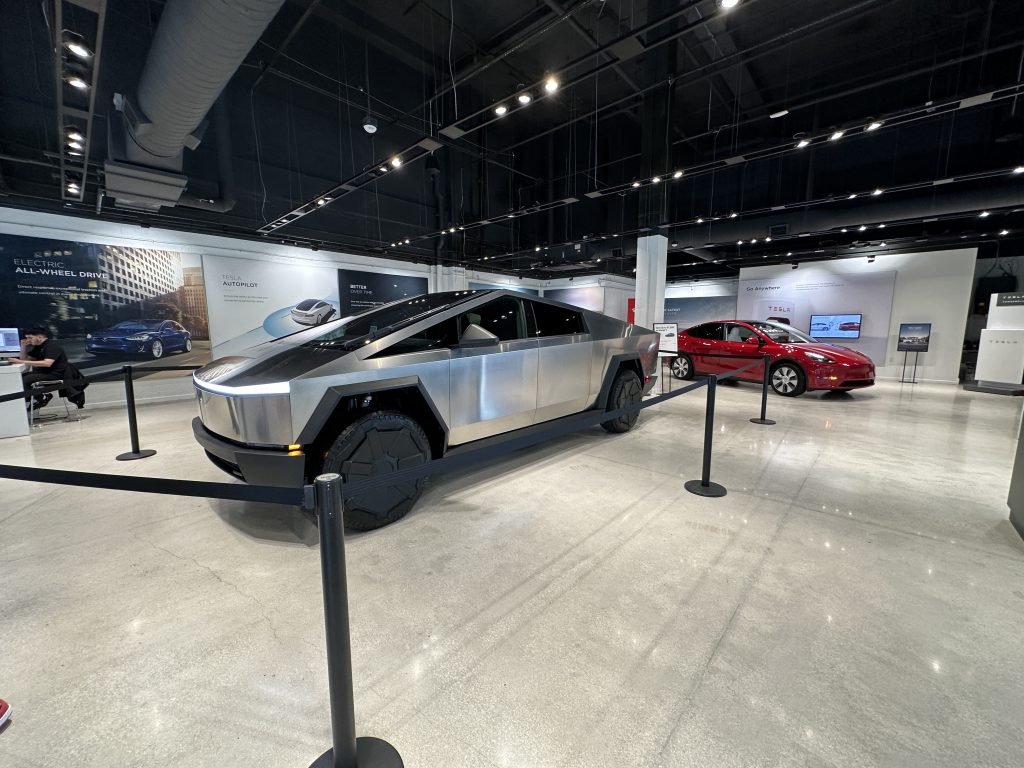
As for the safety aspects of the Cybertruck, its safety performance has been good in controlled crash situations, thereby earning a 2025 Top Safety Pick Plus for models made after April. However, what has been exhibited in actual scenarios indicates the conflict that exists between being tough on the outside and being safe on the inside. This has been aptly expressed by Matthew Davis, an attorney for the family of one of the victims involved: “They survived the accident. They can get out.”