
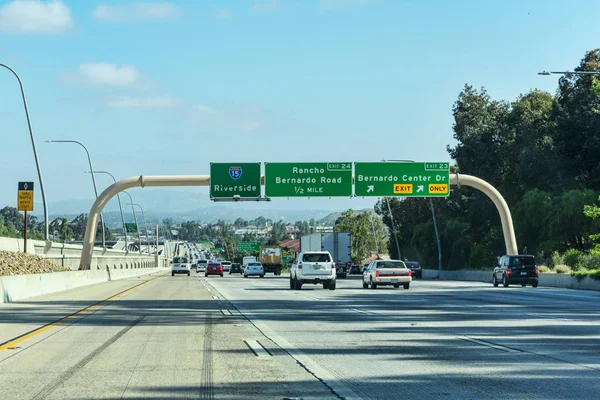
“Ignorance of the law excuses no one”-a saying that will ring quite true for California drivers come 2026. The state is introducing one of the most far-reaching sets of traffic and vehicle-related regulations it has witnessed in years, touching on everything from roadside safety to car-buying transparency. But these changes are not some bureaucratic tweaking. Real consequences await wallets and driving records, and even public safety might be at stake.
The California Department of Motor Vehicles and Highway Patrol have made it clear that enforcement will be robust. Be it a new fine structure related to license plate tampering, extended probation for serious DUI convictions, or expansion of automated red-light cameras, it all points toward one thing: tightening accountability and reducing risks on the road. Hopefully, advance knowledge of these laws can help drivers, commuters, and vehicle owners avoid very expensive mistakes and ensure that they come out on the right side of enforcement.
Here are the most major changes that go into place in 2026, and their impact on how Californians drive, park, buy cars and share the road.
1. Longer Probation for Intoxicated Vehicular Manslaughter
Assembly Bill 1087 lengthens probation terms for vehicular manslaughter or gross vehicular manslaughter while intoxicated from two to three to five years. To the lawmakers, this was a case of lighter probation terms not serving appropriately as a stand-in for the severity of taking another human life under the influence. The extended period of supervision will allow courts added time to impose conditions-such things as alcohol-related treatment, ignition interlocks, and follow-up with probation officers. This puts the probation for these serious offenses at the same level as the standard for DUI convictions and closes that gap in the previous law allowing lesser oversight for the more serious of the crimes. It means more time under the watchful eye of the court system for offenders and deeper justice and accountability for the victim’s families.
2. The Ignition Interlock Device Program Extended
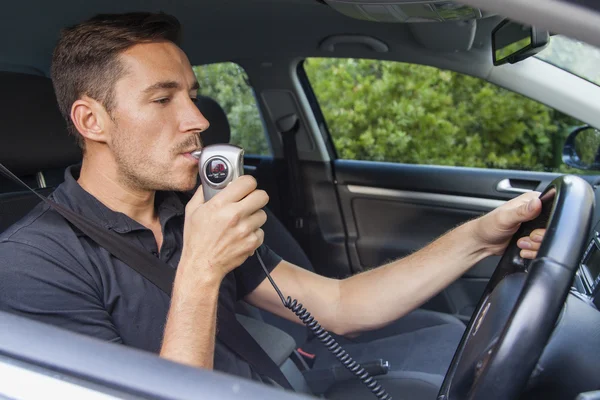
AB 366 extends the statewide IID program in California until January 1, 2033. The program was scheduled to sunset at the end of 2025, and forces certain DUI offenders to install a breath-activated device in their vehicle that prevents a car from starting if alcohol is detected. Assemblywoman Cottie Petrie-Norris said at the time this bill was introduced, “AB 366 will preserve our current protections and expand this mandate so that anyone convicted of a DUI installs an IID.” This extension keeps in place a technological safeguard to help prevent recidivism of impaired driving.

3. ‘Slow Down, Move Over’ Requirements Expanded
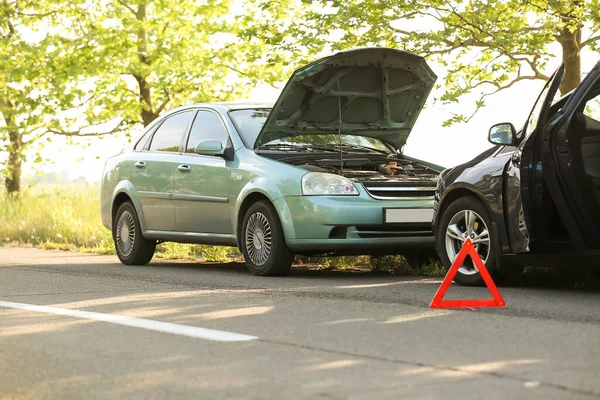
AB 390 augments California’s move-over law, where originally motorists had to change lanes or slow down with caution when they approach stationary emergency or Caltrans vehicles displaying flashing lights; the new rule adds all the stationary vehicles displaying hazard lights or warning devices. This expansion is due to increasing roadside injuries of stranded motorists and maintenance workers. Whether the vehicle serves as an official service unit or not, drivers are expected to safely change lanes or reduce speed to protect those stopped along the shoulder in either case.
4. Automated Red-Light Camera Enforcement
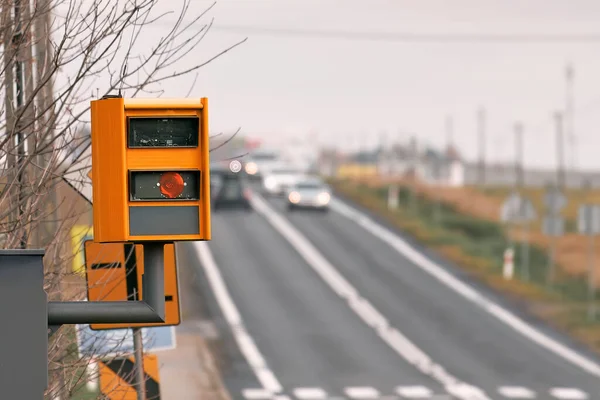
Senate Bill 720 permits cities and counties to utilize automated systems to identify and penalize motorist running a red light. Under the new rules, citations could be issued based on a license plate data without identifying the driver. New installations after January 1, 2026, shall be subject to a 60-day grace period when warnings should be issued to violators and not fines. Fines shall start from $100 and increase to $500 on recurrence within three years. Revenue from fines shall be invested in improvements in traffic safety and not in general funds.
5. Severe Fines for Devices Obscuring License Plates
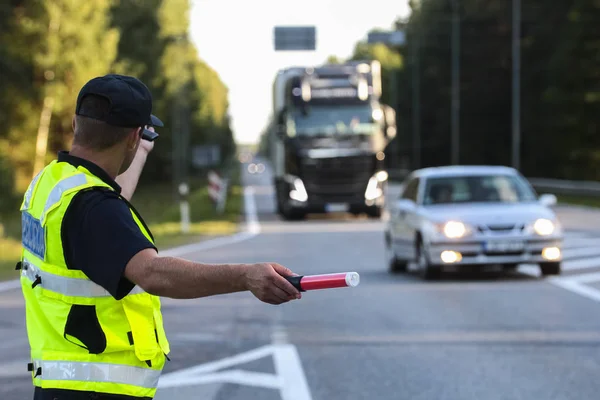
Assembly Bill 1085 addresses the manufacture and sale of devices intended to obscure the plates, those tinted covers and flippers. The new law significantly raised the fines against manufacturers from what the old penalties had been to as much as $1,000 per item. It will rid the highways of devices used to evade tolls, avoid automated enforcement of traffic laws, and obstruct criminal investigations. The new law targets the manufacturers, but drivers should know its use has remained illegal and could bring a fine of $250 per violation.
6. Low-Income Driver Parking Penalty Relief
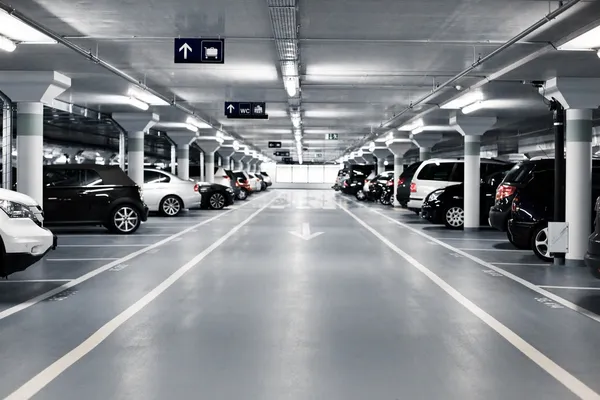
AB 1299 grants authority to local governments to waive or reduce parking fines when a person is unable to pay, and requires the offering of payment plans upon request to support preventing escalating fees, vehicle towing, and lien sales that disproportionately affect low-income residents. The new policy seeks to shift away from punishment in favor of pragmatism: break the cycle where outstanding tickets mean loss of transportation, and for some, loss of jobs. Applicants will have to document their financial hardship.

7. New Rules for Off-Highway Electric Motorcycles
Senate Bill 586 classifies “eMoto” vehicles officially as off-highway motor vehicles. Riders must wear a helmet at all times, and also be equipped with a DMV-issued identification plate or placard. These vehicles cannot be operated on the public highway and are restricted to approved OHV trails or private property with permission. The categorization closes a legal gap, meaning consistent safety standards for electric motorcycles currently used off-road.
8. Abandoned RV Removal Pilot Program
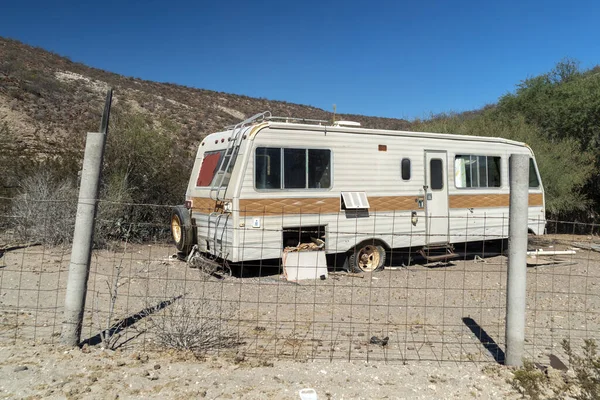
AB 630 allows the Counties of Alameda and Los Angeles to remove and dispose of an abandoned recreational vehicle that has a value of $4,000 or less if the vehicle is inoperable. This pilot project terminates January 1, 2030. The bill addresses public health and safety concerns from derelict RVs occupying streets and lots, making sure owners prove a vehicle is inoperable before removal commences to protect functional vehicle owners from seizure.

9. Electric Bicycles Visibility Requirements
AB 544 requires that all e-bikes be equipped with a red reflector or a solid/flashing red rear light with a built-in reflector at all hours of operation. This change increases visibility in changing light conditions; not just in the dark. The new law also allows minors who are cited for helmet violations to meet the safety training requirement with an online program developed by the California Highway Patrol-a step that matches enforcement with education in improving rider safety.

10. Consumer Protections in Car Sales
The California Combating Auto Retail Scams (CARS) Act, SB 766, goes into effect October 1, 2026. The law makes it illegal for dealers to misrepresent the cost of a vehicle, the terms of financing, or to sell add-ons that have no benefit to the buyer. It extends a three-day right to cancel purchases of used vehicles under $50,000, subject to a restocking fee. Gone are the baitandswitch pricing and hidden fees. It will provide buyers with a coolingoff period, during which they can change their minds and not be locked into a deal perhaps unfavorable to them.
What will California’s traffic and vehicle laws look and feel like in 2026? There is a clear push toward safer roads, fairer enforcement, and consumer protection. To drivers, the takeaway is simple: awareness is the first line of defense. Understanding these changes now will help avoid fines, protect your rights, and further a safer driving environment for everyone.

