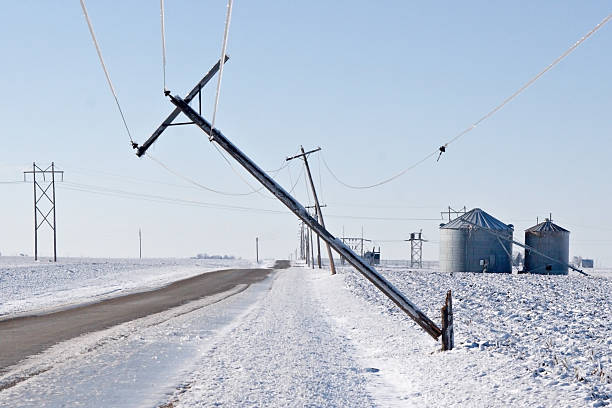
“When a winter storm leaves a community without power, the toughest part of the experience may come after the last snowflake falls. That’s because ice, which sticks to trees and power lines, can continue to damage equipment, and the return of cold weather can turn a minor problem into a days-long nuisance.
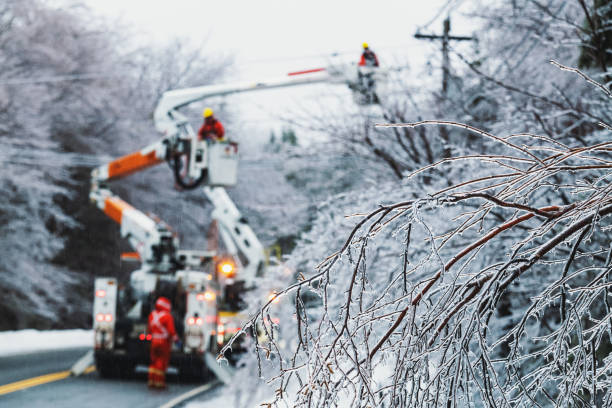
The number of outages rose into the hundreds of thousands in a broad swath of the country, with utilities in the Tennessee and Carolinas regions among the most stretched. Weather also made it harder to repair lines, with slick roads and fallen trees making it harder to reach damaged power lines.
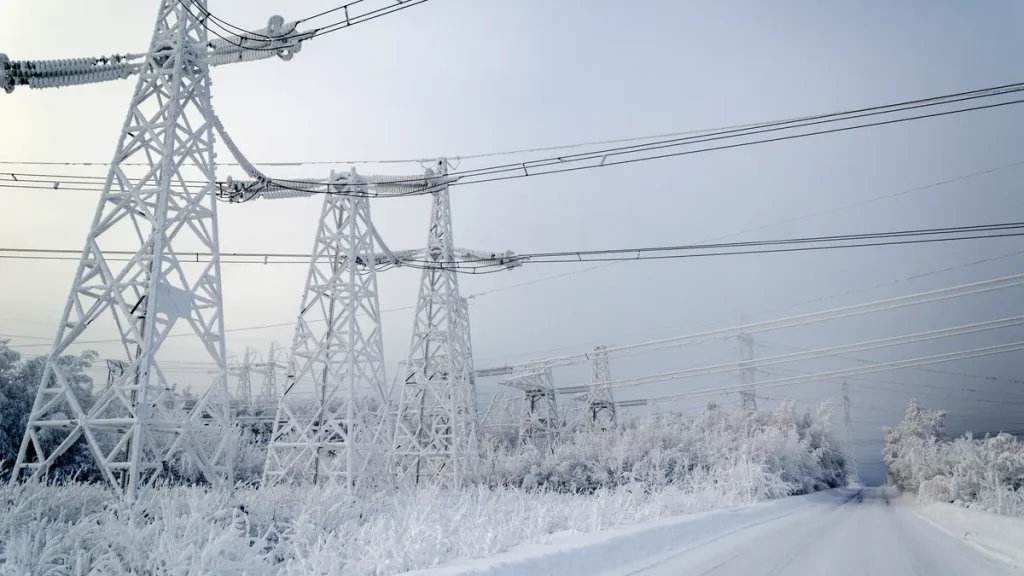
1. A power outage can quickly become a cold-weather crisis, and it happens faster than most people think
In Nashville, the storm was characterized by utility officials as the largest power outage in the city in decades, with over 230,000 customers left without power at one point. Briefings on the situation made it clear that the problem was a “multi-day event,” which is what most power companies experience during a major icing event, with damage to poles, circuits, and repeated failures due to continued branch falls. Nashville Electric Service reported dozens of broken poles and hundreds of linemen working extended shifts, with additional help brought in.
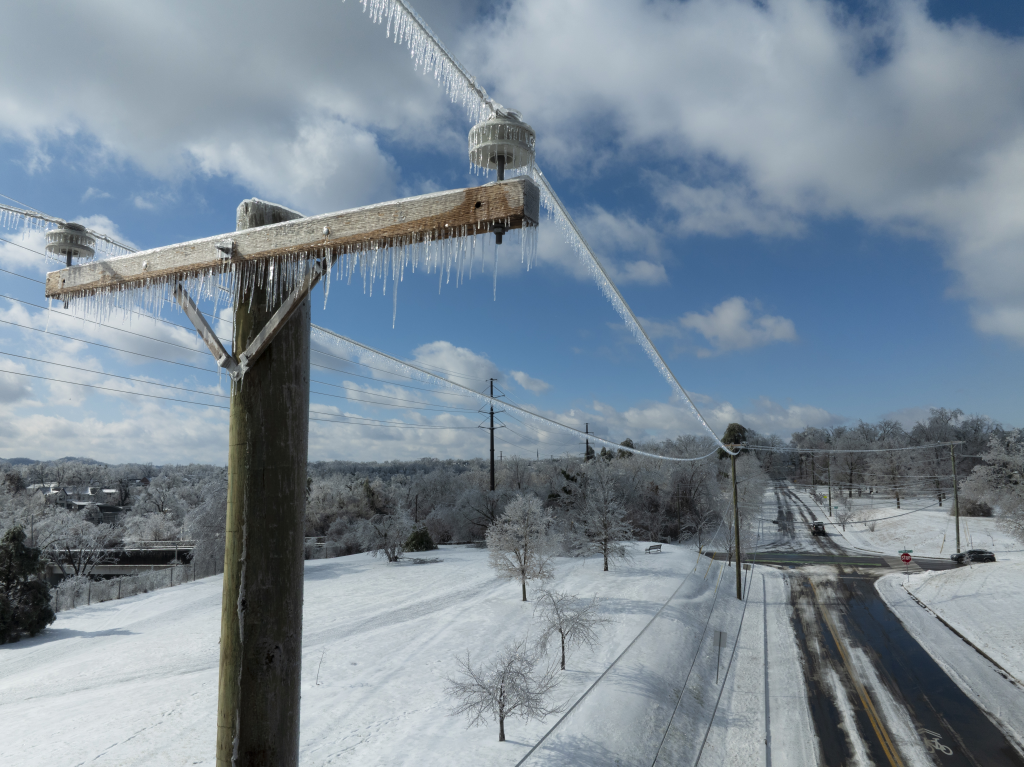
2. Ice, not snow, is the biggest problem in most power outages”
Snowfall totals were of interest in several states, but the most problematic line failures in the South often had origins in freezing rain, which weighed down trees and power lines. In the Nashville area of Middle Tennessee, the National Weather Service reported a “flash freeze,” in which a rapid change occurs into very low temperatures, which freeze slush and melted water into solid ice. This can cause partially reopened roads to become hazardous again by nightfall and hold debris to power lines and sidewalks.
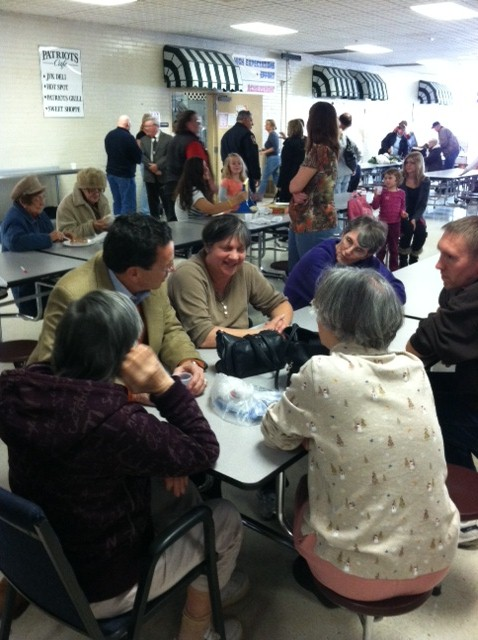
3. Warming sites fill a need when homes cannot be warmed safely
With temperatures remaining below freezing, the city of Nashville opened several public warming centers, in addition to 24-hour warming available at fire stations and most police precincts’ community rooms. Pets were also welcome at warming centers, removing a significant obstacle for residents who otherwise would not leave their homes. Phone alerts increased demand, and warming center staff added cots and supplies as more residents arrived through the night.

4. Food safety becomes an immediate household concern, not a post-storm cleanup issue
Household refrigerators heat rapidly during power outages, and recommendations may be more stringent than most kitchens are equipped to handle. According to the CDC, contaminated food can make you sick even if it looks and smells fine, and recommends discarding perishable foods that have not been kept cold enough.

The same advice recommends discarding food that has come into contact with floodwater or stormwater and advises that some packaging types, including cardboard containers and packages with snap or screw-top lids, may be contaminated and therefore not safe for consumption.
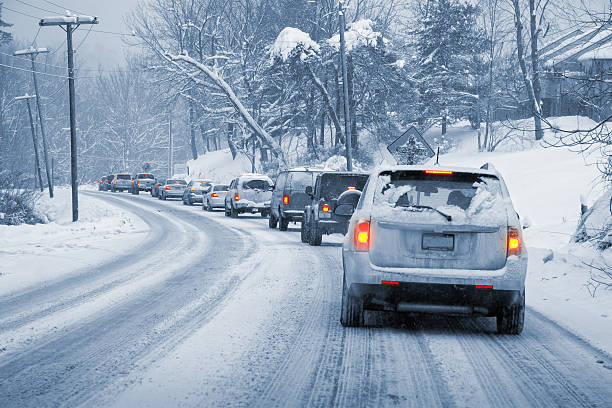
5. Roads and basic services may remain inoperable even after the end of precipitation
In Nashville, transportation and municipal services were affected in line with how long the recovery process may take, with reduced bus routes operating on modified schedules and trash collection suspended. The number of requests to remove trees skyrocketed, with tree removal crews coordinating with utility crews to remove trees that were entangled with power lines. The impact on the residents was that there were fewer places to go and fewer services operating normally.
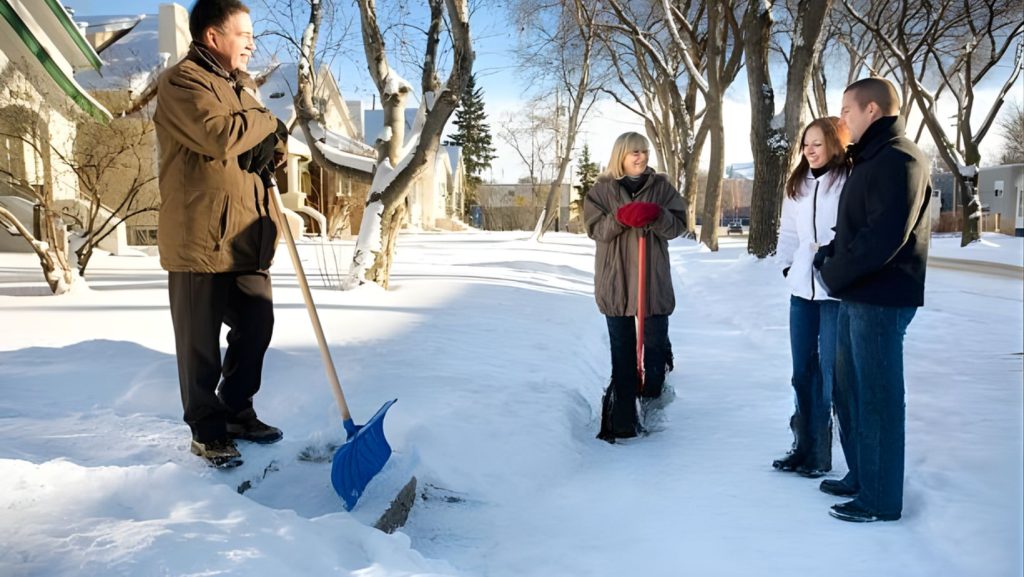
6. Neighbors and frontline workers become the most visible support system
As the outages continued, there were reports of neighborhood efforts to clear the streets and help each other navigate through the frozen neighborhoods. Some businesses that had power became makeshift warming centers, where hot meals and a respite from the cold could be found. While these measures did not serve as a substitute for official sheltering or utility restoration, they served to fill the gap between the hours when households exhausted their options at home.

The two tracks of a major winter storm are always the initial shock to the infrastructure and the subsequent struggle to live without power, safe roads, and reliable services. It is in the second track that preparation and community resources, such as warming sites, food safety, and coordinated cleanup, play a crucial role in how well a community can weather the storm.