

“Democracy is not a spectator sport.” That reminder rings particularly true as demands to “federalize DC” resound across social media, with Elon Musk giving Donald Trump’s recent threat to take over the country’s capital directly an amplified voice. Anxiety is palpable, but beneath the headlines and red-posted rants, there’s an undercurrent of story about government, neighborhood, and what actually makes a city safe.

1. The Home Rule Act: DC’s Delicate Balance
The District of Columbia has been balancing on a tightrope since 1973, when the Home Rule Act allowed residents to elect a mayor and city council of their choice. But as Monica Hopkins of the ACLU of the District of Columbia stated, “Members of Congress were elected by their constituents to represent them on matters of national importance.” They were not sent to squander their time and tax dollars on telling the daily business of District residents how to live, who have our own local government. Even with local self-rule, Congress holds final say and can veto DC’s legislation a power infrequently exercised but perpetually hanging over them. Last month’s Republican proposals, such as the intemperately titled BOWSER Act, would eliminate all local government, a step critics accuse of “an insult to the ideals of self-determination and local control that lawmakers profess to support.” For a lot of residents, it is not about politics it is about dignity, democracy, and having the right to define their community’s future.

2. Can DC Really Be Federalized? The Legal Maze
Apart from the incendiary words, really federalizing DC is not as easy as a presidential tweet. As legal commentators point out, “Trump can’t do it alone. Congress, with Republicans controlling both houses, could absolutely vote to repeal the 1973 Home Rule Act.” That would be a highly contentious vote that would almost certainly put to the test the stability of the three-seat GOP majority in the House of Representatives Legal barriers to federalizing Washington DC under the Home Rule Act. Even a partial seizure such as taking over the Metropolitan Police Department would need a “justifying emergency” and would almost certainly be legally challenged. The reality: DC’s governance is shielded by walls of law and precedent, so a complete federal takeover is a political and legal morass.
3. The Crime Numbers: A Story of Progress and Pockets of Pain
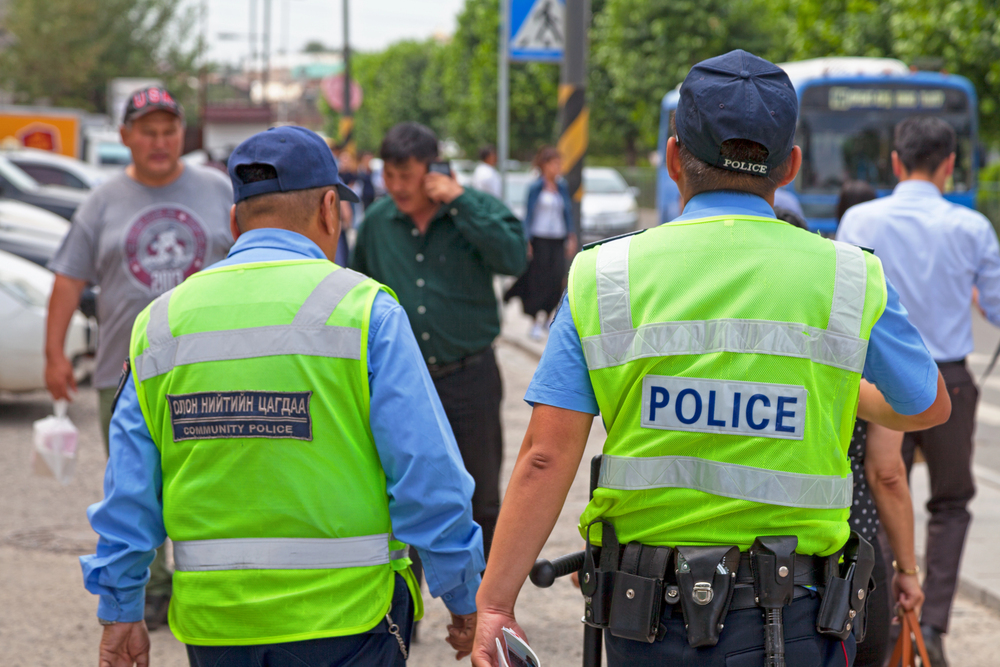
It’s easy to get alarmed by viral reports of violence, but the numbers paint a more complex picture. In 2024, DC experienced a 35% reduction in violent crime, with homicides decreasing 32%, robberies decreasing 39%, and armed carjackings dipping 53% lowest levels in more than 30 years DC’s violent crime rates. U.S. Lawyer Matthew Graves attributed a concentrated approach: “The strategy this Office started to use has been to work with our law enforcement partners to concentrate on the drivers of violence those gangs or crews of individuals who are selling drugs, guarding territory, committing carjackings and other robberies, all armed.” Nonetheless, 2025 has witnessed an increase in fatal occurrences in some areas, reminding everyone that improvement is uneven and the job isn’t finished.
4. Neighborhood Hotspots: Safety Isn’t One-Size-Fits-All
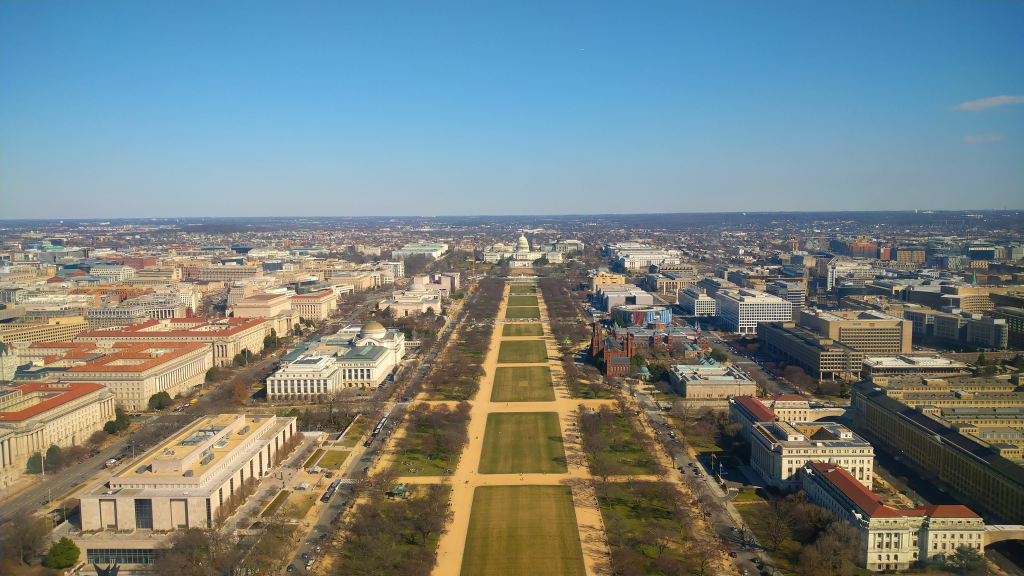
DC’s crime map is a patchwork. Tourist hotspots like the National Mall are still pretty safe, while areas east of the Anacostia River struggle with chronic problems. The city has responded by focusing interventions where they are needed most and using data to determine and patrol hotspots. Mayor Bowser’s “Focused Patrol and Community Engagement Policing Strategy” is intended to “better enable our officers to be problem solvers for the community so that we can be more proactive in preventing crime and violence” Community-driven crime prevention strategies in DC. These programs are having an impact, but residents understand that real safety is rooted in both robust policing and robust community bonds.

5. Social Media’s Role: Amplifying Fear, Fueling Policy
With today’s hyper-connected world, a single social media post can ignite a national conversation. Trump’s posts on Truth Social and those by Musk on X regarding DC crime have gone viral, influencing opinion far beyond the city limits. As one account phrased it, “Trump says or does something egregious and the people who are currying favor with him say, ‘Well, let’s workshop this,’ and they share his message on their own account, but add their own twist” How Trump’s supporters amplify his Truth Social messages.

This “steroidal version of political messaging” can fuel fear, even if the facts on the ground are more comforting. The outcome? A feedback cycle in which policy discourse is fueled by outrage online, and outrage online is fueled by policy discourse.

6. Community Resilience: Planning for Autonomy and Security
Within the din, the city’s residents are far from passive. Communities such as Free DC organize workshops, art builds, and neighborhood assemblies to educate and empower. As Shaila Huq, an area organizer, puts it, “Some individuals are consumed by despair at the moment, so Free DC exists as a joy-fueled movement that constructs noncompliance and stages events to provide awareness and create change.” Community-based safety programs such as neighborhood watches and youth outreach programs are demonstrating that answers don’t always require a top-down approach. Residents are unequivocal: they desire a say in their city’s future, not a seat at the table but a say in what goes on the menu.
7. The Larger Picture: Democracy, Dignity, and Local Control
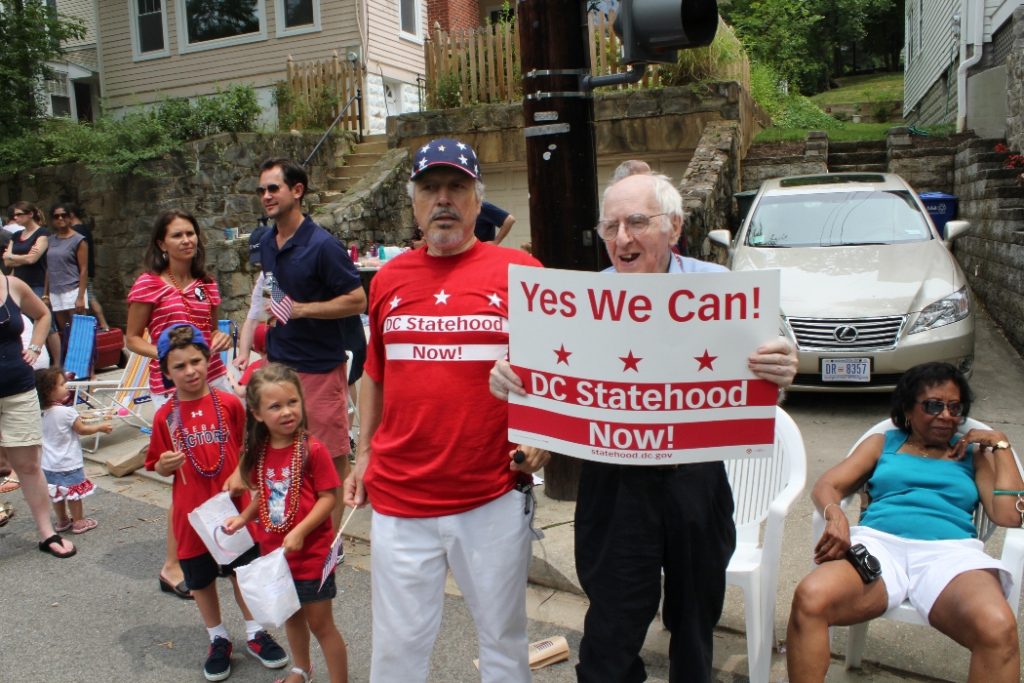
For others, the question of federalizing DC is not merely about crime statistics or political fights over territory. It’s about the principle that democracy entails local people making local decisions. As Jocelyn Frye, the president of the National Partnership for Women and Families, states, “No community is perfect. No set of leaders is perfect. Holding D.C.” to an impossible standard in trying to justify why Congress continues to fill this function of decider doesn’t make a whole lot of sense. The tug and pull between federal control and local self-governance is the quintessential characteristic of DC’s identity and a test of the nation’s allegiance to democracy itself.

Ultimately, the DC story is one of resilience, nuance, and community. The headlines might scream about crisis and control, but in the trenches, neighbors, leaders, and advocates are working quietly and not so quietly toward a more just and safer city, block by block.

