
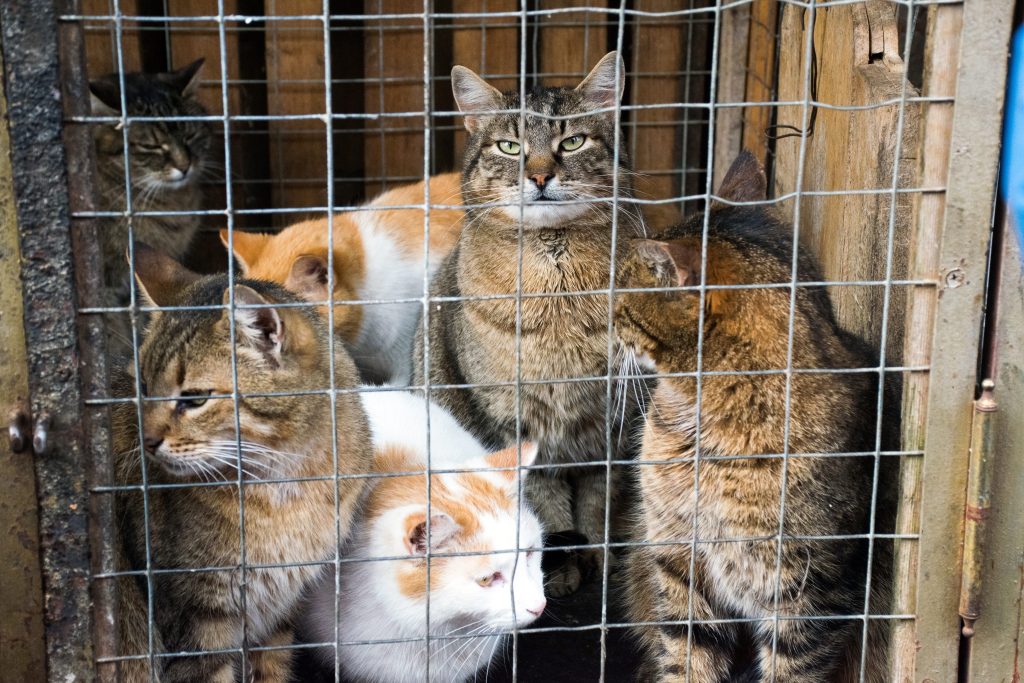
A worried call from a neighbor can one day trigger a rescue operation that transforms the lives of dozens. That is what transpired in Pierce County, Washington, when officials acted on a series of complaints and found a sight that even veteran officers couldn’t believe: a 30-foot-long trailer packed with 80 cats some only days old, others ill and crawling with fleas. Six nursing female cats were found, and dozens more female cats were found to be pregnant. The cats were found to range in age from 3 days old to approximately 3 years old, the Pierce County Sheriff’s Office posted. The intervention was not only for the well-being of the animals, but for the safety and health of the community as well.
1. The Hidden Scale and Severity of Cat Hoarding
When officers entered the small trailer, they discovered cats in all corners crammed in carriers, boxes, and kennels. Some of the youngest kittens were fighting upper respiratory infections and flea infestations, so immediate veterinary attention was a must. The rescue team moved promptly, with on-site veterinarians to stabilize the most fragile animals. All the cats are currently being screened and, once cleared, will be sent to the Humane Society for Tacoma & Pierce County to be adopted. Situations like this aren’t as uncommon as folks wish: in the United States, an estimated quarter million animals annually fall victim to hoarding.
2. What Is Animal Hoarding, Really?
Animal hoarding is much more than having “too many pets.” It’s characterized by the saturation of a space with more animals than one is able to properly care for, usually with a neglect in providing fundamental nutrition, sanitation, and veterinary treatment. Most hoarders truly believe they are doing good for their animals despite the conditions worsening. “Hoarding is really about fulfilling an individual’s need to collect animals and try to take care of them, and that need takes over from the animals’ needs,” says humane agent Ashley Pudas. In nearly every situation, the living conditions are filthy sometimes even unbearably so for both humans and animals.

3. The Mental Health Connection: More Than Meets the Eye
Hoarding disorder is officially a psychiatric condition, and animal hoarding is usually a special form of this disorder. The majority of animal hoarders, according to a study published in 2020, are older adults and were roughly three-quarters women. They often co-occur with other mental health conditions depression and anxiety each occurred in 36 percent of the cases and memory disturbances and obsessions. Often, hoarding is rooted in a history of trauma, loss, or chaotic childhoods. “In my experience, all hoarders feel an overwhelming sense of responsibility to protect their animals from society,” says Ashley. This intense attachment can make intervention emotionally charged for everyone involved.

4. How Law Enforcement and Animal Control Respond
Animal hoarding cases sit at the intersection of public health, animal welfare, and law enforcement. Officers have to coordinate with veterinarians, humane societies, and even sometimes mental health practitioners to attend to both animal and human requirements. The operation typically begins with complaints from neighbors, usually, followed by an investigation, obtaining a warrant, and an operationally planned rescue. Veterinarians handle triaging and providing treatment to animals in the field, while officers attend to the safety of everyone. “Sometimes the animals are like a canary in a coal mine for domestic violence, or mental health issues, or other organized crime, that kind of thing, right?” noted Officer Daniel, reflecting on the intricate human narratives behind every case.
5. The Role of Volunteers and Community Support
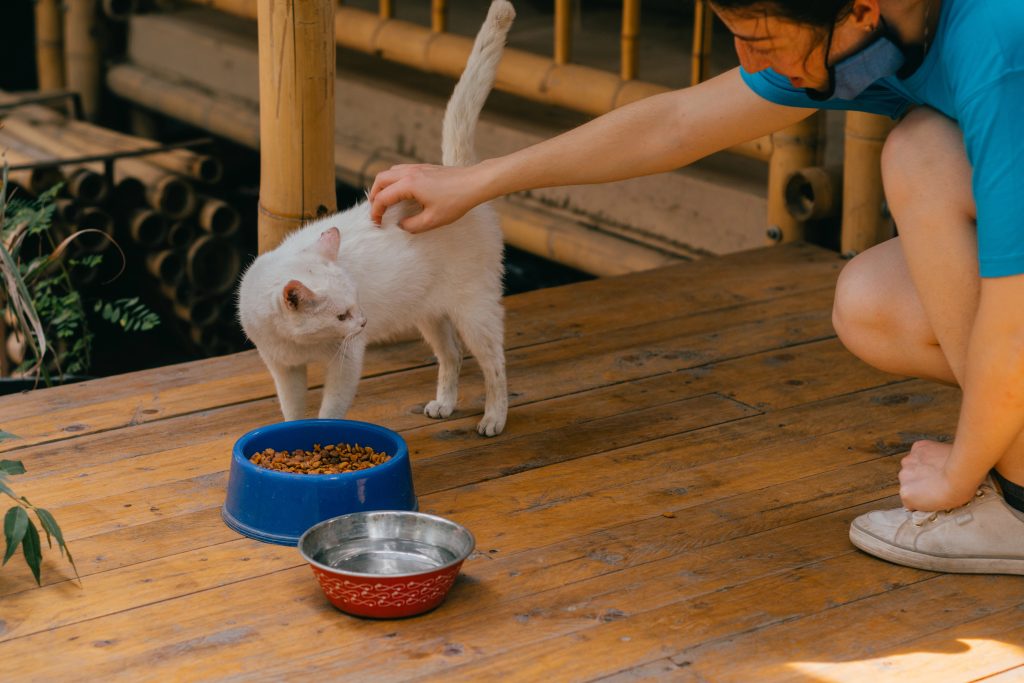
Rescues on such a scale can easily overwhelm local shelters. That’s where volunteers come in caring for clean cages, socializing animals, and providing that extra manpower necessary to give rescued animals a second chance. Humane society volunteering is an influential way concerned citizens can create change. “With the removal of animals from a hoarding situation, the burden on local shelters can be staggering.”

Volunteer to assist with cage cleaning, socialization of animals, dog walks and other such tasks at a shelter or rescue facility near you, the Animal Humane Society urges.

6. Prevention of Hoarding: The Role of Mental Health
Intervention While prosecution may be required at times, long-term change too often occurs as a result of confronting the underlying mental health issues. “Effective intervention is key to preventing relapse, which occurs with 100 percent of hoarders who don’t get treated and receive ongoing support,” says the Animal Humane Society. Collaborative community task forces code enforcement, mental health, social services, and animal care working together can provide comprehensive support. Assuring pet owners that seeking assistance doesn’t entail throwing away all their animals can be a lifesaver. “The ultimate key in successful intervention is collaboration.”It’s got to be several resources coming together to assist that person in that situation, explains Louise Kurzeka of the Minnesota Hoarding Task Force.

7. Legalities and the Impetus for Reform
Albeit the magnitude of the issue, just two states Illinois and Hawaii have laws specifically criminalizing animal hoarding. In other places, cases are tried under general animal cruelty statutes, which do not always treat the cause or deter repeat offenders. Animal cruelty in Washington is a Class C felony and punishable by up to five years in prison, but experts see that the best route to ending the cycle is to include legal penalties along with required psychological evaluations and counseling.

Regular monitoring and community intervention are necessary to ensure safety for both individuals and animals. Each animal hoarding case is a cry for empathy empathy for the animals, empathy for the individuals struggling, and empathy for the community. Through concerted efforts, providing support, and understanding the underlying issues at hand, communities can turn heartbreak into hope and healing.

