

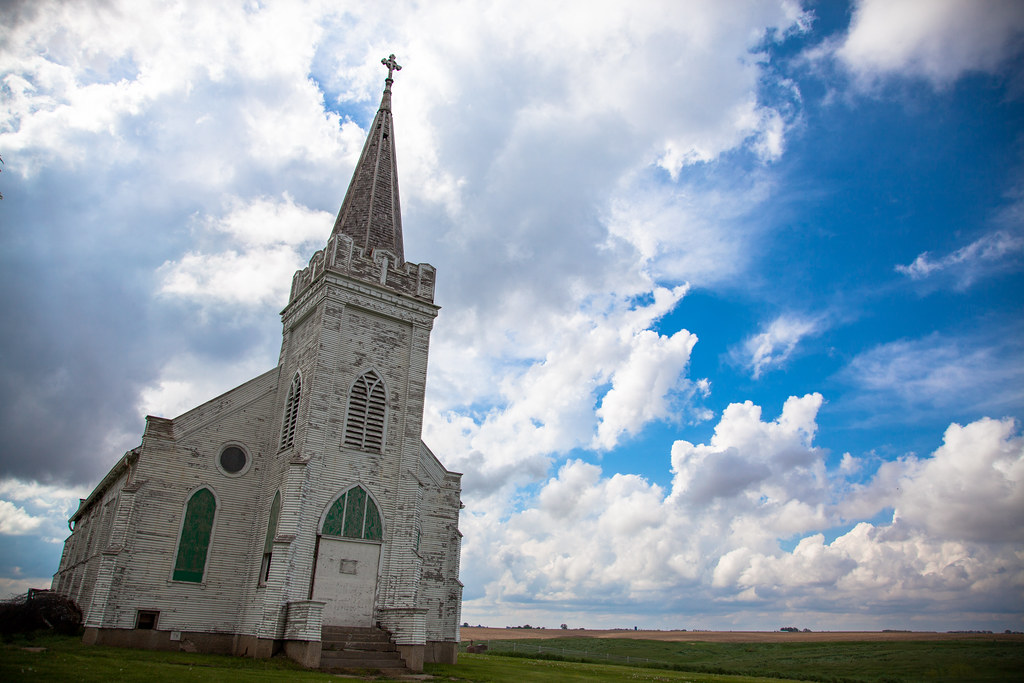
“Every society is theocratic. The question is, who’s ‘Theo’.” Doug Wilson’s words, spoken with the arrogance of a man who has spent decades building a huge evangelical empire, now echo through Washington, D.C.’s halls and increasingly, through the higher echelons of American government. When Secretary of Defense Pete Hegseth publicly expressed Wilson’s ethos at Christ Church’s new D.C. location, it was more than another Sunday sermon.

It was a warning: lines of religion, politics, and policy are becoming confused in ways that undermine the very fabric of American democracy.
1. Hegseth’s Blessing: A New Age of Church-State Engagement
Hegseth’s public endorsement of Doug Wilson and his Christ Church movement is not an exercise of personal religious faith. As Pentagon spokesperson Sean Parnell reassured, “The Secretary is a proud member of a church which is affiliated with the Congregation of Reformed Evangelical Churches, founded by Pastor Doug Wilson. The Secretary very much appreciates much of Mr. Wilson’s writings and teachings.” This endorsement is not singular.
Wilson’s church, which started as a tiny Idaho congregation to grow into a global church network of over 150 churches, schools, and publishing companies, is now uncovering “many strategic opportunities with many evangelicals who will be in and around the Trump administration.” The warning is ominous: faith-based politics is no longer on the fringe it’s vying for mainstream.

2. Doug Wilson’s Theocratic Vision: Patriarchy, Exclusion, and Power
Wilson’s vision is not subtle. He has demanded the repeal of the 19th Amendment that gave the vote to women and believes “women are to obey their husbands.” As he himself says, “When the women got the vote, the nation had already swallowed the lie that a nation is just a collection of people.” Wilson’s fraternity ideal sees a world in which “the household should have one vote,” preferably the best of the male head’s.
His theology is LGBTQ rights, too gay marriage has to be flipped around, he asserted, and “homosexuality should be a crime.” When it comes to race, his language has been even more disgusting, asserting that “slavery produced in the South a genuine affection between the races that we believe we can say has never existed in any nation before the War or since.” These aren’t throwbacks to oldtimey bigotry they’re part of a living movement with political muscle to support them.
3. The DOJ, Zoning, and Religious Freedom: A National Test Case
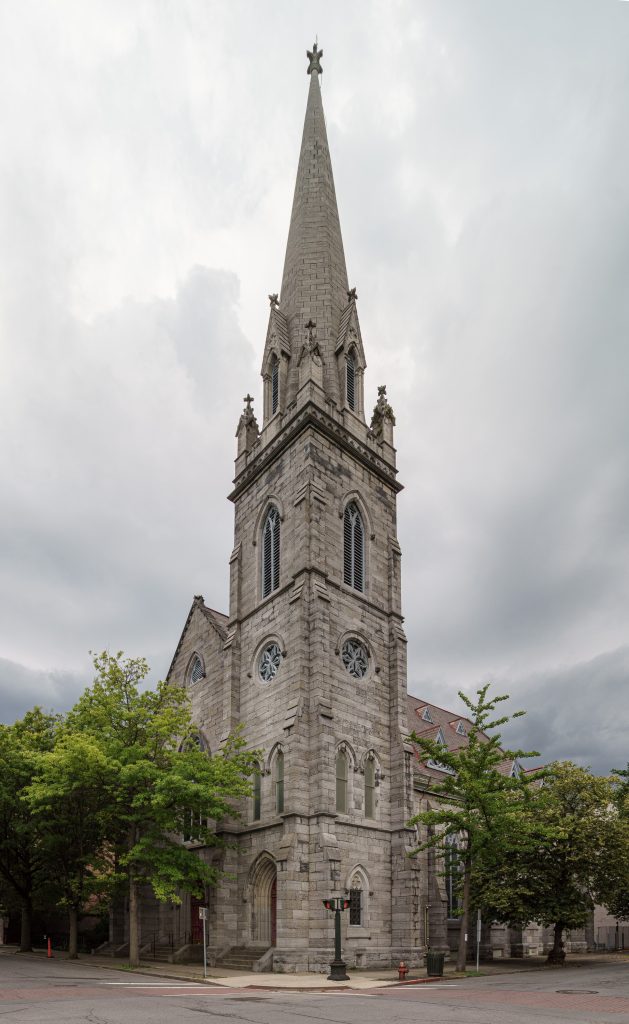
National lightning rod has been recent entanglement of the Justice Department in a highly controversial zoning controversy between Christ Church and Troy, Idaho. The DOJ says that Troy’s refusal to Christ Church of a permit to conduct services in a commercial area was motivated by “discriminatory animus against the Church.” To Assistant Attorney General Harmeet K. Dhillon, “RLUIPA absolutely forbids local governments from zoning based on their displeasure over specific religious communities.” This Religious Land Use and Institutionalized Persons Act case is not about parking lots it’s an experiment in how much religious institutions will reach into the civic arena, and whether the federal government will come to their defense even if local communities object.
RLUIPA is a federal law that defends individuals and churches against burdensome, disparate, or discriminatory land use laws that are inappropriate.

4. The Separation of Church and State Still Matters
America’s founders recognized dangers posed by a merger of religious power with state authority. As Roger Williams, the founder of “soul freedom” in the first place, argued, “the government shall have no more power, nor for no longer time, than the civil power or people consenting and agreeing shall betrust them with.” The first amendment’s establishment clause isn’t legalese it’s a promise against one religion ever dominating public life. “The First Amendment has built a wall between church and state,” that “must be high and impenetrable.” Supreme Court Justice Hugo Black, Everson v. Board of Education (1947). Without it, true religious freedom where any religion is protected is unimaginable.

5. The Psychological Cost: Avoiding Anxieties in the Face of Extremism
For all of us, it is also most likely a threat to personal identity and physical well-being. Perceived threats, especially threats against central values and rights, are found to induce anxiety, distress, and even exclusionist thought. Perceived threat has been labeled the ultimate predictor of exclusionism and intolerance at the group level. However, there is a flip side to it too: the initial step towards being resilient is in acknowledging such feelings.
Experts recommend grounding one’s self in community, listening for a variety of voices, and news breaks so as to recapture a sense of agency and hope.
6. Civic Action: Encouraging Democratic Resilience
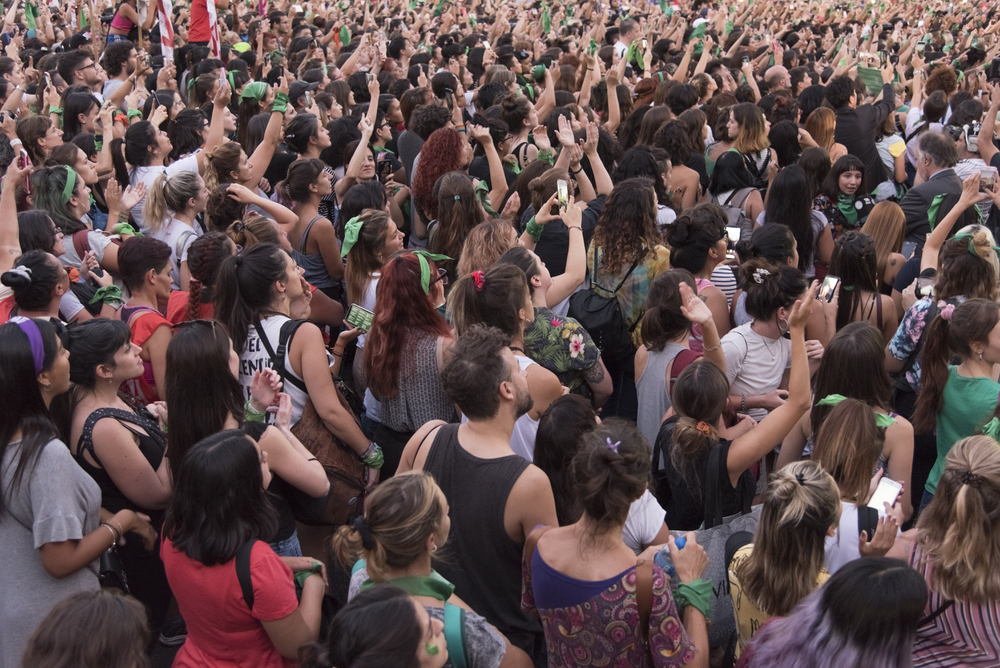
History and cross-national case studies show that democracy is not an automatic perpetuating system. It must be actively defended. When mass movements shift toward authoritarian or theocratic options, the antidote is robust civic action: voting, mobilizing, supporting independent media, and keeping leaders accountable. Empowering democracy requires institution-based trust more than active doing, people mobilization, legal advocacy, and a firm adherence to democratic values.
When institutional avenues are blocked, mass mobilization by civil society labor unions, universities, religious denominations, and ordinary citizens has to be mobilized.

7. Tactics for Staying Calm and Empowered
It is easy to be dismayed by the familiar news headlines of political polarization and theocratic ambition. But small, persistent efforts do make a difference. Specialists recommend: 1) Staying on top of today’s news from varied, reliable sources, 2) Social socializing with others who hold your values, 3) Mindfulness or stress-reduction practice to manage anxiety, and 4) Civic activism in your local community, where change will be evident.

Keep in mind that the American system was never meant to be flawless “flawed and can and should be changed to reflect the will of the people.” Holding on to individuals’ right to make their own choice about what’s in their best interest without interference from the government is a fundamental cornerstone (and byproduct) of our democracy. Even as “Christ or chaos” sermonizing sweeps a handful of pulpits and podcasts, the long-term health of American democracy rests on its diversity, its dedication to pluralism, and in the millions of Americans who refuse to let one perspective dictate the country’s future.

