

It’s that familiar sinking feeling: The vet’s bill arrives, and the total may come as a shock. For many UK pet owners, rising veterinary costs have turned routine check-ups and unexpected emergencies into serious budget stress. But here’s the good news: there are practical, expert-backed ways to keep those costs in check without cutting corners on your pet’s wellbeing.

The key lies in being proactive, informed, and willing to explore options beyond the traditional clinic visit. From preventative care to clever insurance choices, these strategies can help keep your furry friend healthy while protecting your wallet. And yes, they work even in today’s cost-of-living crunch.
Below is a seven-point guide to cut the costs of caring for your pet, without compromising on its health and well-being, based on expert advice from vets, consumer watchdogs, and animal charities.
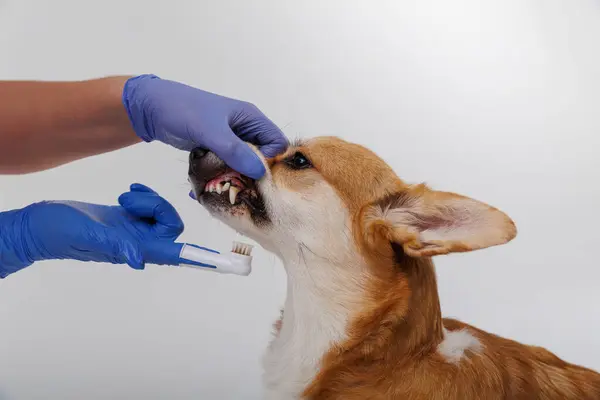
1. Prioritise Preventive Care
Hayley Baker, who runs a Vets for Pets practice in Cambridge, says prevention is always better than cure. Simple things, such as keeping your dog or cat at a healthy weight and regular dental care, will prevent some of the costly treatments. Spending £10 on pet toothpaste is far cheaper than a professional clean that may run into hundreds, certainly if sedation is required.
The health problems associated with obesity include arthritis, diabetes, and gastrointestinal problems, and many vet nurses run weight clinics offering nutrition and osteoarthritis advice. For dogs, regular walks are important while older pets may benefit from low-impact exercise plans. Cats can be enticed into chasing a laser pointer with a treat reward to keep motivation high. Portion control matters too Baker suggests a “do not feed me” collar for cats prone to visiting neighbours for extra meals.

2. Choose Insurance With Care
Pet insurance can be a lifesaver, but only if your policy truly covers your needs. Consumer group Fairer Finance found some policies cap payouts for certain treatments, leaving owners exposed to thousands in costs. Switching insurers may save on premiums, but pre-existing conditions are rarely covered by new providers.
Policies vary some cover conditions for a limited time, others for life but with annual limits. Wellness add-ons can cover routine costs insurance won’t, such as flea treatments or vaccinations. Medivet’s care plan customers save an average of £225 annually compared to paying for each service separately. As Baker says, vets can’t advise on specific policies but can help owners understand coverage options.

3. Buy Prescriptions Smarter
Medications – including flea and worming treatments – can be cheaper online than at a vet. The Competition and Markets Authority has suggested charging no more than £16 for a written prescription, and for vets to be compelled to tell clients of online savings. Pending reforms, get a prescription from your vet and compare prices at accredited online pharmacies.
Look for the VMD AIRS logo to ensure legitimacy, and avoid suspiciously cheap products that could be counterfeit. If your pet requires long-term medication, online ordering can save costs and leave more of your insurance payout limits available for other treatments.

4. Leverage Online Consultations
A basic vet consultation can set you back £30 or more, while emergency visits average nearly £270 before treatment costs. Services like FirstVet offer virtual appointments from £24; it resolves 65% of cases without any physical visit from the pet. This can help determine whether your pet needs urgent care or can wait to see their regular vet.
Emma Bower of FirstVet says early access to advice can prevent conditions deteriorating, thus avoiding more intensive – and expensive – interventions later. Phone or email consultations with your vet may also be possible if they’ve seen your pet recently.

5. Tap Into Charity Support
For owners on benefits, such as universal credit, charities like Blue Cross, RSPCA, and PDSA offer free or discounted treatment within certain catchment areas. Dogs Trust may provide subsidised care to homeless or housing crisis owners. Cats Protection assists with the cost of spaying/neutering.
Because demand often exceeds resources, eligibility criteria are strict and waiting lists common. Charities encourage applicants to contribute what they can to ease pressure on limited funds.

6. Know the Changes in the Market
The investigation into the veterinary sector by the CMA found that average prices rose 63% between 2016 and 2023, with large vet groups charging 16.6% more than independents. Proposed reforms include a requirement to display prices, clearer disclosure of corporate ownership, and automatic prescriptions for frequently needed medicines. These changes will make it easier for pet owners to compare prices and make treatment decisions without confusion or surprise. Until the changes take place, requesting written estimates and detailed bills can prevent surprises.
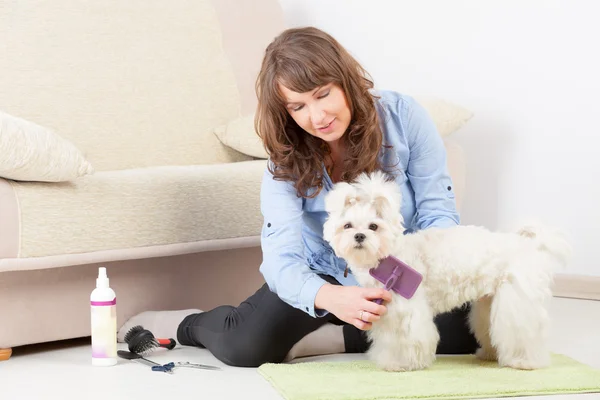
7. Practice Home Care
Save money with some simple at-home routines that can curb expensive vet visits. Regular cleaning of ears prone to infections, brushing of teeth twice a week, and grooming in between professional sessions all add up to savings. Marty Becker, DVM, estimates portion control and quality food alone can save £200 annually by preventing obesity-related illnesses.
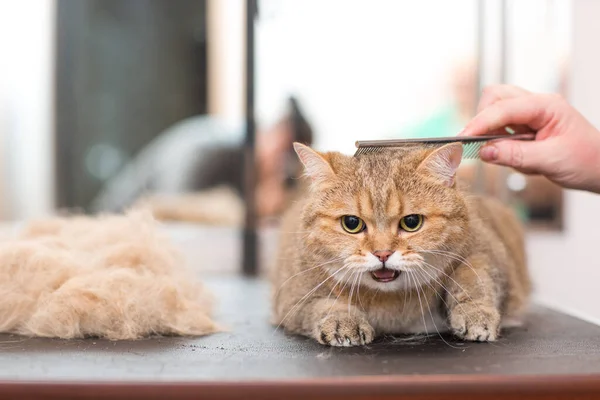
Homemade treats, bulk-buying essentials, and DIY cat furniture are other ways to cut costs without sacrificing your pet’s comfort or health. While veterinary care will certainly always be a part of responsible pet ownership, it simply doesn’t have to strain your budget. UK pet owners can keep the costs in check by combining good preventative habits with smart shopping and paying attention to the details of policies. The most effective savings come from informed choices-those that protect your pet’s health and your financial peace of mind.

