
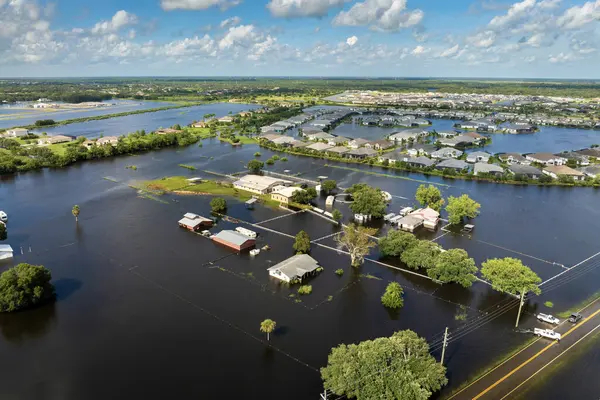
The warning signs are no longer subtle. “We’re in the polycrisis era,” Daniel Aldrich, director of the Resilience Studies Program at Northeastern University, said, describing a world in which disasters are striking harder, faster, and closer together-leaving insurers, governments, and homeowners struggling to keep up.
Across the United States, climate change is remaking the property insurance market as private insurers retreat from high-risk states like California and Florida, forcing millions onto state-run plans now carrying staggering liabilities.

1. Private Insurers Retreat from High-Risk States
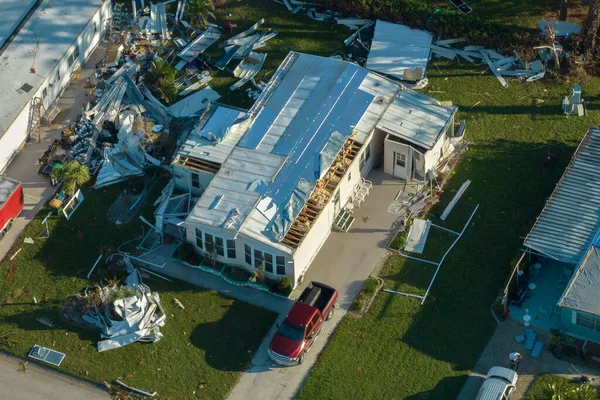
California’s wildfire seasons and Florida’s hurricane years have pushed some of the nation’s biggest insurers to reduce or withdraw. Last year, State Farm stopped selling new homeowner policies in California, citing rising fire risk. Farmers Insurance pulled out of Florida, shedding 100,000 customers there. A broader pattern shows that over 1.9 million home insurance policies were dropped in disaster-prone states between 2018 and 2023. “Government institutions, insurance companies, and homeowners can’t keep up” as disasters strike more often and windows for recovery shorten, Aldrich said.

2. State-Run Plans Shoulder Growing Liabilities
The FAIR Plan, which was supposed to be used only when all else fails, has almost doubled its policy count in California since 2019 and has liabilities of around $700 billion. Following a series of destructive Southern California wildfires this January, the plan hit insurers and policyholders with $1 billion to pay claims. Florida’s Citizens Property Insurance Corporation had grown from residual market player to an unprecedented 1.4 million policies before legislative changes reined in that number to 570,000. But with private insurers in retreat, these public programs are absorbing unprecedented risk and creating fiscal vulnerabilities that could ripple through entire state economies.
3. Climate Change as a Risk Multiplier
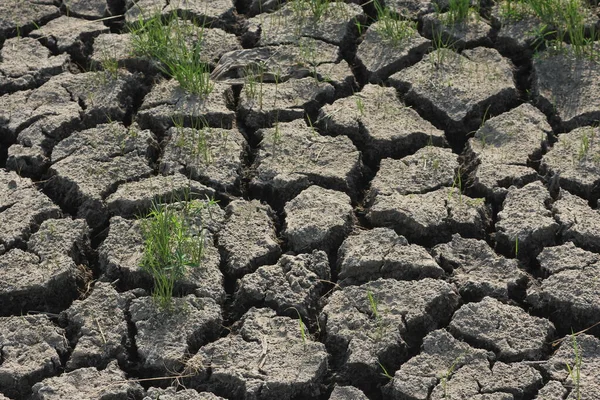
Human-caused pollution is driving global temperatures to record highs, and the last decade contained the ten warmest years in recorded history. The rising heat acts as an accelerator for extreme weather, fueling hurricanes, floods, and wildfires that are more destructive and costly. The United States endured 27 billion-dollar disasters in 2024 alone, costing $182.7 billion. Such correlated, high-cost events erode insurers’ ability to diversify risk-a cornerstone of affordable coverage.

4. Economic and Social Fallout
Since most mortgages require insurance, when coverage becomes unaffordable or unavailable, housing markets suffer. And as research has shown, rising premiums depress home values, lower demand, and widen inequality-particularly in communities of color that disproportionately sit within high-risk zones. This protection gap in insurance now leaves at least $1.6 trillion in property value uninsured, exposing households to the risk of catastrophic losses and slowing down post-disaster recovery.
5. ‘Cycle of Doom’ in State Insurance Markets
Alfonso Pating of the Natural Resources Defense Council describes a destructive cycle: private insurers flee, the pool of homeowners shifts to FAIR plans, disasters sap those plans, and the costs get passed back to insurers and policyholders-driving more exits. Unchecked, this accelerates market instability. In California, enrollment in the FAIR plan has jumped 167% since 2021, while Louisiana’s state plan has grown nearly threefold between 2021 and 2023.
6. Climate Resilience as a Market Stabilizer
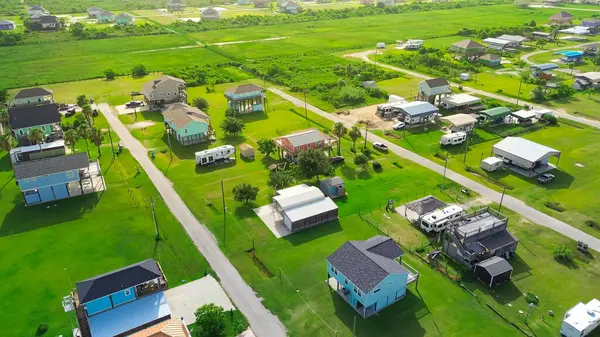
The experts agree that only a reduction in underlying risk is truly sustainable. Measures such as wind-resistant roofing, fire-resistant siding, and defensible space landscaping reduce premiums and keep private insurers involved. Innovative programs ranging from Florida’s My Safe Florida Home to California’s wildfire building codes have shown that smart investments in resilience stabilize markets. “When programs make mitigation easy and cost-effective, people are incentivized to take action, and that has measurable impacts on losses avoided and insurance markets stabilized,” says Dr. Carolyn Kousky with the Environmental Defense Fund.

7. Policy Innovations and Regulatory Reform
From catastrophe modeling to microinsurance for low-income households, states are experimenting with solutions. Legislative changes in Florida have cooled premium growth, while California now allows insurers to use forward-looking risk models to justify rates. Yet absent stronger land-use restrictions in high-risk zones, such moves may only push deeper crises further into the future. “Rather than trying to regulate or deal with the insurance industry,” says Spencer Glendon of Harvard Business School, “what we really need to be doing is reconsidering where we live and build, and make buildings that are more resilient.”
8. The Federal Role and Systemic Risk
Though insurance regulation is state-based, federal programs like the National Flood Insurance Program fill critical gaps. Yet NFIP’s debt to the Treasury runs in excess of $20 billion, underscoring the strain on underwriting climate risk. Former U.S. Secretary of the Treasury Janet Yellen has warned that declining insurance availability could cascade into broader financial instability hitting banks, mortgage markets, and local tax bases.

9. Turning Risk into Resilience
Reports from Cornell University and EDF show how state-created insurers of last resort can spur loss reduction by connecting premium discounts to post-disaster rebuild upgrades and retrofit grants. Hardwiring those incentives into public insurance programs can turn them from reactive safety nets into proactive resilience engines that reduce liabilities while protecting vulnerable households.
In all, the insurance market’s future is contingent upon a coordinated push for resilience, transparency of risk data, and policy steps taken in the direction of linking premiums with real risk but keeping cover affordable. Unless these steps are taken, the vicious circle of retreat, rising costs, and growing liabilities will continue to place not just homes but whole economies at risk.

