

Two years ago, many assumed that Gen Z’s career dreams revolved around tech startups or influencer gigs. Now, a growing number are swapping laptops for tool belts-and cashing in. A May 2025 survey from Resume Builder found that two in five young adults are pursuing blue-collar work, sidestepping college debt and heading straight into the trades that pay well and offer stability.
Federal data supports the trend vocational programs are booming, and industries from energy to transportation are hungry for skilled hands. Nathan Soto, author of the Resume Genius report, put it succinctly “These are high-paying jobs with good growth. And they don’t require a degree.” In an age of AI and automation, many of these positions are also resilient, relying on human skill and judgment that machines can’t as easily replace.
Here are 10 blue-collar careers to know in 2025, each offering solid paychecks, real-world skills, and a clear path forward sans four-year degree.

1. Elevator and Escalator Technician
Median salary $106,580 Top earners $149,250. This is one of the most lucrative jobs in the trades. Technicians install and maintain elevators, escalators, and moving walkways, and often work in cramped quarters, such as in shafts or machine rooms. Overtime is common, and a license is required in most states.
Entry typically requires a high school diploma and completion of an apprenticeship, which blends classroom learning and hands-on work. While physically demanding, the job is in strong growth, projected at 5% over the decade ahead, and encompasses tasks that are hard to automate.

2. Electrical Power-Line Installer and Repairer
Lineworkers keep the nation’s power grid running, earning a median salary of $92,560, with the top 10% making $126,610. The work is physically intense and hazardous, involving heights, high-voltage electricity, and challenging weather.
Most start with a high school diploma and complete a multi-year apprenticeship that combines technical instruction with paid training. This is a career where job growth is projected at 7%, and demand surges after storms or outages, so reliability and skill really pay off.
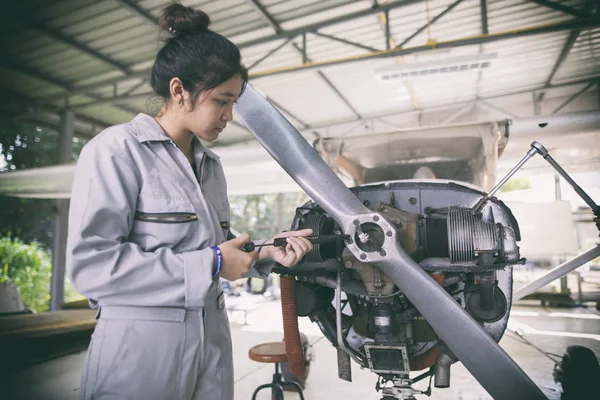
3. Aircraft Avionics Equipment Mechanic and Technician
These workers make air travel safe by inspecting, repairing, and maintaining aircraft systems. The median salary stands at $79,140, while the highest salaries reach $120,080. The work requires meticulousness and attention to detail since small mistakes may lead to accidents.
Most enter through FAA-approved programs or by accumulating 30 months of on-the-job experience. Employment is growing steadily at 5%, and this is a very secure aviation niche, driven by both technical expertise and regulatory licensing.

4. Railroad Worker
Everyone from conductors to yardmasters works together to safely and efficiently move trains and cargo. Median pay $75,680 annually top tier $100,130. Much of the work is done outside in all types of weather, on an often-unpredictable schedule including night and weekend shifts.
A typical entry would include a high school diploma and several months of paid training. With only 1% growth, the jobs are somewhat stable, offering a different work environment for those interested in transportation.
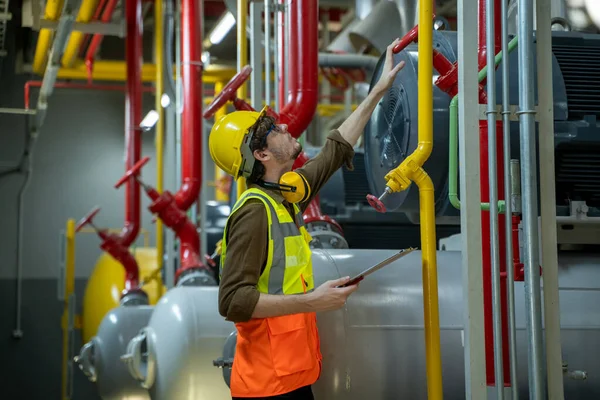
5. Stationary Engineer and Boiler Operator
Responsible for heating, cooling, and power systems in large buildings and plants, professionals in this occupation take home a median of $75,190, with the top salaries reaching $121,200. Workers in this category have to monitor complex equipment, including boilers and turbines, sometimes even working night or weekend shifts.
Most start with a diploma and an apprenticeship, and many regions require licensing. At a growth projection of 2%, the job offers a blend of technical skill and operational responsibility.
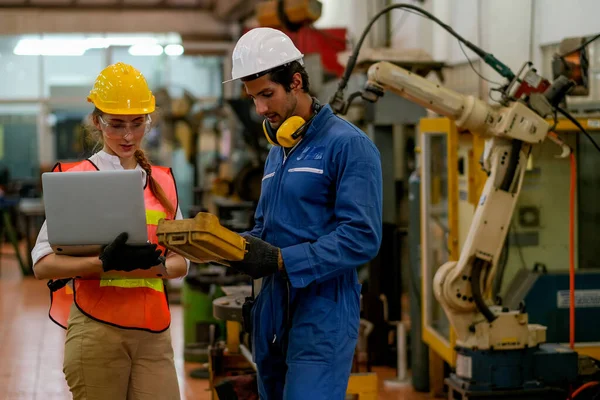
6. Industrial Machinery Mechanic
The median wage earned by mechanics who keep factories running is $63,510, while the high is $85,970. Mechanics install, maintain and repair machinery, diagnosing problems to avoid costly interruptions in factory operations.
Entry usually involves a diploma plus apprenticeship or an associate’s degree in industrial maintenance. Growth is at a strong 13%, making this a future-proof choice in manufacturing.
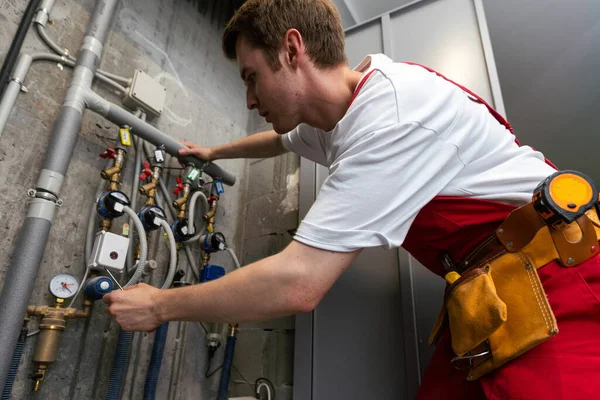
7. Plumber, Pipefitter, and Steamfitter
These workers deal with the systems that distribute water, gas, and chemicals through any structures. Median pay $62,970 top pay $105,150. On-call assignments from clients can be common, especially in emergency situations. Licensure is usually required in most states.
The standard route into is a 4- to 5-year paid apprenticeship, often starting after vocational school. This field is growing at 4% and provides fairly steady demand, with opportunities for specialization.
8. Wind Turbine Technician
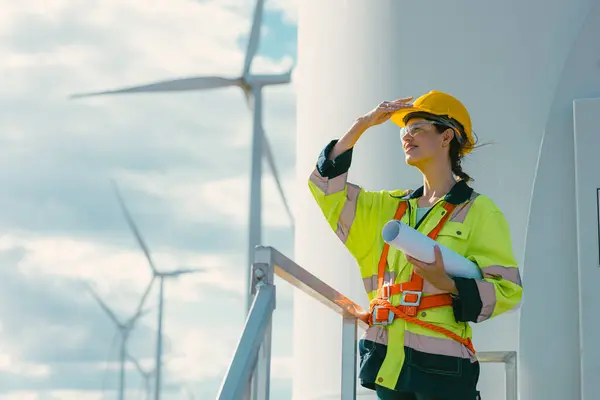
Wind techs install and maintain turbines, earning a median of $62,580 and up to $88,090. The work is physically demanding, often hundreds of feet in the air, and involves travel to remote sites.
Most start with a postsecondary certificate or associate’s degree, then receive employer training. With 50 percent projected growth, this is the fastest-growing blue-collar job in the United States.
9. Electrician
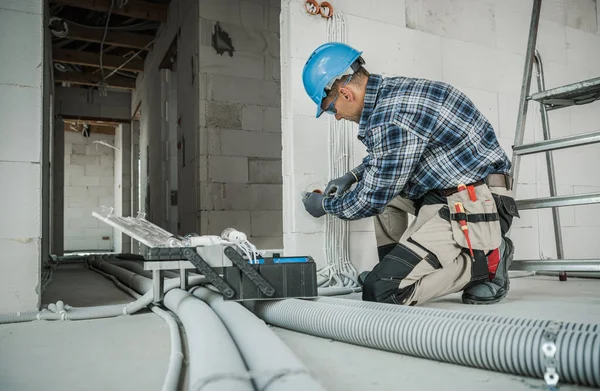
Electricians bring power into homes, businesses, and factories. The median salary for electricians is $62,350, with the highest paid earning $106,030. Physical demands are high in this work tight spaces and ladders are not uncommon. A 4- or 5-year apprenticeship is the most common way to enter this occupation.
Licensing is required in most states and localities. Employment growth is strong, at 9 percent overtime pay can greatly enhance earnings.
10. Solar Photovoltaic Installer
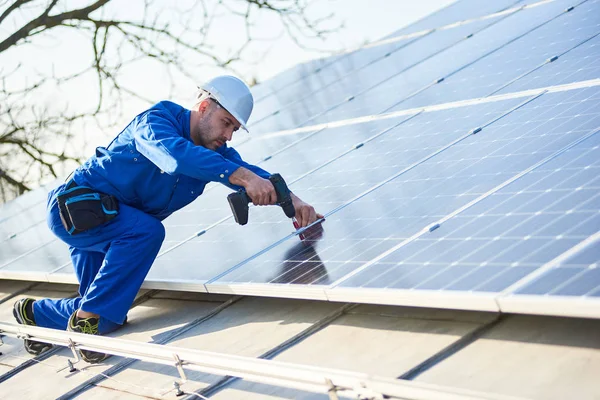
Solar panel installers install panels on homes and buildings. The median wage is $51,860, though experienced solar panel installers can earn as much as $80,150. Solar panel installers often work outdoors and travel frequently from one worksite to another. Entry is typically available with a high school diploma and paid on-the-job training, but technical courses provide an advantage. This career also presents 42% projected growth, making it an excellent job prospect within the renewable energy industry.
The jobs open to Gen Z and career changers alike offer more than solid pay for the work They promise resilience in a job market that’s changing fast. Many are automated-proof because they require human skill, judgment, and adaptability. From climbing a wind turbine to wiring a building, careers prove that skipping the traditional college route can still lead to financial security and long-term growth.

