

It began quietly-a few lines buried deep in the “One Big Beautiful” legislation-but the consequences are poised to echo across hospitals, clinics, and classrooms for decades. Sweeping federal loan restrictions, along with the elimination of the Grad PLUS program, will sharply limit how aspiring physicians, nurses, and other health professionals finance their educations by mid-2026. Together with recent reversals on policy regarding DEI, these changes are already transforming who can afford to enter the health professions pipeline and where they might choose to serve.
1. Loan Caps Reshape Medical Education Economics
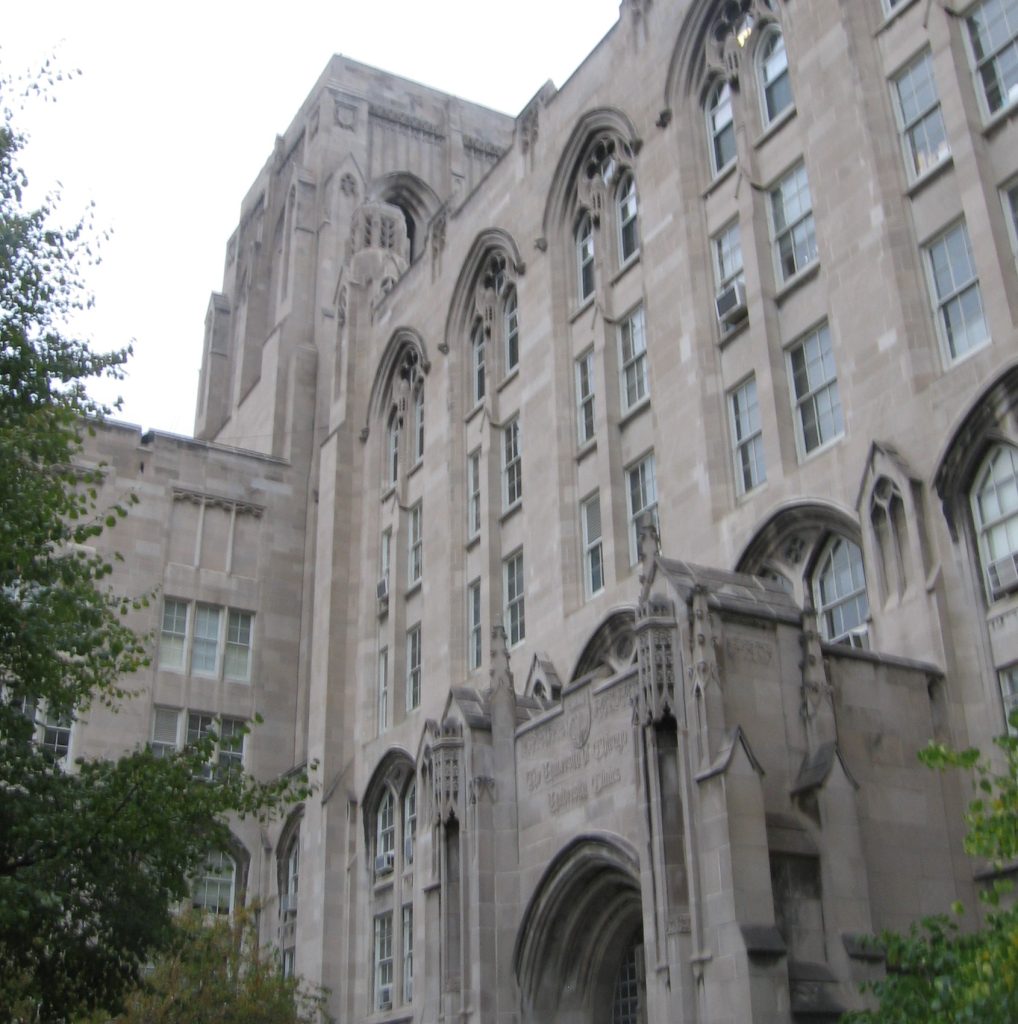
Under the new rules, medical students will be capped at borrowing $50,000 a year, up to $200,000 total – far below the $286,454 median for public medical schools and $390,848 for private institutions. Grad PLUS loans that allowed students to borrow up to the full cost of attendance will go away. “That will automatically give a lot of people some pause to think about where they’re accepted and what their finances are,” said Vineet Arora, vice dean of education at the University of Chicago’s Pritzker School of Medicine. For advanced nursing degrees, the cap drops further to $20,500 per year, $100,000 total, after the Department of Education reclassified them as “nonprofessional” degrees.

2. Public Service Loan Forgiveness Narrowed
The PSLF program has been a lifeline for graduates serving in high-need areas. The residency years would no longer count toward forgiveness for new borrowers, starting after July 2026. Organizations engaged in certain activities, including immigration-related work or gender-affirming care, could be ruled ineligible at the Education Secretary’s discretion. Without the program, many graduates will be steered away from primary care and underserved communities, said Melissa Robinson, MD, pediatrician and PSLF beneficiary.

3. Diversity Declines Post-Affirmative Action
Following the 2023 Supreme Court decision ending race-conscious admissions, acceptance rates declined for URiM applicants and increased for both White and Asian applicants. Black matriculants to MD programs in 2024 declined 11.6%, Hispanic 10.8%, and American Indian/Alaska Native 22.1%, with declines concentrated in states without prior affirmative action bans.

4. Concordance and Patient Outcomes at Risk
There is evidence that racial concordance between patients and providers improves communication, trust, and even clinical outcomes. For example, one study from UCLA found that Hispanic patients had shorter hospital stays and fewer readmissions when treated by Hispanic surgeons. The benefits of workforce diversity are reduced when less diversity among staff is present, particularly in managing chronic diseases and providing preventive care for marginalized populations.

5. Nursing Pipeline Under Pressure
The reclassification of graduate nursing degrees means that the nation’s future nurse practitioners, midwives and CRNAs will see tighter borrowing limits at a time when nurses are in short supply. “Limiting nurses’ access to funding for graduate education threatens the very foundation of patient care,” said Jennifer Menik Kennedy, president of the American Nurses Association. Advanced practice nurses often serve as primary care providers in rural and underserved areas.
6. Socioeconomic barriers rise
Even before these changes, a 2018 AAMC study found that up to one-third of medical students came from families in the highest 5 percent of incomes. Without robust loan programs, the profession risks becoming a preserve for those with significant family resources. “I don’t want medicine to become one of those careers you can only do if you have wealthy parents,” said Aidan Hintze, MD.

7. Service-Based Repayment
Programs Are Unevenly Impacted American Board of Family Medicine data indicate that PSLF participation tripled between 2016 and 2020 but that the recipients were disproportionately White and US-trained. In contrast, participants with the National Health Service Corps were more likely to be Black or female and to work in underserved areas. Curtailing PSLF without expanding NHSC could reduce incentives for service in high-need communities.

8. Policy Anxiety and Workforce Stability
For students and educators alike, such rapid changes in policy create uncertainty that may discourage applications and further destabilize career planning. Experts say the steps to minimize anxiety are to promote concrete strategies: scale up race-neutral scholarships, invest in pipeline programs for rural and other disadvantaged students, and develop training around cultural humility to maintain patient trust and outcomes.

9. Long-term Implications for Access to Care
The Association of American Medical Colleges projects a shortage of as many as 86,000 physicians by 2036. Restricting financial access for lower-income and URiM students risks deepening gaps in primary care and specialty coverage in rural and urban underserved areas. As Vincent Guilamo-Ramos at Johns Hopkins said, “When we have a diverse and inclusive workforce that is representative of the populations served, we actually see improved health outcomes.”
Absent targeted interventions to offset these loan and DEI policy changes, the healthcare system faces a future workforce that will be less diverse, more affluent, and less oriented to service in the communities needing care most.

