
It’s a sobering reality: the same products that make a home sparkle can also put beloved pets in serious danger. Veterinarians are seeing far too many cases of poisoning from everyday cleaners, many of which owners assumed were harmless. What’s lurking in the bottle under the sink could cause anything from mild irritation to life‑threatening organ damage.
The problem is, these dangers are not always obvious. Labels very often address human safety alone, leaving pet owners to go uninformed about risks to cats, dogs, and birds. By grasping which cleaning ingredients to avoid-and why-they can build a home that’s both fresh and safe. Here are seven common culprits experts say should never be used around animals.
1. Bleach’s Corrosive Power
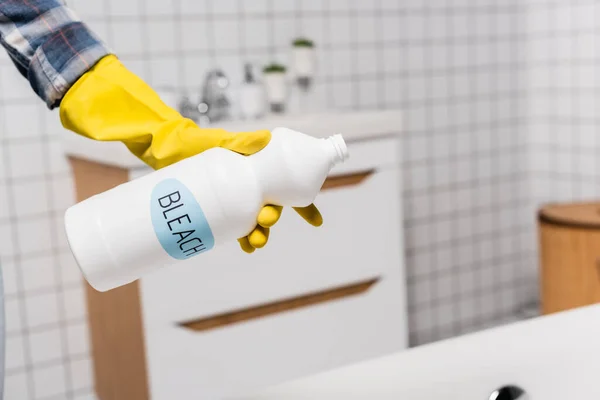
Bleach is a common disinfectant however, it is very dangerous for pets. As Dr. Jamie Whittenburg says, “Bleach is very caustic, and animals can be harmed through ingestion or inhalation.” Ingestion can burn the mouth, throat, and digestive tract, while inhalation irritates the respiratory system. Cats and birds are sensitive enough to be bothered by fumes from diluted solutions.
High‑concentration bleach is most hazardous and can produce severe ulcers in the mouth and digestive tract. Mixing bleach with acidic cleaners or ammonia releases toxic gases, such as chlorine or chloramine, which may be deadly. Even diluted bleach should be used only when pets are kept far from the area until it’s completely dry.
2. Respiratory Risks Associated with Ammonia
Ammonia is found in many glass, oven and floor cleaners. It can burn mucous membranes, causing mouth, throat, and nose irritation. All pets are harmed if they inhale fumes, but cats and birds are most sensitive. Eventually it causes chronic respiratory problems.
When ammonia is combined with bleach, the danger heightens because it produces chloramine gas: a chemical capable of killing pets and humans alike. Experts recommend replacing ammonia-based products with safer alternatives for households that have animals to prevent such disasters.
3. Essential Oils: Not Always ‘Natural’
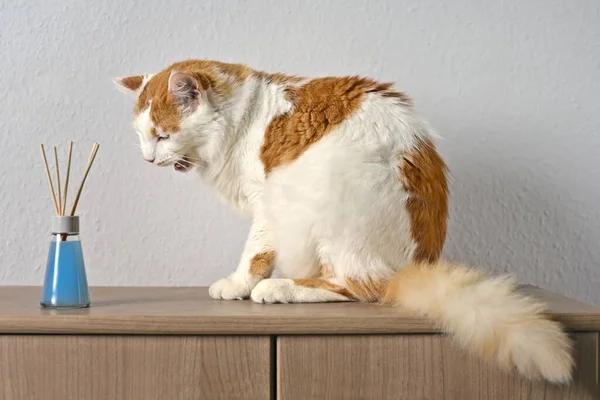
Despite their wholesome image, many essential oils are toxic to pets. Cats lack an enzyme needed to metabolize certain compounds, making them highly sensitive to phenols found in oils such as tea tree, eucalyptus, pine, and clove. Dogs can suffer as well, and birds are in extreme risk because of their delicate respiratory systems.
This can be due to direct skin exposure, ingestion, or inhalation via diffusers. The passive diffusers can cause respiratory irritation, while active diffusers emit microdroplets which may settle on fur and be ingested during grooming. Symptoms range from drooling and vomiting to tremors, respiratory distress, and liver failure. Concentrated oils should never be applied directly to animals.

4. Phenols in Disinfectants
Phenols, found in some germicidal cleaners and pine‑oil products, are particularly poisonous to cats. When paws or skin come into contact with undried surfaces, pain, redness, and ulcers can occur. Swallowing even a small amount can cause rapid breathing, tremors, and liver failure, which can be fatal.
Although the amount of phenol in many of today’s cleaners is less than previously used, sensitive species are still at significant risk. Phenol-based products should be completely avoided by pet owners instead, they should select disinfectants known to be safe for animals.
5. Quaternary Ammonium Compounds
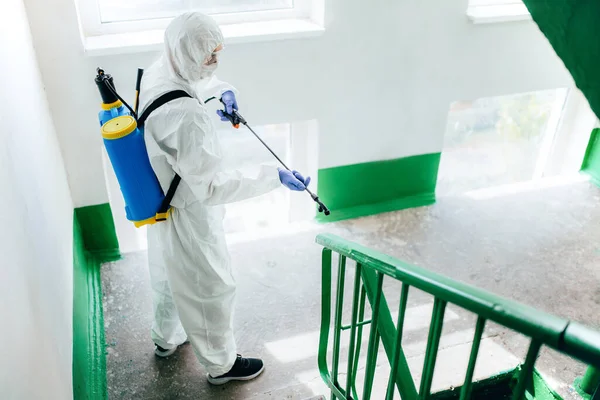
QACs are common in the formulation of antibacterial sprays, sanitizing wipes, and fabric softeners. They cause corrosive burns to skin and mucous membranes on contact. Ingestion causes severe irritation to the oral cavity, weakness, and seizures or collapse in extreme cases.
Because of grooming behavior, cats are more exposed and can easily ingest residues from treated surfaces. Even a small amount can cause adverse effects; hence, QAC-free products are safer to use indoors, especially for homes with pets.
6. The Hidden Formaldehyde
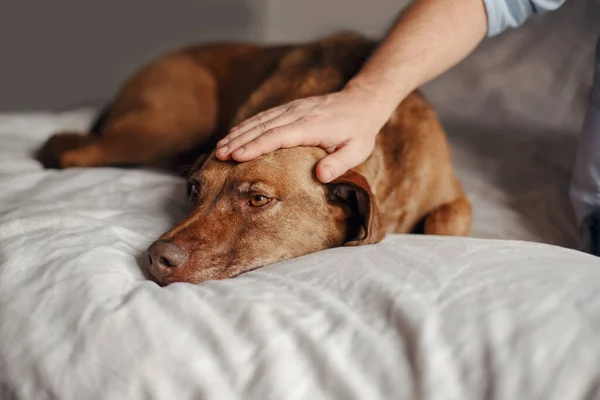
Formaldehyde is a known carcinogen according to the EPA; it finds its way into general‑purpose cleaners, soaps, fragrances, and even some pet shampoos. It can irritate eyes and skin on contact, and if inhaled, it can cause respiratory and nervous system damage.
Long‑term contact increases cancer risk, and pets with preexisting respiratory issues may suffer more severe reactions. Reading labels carefully is extremely important to avoid bringing formaldehyde ‑containing products into the home.
7. Glycol Ethers
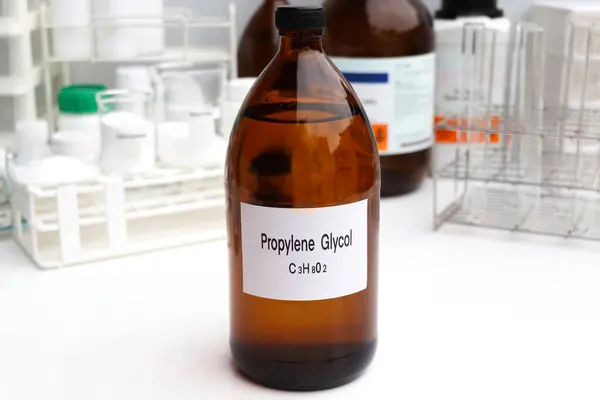
Glycol ethers, appearing as diethylene glycol, ethylene glycol, or propylene glycol, are used in spot cleaners, liquid soaps, and some all‑purpose products. These chemicals can cause kidney damage, lung injury, and anemia in pets. Because glycol ethers are toxic to humans as well, their presence signals a product unsuitable for any household with animals. Switching to cleaners made with non‑toxic, biodegradable ingredients can protect both pets and people.
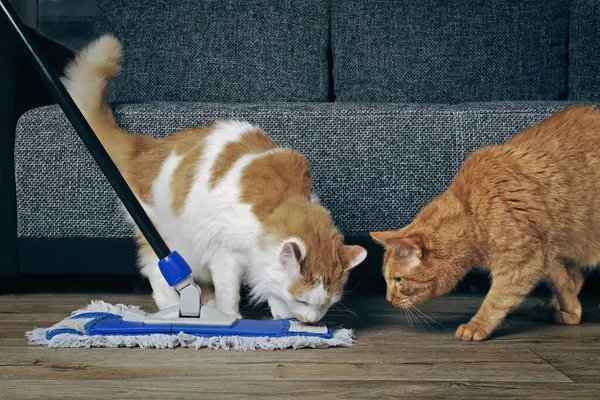
Keeping pets safe doesn’t have to mean compromising on cleanliness; it means choosing products wisely. Bleach, ammonia, essential oils, phenols, quaternary ammonium compounds, formaldehyde, and glycol ethers are just some of the ingredients that pose hidden dangers and lasting harm. Owners can maintain a sparkling home without risking their animals’ health by reading labels to avoid such toxins and embracing pet-safe alternatives like diluted vinegar, baking soda, and mild dish soap. Awareness is the first step toward prevention, and prevention is the greatest gift an owner can give to a pet.

