
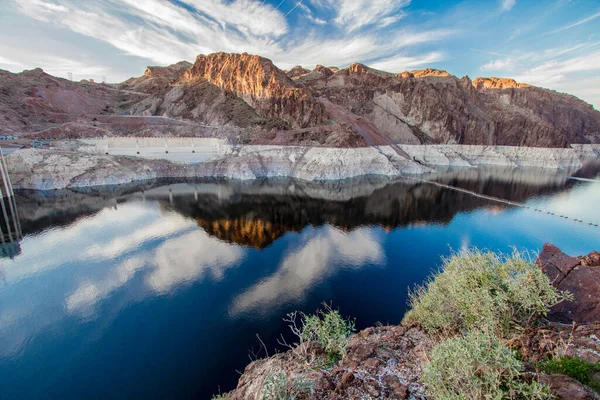
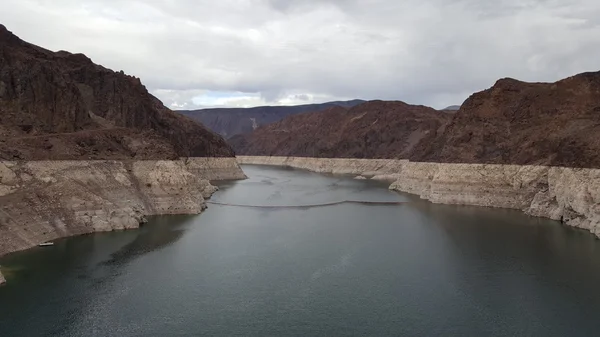
However, the warnings come with an urgent sense of urgency: Lake Mead, the country’s largest reservoir, may reach a critical point by the year 2027 unless immediate action is taken to conserve the reservoir otherwise. The reality of the situation comes to light by the latest report released by the Colorado River Research Group titled Colorado River Insights, 2025: Dancing with Deadpool. The fact that Lake Mead serves 25 million users as the main drinking water resource for the Southwestern United States remains an important consideration amidst the urgency to act on the situation to prevent critical depletion due to the changes in the management rules set to expire in 2026.
1. The Short-Term Crisis Takes a Backseat to Longer-Term
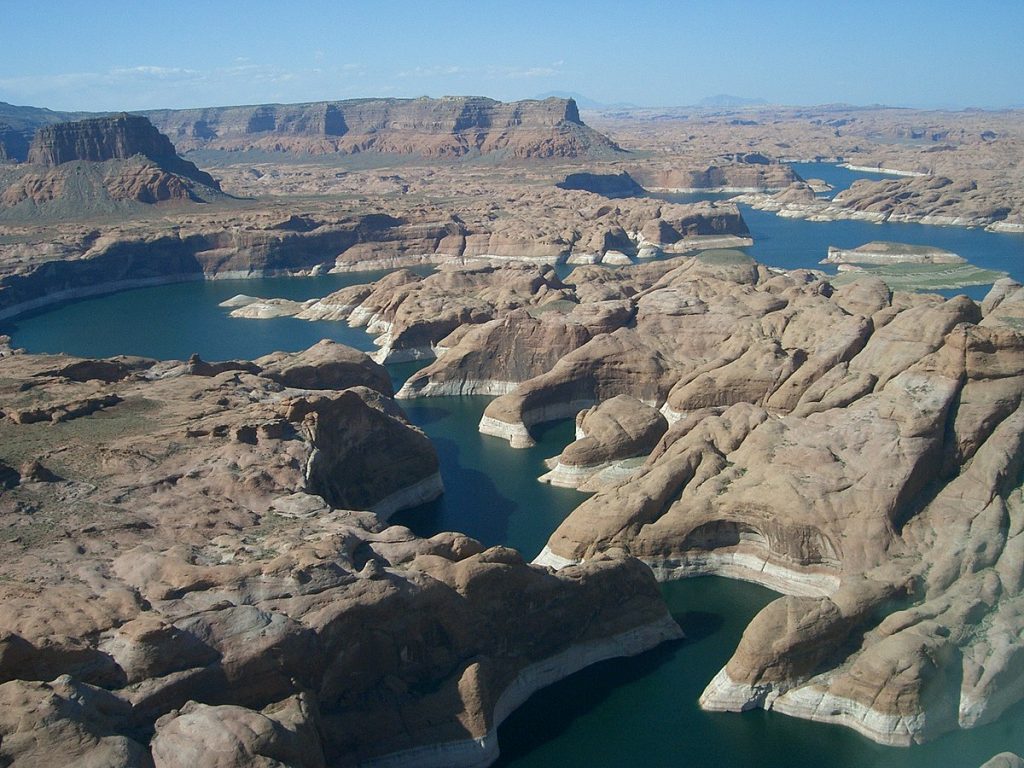
Experts such as Jack Schmidt, Anne Castle, and Kathryn Sorensen note, however, that the preoccupation with developing guidelines after 2026 clouds the present crisis at hand. They additionally point out, If the late summer of 2026 and the spring runoff of 2027 are not sufficient to reverse the trend, the total combined usable storage of Lake Mead and Lake Powell could be less than 4 million acre-feet, which is completely inadequate to meet the Basin’s water supply and compact requirements’ and would lead to a potential present-day water supply crisis if not immediately reduced to the Basin’s consumptive use levels.
2. Climate Pressures and Decreasing Flows
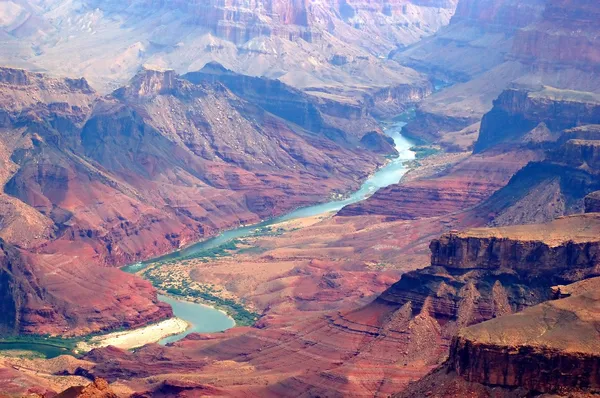
The Colorado Basin has experienced a megadrought, which is the hottest and driest conditions in the last 1,500 years, with natural flows since 2000 being 20% lower than the previous century. Increased warming, decreasing snowpack, and accelerated melt cycles contribute to reduced flows, with evaporation from reservoirs taking up more than a million acre-feet per year. This reduction in natural flows is fueled by overdraft, with water use exceeding natural replenishes for the last several decades.
3. Agricultural Water Use & Policy Issues
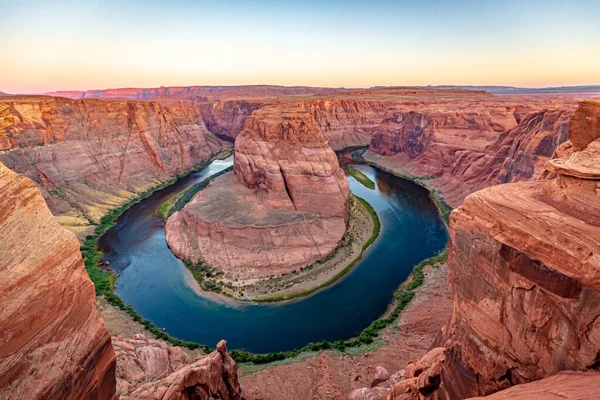
It is estimated that the major consumer of the Colorado River is agriculture, which uses 80% of the river for watering crops like alfalfa and grass hay that are highly water-intensive. It has been revealed that providing financial incentive to farmers for temporarily taking their lands out of production or for growing less water-demanding crops can help save water much more inexpensively than providing the same benefit to urban areas. UC Riverside further estimated that for saving the same quantity of water, agricultural conservation schemes cost only $69.89 per acre-foot, contrary to over $2,400 per acre-foot for major infrastructure projects. However, imbalances in appropriation of funds exist since Upper Basin states were allocated merely 6% of total federal conservation expenditures during 2004-2024.
4. The Hidden Resource of Water Recycling
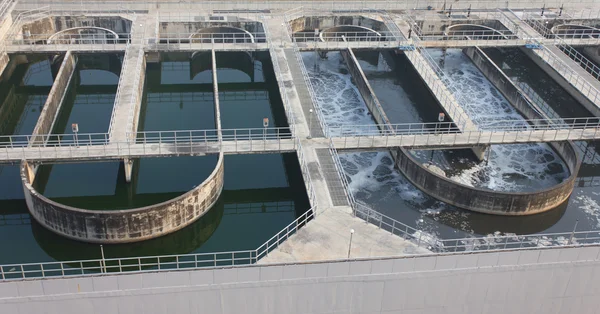
Water recycling rates remain an under-harnessed resource. Currently, only 26% of the treated municipal wastewater undergoes recycling per annum. This state of recycling has severe disparities within the basin’s regions. First, the state of Nevada practices an impressive recycling rate of 85%, followed by Arizona with a rate of 52%. Meanwhile, the state of Utah has a recycling rate of less than 1%. Yet, if the 40% recycling target for each basin state were to be achieved, there would be an accumulation of almost 900,000 acre-feet of conservation potential each year to support the needs of almost 2 million households.
5. Interstate Tensions and Negotiation Deadlocks
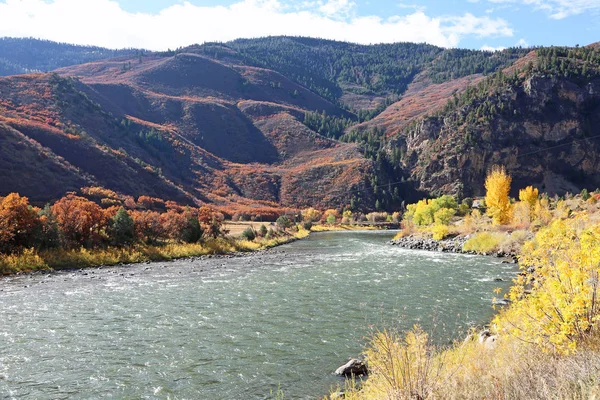
The seven basin states are still at odds regarding sharing cuts beyond 2026. Lower Basin states (Arizona, California, Nevada) tend to use their full Allocation entitlement of 7.5 million acre-feet, while Upper Basin states tend towards 4.5 million acre-feet. Current federal proposals consider allocations mandating as much as 4 million acre-feet annual cuts in Lower Basin states. Additionally, Upper Basin states are expected to make cuts through new federal proposals in light of critically reduced reservoir storage levels, making it likely that litigation may become an issue in this dispute.
6. Community Resilience During Protracted Drought
As emphasized by the NOAA Drought Task Force, the effects of drought can be felt in many ways, and these have far-reaching effects and implications. For instance, the effects of drought can not only be felt in the supply of water but also in the fields of agriculture, health, and recreation. To address these effects, different strategies have been employed by different communities, including the restoration of forests, which can help prevent forest fires. Similarly, the Navajo Nation, an Indian tribe, is also witnessing the combined effects of the lack of hydropower and agricultural water.

7. Dealing with Environmental Anxiety
For those within the area who follow this news, the psychological cost of scarcity in the water source must be taken seriously. Mental health practitioners have identified methods for overcoming feelings of hopelessness that include grounding oneself in activities that focus on those actions that the individual can take personally or through participation in their community’s activities related to conserving the resource.
8. Ways Ahead
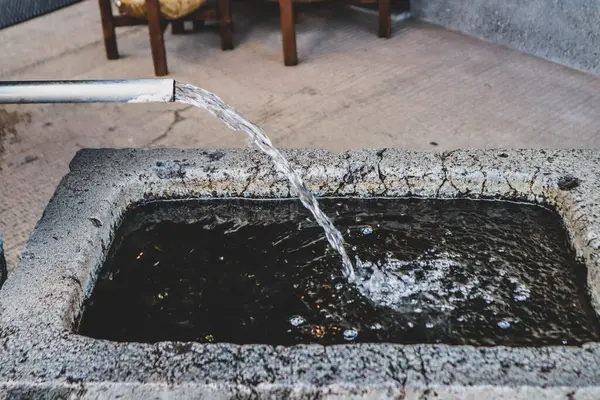
The solutions have been understood for some time: cutting consumptive use permanently, maxing out water recycling as quickly as possible, providing funding for conservation in all states equally, and living within the laws of nature as governed by collaborative management and including tribes.
As Douglas Kenney of the Colorado River Research Group aptly said, “The window for taking decisive and collaborative action is closing fast.” Of course, living within the laws of nature will necessitate much more than this, including methods to prevent the Lake Mead collapse from becoming permanent.

