
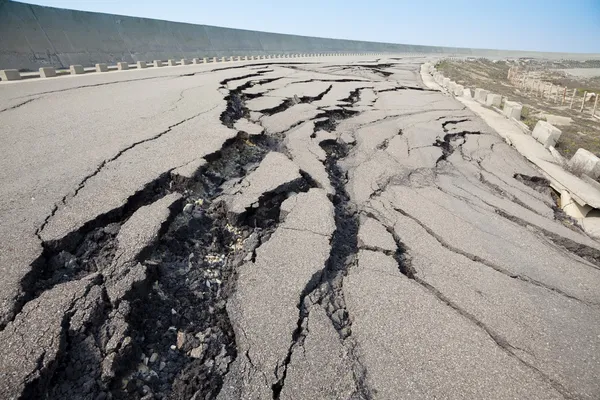
Two massive earthquakes occurred in quick succession along the Pacific Rim, sparking concern and rumors of so-called ‘megaquake week.’ In one event, an earthquake measuring 7.0 struck the area around Yakutat in southeastern Alaska, extending hundreds of miles. In another, an earthquake measuring 7.5 occurred off the coast of Northern Japan, causing damage and injuring scores of people, prompting an official megaquake alert. While experts say today’s events are not a precursor to an imminent disaster, authorities see it as an opportunity to prepare for the next quake.
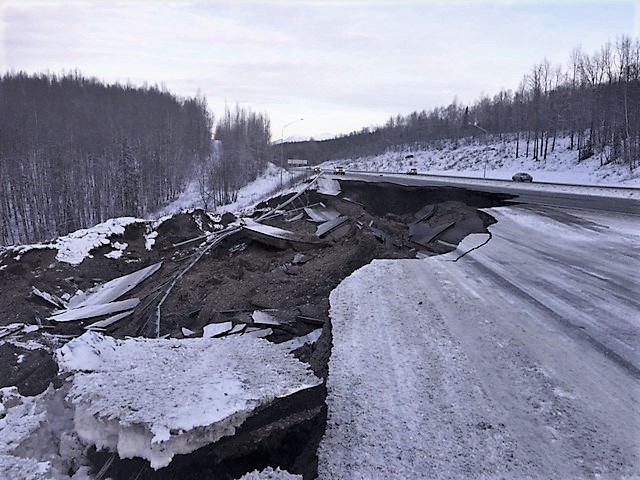
1. The Alaska Quake and Its Immediate Impact
The Alaska quake occurred at shallow depth, thus resulting in intense shaking. More than 160 aftershocks were recorded in the first 24 hours following the quake. The fact that the quake occurred along the boundary of the Pacific and North American plate is worth noting. This region is well known for its large numbers of major earthquakes in the past. However, despite the absence of any reported fatalities caused by the quake, intense shaking occurred, which resulted in interior damage and ground failure in areas where the ground was prone to failure.
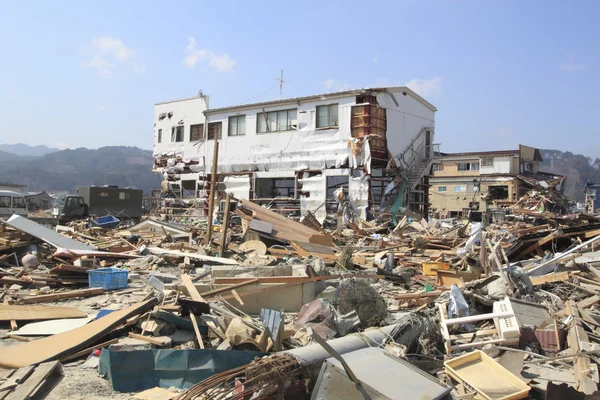
2. Japan’s 7.5 Earthquake and the Megaquake Alert
In Japan, at least 34 persons were injured, with a small tsunami two feet high generated by the northern rupture. The Japan Meteorological Agency activated its megaquake warning, which indicated the potential, although not predictive, occurrence of an earthquake with a magnitude of 8 or greater in the coming week. Although the chances remain at only 1%, instructions included taking time to check evacuation procedures, securing furniture, and being prepared with emergency bags by residents in coastal areas. This alert was activated in 182 municipalities from Hokkaido through Chiba Prefecture.
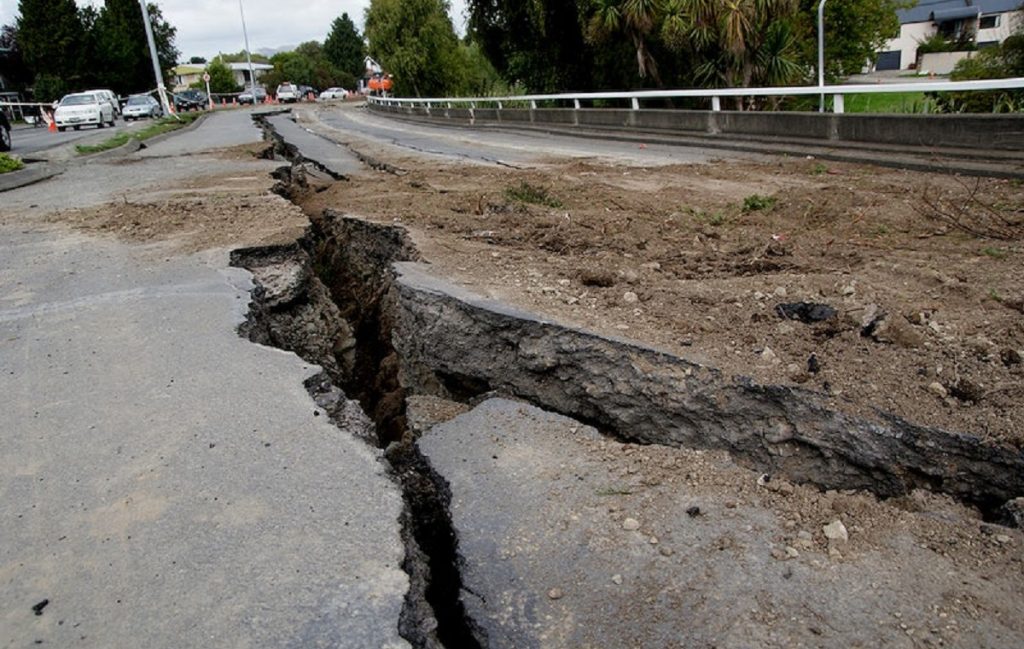
3. The Science behind “Megaquake Week”
The phrase has originated from the media’s frame rather than seismic bulletins. Seismologists have stated that although major earthquakes could affect stress fields, it is less likely to trigger another strong earthquake thousands of miles away directly. There are many big earthquakes on earth every year, and earthquake clusters can occur due to random timing rather than other reasons. These two earthquakes took place on the same huge tectonic margin, but it’s not likely to trigger world reactions.

4. Nightmare Scenario Tsunami Risk.
According to government modeling, if a megaquake were to hit the Hokkaido-Sanriku region in the offshore area of Japan in the future, it could produce a tsunami with wave heights reaching 98 feet, resulting in the loss of up to 199,000 casualties and the destruction of up to 220,000 buildings. Tsunamis with wave heights below 33 feet are also powerful enough to transport large debris and claim lives. Being prepared means identifying hazard risk assessments and making improvements in the design of evacuation routes for critical infrastructure.

5. Disaster-Related Anxiety Management
Studies have found that earthquakes can also have strong after-effects in the area of psychology, where survivors have been found to exhibit traces of ‘anxiety,’ ‘hypervigilance,’ and ‘sleep disturbance.’ During these periods, maintaining ‘routine,’ ‘social support,’ and ‘healthy behaviors’ act as effective mechanisms of ‘coping.’ Being ‘active in the community’ also helps to rebuild a ‘sense of control’ and ‘a sense of purpose.’

6. Steps for Preparedness
Authorities advise families to have an emergency box ready with several days’ worth of essentials, footwear, and helmets. It is also important for families to talk about their evacuation plan and sleep nightly in clothes ready to be evacuated. To avoid injuries, furniture must be strapped to walls or floors. People living along the coasts are urged to register for emergency notifications. When it comes to preparation, another aspect is supply chain resilience.

7. Psychological Interventions for Earthquake-Related
There is evidence for the use of cognitive behavioral therapy (CBT), specifically exposure-based therapies, in the treatment of post-earthquake PTSD. Group and single-session methods are effective and can reach the large number of affected individuals. Internet-based treatments are also emerging as effective, but they could be combined with therapies conducted by professionals. Positive treatment effects can still be experienced in the presence of aftershocks if the treatment is tailored according to the tolerance levels of the patient.

8. Why Remaining Calm Matters
Experts from Alaska as well as from Japan note that high risk does not equate with impending doom. “Panic can precipitate poor decision-making, while rational and informed decision-making enhances safety.” Acceptance that resilience is the typical state after a natural event can help one deal with fear associated with such events. Preparedness is not about when the next earthquake will strike, but about when.
So too will the Pacific Rim continue to shake. These twin earthquakes remind us that the threat of seismic events will always loom for coastal communities. The best approach to these events will neither be fatalistic acceptance nor a rejection of danger but rather preparedness and resilience.

