
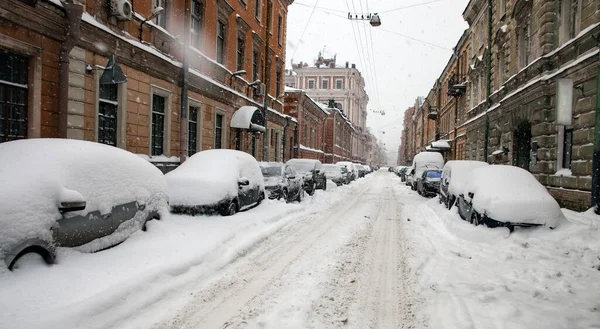
“Big snow has a way of shrinking the map. A few inches can slow a commute, but the rare, sprawling storms have done more than snarl traffic: they have collapsed roofs, buried highways, and forced entire regions into a slower, colder routine.”
The predictions today are often centered on how many inches are expected to fall and where the heaviest band will set up. The most historic snowfalls in the country, though, are remembered not for the snow but for what the snow did to buildings, to travel, to power, and to the movement of communities for days to come.
These events are notable because the sum of the total, the timing, and the wind associated with these events made regular winter weather conditions seem like a different season altogether.
1. The Knickerbocker Storm (1922)
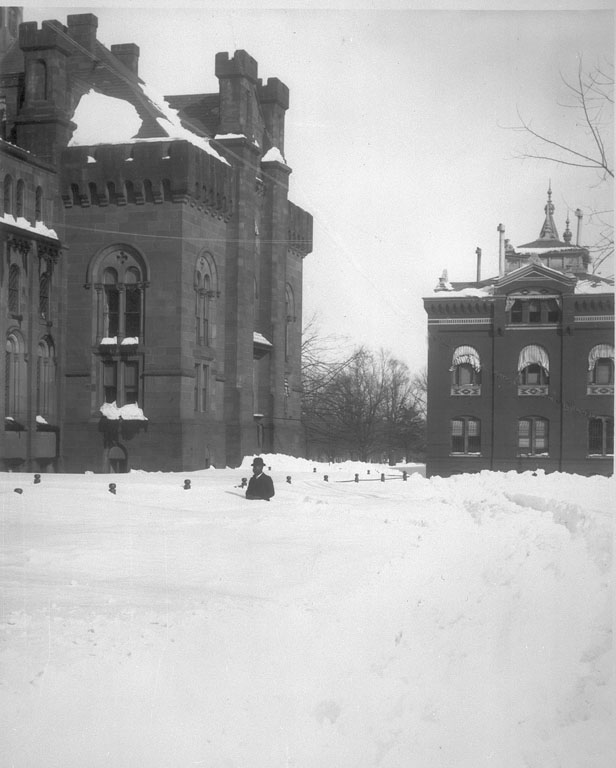
Even today, major snowstorms in the Washington, D.C. area are measured against this multi-day storm. It brought the city its greatest snowfall on record, with the snow falling quickly enough that by the morning after the storm began, 18 inches had already fallen. In the D.C. area, the snowfall totals ranged from 24 to 38 inches.
The most important lesson of the storm was learned not from the wind, but from weight. The roof of the Knickerbocker Theater collapsed from the weight of the snow, a tragedy that has been associated with the name of the storm ever since and that reminds us that snow can become a weight-bearing emergency, not only a transportation issue.
2. The Blizzard of 1978
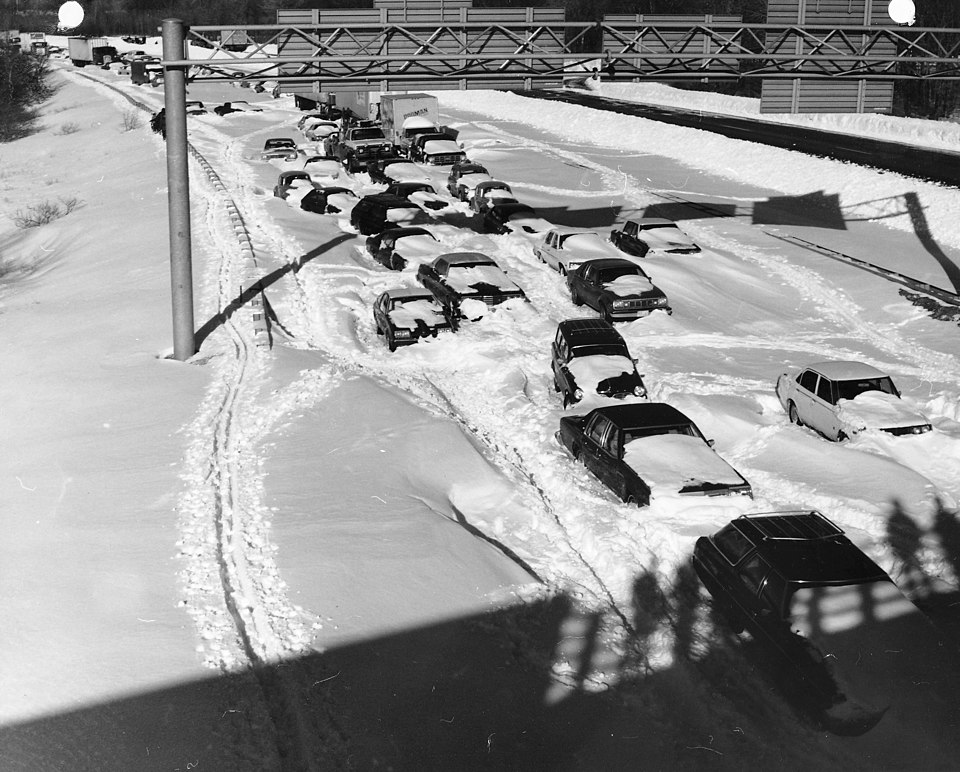
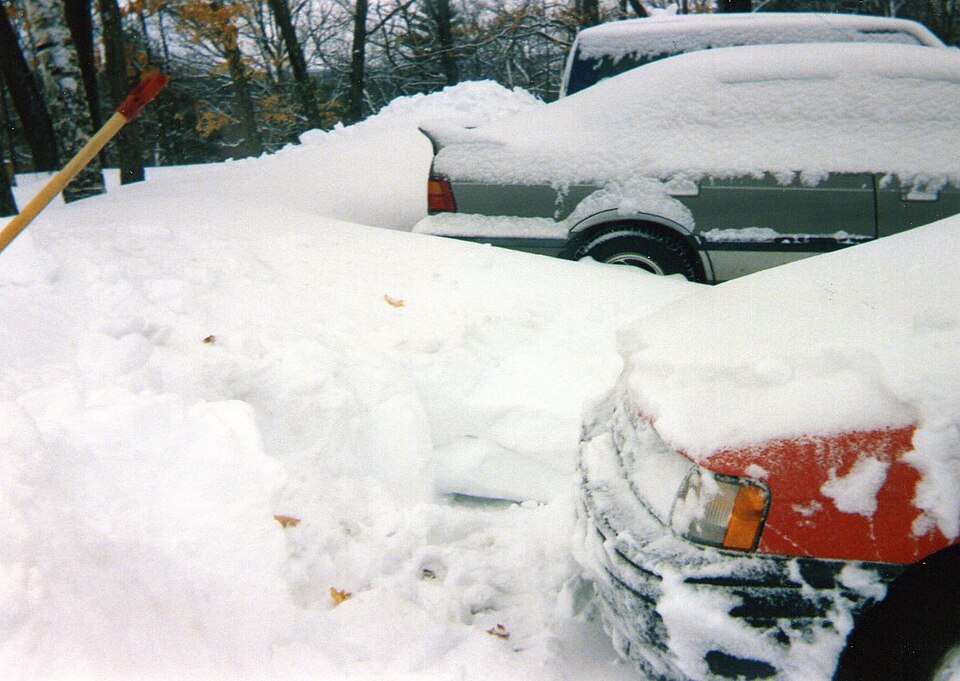
For the majority of the Northeast, this particular storm is the standard by which all other storms are measured in terms of “how bad it can get,” particularly for the coastal regions of New England and parts of the New York metropolitan area. It set records for snowfall in certain areas of Long Island, Connecticut, Rhode Island, and Massachusetts, with one area of Rhode Island receiving over 50 inches.
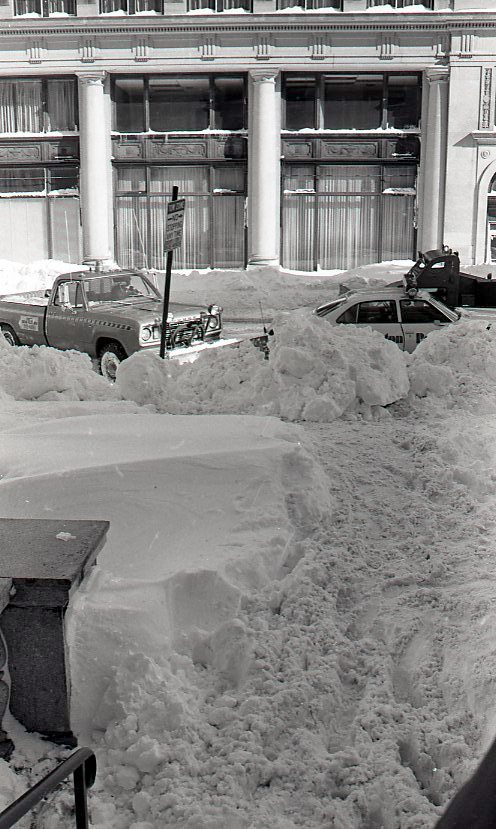
The winds were hurricane force in some areas, creating whiteout conditions that kept schools and businesses shut down for more than a week. In New England tradition, the storm also became a cultural touchstone something remembered by where people were stranded, and how long it took to dig out.
3. The 1993 “Storm of the Century”
Scale is what makes this particular storm different from most others. It extended its serious effects to a massive area of the country, with NOAA saying that it affected almost half of the population of the U.S. The rate of snowfall was 2 to 3 inches an hour at the height of the storm, and some mountain areas received over 40 inches.
Its strength was also quantified in a way that few people typically encounter in a typical forecast. The National Weather Service’s Office of Hydrology put the amount of water equivalent in the storm at 44 million acre-feet, which is an enormous amount of water that goes a long way towards explaining why the storm had such far-reaching effects. The storm closed down every major airport on the East Coast at some point, and in an age when people did not have constant updates on their smartphones, the sheer number of closures and power outages made this storm feel even more isolating. Former NWS Director Louis Uccellini remembered when forecasters began to ratchet up their warnings: “So in that middle part of the week, we did start highlighting the potential for a major storm on the East Coast by the weekend, by late Friday and into Saturday. And when we got to day three, we were putting a–a big storm on the East Coast on the maps, not pulling any punches. That this was going to be a major storm, if not of historic proportions.”
4. The Blizzard of 1996
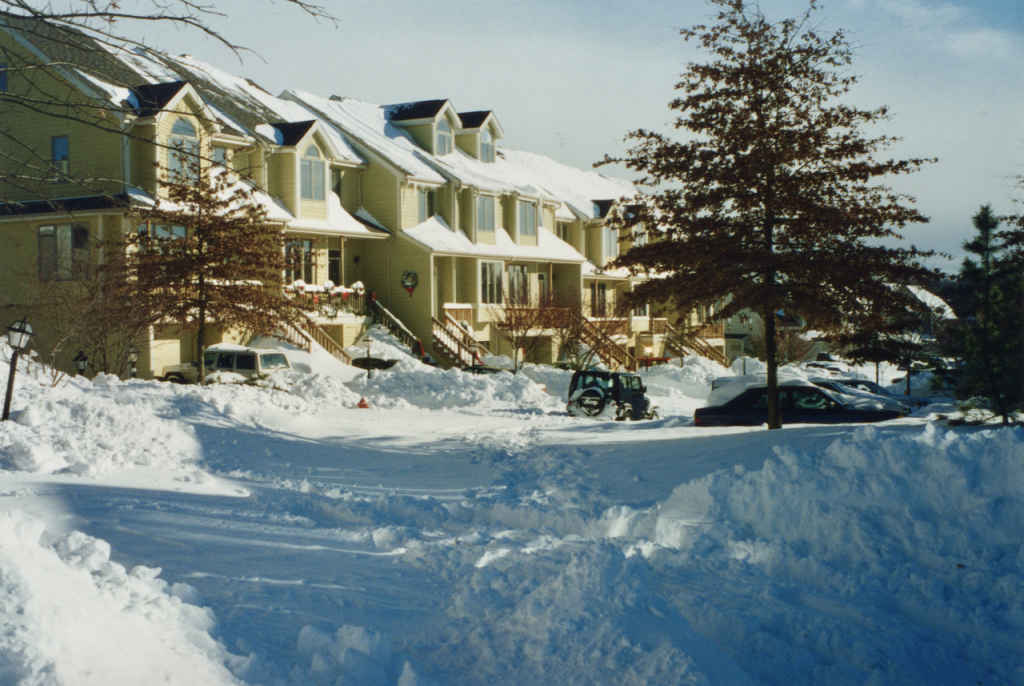
This storm has its spot in history because it affected the heavily populated area of the I-95 corridor with high-end snowfall, which is still hard to align. The heavy snowfall was accompanied by high moisture and cold air that was pushed southward by an Arctic high, which contributed to the effective snowfall amounts in cities that normally see mixed precipitation.
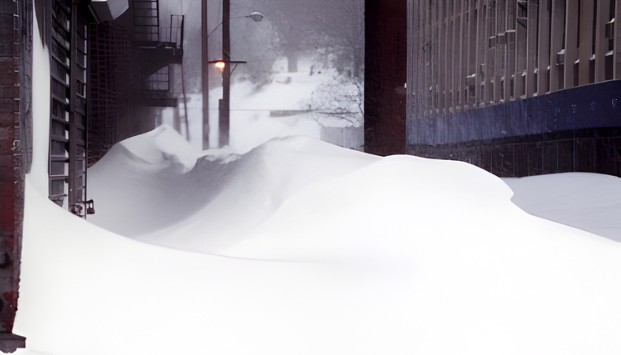
It also contributed to moving the dialogue towards impact-driven messaging. The storm that is commonly referred to as the Blizzard of ’96 sometimes did not qualify as the strict technical definition of a wind and visibility storm, but it still managed to become “the Big One” for many people due to the complete disruption of movement and services. In the worst-hit areas, roofs collapsed, mail services were temporarily suspended, and the snowpack remained, which led to flooding when rain and warmer temperatures arrived.
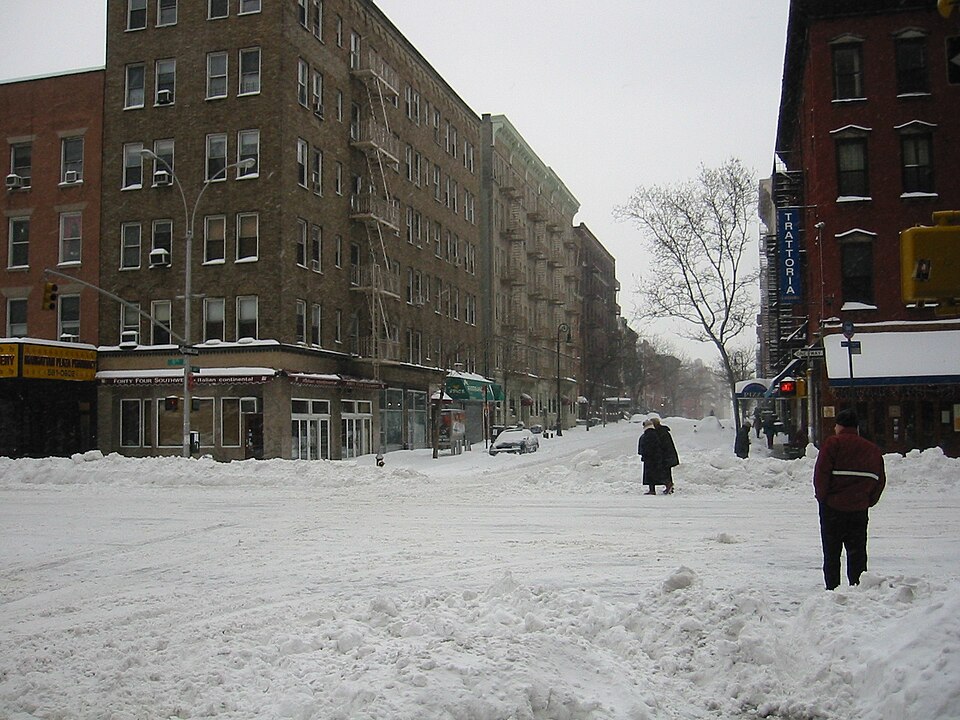
5. The Presidents’ Day Blizzard (2003)
The fact that it occurred during a holiday period made the disruption worse, but the numbers themselves made the storm one that would be remembered from Washington, D.C. to Boston. Snowfall was over 27 inches in Boston, 19 inches in Central Park, 20 inches in Philadelphia, and 16 inches in Washington. Areas of West Virginia and central Pennsylvania saw over 40 inches.
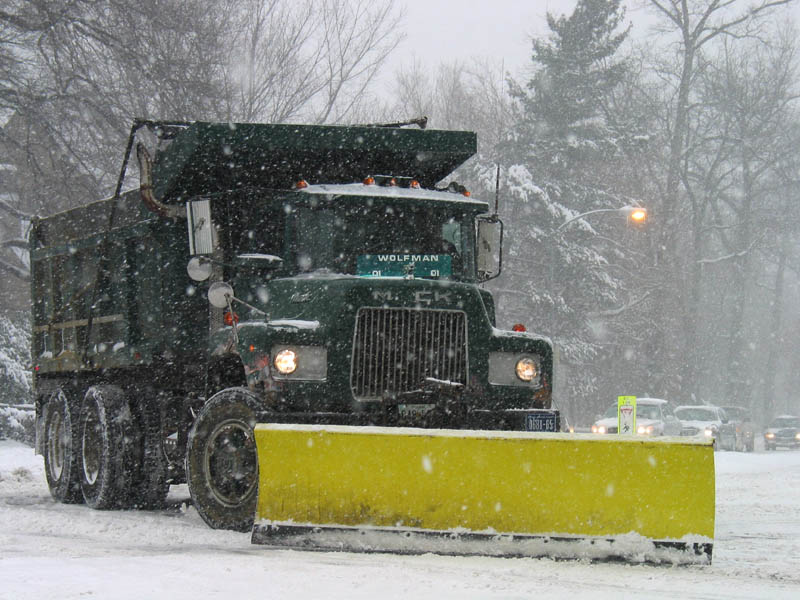
For Boston, it established a new record for the greatest amount of snowfall in a single event in the record era, with 27.5 inches recorded. The totals also highlighted the fact that the most historic storms tend to be the ones that are able to maintain cold air masses over more than one large city zone. The biggest snowstorms in America are not remembered for the amounts that fit on a ruler. They are remembered for the days that followed, when the snow became a load, a supply chain issue, and a test of how quickly the communities could dig back into motion. Even in an era of improved radar and quicker warnings, these historical storms remain the outer boundary of what can be expected during winter when the ingredients come together.

