
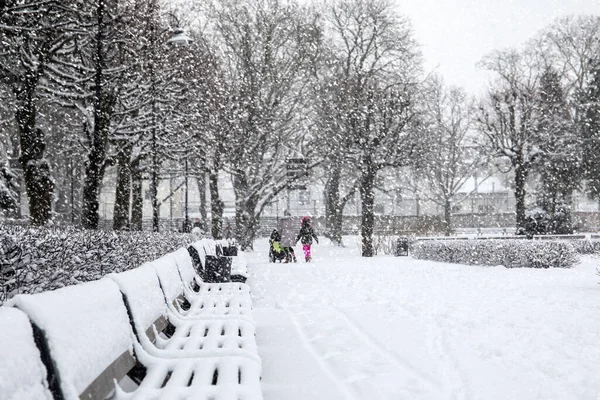
Shoveling a little snow off your sidewalk doesn’t seem like hard work. But the stress of heavy snow shoveling can be as stressful or even more stressful on the heart than a treadmill stress test, based on research we have done,’ said Barry Franklin, Ph.D., director and professor of preventive cardiology and cardiac rehabilitation. The danger of snow shoveling is not the same in every storm. While some areas see nothing but a nuisance from winter weather, other regions are hit with extreme cold, heavy snowfall, and ice.
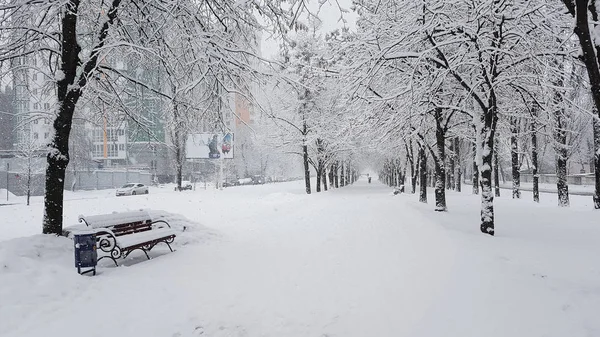
In these regions, deaths from exposure and exertion are not uncommon, nor are the disruptions that come when power and transportation infrastructure fail under the weight of ice. What appears to be a single story of a single storm is often a series of risk factors that are familiar and easy to overlook.
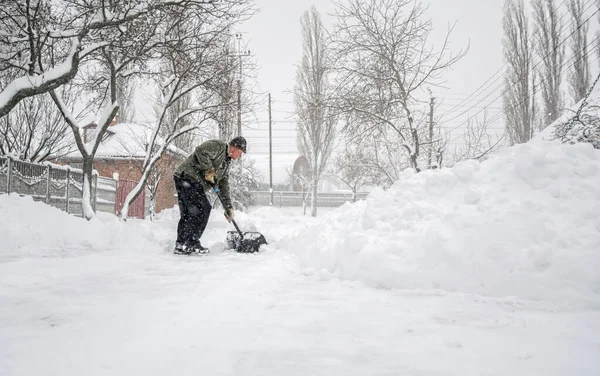
1. Snow shoveling is like a stress test on the heart
Snow shoveling is not simply exercise in a coat. According to the American Heart Association, snow shoveling is a type of physical activity that can increase the risk of heart attack or sudden cardiac death, especially in people who are not physically active on a regular basis. Franklin’s research has found that even after just two minutes of snow shoveling, the heart rate of participants reached 85% of maximal heart rate, which is a level of intensity more commonly reached in formal exercise testing. This is a risk not only to those with heart disease, as the sudden onset of physical activity combined with exposure to cold temperatures can be stressful to the heart even in those without heart disease.
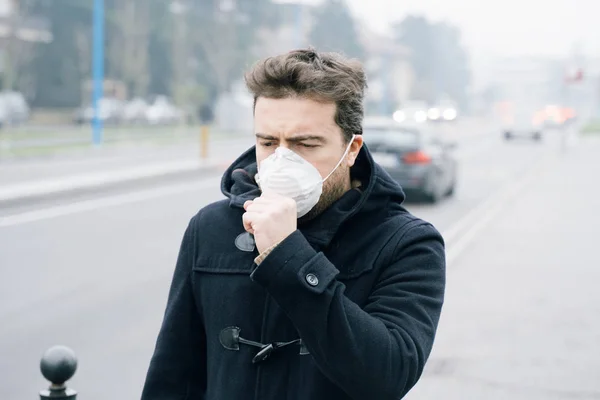
2. Cold affects the body’s response to physical activity
Cold air is more than just uncomfortable. Franklin has written that cold air, breathing, and blood vessel constriction can raise blood pressure while also increasing the tension of the coronary arteries. This means that the heart may be working harder while simultaneously having its blood supply under greater pressure. This is a problem during activities that encourage breath-holding, as occurs when heavy wet snow is lifted.
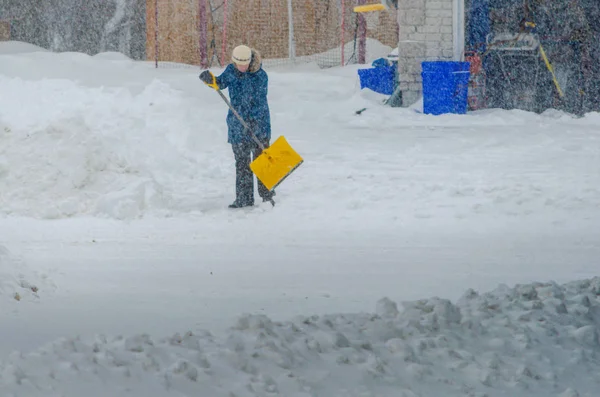
3. Snow shoveling is a specific type of strain and not a well-rounded exercise routine
Snow shoveling is a type of activity that is heavy on the arm muscles as well as isometric muscle contractions. Franklin has written that snow shoveling is a type of isometric exercise that can raise heart rates and blood pressure, especially when individuals unconsciously hold their breath while lifting. This can cause blood to pool in the lower parts of the body, which is not an efficient means of blood circulation. This is reflected in real-world situations as an individual going outside to clear a path for walking or to clear a car, only to become ill with little warning.
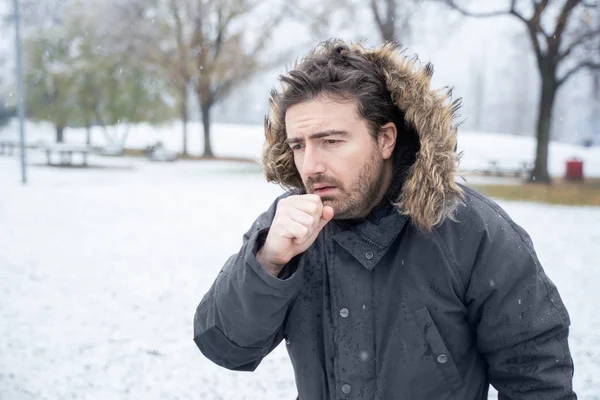
4. Pre-existing risk factors increase the risks of routine chores
Individuals who have pre-existing risk factors for cardiovascular disease, such as a sedentary lifestyle, obesity, diabetes, high blood pressure, high cholesterol, and current or former smoking status, are at a greater risk for cold-weather strain. Franklin has written, People with these characteristics and those who have had bypass surgery or coronary angioplasty simply should not be shoveling snow in any conditions. This is not only a concern for the strain of the activity, but also the fact that this activity is performed after a long period of inactivity, followed by a short intense period of physical labor after a large snowfall.

5. Hypothermia can set in sooner than one thinks
Winter deaths are not restricted to heart strain. Some deaths associated with severe cold outbreaks have been attributed to what was presumed to be hypothermia or exposure, including those found outdoors in subfreezing conditions. Hypothermia can cloud judgment and motor function, making it more difficult to call for assistance or even sense danger. As temperatures sink into the single digits or below, the tolerance level shrinks, especially for someone who is alone, inadequately dressed, wet, or struggling with alcohol or certain medications.

6. Power outages make cold weather an indoor danger
Ice is usually the most destructive component of the storm because it adds weight to trees and power lines. In this particular winter outbreak, over 1 million residences and businesses were without power at the peak of the outage across several states. Without functioning heat, the dangers of cold exposure move indoors, particularly for the elderly, infants, and those with chronic conditions.
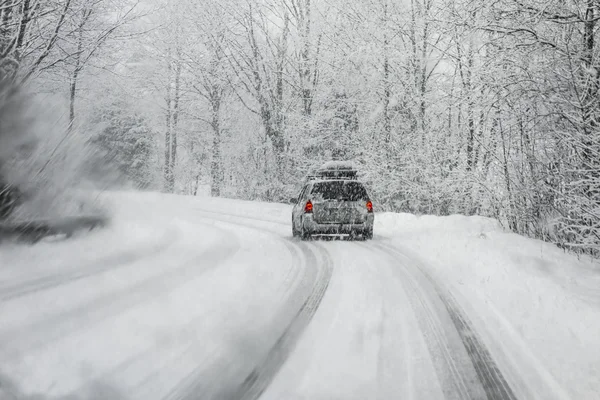
7. Ice and reduced visibility can exceed the safety margins of transportation
The safety margin of travel is also reduced by the presence of severe winter weather. A crash of a business jet in snowy conditions in Maine focused attention on deicing and visibility issues. “The Bombardier Challenger 600, said an aviation safety consultant, “has a history of problems with icing on takeoff, and a small amount of ice contamination can be hazardous. While the cause of the accident will be determined, the take-home message is one that is all too familiar to anyone who has been out in winter weather on the roads or the runway: when ice forms on surfaces and on aircraft, the usual assumptions about traction, lift, and stopping distance can rapidly prove false.
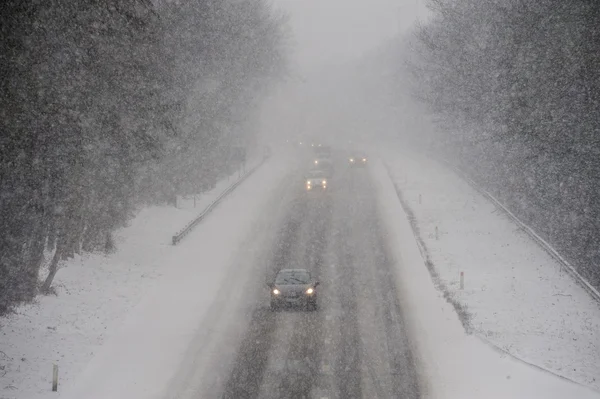
Winter safety is a matter of preparation layers, salt, flashlights. The harsher truth is that danger also resides in the usual choices: shoveling a driveway too quickly, going outside inadequately dressed, staying home without heat, or venturing out in conditions of reduced visibility and ice accumulation. The most perilous moment, as Franklin’s research on shoveling makes clear, can be the one that still feels routine.

