
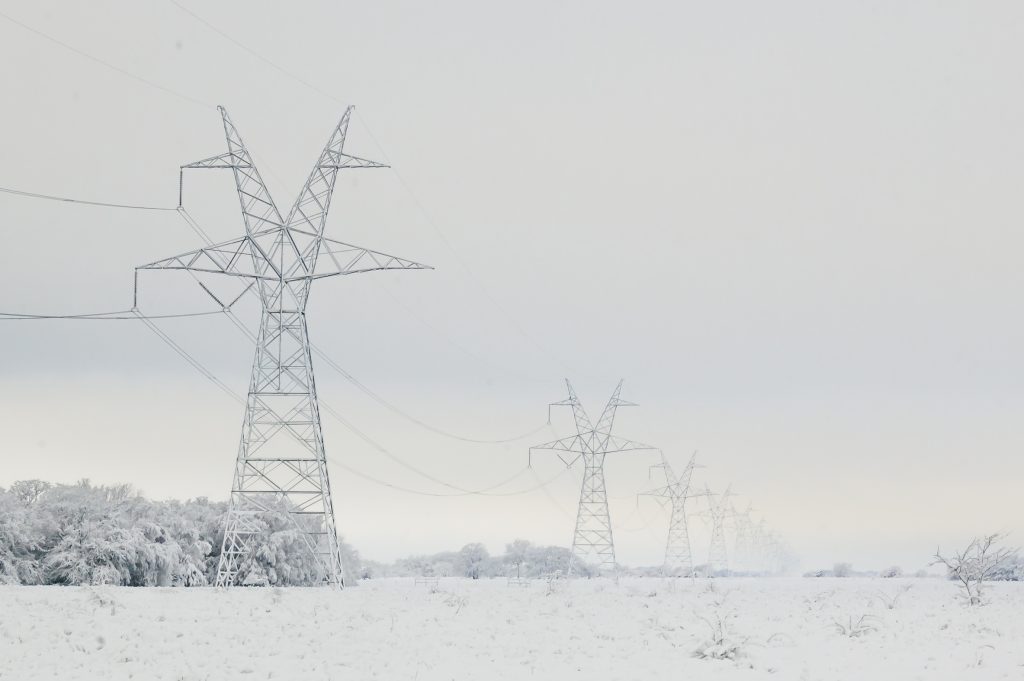
“Winter outage is rarely simply ‘no lights.’ In Louisiana, the biting wind chill, icy roads, and inaccessibility to damaged equipment can extend an outage into a multi-day safety problem, particularly when homes cool rapidly and pipes are left exposed.
The power companies can trace outages down to the neighborhood level, but the customer must then take control of what happens within their four walls: temperature, water lines, and the dangers that emerge as generators and space heaters are brought out of storage.
1. Use outage maps to plan the next 12 hours, not just to check status
An outage map is most useful as a planning tool. When a neighborhood is restored but a home is still without power, the problem may be on the customer side, such as damaged equipment connected to the home. Entergy customers can follow the restoration process through real-time outage maps and, when equipment appears to be undamaged, report an outage by texting OUT to 36778 or by calling 1-800-9OUTAGE.
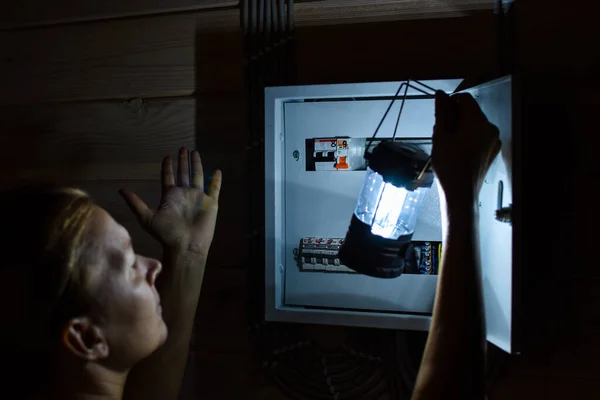
In extreme cold weather, the restoration of power is also done in a controlled manner to protect the power grid. Entergy explains that they use “cold load pickup,” meaning that power is restored one area at a time to prevent a massive surge from appliances and space heaters that had been left on during the outage.
2. Treat an Extreme Cold Warning as a frostbite and pipe burst alert
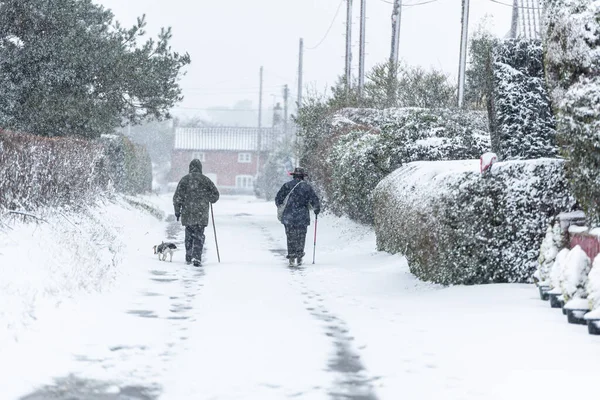
An Extreme Cold Warning means that the wind chill is so great that it can cause frostbite and hypothermia in a matter of minutes to exposed skin and can also cause water lines to approach freezing. The area’s warning system has included all of southeast Louisiana and southern Mississippi, with morning wind chill values in the teens and, in some areas, single digits.
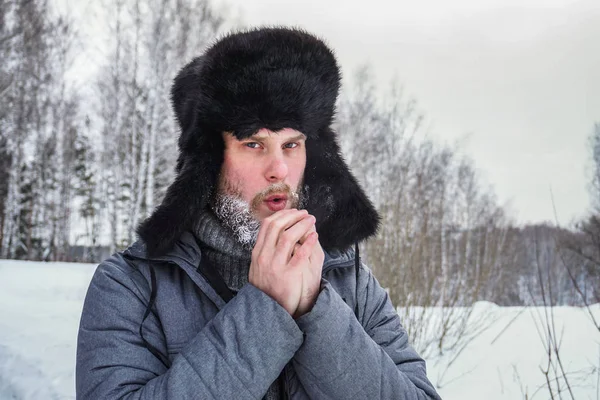
That’s because the combination of cold air and wind strips the warmth from homes quicker than many people anticipate, which is why a brief power outage can quickly become a concern for the well-being of babies, seniors, and anyone with temperature-sensitive medical requirements.
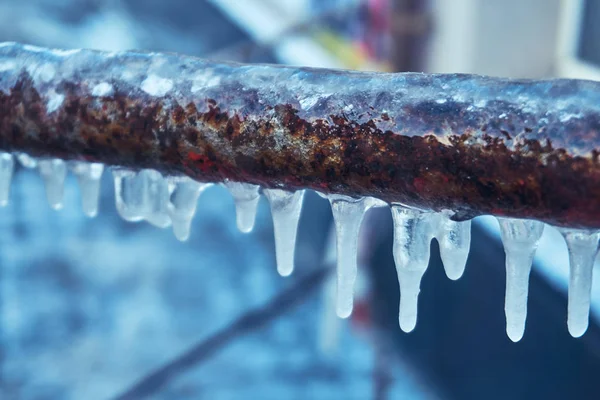
3. Prevent frozen pipes with small indoor moves that add up
When temperatures remain below freezing, plumbing protection becomes a consideration in preparing for an outage. This includes opening kitchen and bathroom cabinet doors to allow warmer air to circulate around pipes, keeping garage doors closed if water lines run through the garage, and allowing cold water to drip from a faucet with pipes exposed to the cold. Maintaining a consistent thermostat setting, rather than lowering it significantly at night, can also help prevent freeze damage.
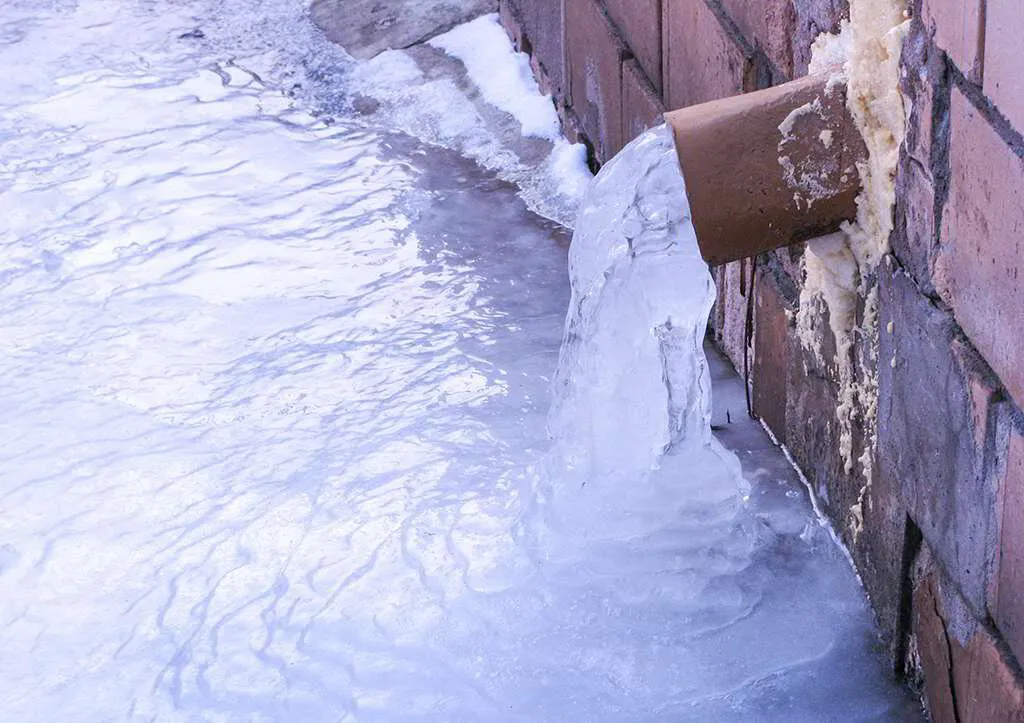
When a faucet is turned on and only a trickle of water comes out, a frozen pipe is probably the culprit. More prudent methods of thawing pipes include using an electric heating pad, a hair dryer, or towels soaked in hot water but not open-flame sources.
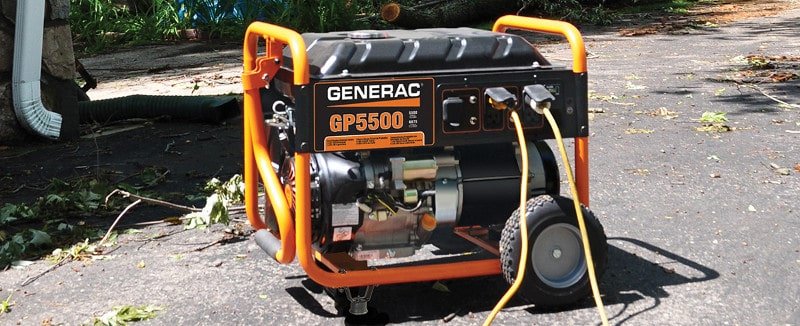
4. Run generators outdoors and far from the house every time
The use of generators increases during widespread outages, and so does the danger of carbon monoxide poisoning. Fire department officials in Louisiana state that generators must be run outside and at least 20 feet away from the house. They should never be run inside a house, garage, or carport, or under any overhangs that could allow exhaust gases to seep inside.
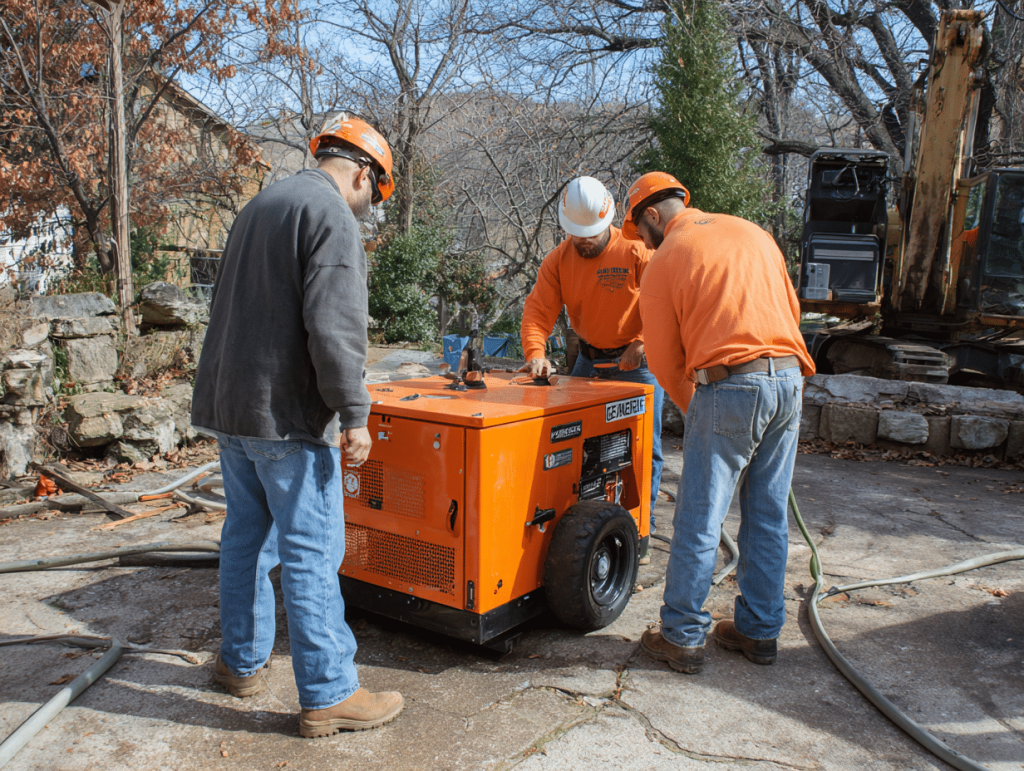
Ken Pastorick of the Louisiana State Fire Marshal’s Office emphasized the importance of detection: “You want to have a carbon monoxide alarm,” he said. “If carbon monoxide gets into the home instead of being exhausted outside, that alarm gives you time to get out.”
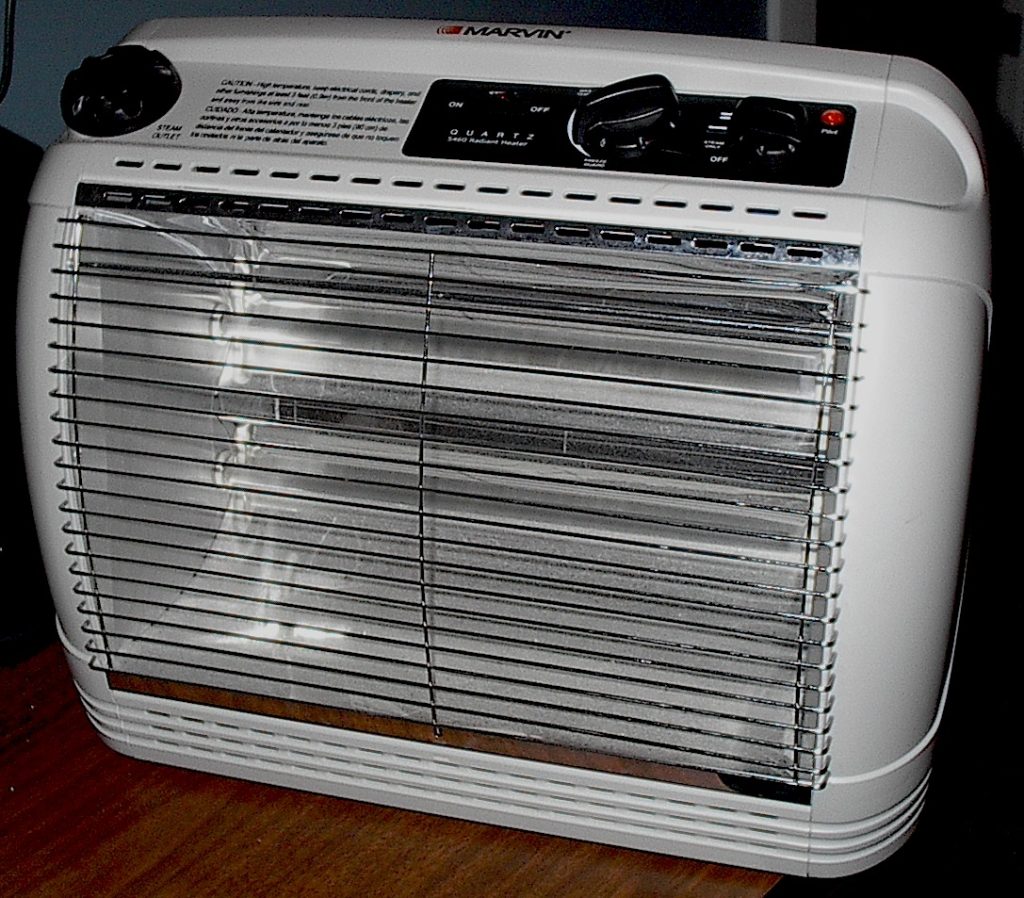
5. Treat space heaters like open hazards, not background comfort
Space heaters can help equalize a room’s temperature, but they can also increase the risk of fire if used casually. Louisiana fire officials recommend plugging space heaters directly into wall outlets, not extension cords or power strips, and keeping them away from curtains, blankets, and other combustibles. They also recommend turning off and unplugging space heaters before going to bed. The reasoning behind the recommendation was simple, Pastorick said: “You don’t want to have a fire start while you’re asleep.” He also cited multiple layers of protection: “Another big thing we stress over and over again is smoke alarms. Smoke alarms save lives.”
The State Fire Marshal’s Office points out that functional smoke alarms can lower the risk of death from a home fire by more than 60 percent. The cold weather in Louisiana can make power outages seem like a certainty. The more secure solution often depends on preparation that meets the moment, estimating power restoration times realistically, safeguarding pipes before they freeze, and using alternative heat and power sources in a way that does not create a secondary emergency.

