

Owning a home can make it seem like the ground outside is a disposal option for unwanted things, old materials, or even a difficult loss. But what goes into the ground can come back out through groundwater, curious animals, future excavation, or a property sale.
What’s illegal in your area? A predictable pattern emerges in local health ordinances, environmental regulations, and land-use laws: some burials are predictable risks and therefore illegal disposal. These are the types of backyard burials that usually lead to fines, cleanup orders, or long-term problems.
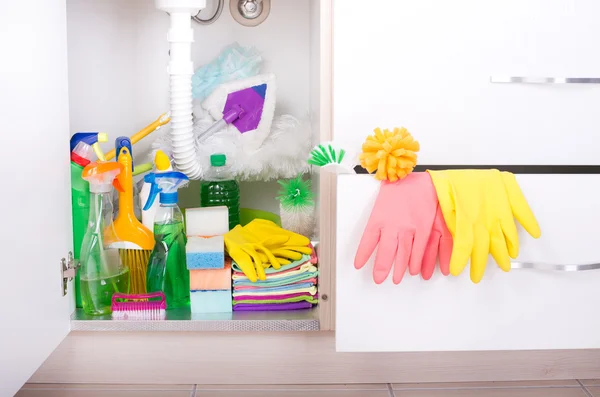
1. Leftover household chemicals
Household chemicals such as paint thinner, pesticides, solvents, and some cleaners may be considered household hazardous waste because they are toxic, corrosive, reactive, or flammable. They can contaminate soil and leach into groundwater when buried. Even if they’re “empty,” they may still contain a toxic residue. Labeling instructions and local guidelines for disposing of household hazardous waste will usually provide what to do next.
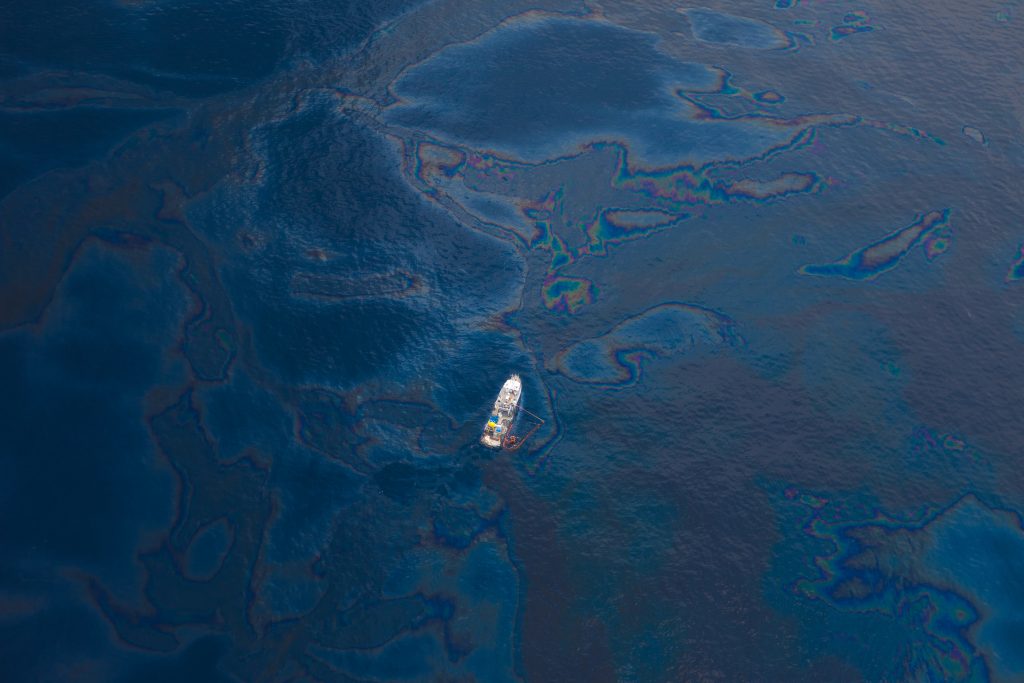
2. Used motor oil or gasoline residues
Petroleum products can create both safety and environmental problems when buried: fire hazards from vapors, and soil and groundwater contamination from petroleum hydrocarbons. Many communities consider these products household hazardous waste and require residents to take them to collection points or designated drop-off sites instead of the trash or burial. “A little bit” can still leach through soil over time, especially in porous soil.
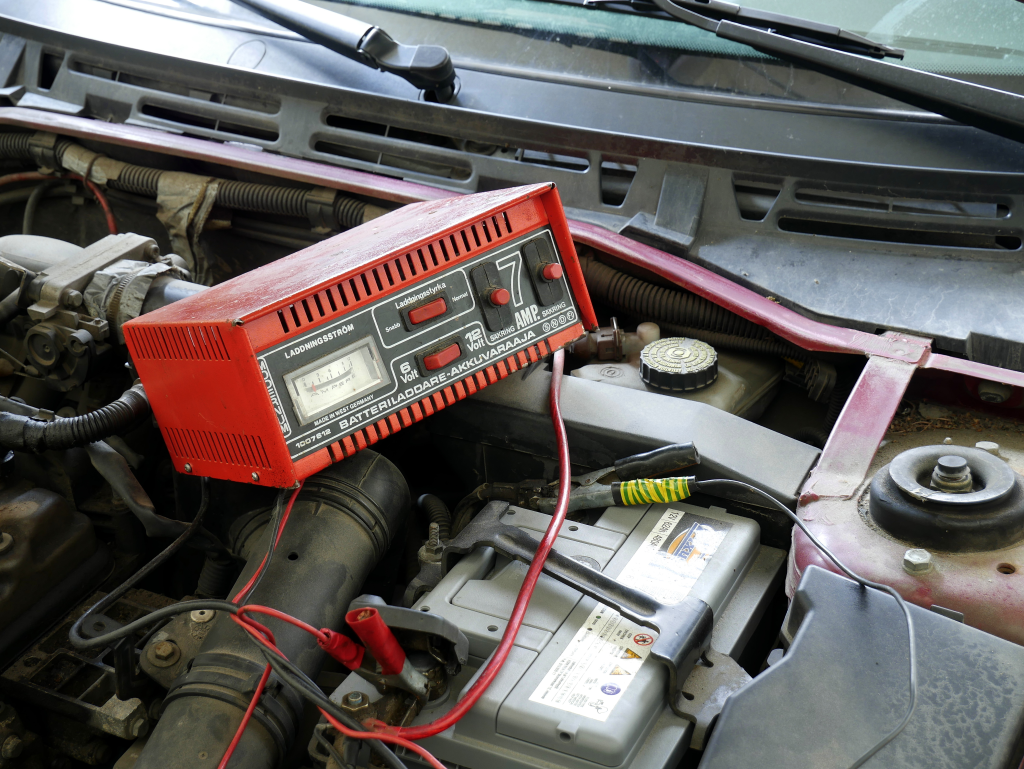
3. Lead-acid car batteries
Car batteries contain lead and sulfuric acid, and their disposal is regulated. The guidelines for disposing of lead-acid batteries state that “it is unlawful to dispose of a lead-acid battery other than via a recycling station or through your household hazardous waste program,” and that “disposal of lead-acid batteries is prohibited on or in any land,” with fines up to $25,000 per offense in some jurisdictions.

4. Pressurized tanks and aerosol cans
Propane tanks, gas containers, and aerosol cans are not designed to be buried underground for long periods of time. The risk of corrosion, puncture, and pressurized contents poses a serious surprise to anyone digging in the area, potentially creating an explosion hazard as well. Many local jurisdictions prohibit such disposal unless the item has been processed through the household hazardous waste or recycling programs.

5. Medical sharps and needles
Used hypodermic needles and lancets are a clear hazard of injury, but the issue is what happens down the line: landscapers, children, and new homeowners may be at risk without warning. Public health and waste management regulations generally require the use of closed sharps containers and drop-off points. Backyard disposal of sharps converts a known problem into an unknown one that can resurface at any time.

6. Medical waste and lab-type materials
Materials contaminated with blood or bodily fluids may be subject to health and sanitation regulations, particularly if they are generated during home care. Burial can allow pathogens to survive and pose a risk to anyone coming into contact with the material. Local regulations generally cover proper containment, collection, and transportation, none of which are provided in backyard disposal.
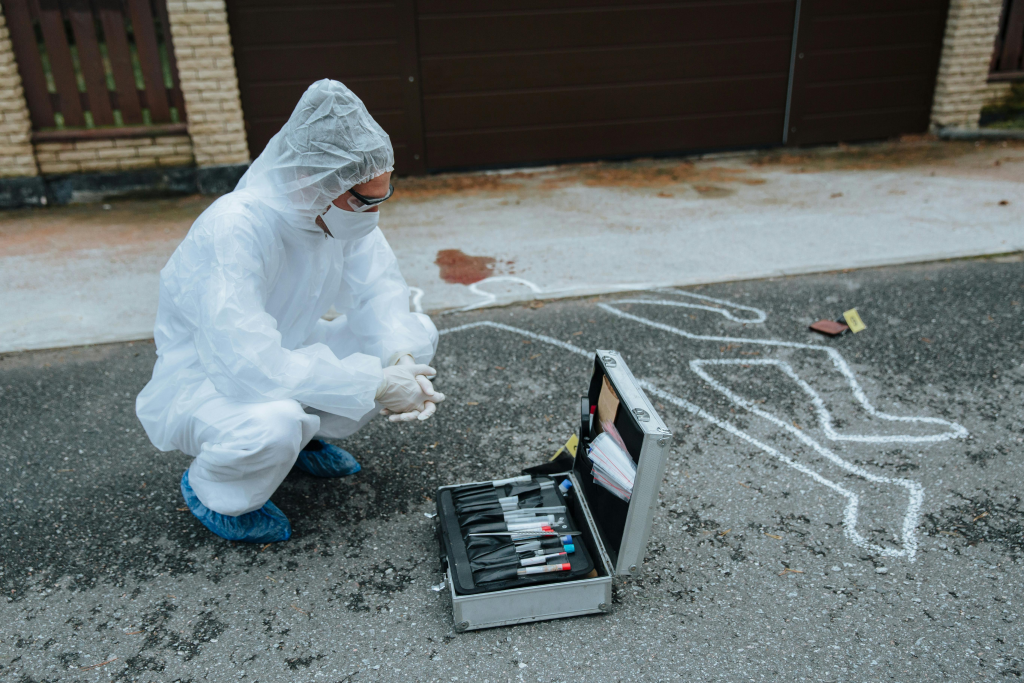
7. Human remains without legal permissions
Home burial may be allowed in certain regions, but it is not always an automatic right. Zoning, permits, and required setbacks from wells, waterways, and property lines may all be factors, and a disposition or burial-transit permit may still be required. Without proper permits, burial can become a legal issue and a future real estate issue when a sale, title search, or property transfer brings the burial site into plain sight.

8. Euthanized pets when scavengers could get to them
Pets euthanized with barbiturates can be a poisoning risk to wildlife if they are accessible scavengers. The U.S. Fish and Wildlife Service describes how pentobarbital can cause secondary poisoning when scavengers feed on the carcasses, and raptors are particularly vulnerable. When burial is an option, keeping scavengers out is a critical step in reducing the risk, and local regulations may include specific depth and location requirements.
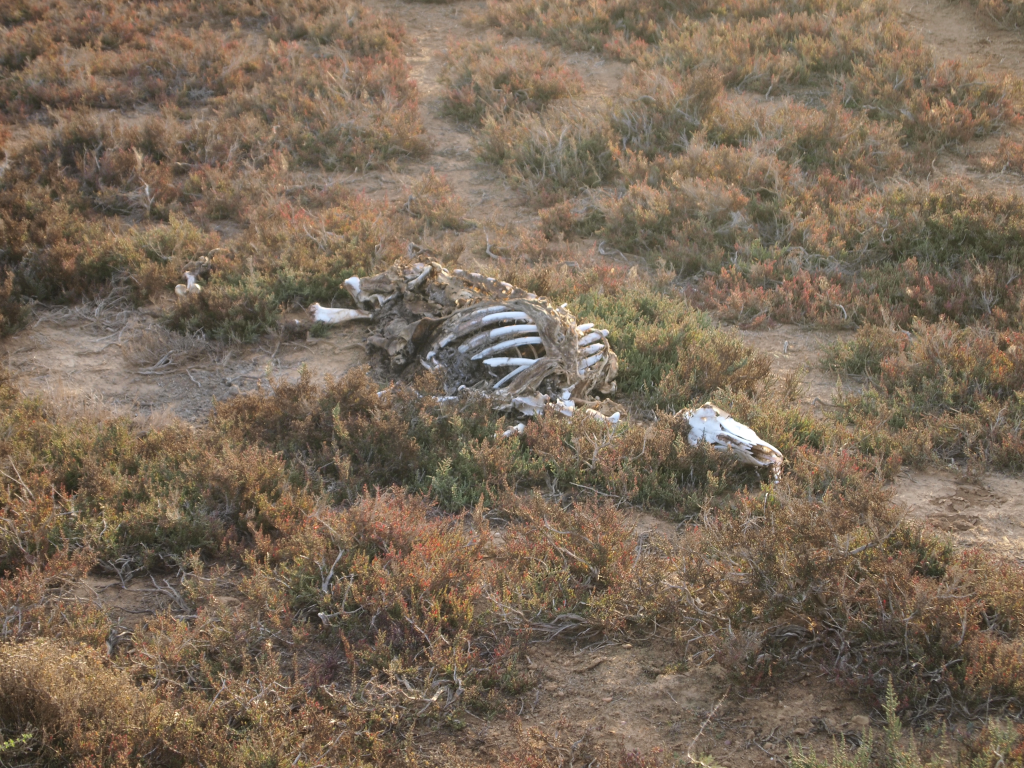
9. Large animal carcasses improperly handled or buried
Even in cases where interment is permitted for certain kinds of animals, handling and burial practices are significant for disease control and scavenger control. Best practices for wildlife health emphasize the use of gloves, avoiding contact with bodily fluids, and bagging with closure; they also describe burial as a process requiring at least 4 feet of depth, which involves practices to prevent scavenging. Local regulations may be more stringent, especially near waterways, floodplains, or areas where livestock waste is controlled for disposal.
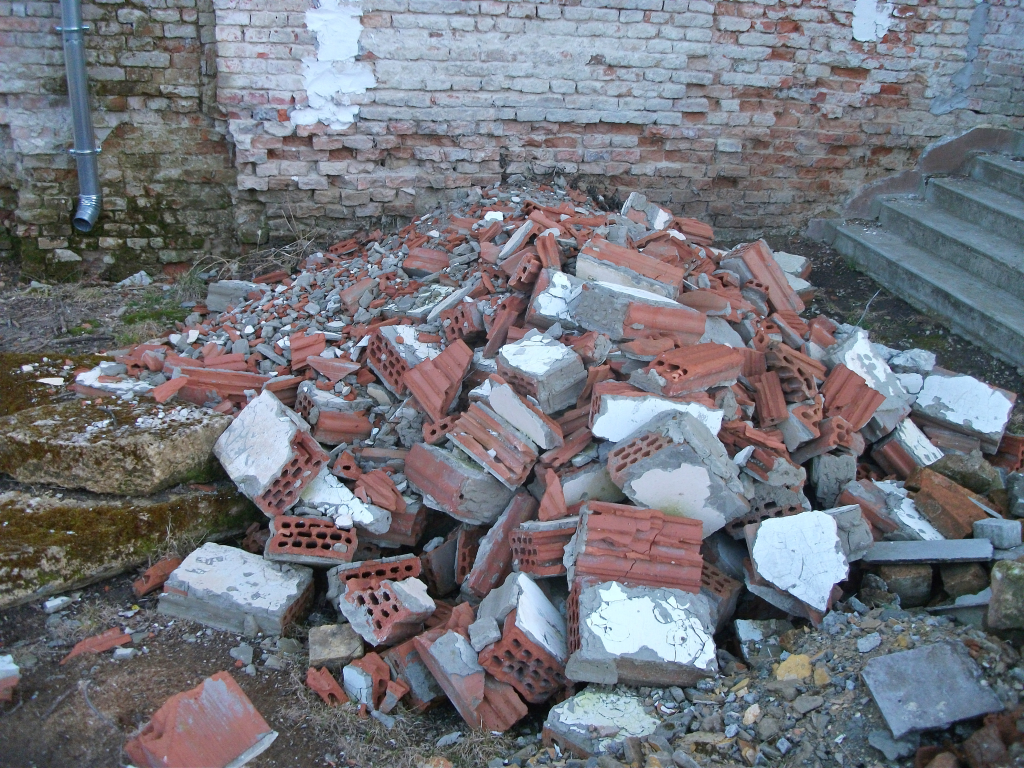
10. Construction debris that doesn’t break down cleanly
Wood treated with chemicals, painted boards, and other construction debris may contain chemicals and paint that should not be in the soil. Concrete and other large debris may also cause drainage and excavation difficulties in the future, making land use a problem for a long time. Many localities do not permit burial of construction and demolition debris because it is used as an unregulated dump site, rather than a proper disposal site.
Backyard burial is often considered a personal choice issue, but the issues are basically the same regardless of the location: contamination, damage to humans, exposure to wildlife, and land use problems for a long time. “‘If a household item, material, or body requires special handling, the best thing to do is rarely to dig a deeper hole it’s to call the community disposal service that keeps the problem contained and on record.'”

