

“An estimated 40% of dementia globally can be prevented by making a few simple lifestyle changes.” That’s not optimism, that’s the provocative statement by leading scientists shaking our conventional wisdom regarding brain health. For adults over 40 who find themselves fretting over memory loss, the new science offers solid hope: dementia is not a genetic or fate issue. There are robust, evidence-based ways to tip the odds in your favor, starting today.
Shake the myth that you can’t avoid cognitive decline. There’s exciting new evidence indicating what you do today, right down to what’s on your plate and how active you are, can protect your brain for years to come. Dive in for the most compelling, actionable evidence from the latest research, plus expert-endorsed tips on how to keep your mind sharp and resilient.

1. Blood Pressure: The Stealth Brain Protector
Lowering blood pressure is not only good for the heart it’s a head game. Researchers with the American Heart Association found that higher midlife blood pressure is one of the top three risk factors for dementia. Decades of hypertension damage blood vessels, restricting the flow of blood and triggering a cascade of vascular complications that can accelerate cognitive dysfunction. The good news? Keeping your blood pressure in line especially after 40 can significantly cut your risk for dementia. Gains of even the smallest amounts will suffice. As one scientist put it, “Blood pressure management might be our most modifiable factor. We can actually control this.” Regular doctor visits, good diets, and stress management are all part of the brain-protection plan.

2. Physical Activity: Your Brain’s Best Friend
Exercise isn’t just for staying physically fit it’s also for staying mentally fit. A broad meta-analysis involving more than 250,000 participants estimated that greater physical activity is associated with a 20% reduced risk of all-cause dementia. And it’s not just for marathon runners. Walking, gardening, and dancing all qualify. The benefit is greatest when you move from being sedentary to doing anything at all so every step counts. While cognitive benefits from physical exercise are small, they add up over decades. As recent editorial notes, it is repetition, not intensity, that matters when it comes to brain advantage. Exercise at least 150 minutes a week of moderate intensity to keep your brain in tip-top shape.

3. Smoking: Quit for Your Brain’s Sake
Taking a drag on a cigarette does more than harm your lungs it’s a brain hit. Smoking can destroy the blood vessels and inflame them to make a poor mix for brain loss. But the good news is that quitting smoking at any age will regenerate your brain. Research shows that even smokers with long smoking histories see an improvement in brain health after quitting. The beneficial changes start surprisingly quickly, and the recuperative ability of the brain is remarkable. If you needed a reason to quit aside from the dangers to your health, let this be it your future memories are on the line.

4. Diet: Fuel Your Brain with the Right Foods
What you put on your plate can be as significant as what you keep in your medicine cabinet. Several studies indicate that the Mediterranean, DASH, and MIND diets all correlate with reduced dementia risk. These diet patterns prioritize vegetables, fruits, whole grains, healthy fats, and lean meats olive oil, leafy greens, nuts, and fish, for example. In fact, one large review found that high adherence to these diets could reduce Alzheimer’s risk by as much as 53%. Even moderate MIND diet adherence made a difference. So, substituting processed meals for more plant-based fare isn’t only kind to your waistline it’s a smart move for your brain.

5. Sleep: The Nightly Detox Your Brain Needs
Sleep is not idle time it’s when your brain gets its most profound cleanings. Poor sleep, especially sleep-disordered breathing or insomnia, is increasingly recognized as a major risk factor for dementia. A Columbia University review states that sleep disturbance has been found to lead to the build-up of amyloid plaques, which is one of the characteristic features of Alzheimer’s disease. One night of lost sleep may interfere with the brain’s toxin-clearing mechanism. Getting quality sleep, 7-8 hours at night, and addressing snoring or sleep apnea can make a big difference in the health of the brain over time.

6. Social Connections: The Power of Community
Being socially engaged is more fun than that it’s a potent protective factor against declining brainpower. Studies show that people with strong social networks who remain active in group activities have slower memory decline. Book club, volunteering, or plain old socializing with friends strong relationships engage the brain and create cognitive reserve. Loneliness, on the other hand, has been shown to be a risk factor for dementia. Carve out time for relationships they’re important for happiness as well as brain health.
7. Brain Stimulation: Keep Learning, Keep Growing
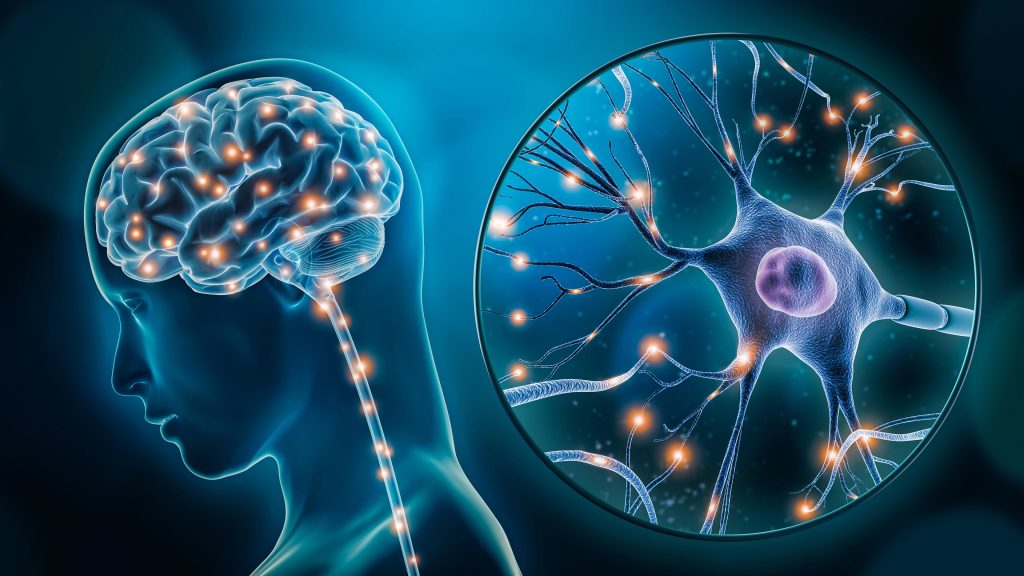
You’re not a kid anymore to challenge your brain. Reading, puzzles, lifelong learning, and creative activities all build cognitive reserve, which maintains the brain healthier with advancing age. Exercises have proven that keeping one’s mind stimulated regularly slows down the onset of dementia symptoms. The trick is to keep changing things up study a new language, pick up a new instrument, or do a different kind of puzzle. The more you stretch your brain, the sharper it will remain.

8. Stress Management: Healthy Brain, Calm Mind
Chronic stress is not only draining you can accelerate brain aging. Chronic stress encourages inflammation and can damage neurons in the long run. Mindfulness practices, meditation, and even simple breathing exercises have been proven to reduce stress and preserve cognitive function. Finding time each day to unwind is not a luxury it’s a requirement for protecting your memory and mental acuity.

9. Multimodal Lifestyle: The Synergy Effect
No single habit is a silver bullet, but putting together multiple good habits creates a multiplier effect. The finger study, considered by many to be a landmark study, found that a combination of diet, exercise, mental training, and vascular risk control led to enhanced cognitive function in high-risk older adults. It’s a wholistic approach: move, eat smart, sleep, connect, and learn. The synergy of the above habits has the highest likelihood of sustaining brainpower in the long term.
The science is clear: while there’s no guaranteed way to prevent dementia, everyday choices can dramatically tip the odds in your favor. By focusing on modifiable risk factors blood pressure, movement, diet, sleep, and more you’re not just protecting your memory, you’re investing in a vibrant, independent future. Small, consistent changes today can pay off in sharper thinking and richer experiences for years to come. Your brain deserves that kind of care.

