
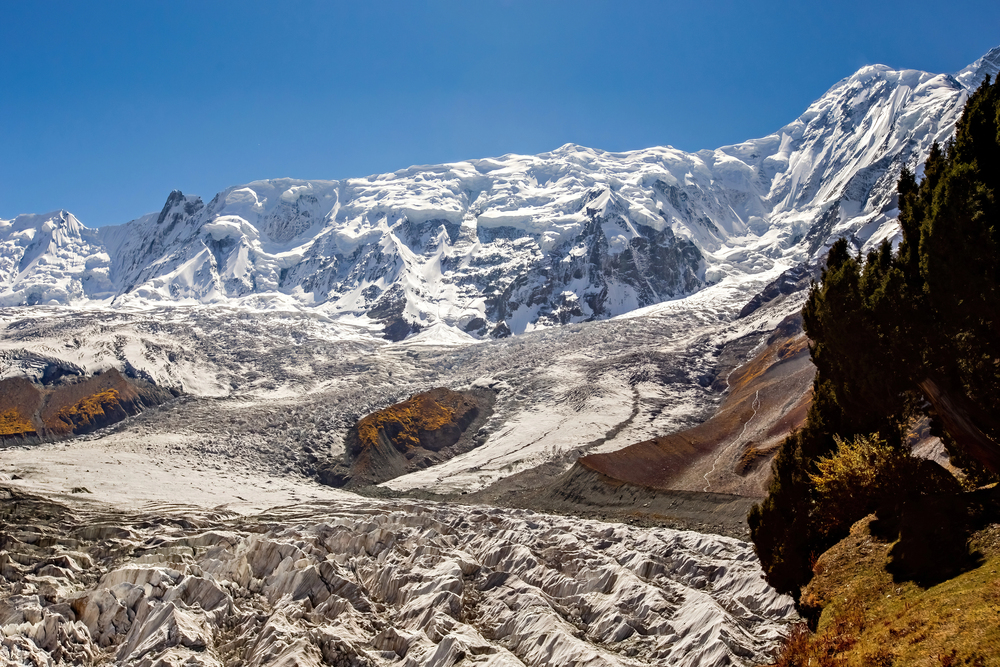
It started with a shepherd’s silent discovery at the rim of Pakistan’s Lady Meadows glacier: a body, well-preserved, clothes on, identity card still inside after 28 years. For Nasiruddin’s family, the news came as a wave of relief that moved back and forth with decades of yearning and unanswered questions. “Lastly, we have finally had some respite after the recovery of his dead body,” expressed Malik Ubaid, his nephew, in a sentiment being echoed by families from continents as glaciers, squeezed out by a warming world, reveal their ages-old secrets.
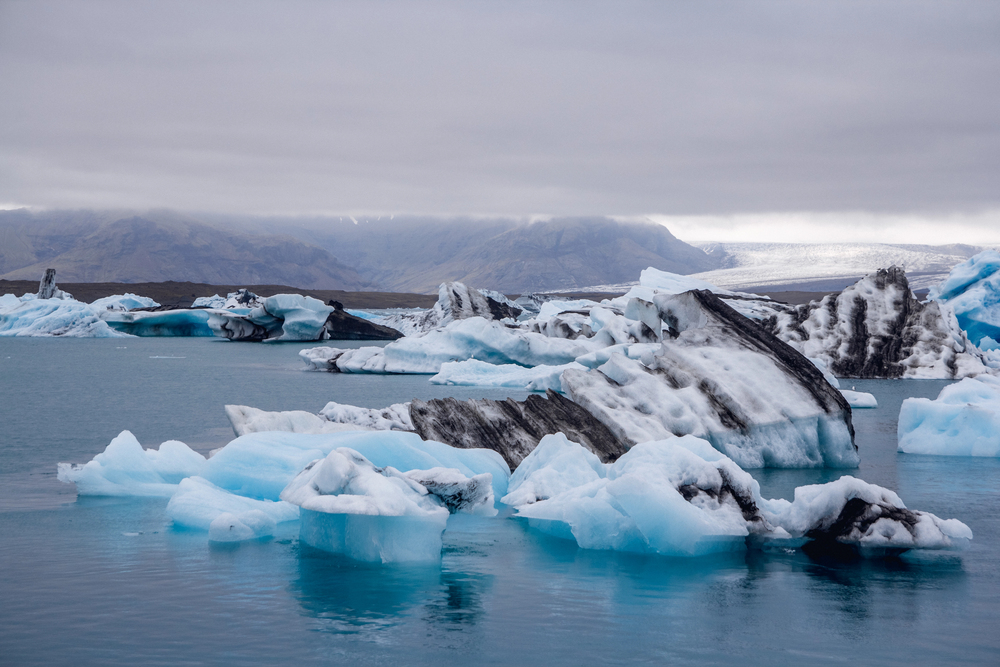
1. The Global Unveiling: Glaciers and the Return of the Missing
As the world’s glaciers melt at a record rate, they are not only bringing out more than geological history; they are also bringing back the remains of those who have perished to their cold embrace. The phenomenon is not limited to Pakistan alone. In Peru, the mummified body of climber Bill Stampfl was discovered after 22 years, complete with his California driver’s license.
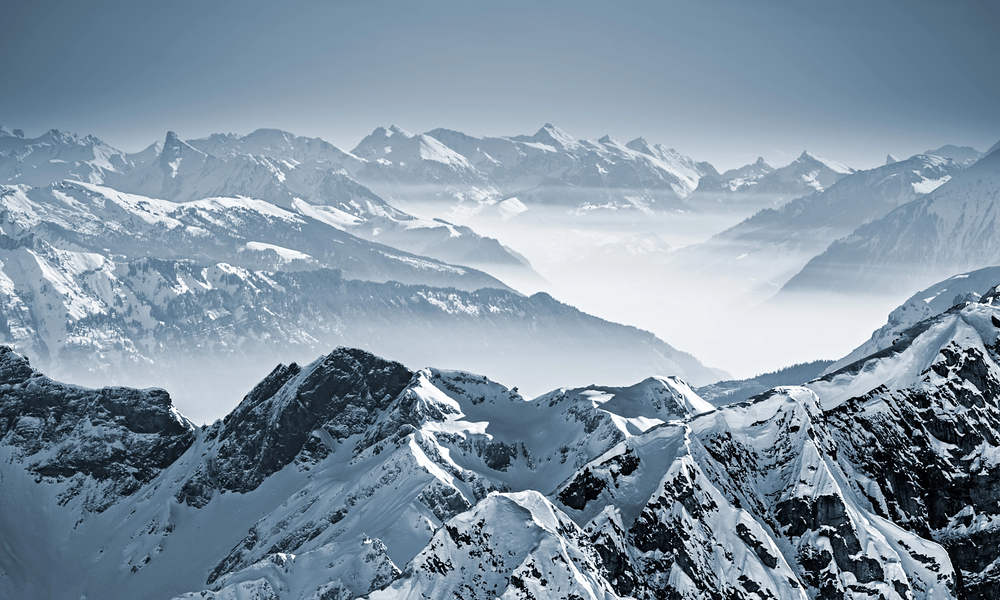
In the Swiss Alps, the bodies of climbers gone missing for decades have emerged, while on Everest, Nepalese officials have brought back bodies under mountaineering clean-up drives. As Ang Tshering Sherpa clarified, “Due to global warming, the glaciers and ice sheet are melting quickly, and the dead bodies that were buried all these years are now surfacing.” For the families, the finds provide a mixed blessing, closing years of doubt with the irrefutable evidence of loss and finally, an opportunity to grieve.
2. Emotional Relief and the Power of Closure
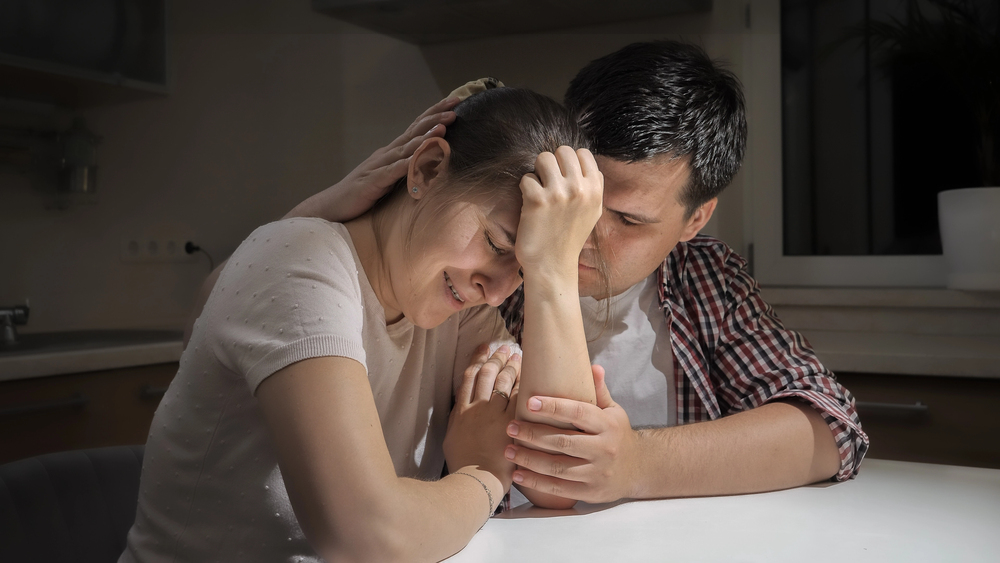
For those they left behind, the recovery of a loved one’s remains can bring deep emotional relief. “It really took a few minutes to just, actually, process what I was hearing,” Jennifer Stampfl said, on hearing about her father’s discovery in Peru. This closure, long overdue, enables families to go on, to cry openly, and to celebrate the memory of the missing. Swiss rescue team member Christian Zuber described the “great relief” of being able to provide families with the certainty they had longed for: “Finally when a corpse is found, you have a definite guarantee.” Burial ritual, even after decades, can be redemptive, a last act of love and memory that can help sew together the torn strands of loss.

3. The Psychological Landscape: Grief, Anxiety, and Ecological Mourning
But these glacier-revealed secrets do more than answer individual questions; they awaken profound, shared feelings. When glaciers disappear, people feel what scientists term ecological grief: sorrow not only for human loss, but for vanished landscapes and lifestyles. A feeling of place, identity, and security can be disoriented when the very setting itself alters so profoundly. “I can hardly gaze at the glacier, shining in sunlight.”. All I can see is melting; all I can see is what used to be, what will no longer be,” admitted one climber, expressing the pain of solastalgia, the homesickness for a location that continues to be there, but is forever changed. This mourning is normal, according to mental health professionals, and can be directed into constructive action and acclimatization.

4. Rituals of Remembrance: Healing Together
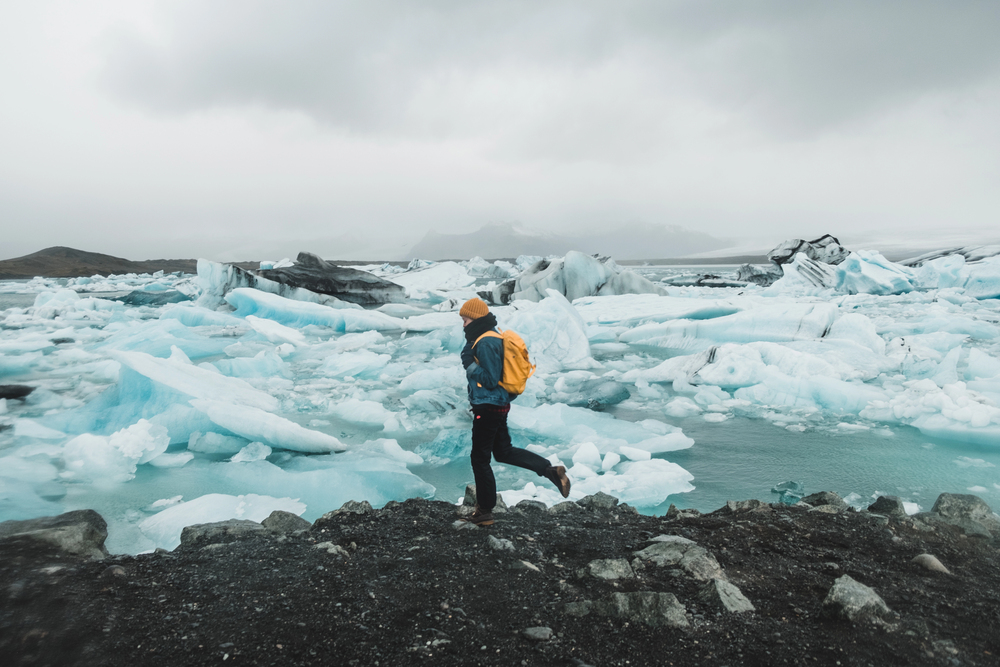
Societies are reacting to these losses with rites that echo those for human loved ones. In Iceland, the Ok glacier’s funeral captivated the attention of the world, with poetry, orations, and a plaque stating, “Only you know if we did it.” There have been similar ceremonies in Switzerland and Oregon, turning glaciers into symbols of loss and inspiration. “Rituals of grief are a great chance to make survivors public, and that makes it concrete what’s on the line for the future,” said Catherine Bruns, a communication scholar. Public mourning helps people and communities work through loss, build connection, and activate climate action.

5. Managing Climate Grief: How to Practice Resilience
The emotional effect of climate-related findings can be daunting, appearing as anxiety, helplessness, or even bodily complaints. Positive psychology provides techniques for developing resilience and hope. Interventions like mindfulness, cognitive restructuring, and community integration enable people to shift worry into proactive action. “In order for people to cope with information about climate change, it’s helpful for them to feel contained. Techniques of containment allow us to view ourselves as part of something bigger than ourselves,” said psychiatrist Janet Lewis. By instilling hope and a feeling of agency, individuals can progress from stasis to active engagement, whether that involves participating in conservation initiatives, contributing to impacted families, or merely reaching out to other concerned individuals.
6. Community Adaptation and Conservation in the Himalayas
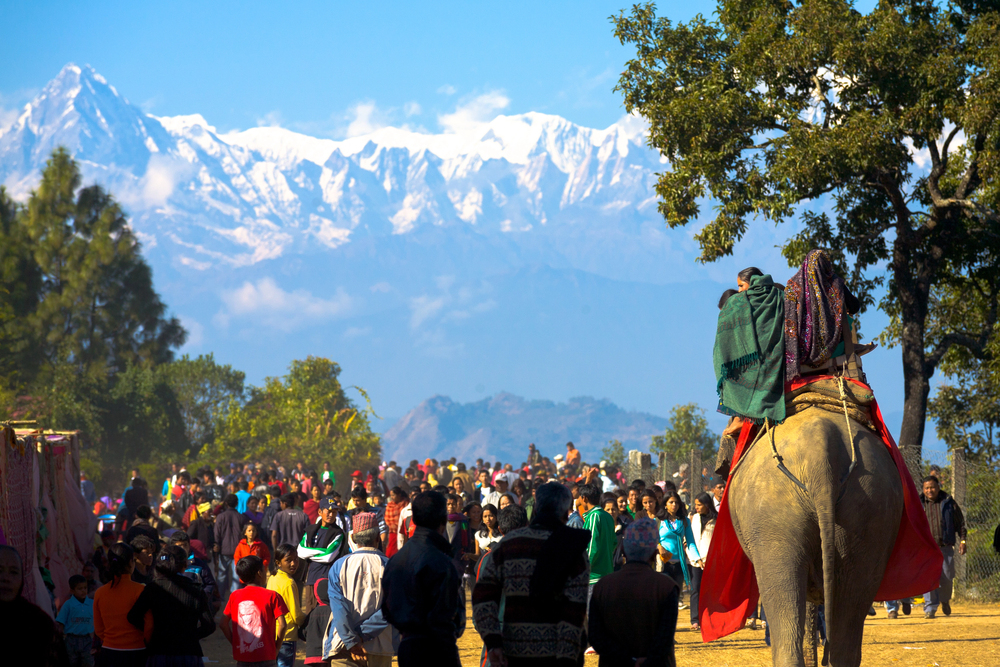
In Pakistan’s Kohistan district and throughout the Himalayas, adaptation is not solely a matter of designing fixes; adaptation is about communities unifying. Locally led initiatives, including the establishment of early warning systems against glacial lake outburst floods and reviving traditional water management practices, are assisting people in coping with the dangers of an altered environment. As Finance Minister Muhammad Aurangzeb stressed, “The work being done in terms of coming up with a Pakistan glacial protection and resiliency framework was a very timely action.” Such initiatives, backed by global collaborations and indigenous knowledge, give grounds for hope for maintaining both the ecosystems and the communities that rely on them.
7. The Universal Thread: Loss, Memory, and Meaning
Whether a Pakistani family can finally lay to rest a father, or a Swiss community is coming together to bid farewell to a cherished glacier, the narratives that are emerging on melting ice are ultimately human ones. They serve as reminders that mourning, whether for an individual or an environment, can be a source of connection, contemplation, and transformation. As glaciers reveal their secrets, they ask us to respect both the memories of the lost and the landscapes we can still save.
The loop of loss and recovery, mourning and healing, repeats tangled in the tapestry of a warming world, and in the hearts of all who make it home.

