
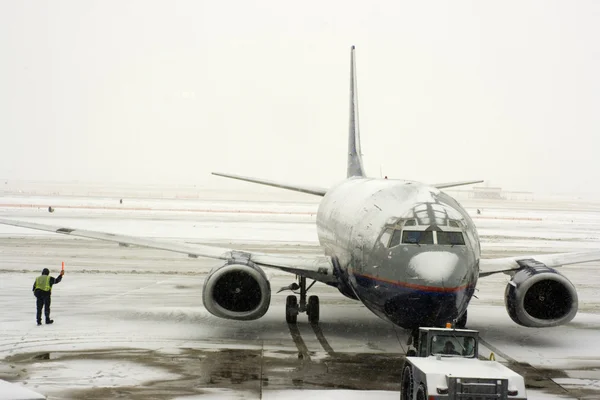
In recent days, millions of travelers have faced the grim reality of departure boards flashing “canceled” across the nation’s busiest airports. On Sunday alone, more than 10,000 flights were delayed or canceled in the United States because of a fierce winter storm in Chicago colliding with the third day of federally mandated air traffic restrictions. The result: a cascading disruption that’s hitting just as the Thanksgiving travel rush looms.
1. Weather Punch
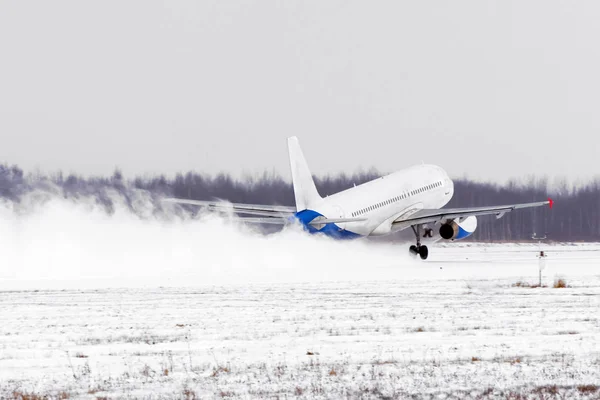
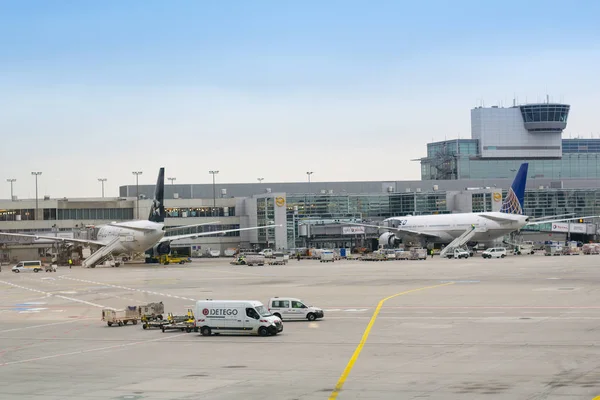
Hundreds of flights were canceled at Chicago’s O’Hare International Airport, a major hub for United and American Airlines, as snow, high winds and an Arctic blast threatened to dump more than a foot of snow. In all, the storm’s reach extended into the northeastern U.S., compounding delays. More than 130 flights were grounded at Midway with average delays of 20 minutes. At O’Hare, delays pushed past 50 minutes with hours-long ground stops at times.
2. FAA Flight Reductions
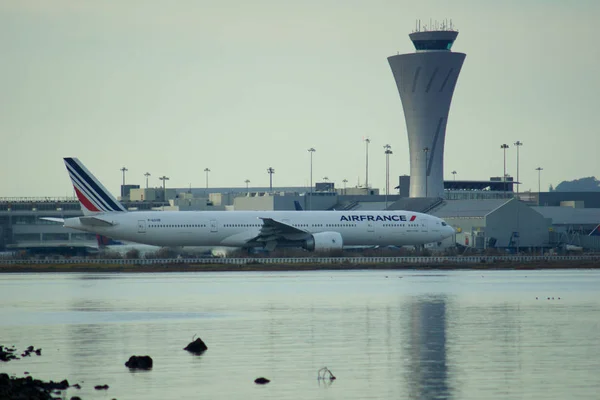
The Federal Aviation Administration’s move to cut flights at 40 high-volume airports – starting at 4% and ratcheting up to 10% by week’s end – is intended to take some pressure off air traffic controllers, who are working without pay during the government shutdown. “You’re going to see air travel be reduced to a trickle” heading into Thanksgiving, said Transportation Secretary Sean Duffy. Already, cuts are hitting hubs in New York, Atlanta, Dallas-Fort Worth and Chicago.
3. Staffing Shortages and Safety Concerns
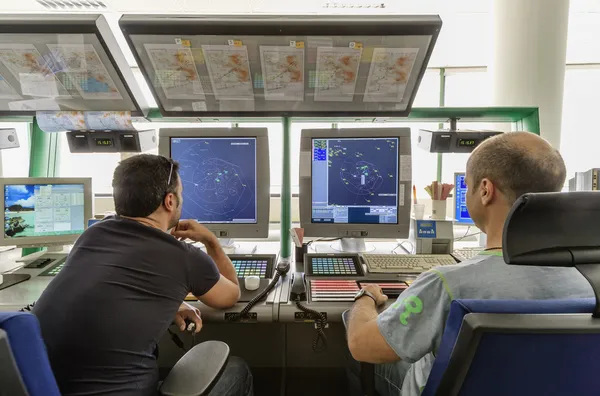
The controllers have been stretched thin for decades, but the shutdown has pushed the system to breaking point. Some facilities report up to 40 percent of controllers absent on certain days. “It doesn’t solve the crisis, it just prevents a complete meltdown,” said retired JFK controller Stephen Abraham. The FAA has implemented 37 separate “staffing triggers” to slow traffic or reroute flights when personnel levels drop too low.
4. Economic Fallout
Airlines for America, the airline trade group, estimates that reducing flights by 10% could cost the broader U.S. economy between $285 million and $580 million per day. Not taken into account are lost productivity, missed connections, and refunds. According to American Airlines’ COO, David Seymour, almost 250,000 customers were affected over one weekend, while air traffic control shortages contributed 57,000 delay minutes.
5. Historical Precedents
The FAA has cut flights sporadically in the interest of safety, but experts say the extent of this cut has never been seen in anything but the most extraordinary of circumstances. Jeff Guzzetti, a former FAA accident investigator, described such a move as the rare preemptive step to prevent catastrophic mistakes by overworked controllers. If the shutdown ends soon, rebuilding of schedules and repositioning crews could take weeks, according to historical recovery patterns.

6. Overcoming Anxiety When Traveling
Experts say those travelers who feel uncertain should pay attention to controllable factors: frequent flight status checks, booking morning departures when delays are less likely to cascade throughout the day, and packing essential items in carry-ons. Other recommended grounding techniques from mental health professionals to fight the anxiety of long waits include deep breathing or taking short walks. This helps travelers maintain flexibility and patience during disruptions without increasing their personal stress level.

7. Airline Responses
Major carriers are offering travel waivers to their passengers, allowing them to change or cancel flights without penalty. Delta grounded 470 flights on Sunday, while United and American pared its schedule to emphasize hub-to-hub and international flying. Southwest has minimized disruptions thus far but warned that staffing shortages may force deeper cuts. Refunds for all canceled flights are required by the Transportation Department.
8. The Thanksgiving Outlook
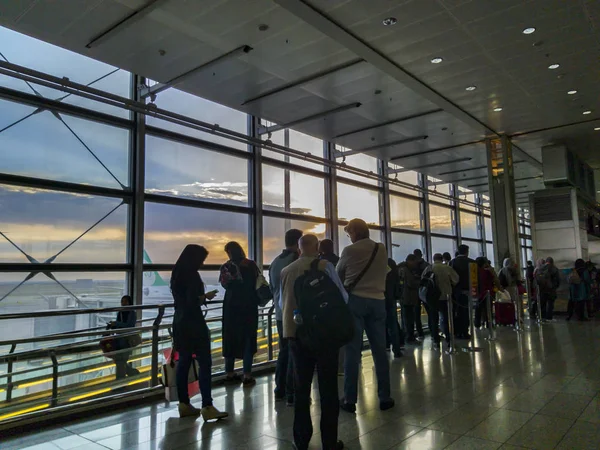
Duffy’s forecast is stark: without a resolution to the shutdown, millions may miss holiday gatherings. Even if Congress ends the impasse this week, experts caution that the backlog of canceled flights and displaced crews will linger. “There’s going to be extensive disruption across the entire nation’s air transportation system,” said Henry Harteveldt of Atmosphere Research Group.
9. Being the Calm in Chaos
Travelers can draw on historical resilience in U.S. aviation: past shutdowns and weather crises have eventually given way to recovery, aided by industry coordination and government intervention. While delays and cancellations may be unavoidable, focusing on small wins-like getting an earlier rebooking or finding a quiet corner within a crowded terminal-make the experience more manageable.
A rare confluence of Chicago’s winter storm and the government shutdown created a ripple effect in the nation’s skies. For those planning to travel in the coming days, preparation, patience, and adaptability will be key.

