

As the Pew Research Center reported, “the share of the U.S. population living in multigenerational homes more than doubled over the past five decades.” That shift isn’t just about family bonds – it’s also about smart housing strategies that can build wealth and security. Purchasing a $196,000 ranch at age 23 wasn’t just a milestone for this Atlanta homeowner-it became a career starter in real estate, gave her consistent income, and allowed her to support loved ones.
Through adding a tiny home to the backyard, she transformed it into a multi-functioning asset. Below is a list of the most meaningful lessons she has learned along the way, intertwined with insights from experts, that will help young buyers feel confident in making their first purchase and utilizing their investment to the fullest.

1. Start Saving Early Even Small Amounts Count
Spending less on housing, even temporarily, can significantly accelerate savings. This homebuyer lowered her rent by renting her apartment out on Airbnb while working out of town; she also earned extra through side gigs like marketing consulting and speaking. The reward: She saved $10,000 in six months for her down payment and closing costs. Set up automatic savings, stash money in high-yield accounts, and funnel windfalls-a bonus or tax refund, say-into an account earmarked for a home. Small moves add up.

2. Learn the Market Before You Hunt
She sat in first-time buyer workshops, researched down payment assistance programs, and even took city tours of up-and-coming neighborhoods, giving her a clear picture of where value was likely to grow. This research allowed her to buy in an area in position for redevelopment, which will maximize future equity. Knowledge of loan types, grant opportunities, and local trends eliminates the guesswork and instills confidence in making decisions.

3. Strategy Should Have Priority over Sentiment
Instead of dreaming about a dream house, she focused her search on features with strong rental potential: a bathroom for every bedroom, a central location, and a spacious backyard. That foresight enabled her to add an ADU and transform underused space into a valuable asset. Rather than focusing on curb appeal, buyers should be concerned with long-term growth opportunities; above all, they want to make sure the property can grow with them.
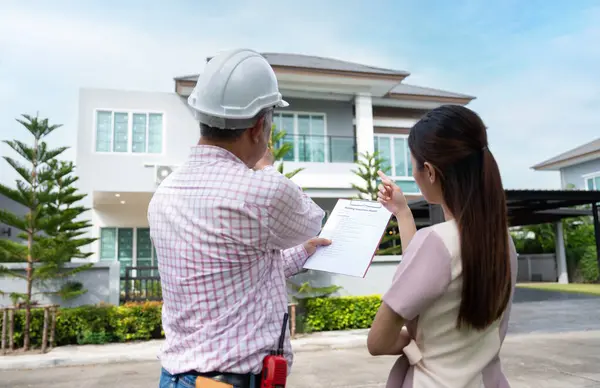
4. Assemble Your All-Star Homebuying Team
A good team can help you avoid expensive mistakes. In addition to a real estate agent, key players include a loan officer for preapproval, a home inspector who can flag hidden issues, and, where required, a real estate attorney able to protect your legal interests. Assembling pros who communicate well and know your goals means smoother transactions and fewer surprises.
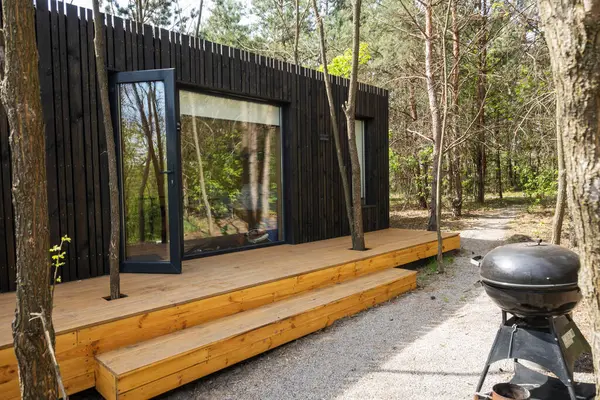
5. Unlock the Power of an ADU
Adding an ADU increases the value of the property 20–35% and brings in steady rental income. In hot markets, autonomous ADUs can command $2,500–$4,000 per month. They also provide owners with flexibility in multigenerational living, guest accommodations, or short-term rentals. For this Atlanta homeowner, her tiny home now houses her sister’s family, merging financial benefit with personal support.
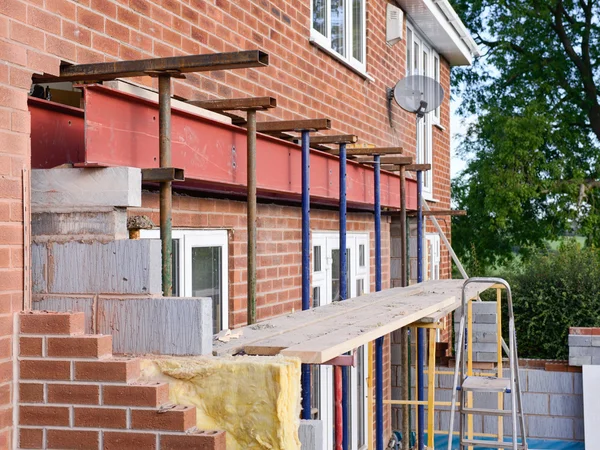
6. Weigh Detached vs. Attached ADUs
While detached units can command better rents due to privacy and independence, they also require separate utilities and higher upfront costs. Attached units are less expensive to build, integrating easily with space that already exists; however, they are usually not as attractive to renters seeking greater autonomy. It all depends on your budget, lot size, and intended use.

7. Plan for Financial Difficulties
The cost to build an ADU can be anywhere from $100,000 to over $400,000, and financing isn’t always easy. Options include home equity loans, construction loans, or cash-out refinancing. Affluent homeowners are more likely to build due to easier access to capital, but exploring local grants or ADU-specific incentives can help bridge funding gaps.
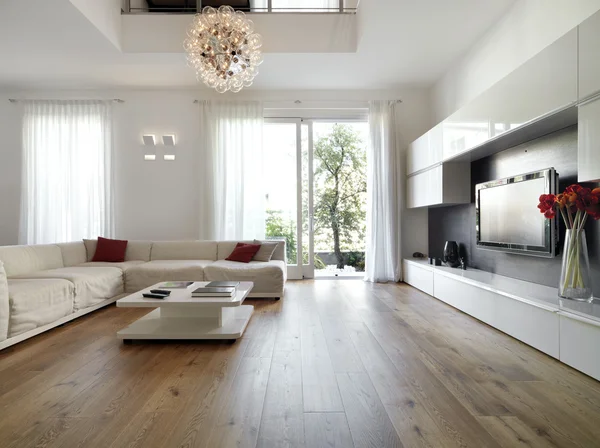
8. Design for ROI
Quality construction, together with energy-efficient features and layouts thoughtfully designed, boosts appeal to rentals while lowering maintenance costs. These qualities make prefabricated ADUs more attractive for renters concerned about the environment. Open floor plans, natural light, and durable finishes have the potential to increase both rental rates and resale value.

9. Invest in Real Estate to Create Long-Term Security
This purchase gave so much more than shelter: it created options. ADU rental income offset the mortgage, supported family during life’s transitions, and inspired a career shift into real estate. Property can be far more than four walls to a young buyer; it’s the bedrock of financial resilience to anchor opportunities. Buy young and think strategically, and that starter home may turn into a wealth-building asset.
From disciplined saving to smart market research, to leveraging ADUs, every step exponentially amplifies advantages. For young, early-career professionals, here is the key takeaway: approach your first purchase with intention, and it can unlock doors far beyond the front one.

