
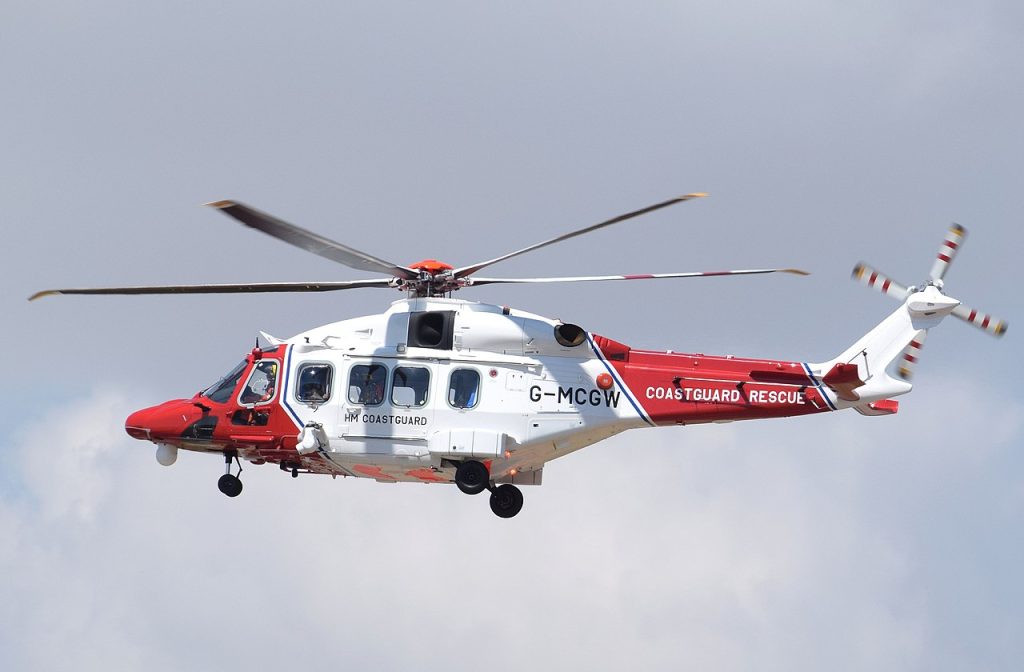
It starts with the thump of rotor blades over open water and the glint of a precision rifle in the sun. In the Caribbean and Eastern Pacific, the U.S. Coast Guard’s Helicopter Interdiction Tactical Squadron turns these moments into decisive interdictions-stopping drug-running vessels in their tracks before they can disappear over the horizon. For aviation enthusiasts and tactical-minded readers alike, details on how pilots and marksmen pull off feats show a mix of extreme skill, evolving technology, and split-second judgment.
1. The Evolution of Airborne Drug Interdiction
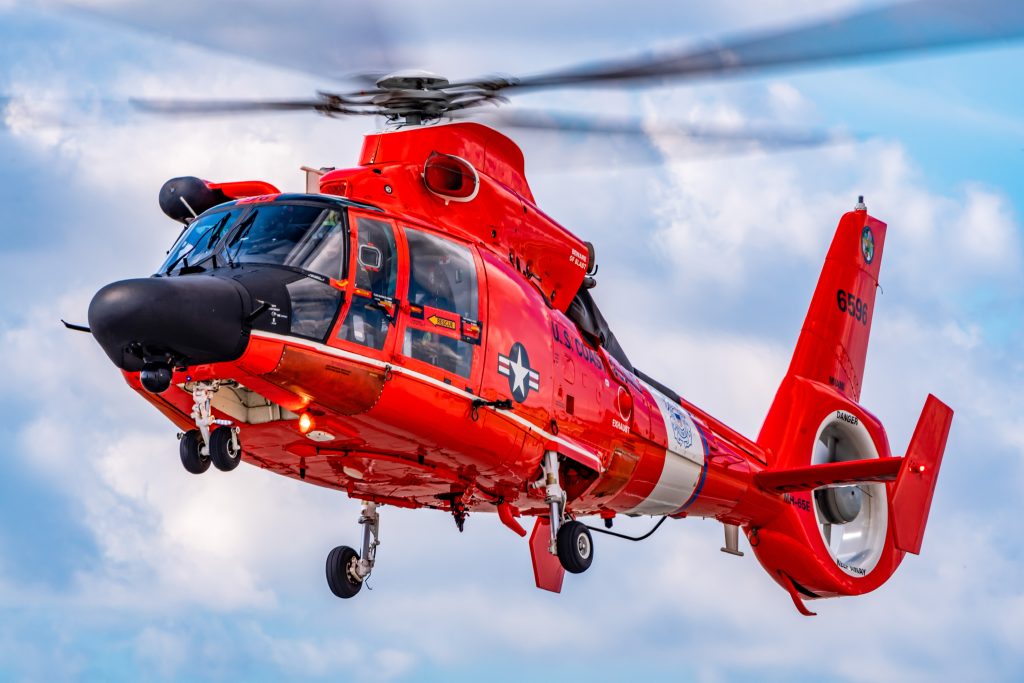
HITRON began in 1998 as a classified experiment to counter “go‑fast” boats low‑profile, high‑speed craft used by smugglers to outrun cutters. The early proof‑of‑concept missions, flown from the USCGC Gallatin, stopped all five targets they engaged, seizing over 1.5 tons of cocaine and 5.5 tons of marijuana. By 2003, the unit was formally stood up in Jacksonville, Florida, and today it operates 12 MH‑65C Dolphins with 264 personnel. Since its inception, HITRON has interdicted more than $30 billion in illicit narcotics, earning its motto: Force from Above.
2. Pilots Who Fly the Edge
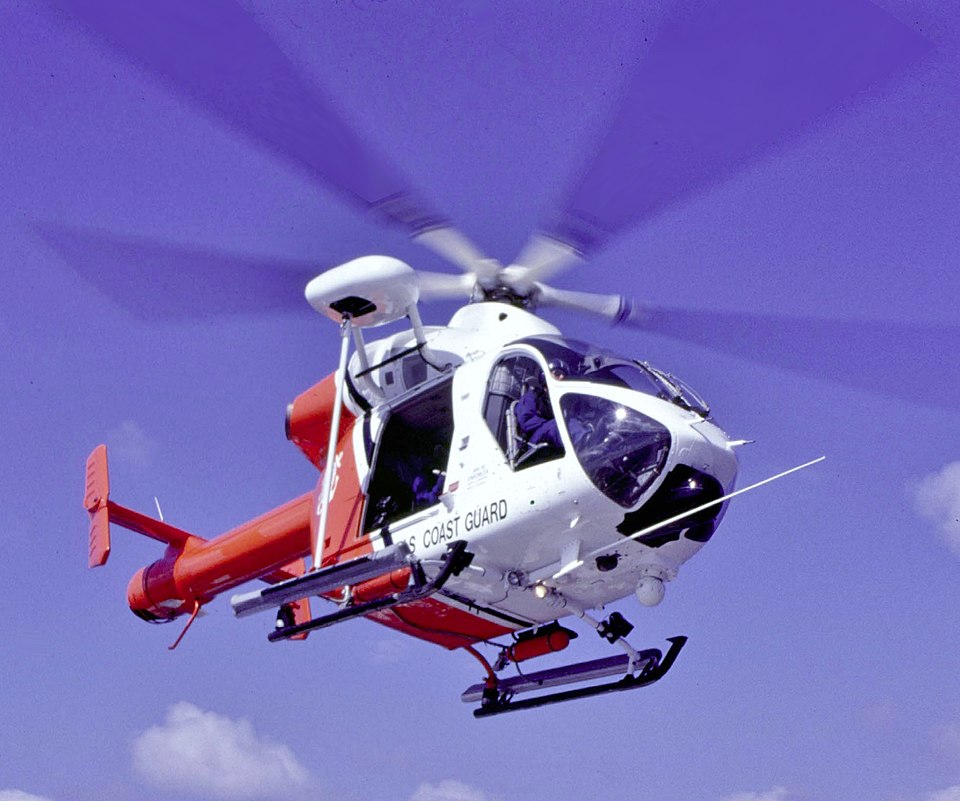
HITRON pilots show up as experienced aircraft commanders, but they have to learn the specific handling of the MH‑65 Dolphin. “The training for this is like running with ankle weights on,” Lt. Com. Jamel Choker said. It takes thousands of hours to commit such extreme maneuvers to muscle memory-such as banking hard with a mere three‑quarter‑inch movement of the cyclic. Missions can transition from pursuit to search and rescue in mid‑air, requiring mental agility as much as physical skill.
3. Precision Marksmen Under Pressure
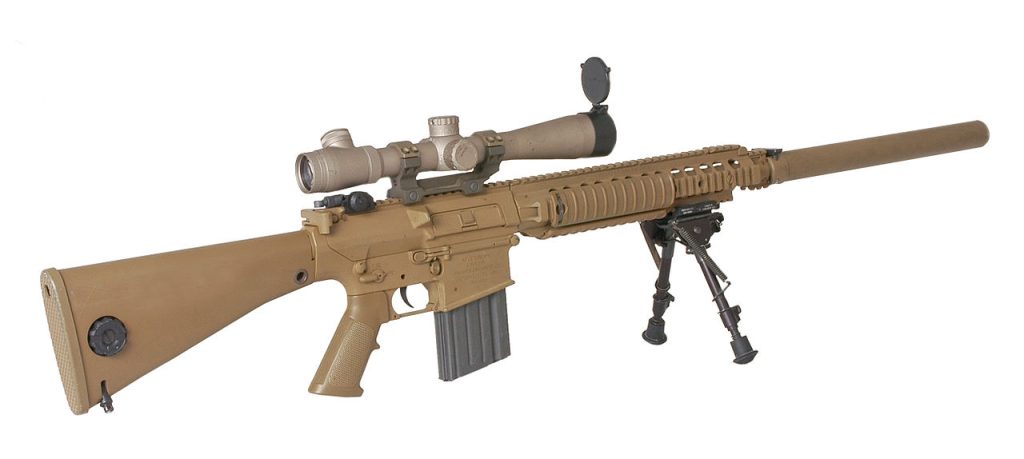
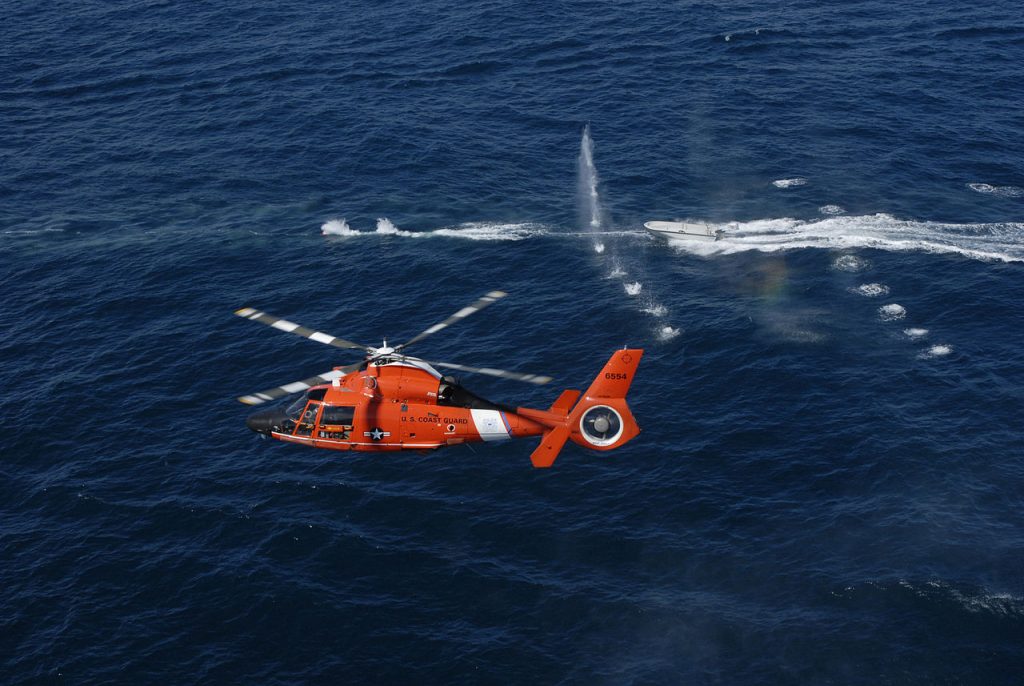
The marksmen are as crucial as the pilots. Petty Officer Second Class Phillip McCarty trains relentlessly to overcome vibrations and erratic vessel movement while firing from a helicopter. The arsenal includes the M107 semi‑automatic .50 caliber sniper rifle for long‑range, hard targets, and the M110 Semi‑Automatic Sniper System for personnel or lightly protected materials. Mounted machine guns deliver warning shots disabling fire is reserved for engines, never crew. In one mission nine rounds in under five seconds stopped a vessel within five feet of hitting a man in the water.
4. Split‑Second Decision Making
High‑stress tactical decision making is a hallmark of HITRON operations. Choker remembers one pursuit where all four suspects jumped overboard, leaving their vessel circling precariously toward one of them. The crew transitioned from rescue mode into interdiction in a split second, disabling the boat before it was able to harm the individual. That level of adaptability reflects the “adapt and overcome” ethos of the unit-necessary when smugglers switch up methods mid-chase.
5. Smuggler Tactics and Countermeasures
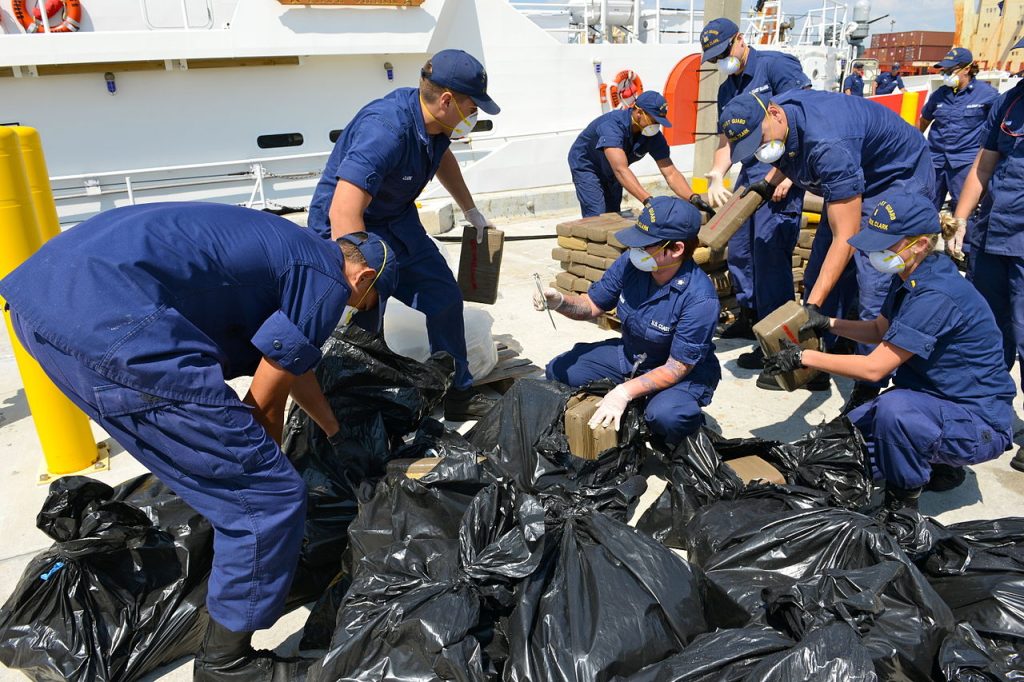
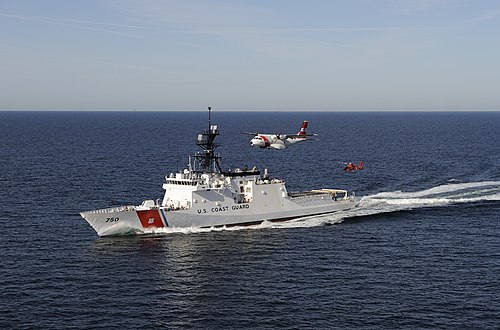
Maritime drug smuggling has evolved from marijuana‑laden fishing boats in the 1970s to cocaine‑carrying “go‑fasts” and semisubmersibles today. The vessels are designed to evade detection with their low profiles, high‑powered outboards, and unpredictable maneuvers. HITRON counters with layered detection: maritime patrol aircraft cue cutters, which launch helicopters to intercept. If visual and verbal warnings fail, disabling fire follows, paving the way for boarding teams to seize drugs and arrest smugglers.
6. Technology That Levels the Field
Improvements such as heads‑up displays in night vision goggles allow pilots to fly at 80–100 feet over water at less than 30 knots while keeping critical flight data in view without ever looking away from the target. Refined pursuit tactics, use of force from the air, and tactical geometry assessments contribute to the Coast Guard’s interdiction success rate of 90% for the last several years. Unmanned aerial systems like ScanEagle extend surveillance by maintaining visual contact with fleeing vessels until helicopters can engage.
7. Training for Every Variable
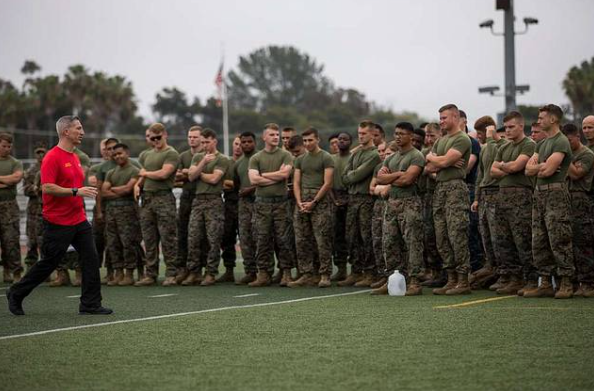
Training scenarios at Cecil Field mirror actual runs with opposing teams adjusting tactics to account for recent smuggler behavior. Pilots practice extreme maneuvers marksmen rehearse firing sequences under simulated turbulence. Deployments last months, and crews return immediately to training afterward to be ready for missions that can happen in darkness, rough seas, or around hostile coastlines.

8. Law Enforcement Meets Aviation Mastery
HITRON’s dual identity allows it both to function as an aviation unit and to conduct the work of a law enforcement force under Title 14 authorities, boarding and arresting targets under U.S. law. The resultant framework places a premium on disabling over destruction, a means of preserving life while capturing evidence for eventual prosecution.
It is a very deliberate policy choice that separates Coast Guard interdictions from military strikes, and it reinforces the rule of law at sea. Skilled piloting, precision shooting, and adaptive tactics have combined synergistically to make HITRON the most successful airborne law enforcement unit in the nation. For anyone fascinated by the mechanics of high‑stakes operations, each mission is a case study in how mastery of the air can dominate the sea.

