
Over 85% of Parkinson’s is actually attributed not to genetics, but to one’s environment. The startling fact turns a supposed inevitable disease into one that is largely preventable, and it is a potent motivator to act today. Scientists, physicians, and activists alike share a clear consensus regarding a worrisome reality: our air, water, and food supplies contain toxic compounds that are precipitating a pandemic of Parkinson’s, and steps may be taken to lower one’s risk.

1. The Environmental Drivers of Parkinson’s
Neurologists Ray Dorsey, MD, and Michael Okun, MD, point out that “more than 85 percent of people with Parkinson’s do not have a genetic cause or risk factor for their disease.” For over 85 percent of people with Parkinson’s, decades of research using both epidemiological and lab approaches strongly support paraquat pesticides, solvents such as trichloroethylene (TCE), and air pollution as major risk factors with a risk increase of two- to fivefold with paraquat, 500% with TCE, and these induce Parkinson’s in animals by damaging neurons that produce dopamine, and these chemicals also persist in the environment for long periods of time.
2. High Risk Chemicals and Mechanism of Action
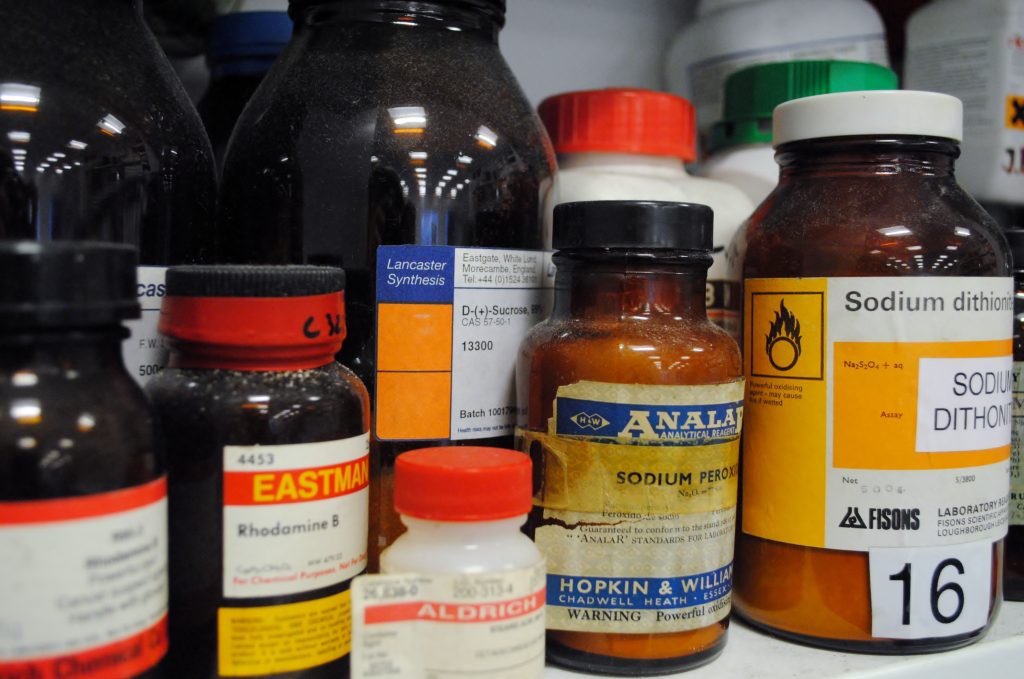
TCE was used for decaffeinating coffee in the past and in degreasing chemicals as well as dry-cleaning solutions; it now pollutes groundwater and indoor air through vapor intrusion. Research shows it can cause mitochondrial damage, oxidative damage, and toxic proteins in the brain. Paraquat, an agricultural pesticide banned in more than 70 countries but not in U.S. farms, disrupts energy in cells; it causes neuronal deaths. New studies also have found surprising new effects of rotenone in persisting epigenetic modifications in brain areas involved in motor functions, putting the brain at risk for disease even years after exposure.

3. Daily Practices to Reduce the Risk
The “Parkinson’s 25” shopping list has helpful strategies: wash all produce thoroughly, whether organic or not, with soap or a vinegar solution to destroy fat-soluble pesticides, install water filters, particularly if the home has well water, use home air cleaners that filter particulate matter effectively, limit use of garden pesticides, and use “green” dry cleaners that do not use perchloroethylene. Finally, a Mediterranean diet that focuses on fruits, vegetables, and antioxidants may help guard against the loss of dopamine-producing cells. High-intensity exercise, including brisk walking for 7,000 to 7,500 steps, three times a week, stimulates the secretion of growth factors that protect cells.
4. Hidden Sources of Exposure
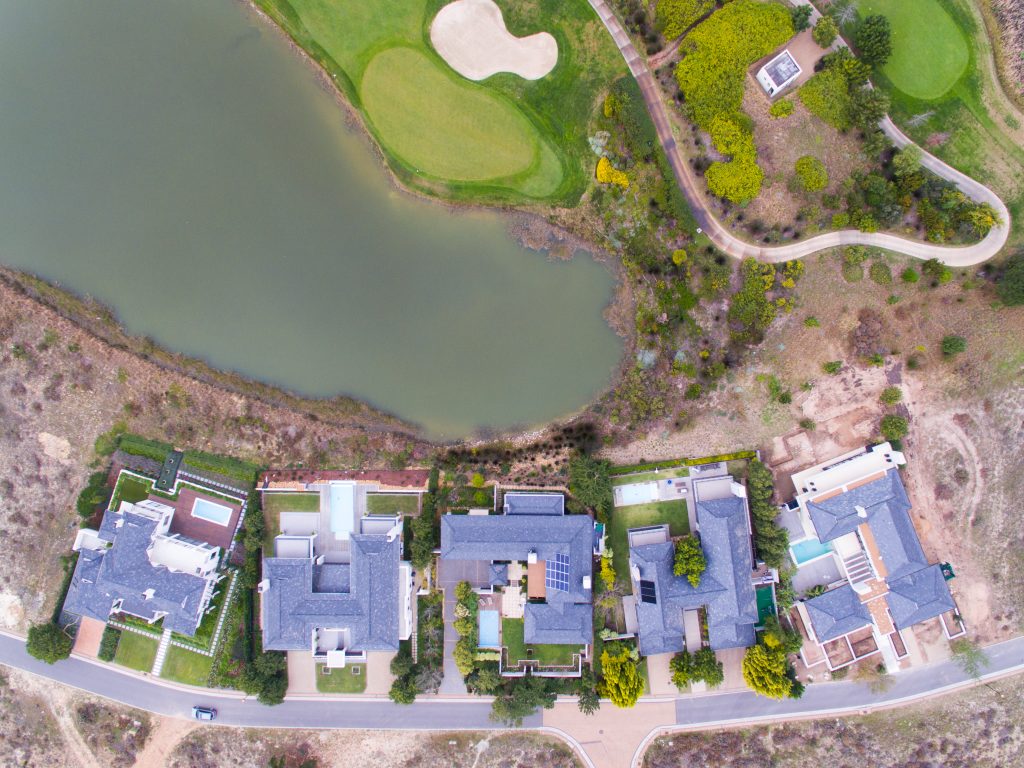
Golf courses have been identified as a risk factor because they could possibly use as many as 80 times the amount of pesticides per acre compared to farms. In a study involving the population for a span of 25 years, it has been observed that the risk of Parkinson’s disease is augmented by 126% upon exposure to the golf course living within one mile of the area, and that the contamination of public water supplies is being associated with nearly twice the risk of being diagnosed with the disease.

5. Policy & Advocacy Wins
In December 2024, the U.S. Environmental Protection Agency prohibited almost all legacy uses of TCE, which was achieved after protracted activism by organizations such as the Michael J. Fox Foundation. “By prohibiting the use of TCE, the Biden-Harris administration and the EPA are effectively eliminating a proven risk factor for the development of Parkinson’s disease in the United States,” Ted Thompson, the MJFF’s senior vice president of public policy, announced. This move highlights the collective power that exists in eliminating environmental toxins. Activism is now underway aimed at restricting the usage of paraquat on crops that the substance has been proven to pose risks for.
6. New Medical Innovations
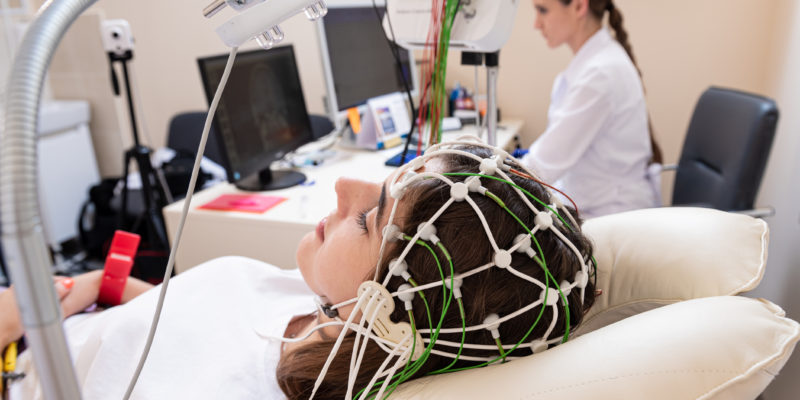
Though prevention is the most important goal, developments within treatment are holding promise for existing suffers. Gene therapies like AAV2-hAADC and ProSavin are being tested to reverse the generation of dopamine. Nanomedicines are now able to transport medications beyond the blood/brain barrier with unparallel accuracy.
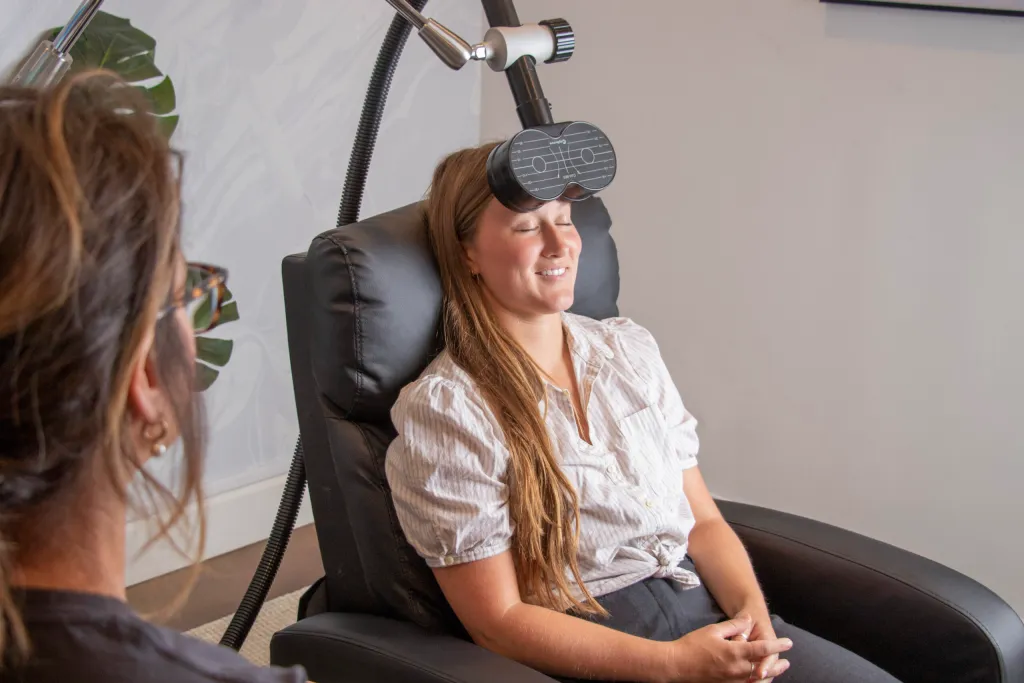
Artificial intelligence-based neuromodulation systems are learning to react dynamically to brain waves, which are showing marked improvements not only within tremors but also within sleep and other non-motor manifestations. Deep brain stimulation is still the most trusted treatment within unresponsive patient populations.

7. Constructing a Safer Environment
Preventing Parkinson’s means acting on a personal level to avoid the risk factors, in addition to working on a bigger level to implement changes. People can start to follow a lifestyle to avoid exposure to toxins, but the bigger changes involve a ban on the chemicals in use,public disclosure of chemical use in residential areas, and cleaning up contaminated areas.
The preservation of brain health is not a passive process. With a clear recognition of the fact that environment-induced cases account for the majority of those of Parkinson’s disease, every step of the process, from washing vegetables to researching a cure, becomes a step toward making a preventable disease a vanishing disease.